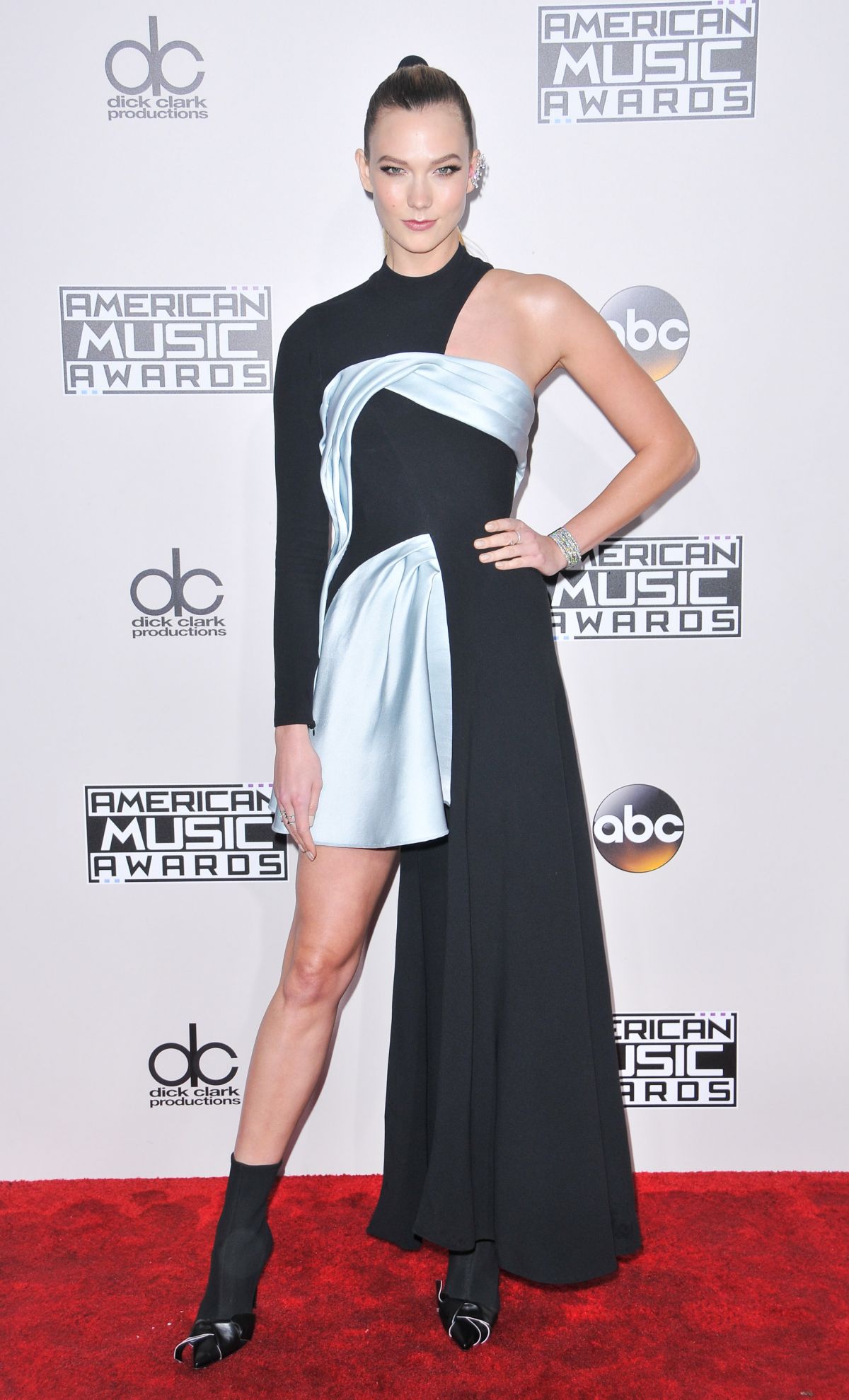
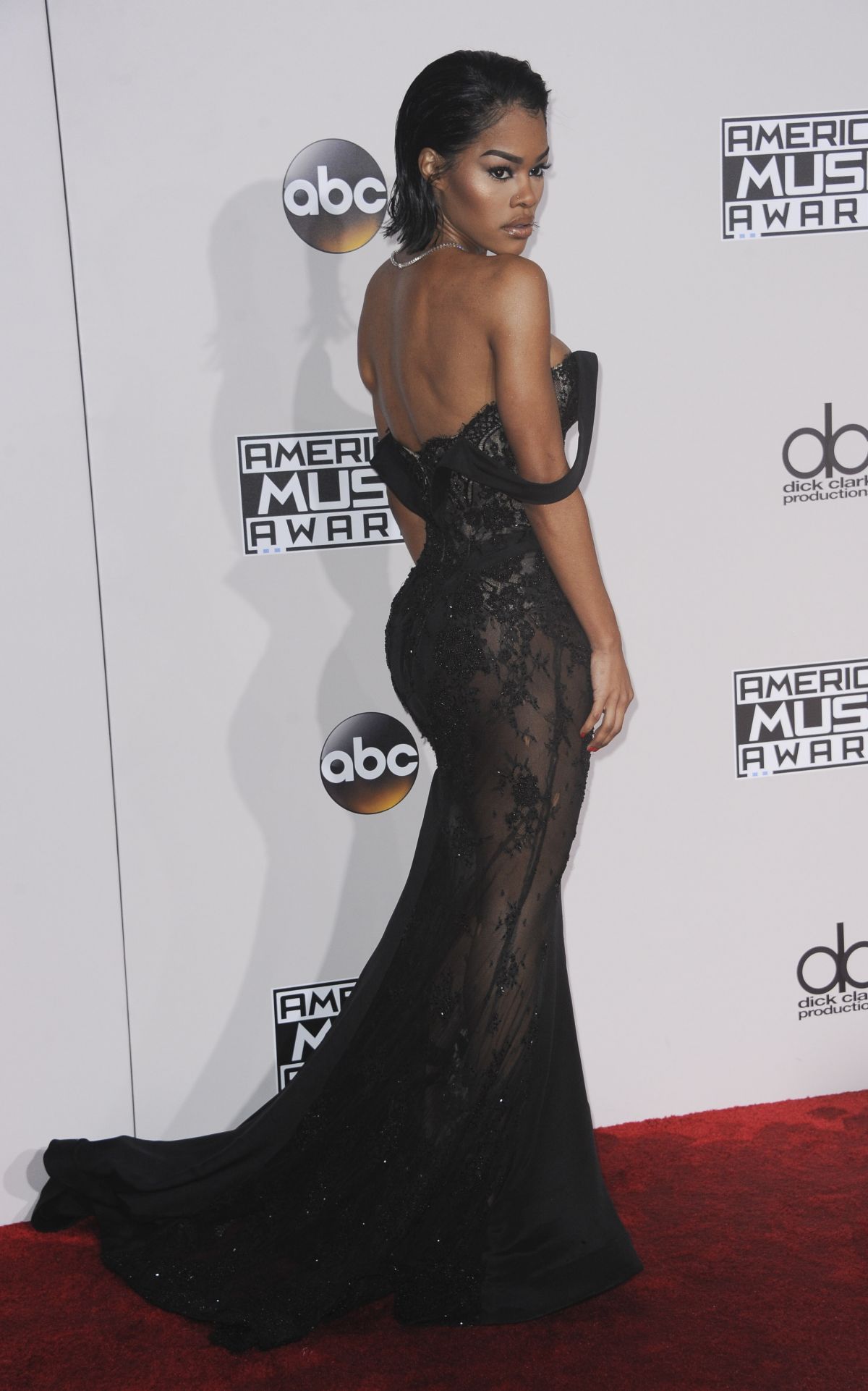
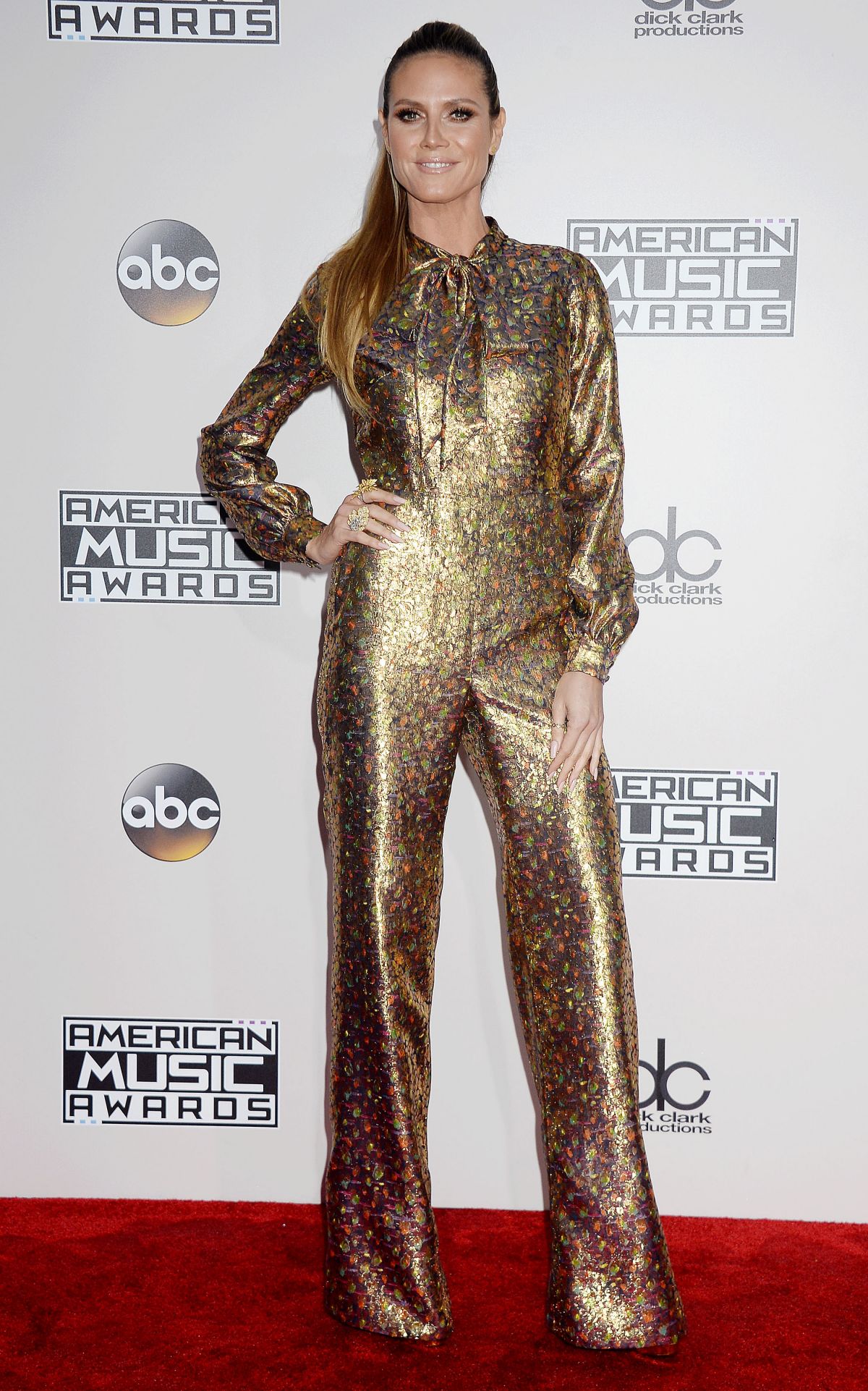
The 2016 American Music Awards (AMAs) was a landmark event in pop culture, held on November 20, 2016, at the Microsoft Theater in Los Angeles. The ceremony, which marked the 44th edition of the awards, was characterized by Ariana Grande’s "Artist of the Year" win, Drake’s record-breaking 13 nominations, and a deeply emotional public return for Selena Gomez. Even from the perspective of 2026, the 2016 AMAs remain a pivotal moment that captured the transition of the music industry into the streaming-dominant era while reflecting the intense social and political climate of the time.
Historical Context and Event Logistics
The 2016 American Music Awards were produced by dick clark productions and broadcast live on ABC. At this juncture in music history, the industry was grappling with the rapid ascent of streaming services like Spotify and Apple Music, which had fundamentally altered how popularity was measured. Unlike the Grammys, which are peer-voted, the AMAs are determined by public polling and fan engagement, making the 2016 winners a direct reflection of the commercial zeitgeist of the mid-2010s.
The event was hosted by model Gigi Hadid and comedian Jay Pharoah. Their hosting style was a blend of high-fashion glamour and contemporary satire. Hadid, then at the height of her "It-girl" status, made several outfit changes throughout the night, while Pharoah provided comedic relief through various celebrity impressions, including a controversial parody of Melania Trump that sparked significant social media discourse.
From a technical standpoint, the production was one of the most ambitious of the decade. The Microsoft Theater was outfitted with massive LED arrays and complex stage hydraulics to accommodate high-energy performances from artists like Bruno Mars and The Weeknd. The 2016 ceremony also saw a significant push toward "second-screen" experiences, with heavy integration of Twitter (now X) and Facebook Live for red carpet coverage and behind-the-scenes content, a strategy that has since become standard in the 2020s.
The Dominance of Drake and the Record-Breaking 13 Nominations
One of the most significant narratives leading into the 2016 AMAs was Drake’s sheer statistical dominance. Following the massive success of his fourth studio album, Views, Drake secured 13 nominations, breaking the previous record of 11 nominations held by Michael Jackson since 1984. This feat highlighted the Canadian rapper's ability to permeate multiple genres, including Pop/Rock and Rap/Hip-Hop.
While Drake did not sweep every category he was nominated for, he secured four major wins, including Favorite Artist – Rap/Hip-Hop and Favorite Album – Rap/Hip-Hop. His presence at the ceremony was a validation of the "streaming-first" release strategy. Views had spent much of the year atop the Billboard 200, driven largely by the ubiquity of singles like "One Dance" and "Hotline Bling." Drake’s success in 2016 served as a blueprint for the "Imperial Phase" of his career that would continue well into the next decade.
Artist of the Year: Ariana Grande’s Ascendance
The night’s most prestigious honor, Artist of the Year, was awarded to Ariana Grande. This win was seen as a definitive turning point in her career, moving her from a burgeoning pop star to a global powerhouse. Grande had released her third studio album, Dangerous Woman, earlier that year, which showcased a more mature, R&B-influenced sound.
In her acceptance speech, a visibly moved Grande thanked her fans for their unwavering support. Her win was particularly notable because she faced stiff competition from heavyweights like Justin Bieber, Rihanna, Selena Gomez, and Carrie Underwood. The victory solidified the "Arianator" fanbase as one of the most mobilized digital communities in music history, a precursor to the massive fan-led voting campaigns that dominate award shows in 2026.
Iconic Performances and Artistic Highlights
The 2016 AMAs were defined by several high-production performances that set the standard for live television.
- Bruno Mars: Opened the show with "24K Magic," a performance that featured tight choreography and a 1990s-inspired aesthetic. It set an energetic tone for the evening and reminded audiences of the enduring appeal of funk-pop.
- Lady Gaga: Performed "Million Reasons" from her album Joanne. In a departure from the avant-garde spectacle she was known for in the early 2010s, Gaga opted for a stripped-back, acoustic-driven performance set in a field of grass. This signaled her shift toward Americana and "authentic" vocal-centric artistry.
- The Weeknd: Performed "Starboy" inside a crystalline structure, utilizing laser effects that complemented the futuristic production of the Daft Punk-assisted track.
- Twenty One Pilots: The duo delivered a high-octane medley of "Heathens" and "Stressed Out," highlighting the crossover success of alternative rock in a pop-dominated year.
Cultural Significance and Emotional Milestones
Beyond the awards and musical numbers, the 2016 AMAs were remembered for their emotional and political weight. Two moments, in particular, stood out as culturally significant.
Selena Gomez’s Return to the Spotlight
After a hiatus to deal with health issues related to Lupus and mental health, Selena Gomez made her first public appearance of the year to accept the award for Favorite Female Artist – Pop/Rock. Her speech was remarkably candid, addressing the pressure of being "broken" while trying to keep it together for the public. She famously stated, "If you are broken, you do not have to stay broken." In the decade since, this moment has been cited as a major catalyst for the destigmatization of mental health discussions among high-profile celebrities.
Prince’s Posthumous Honors
The music world was still mourning the loss of Prince, who had passed away in April 2016. His 1984 masterpiece Purple Rain won the award for Top Soundtrack (the album had experienced a massive resurgence in sales following his death). His sister, Tyka Nelson, accepted the award on his behalf in a somber and respectful tribute that served as one of the night's most poignant moments.
The Political Climate
Occurring just weeks after the 2016 U.S. Presidential Election, the ceremony was charged with political tension. The most overt display came from the punk-rock band Green Day. During their performance of "Bang Bang," lead singer Billie Joe Armstrong led the crowd in a chant of "No Trump! No KKK! No fascist USA!" The moment went viral instantly, reflecting the deep polarization of the era and the traditional role of music as a vehicle for protest.
Detailed Results: Major Category Winners
The following table summarizes the winners in the primary categories of the 2016 American Music Awards.
| Category | Winner |
|---|---|
| Artist of the Year | Ariana Grande |
| New Artist of the Year | Zayn |
| Collaboration of the Year | Fifth Harmony ft. Ty Dolla $ign – "Work from Home" |
| Tour of the Year | Beyoncé – The Formation World Tour |
| Video of the Year | Justin Bieber – "Sorry" |
| Favorite Male Artist – Pop/Rock | Justin Bieber |
| Favorite Female Artist – Pop/Rock | Selena Gomez |
| Favorite Duo or Group – Pop/Rock | Twenty One Pilots |
| Favorite Album – Pop/Rock | Justin Bieber – Purpose |
| Favorite Song – Pop/Rock | Justin Bieber – "Love Yourself" |
| Favorite Male Artist – Country | Blake Shelton |
| Favorite Female Artist – Country | Carrie Underwood |
| Favorite Artist – Rap/Hip-Hop | Drake |
| Favorite Album – Rap/Hip-Hop | Drake – Views |
| Favorite Artist – Soul/R&B | Chris Brown |
| Favorite Female Artist – Soul/R&B | Rihanna |
| Favorite Album – Soul/R&B | Rihanna – Anti |
| Favorite Artist – Alternative Rock | Twenty One Pilots |
| Award of Merit | Sting |
Broadcast Impact and Media Reception
The 2016 AMAs drew approximately 8.16 million viewers. While these numbers were considered a decline from previous years—a trend that would continue for all linear television broadcasts throughout the next decade—the event's digital footprint was massive. On platforms like Instagram and the then-rising Snapchat, the AMAs were the dominant conversation of the weekend.
Critics generally praised the musical performances but were divided on the hosting. While Jay Pharoah's impressions were technically proficient, some felt the political humor was jarring in a space meant for musical celebration. However, the "Award of Merit" presentation to Sting was universally lauded. Sting performed a medley of his hits, including "I Can't Stop Thinking About You" and "Every Breath You Take," reminding the audience of the bridge between the industry's storied past and its rapid-fire present.
The Long-term Legacy of the 2016 AMAs
Looking back from 2026, the 2016 AMAs feel like the end of one era and the beginning of another. It was one of the last major ceremonies where the traditional "Pop Star" model (defined by high-budget music videos and radio-led promotion) was still the primary driver of success before the total decentralization caused by TikTok and algorithm-based discovery.
The 2016 ceremony also marked a peak for the "Bieber/Grande/Gomez" triumvirate of stars who had transitioned from teen idols to mature artists. Their dominance of the night showed that the fanbases who grew up with them had successfully transitioned into adult consumers with significant voting power. Furthermore, the inclusion of artists like The Chainsmokers and Twenty One Pilots indicated a shift toward "genre-blind" listening habits that would become the standard in the 2020s.
What is the significance of the 2016 American Music Awards today?
The 2016 AMAs are significant as a historical marker for the mid-2010s music landscape. They documented the moment Drake became a record-breaking statistical anomaly, the rise of Ariana Grande as a top-tier global icon, and the first major public discussion of mental health in a high-stakes award show environment via Selena Gomez. The ceremony also captured the immediate cultural reaction to the 2016 political shift in the United States.
Who won the most awards at the 2016 AMAs?
Justin Bieber was the most awarded artist of the night, taking home four trophies, including Favorite Male Artist – Pop/Rock and Favorite Album – Pop/Rock for Purpose. Drake, despite his record 13 nominations, also won four awards. These two artists essentially split the evening's highest honors, reflecting the dominance of Canadian artists in the American market at that time.
Why did Drake have 13 nominations?
Drake's 13 nominations were a result of the immense commercial success of his album Views. The AMAs base nominations on a combination of fan interaction, sales, airplay, and social activity. Because Drake had multiple hit singles across different genres (Pop, R&B, and Rap) and exceptionally high streaming numbers, he qualified for a record-breaking number of categories.
What was the most controversial moment of the 2016 AMAs?
The most controversial moment was Gigi Hadid’s impression of Melania Trump. During a comedy skit with co-host Jay Pharoah, Hadid mimicked Trump’s accent and facial expressions while referencing the plagiarism controversy involving a speech by Michelle Obama. The skit received significant backlash on social media, leading Hadid to issue a handwritten apology shortly after the event.
How did the 2016 AMAs honor Prince?
The ceremony honored Prince posthumously by awarding his 1984 album Purple Rain the Top Soundtrack award. The award was accepted by his sister, Tyka Nelson, who gave a moving speech about Prince's bravery and his "vision to be different." This was one of the first major industry honors for Prince following his death earlier that year.
Recommendation for Archival Viewing
For researchers or pop culture enthusiasts looking to understand the evolution of music awards, the 2016 AMAs are a primary case study. It is recommended to watch the full broadcast rather than just clips to appreciate the flow between the high-energy performances and the emotionally charged speeches. Pay particular attention to the production value of the "24K Magic" and "Million Reasons" performances, as they represent the two poles of 2010s stagecraft: high-glam spectacle and raw, authentic minimalism. Accessing these archives through official network portals or licensed streaming libraries provides the best quality and historical context for the event.