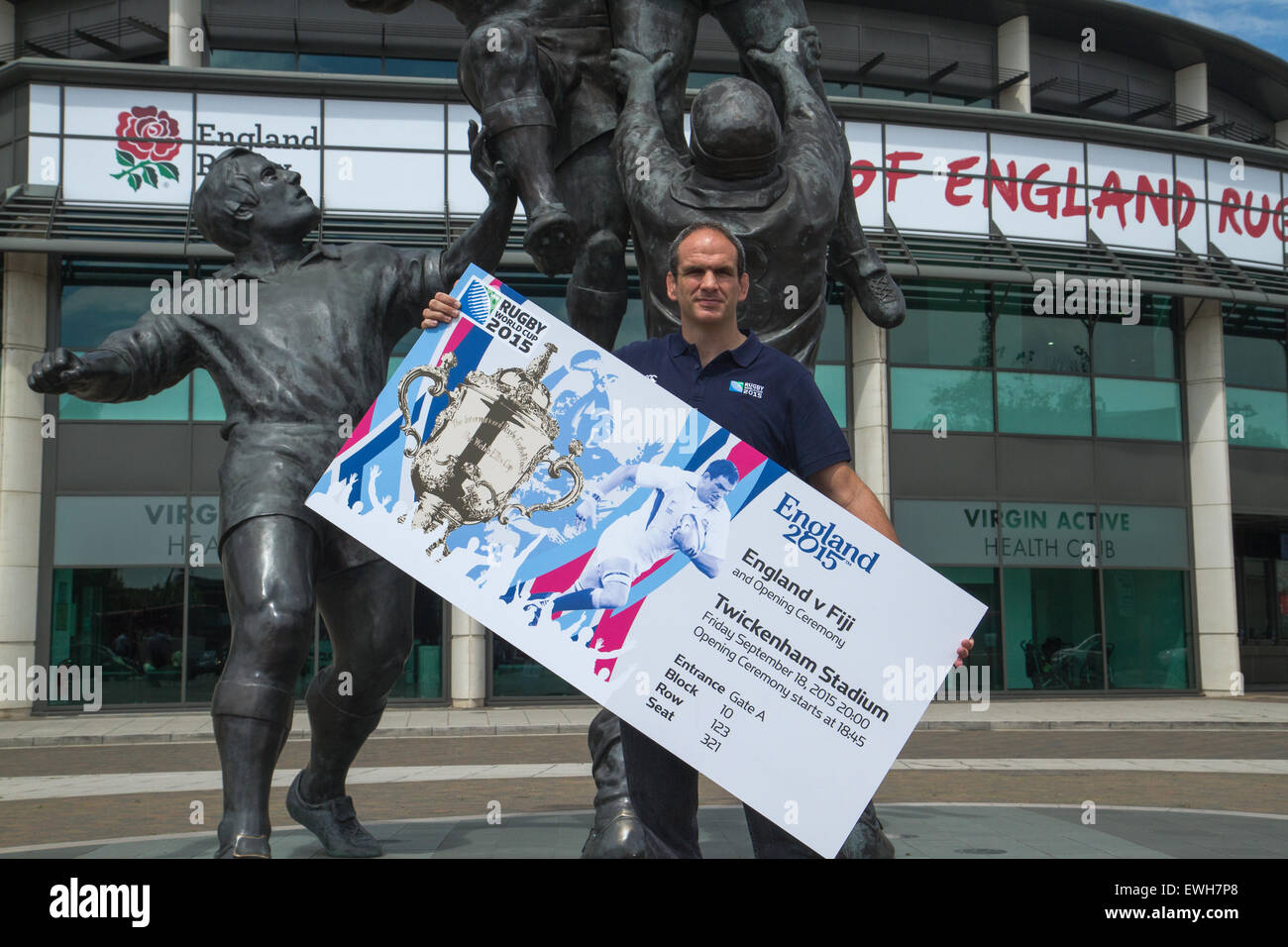
The 2015 Rugby World Cup tickets were sold primarily through a centralized official portal in phased releases, starting with a public ballot in September 2014. Prices for adult tickets ranged from £15 for pool matches to £715 for the final at Twickenham, with child tickets offered for as low as £7.
The Historical Context of the 2015 Ticketing Strategy
As we look back from 2026, the 2015 Rugby World Cup (RWC 2015) remains a benchmark for sports event management and ticketing transparency. Hosted in England and Wales, the tournament aimed to be the most accessible and widely attended in the history of the sport. The organizing body, England Rugby 2015 (ER2015), in conjunction with World Rugby, designed a ticketing strategy intended to balance record-breaking revenue goals with the need to fill stadiums for Tier 2 nations.
The availability of 2.45 million tickets was a massive undertaking, requiring a robust digital infrastructure. Unlike previous iterations where various regional agencies might have had a hand in distribution, the 2015 tournament utilized a single, official ticketing website. This centralization was a prerequisite for controlling the market and mitigating the influence of unauthorized secondary sellers, a growing concern in the mid-2010s.
The Phased Application and Purchase Process
The procurement of tickets for RWC 2015 was not a simple transaction but a multi-stage process that began more than a year before the opening ceremony. This structure was designed to manage the immense demand for high-profile fixtures, such as those involving the host nation, England, and the perennial favorites, the New Zealand All Blacks.
The Rugby Community Phase (May – June 2014)
Long before the general public could apply, tickets were made available to the "Rugby Community." This included members of rugby clubs affiliated with the RFU (Rugby Football Union) and the WRU (Welsh Rugby Union). The intent was to ensure that those who actively participate in and support the grassroots game had the first opportunity to secure seats. Approximately 500,000 tickets were allocated during this phase.
The General Public Ballot (September 2014)
The most significant phase was the application window that ran from September 12 to September 29, 2014. During this period, fans could apply for tickets for any of the 48 matches. This was not a "first-come, first-served" system; rather, it was a ballot. If a match was oversubscribed—which most high-profile games were—a computerized draw took place to determine the successful applicants. Applicants were notified of their results in October 2014, providing a clear timeline for fans to plan travel and accommodation.
General Sale and Real-Time Availability (2015)
Any tickets remaining after the ballot, or those that were not paid for, were placed on general sale in November 2014 and throughout the first half of 2015. During this stage, the "first-come, first-served" rule applied. The official website provided a "traffic light" system to indicate availability: green for available, amber for limited, and red for sold out.
Official Pricing Structure and Tiers
The 2015 Rugby World Cup employed a four-tier pricing model (Categories A, B, C, and D) across all 13 venues. The goal was to provide options for both premium hospitality seekers and budget-conscious families.
Category A and B: The Premium Experience
Category A seats were typically located along the touchline in the lower and middle tiers of the stadiums, offering the best views of the pitch. Category B seats were also excellent, usually situated behind the Category A blocks or in the upper tiers near the halfway line. For the final at Twickenham, Category A tickets were priced at £715, reflecting the prestige of the event.
Category C and D: Accessibility and Inclusion
To maintain the atmosphere for matches between smaller nations, Category C and D tickets were priced aggressively. In the pool stages, adult tickets in Category D could be found for as little as £15. This was crucial for filling larger venues like Wembley Stadium and the Olympic Stadium for matches that might not have otherwise sold out.
Child Tickets and Family Pricing
One of the most praised aspects of the RWC 2015 pricing was the inclusion of child tickets. For 41 of the 48 matches, children aged 16 and under could purchase tickets for £7 or £15, depending on the match. This initiative saw over 500,000 tickets sold for £50 or less, significantly contributing to the family-friendly atmosphere that defined the tournament.
Detailed Pricing Comparison Table
The following table outlines the price ranges for the various stages of the tournament across the four ticket categories. These figures represent the standard adult pricing as of the official release.
| Tournament Stage | Category A | Category B | Category C | Category D |
|---|---|---|---|---|
| Pool Matches (Regular) | £85 - £250 | £60 - £150 | £45 - £85 | £15 - £50 |
| Pool Matches (Tier 2) | £50 - £85 | £35 - £60 | £20 - £35 | £15 - £20 |
| Quarter-Finals | £250 - £315 | £150 - £215 | £115 - £150 | £95 |
| Semi-Finals | £515 | £315 | £215 | £125 |
| Bronze Final | £175 | £125 | £85 | £50 |
| The Final | £715 | £515 | £315 | £150 |
Venue-Specific Availability and Demand
The availability of tickets was heavily dictated by the capacity and location of the 13 host venues. While Twickenham Stadium (82,000 capacity) and Wembley Stadium (90,000 capacity) offered the most seats, they also faced the highest demand.
Matches held at smaller venues, such as Kingsholm Stadium in Gloucester or Sandy Park in Exeter, presented a different challenge. With capacities under 20,000, these tickets were often harder to obtain during the general sale phase, as the local "rugby community" phase often depleted a significant portion of the available inventory.
Conversely, the Millennium Stadium in Cardiff played a vital role in tournament availability. As the only venue outside of England, it hosted eight matches, including two quarter-finals. Its 74,500-seat capacity provided a critical buffer for fans who were unable to secure tickets for matches in London or the North of England.
Security, Fraud Prevention, and the Official Resale Platform
To protect fans from the burgeoning secondary market and the risks of counterfeit tickets, ER2015 implemented a strict ticketing policy. Tickets were embedded with security features, and the terms and conditions explicitly prohibited the resale of tickets on unauthorized platforms like Viagogo or StubHub.
The Official Resale Service
In March 2015, the organizers launched the "Rugby World Cup 2015 Official Resale Service." This was a secure, transparent platform where fans who could no longer attend matches could sell their tickets at face value. This system was revolutionary at the time, as it ensured that buyers were getting genuine tickets while sellers were not profiting from the high demand. It remained the only legal way to exchange tickets once the primary sales windows had closed.
Anti-Touting Legislation
The UK government also supported the tournament by introducing specific legislation to deter ticket touting around the venues. Enforcement officers were present at matches to monitor illegal sales, further ensuring that the "Comprehensive Guide to Purchase" remained restricted to official channels. This proactive stance helped the tournament achieve a 98% attendance rate across all venues.
Analyzing the Statistical Success of the 2015 Sale
The 2015 Rugby World Cup remains a high-water mark for attendance in the sport. By the time the tournament concluded, approximately 2.47 million tickets had been sold. The financial success was equally notable, with ticket revenue exceeding £250 million, providing a significant windfall for World Rugby to reinvest in the global game.
The distribution of these tickets showed a broad demographic reach. Fans from over 150 countries purchased tickets, though the vast majority (approximately 85%) were bought by residents of the United Kingdom. This high domestic interest was a testament to the effective marketing and the perceived fairness of the ballot system.
FAQ
How could I check if my 2015 RWC tickets were genuine?
In 2015, the only way to verify tickets was to ensure they were purchased through the official tickets.rugbyworldcup.com portal or the official resale service. Genuine tickets featured specific holographic strips, thermal ink indicators, and unique barcodes that were scanned at the stadium gates. Any ticket purchased through a third-party auction site or a social media marketplace carried a high risk of being counterfeit or voided by the organizers.
Was there a limit on how many tickets one person could buy?
Yes, there were strict limits to prevent hoarding and unauthorized resale. During the initial ballot phase, applicants were generally limited to 4 tickets per match for high-demand fixtures (like the Final or England matches) and up to 15 tickets for lower-demand pool matches. These limits were enforced through the mandatory account registration process, which required a unique email address and credit card.
What happened to tickets that were not sold in the ballot?
Unsold tickets or those returned by sponsors were released back into the general pool for "first-come, first-served" sales. These releases happened periodically throughout 2015. The official RWC social media channels and email newsletters were the primary tools used to alert fans to these "surprise" inventory drops, which often included high-category seats for previously sold-out matches.
Could I upgrade my ticket category after purchase?
The official ticketing system did not support direct upgrades (e.g., changing a Category C ticket to a Category B ticket). However, fans were encouraged to use the official resale platform to sell their existing tickets and then purchase new tickets in the desired category if they were available. This ensured that every seat remained accounted for and that the pricing integrity was maintained.
Were there any discounts for senior citizens or students?
The 2015 ticketing structure prioritized family inclusion through the child ticket pricing (for those 16 and under), but it did not offer specific tiered discounts for senior citizens or students. The organizers argued that the wide range of prices in Categories C and D—starting at £15—made the tournament accessible to all demographic groups without the need for further specialized concessions.
Archival Recommendations for Researchers and Collectors
For those studying the 2015 Rugby World Cup from our current 2026 perspective, the ticketing data provides a wealth of insight into sports economics and fan behavior. If you are a collector looking for 2015 tickets as memorabilia, ensure you verify the provenance of the physical stubs. Original tickets from the Final or the "Japan vs. South Africa" match (the "Brighton Miracle") carry significant historical value.
Researchers looking for the full economic impact reports or technical white papers on the 2015 ticketing infrastructure should consult the World Rugby digital archives. These documents detail how the move to a centralized digital platform in 2015 paved the way for the mobile-first ticketing strategies seen in the 2023 and 2027 tournaments. Understanding the 2015 pricing and availability model is essential for anyone analyzing the commercial evolution of global rugby.