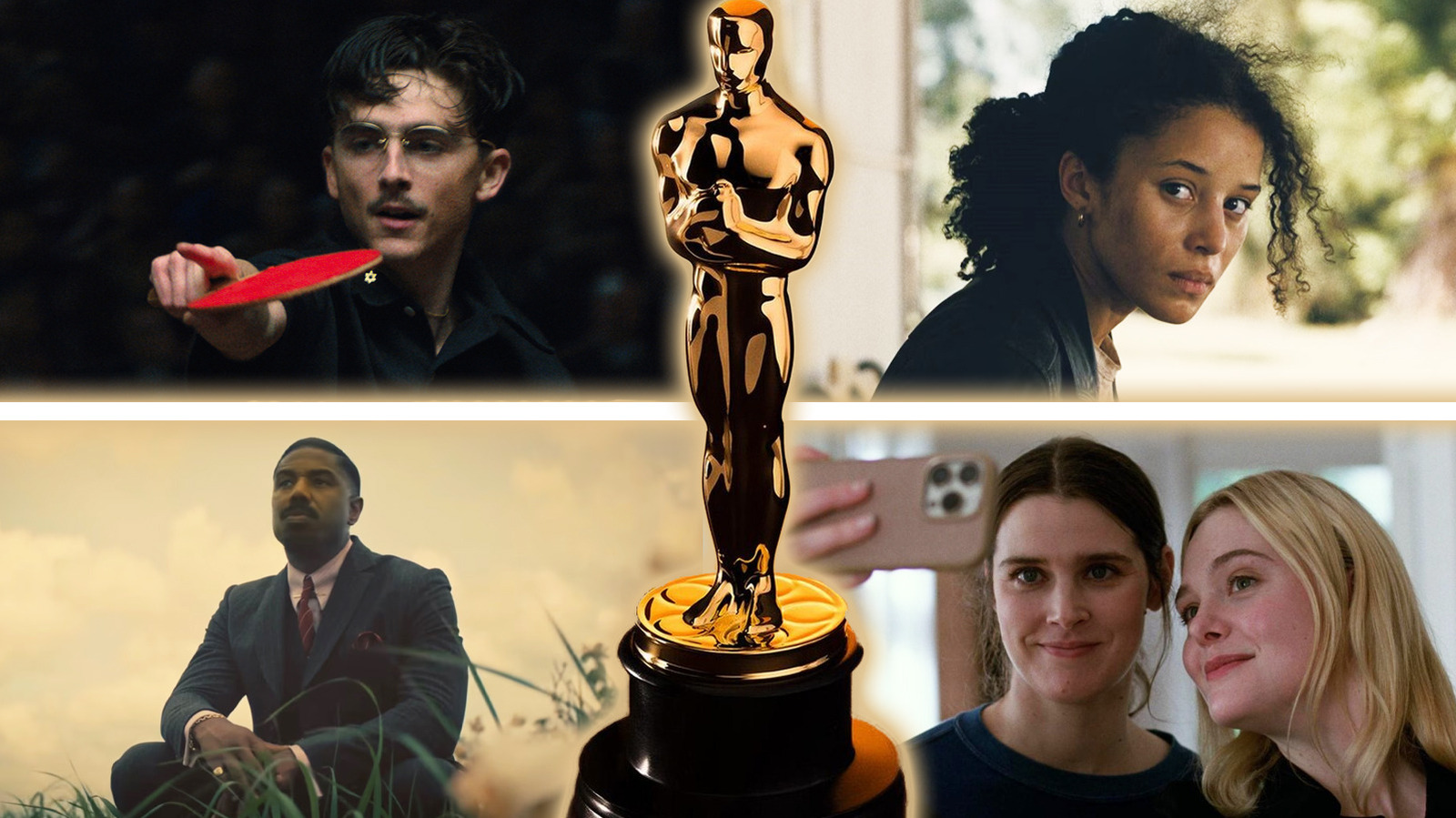
The 87th Academy Awards in 2015 featured eight Best Picture nominees: Birdman, The Grand Budapest Hotel, The Imitation Game, American Sniper, Boyhood, The Theory of Everything, Whiplash, and Selma. Birdman (or The Unexpected Virtue of Ignorance) won the top prize, marking a significant victory for experimental filmmaking and director Alejandro G. Iñárritu.
The Landscape of the 87th Academy Awards
The 2015 Oscars, held on February 22 at the Dolby Theatre in Hollywood, arrived during a transitional era for the American film industry. As we evaluate these films from the perspective of 2026, the 87th Academy Awards are frequently cited as a year where the tension between traditional biopics and avant-garde technical achievements reached a boiling point. The ceremony, hosted by Neil Patrick Harris, followed a year of cinema that was characterized by deep personal narratives and significant technological experimentation.
At the time, the Academy's "sliding scale" for Best Picture nominations meant that anywhere from five to ten films could be nominated. In 2015, only eight films secured enough first-place votes to make the cut. This era of the Oscars was also the beginning of heightened public scrutiny regarding industry diversity, as the 2015 acting nominees were entirely white, sparking the early stages of the #OscarsSoWhite movement. Despite this controversy, the Best Picture lineup remains one of the most critically respected of the 21st century, featuring several films that have since been cemented as modern classics.
Complete List of 2015 Best Picture Nominees
The following eight films represented the pinnacle of cinematic achievement for the 2014 calendar year. Each brought a unique narrative structure or technical innovation to the table, ranging from a 12-year production cycle to a film designed to look like a single, continuous take.
Birdman (or The Unexpected Virtue of Ignorance)
Directed by Alejandro G. Iñárritu, Birdman was the eventual winner of the Best Picture statuette. The film follows Riggan Thomson (Michael Keaton), a washed-up superhero actor attempting to reclaim his artistic integrity by staging a Broadway play.
The context of Birdman is inseparable from its technical execution. Shot by Emmanuel Lubezki, the film was meticulously edited to appear as one continuous shot. This immersion forced the audience into Riggan’s deteriorating psyche and the claustrophobic hallways of the St. James Theatre. Beyond its technical prowess, the film served as a meta-commentary on the film industry, the ego of the artist, and the struggle between "celebrity" and "substance."
Boyhood
Richard Linklater’s Boyhood was the primary critical frontrunner for much of the 2015 awards season. Its premise was unprecedented: Linklater filmed the same cast over 12 years (2002–2013) to capture the genuine aging process of its protagonist, Mason Evans Jr. (Ellar Coltrane).
The film is a landmark of "slow cinema" in a mainstream context. It eschews traditional dramatic beats—there are no major car crashes or high-stakes villains—focusing instead on the quiet, incremental moments that shape a human life. While it ultimately lost Best Picture to Birdman, its production history remains one of the most ambitious undertakings in the history of independent film.
The Grand Budapest Hotel
Wes Anderson’s The Grand Budapest Hotel marked the director’s most significant Academy recognition to date. Set in a fictional European country between the World Wars, the film tells the story of Gustave H. (Ralph Fiennes), a legendary concierge at a famous European hotel, and Zero Moustafa, the lobby boy who becomes his most trusted friend.
The film is celebrated for its precise symmetrical framing, vibrant color palettes, and intricate world-building. Contextually, it represented the Academy's growing appreciation for highly stylized, "auteur" comedies that would typically be overlooked in favor of heavy dramas. It won four Oscars, primarily in the technical categories of Costume Design, Makeup and Hairstyling, and Production Design.
Whiplash
Whiplash, directed by Damien Chazelle, was the "small film" that made a massive impact. Produced on a modest budget, the film depicts the intense, often abusive relationship between a jazz drumming student (Miles Teller) and his uncompromising instructor (J.K. Simmons).
The film's inclusion in the Best Picture list was a testament to its tight editing and powerhouse performances. J.K. Simmons’ portrayal of Fletcher became an instant cinematic icon of the "tough love" mentor pushed to a villainous extreme. Whiplash was a critical darling that helped launch Chazelle into the directorial A-list, leading to his later success with La La Land.
The Imitation Game
Morten Tyldum’s The Imitation Game is a classic historical biopic focused on Alan Turing (Benedict Cumberbatch), the British mathematician who led the team that cracked the German Enigma code during World War II.
The film provided essential historical context for Turing’s contributions to computer science and the tragic persecution he faced due to his homosexuality. While some historians criticized the film for its narrative liberties, it was a massive commercial success and a staple of the "prestige biopic" genre that the Academy historically favors.
The Theory of Everything
In a year of British biopics, The Theory of Everything focused on the life of theoretical physicist Stephen Hawking (Eddie Redmayne) and his relationship with his wife, Jane Hawking (Felicity Jones).
Directed by James Marsh, the film leaned heavily into the personal and romantic life of Hawking, rather than just his scientific achievements. Eddie Redmayne’s transformative performance earned him the Best Actor Oscar, and the film’s inclusion in the Best Picture category highlighted the Academy's affinity for narratives involving triumph over physical adversity.
American Sniper
Clint Eastwood’s American Sniper was the highest-grossing film among the nominees, becoming a massive cultural phenomenon in the United States. Based on the memoir of Navy SEAL sniper Chris Kyle (Bradley Cooper), the film explores the psychological toll of war and the complexities of the Iraq War veteran experience.
The film’s presence in the Best Picture category was controversial, sparking debates about the glorification of war and the accuracy of the source material. However, its box office dominance and Eastwood’s veteran status in Hollywood made it a formidable contender that resonated with a large segment of the American voting body.
Selma
Directed by Ava DuVernay, Selma chronicles the 1965 voting rights marches from Selma to Montgomery led by James Bevel, Hosea Williams, Martin Luther King Jr., and John Lewis.
Despite being one of the most critically acclaimed films of the year, Selma was at the center of the 2015 Oscar controversy. While it secured a Best Picture nomination, DuVernay was snubbed for Best Director and David Oyelowo was snubbed for Best Actor. This disconnect led to a wider discussion about institutional bias within the Academy, though the film’s Best Picture nomination cemented its importance as a definitive historical drama of the Civil Rights Movement.
Comparative Overview of the 2015 Nominees
To better understand the diversity of the 2015 field, the following table compares the nominees across several key metrics, including their primary genre and major Academy Award outcomes.
| Film Title | Director | Primary Genre | Major Academy Award Win |
|---|---|---|---|
| Birdman | Alejandro G. Iñárritu | Dark Comedy / Drama | Best Picture, Best Director |
| Boyhood | Richard Linklater | Coming-of-Age | Best Supporting Actress |
| The Grand Budapest Hotel | Wes Anderson | Comedy | Best Production Design |
| The Imitation Game | Morten Tyldum | Historical Biopic | Best Adapted Screenplay |
| American Sniper | Clint Eastwood | War Drama | Best Sound Editing |
| The Theory of Everything | James Marsh | Biographical Drama | Best Actor |
| Whiplash | Damien Chazelle | Psychological Drama | Best Supporting Actor |
| Selma | Ava DuVernay | Historical Drama | Best Original Song |
The Impact of the 2015 Best Picture Race
The 2015 Best Picture race was characterized by a clash of cinematic philosophies. On one side was Boyhood, a film that championed the passage of time and observational realism. On the other was Birdman, which utilized high-concept technical mastery and frenetic energy. The victory of Birdman signaled a period where the Academy began favoring films that showcased the "craft" of filmmaking in overt, undeniable ways.
Furthermore, the 2015 nominees showcased the rise of "independent-style" films within the Academy system. Most of the nominees were produced or distributed by "prestige" arms of major studios (such as Fox Searchlight or Sony Pictures Classics) or independent financiers. This trend has continued through 2026, where mid-budget dramas often find more success at the Oscars than traditional high-budget studio blockbusters.
The social context of the 2015 awards also led to significant structural changes within the Academy of Motion Picture Arts and Sciences (AMPAS). The backlash regarding the lack of diversity among the nominees in 2015 and 2016 eventually prompted the Academy to double its number of women and diverse members, a shift that has fundamentally altered the voting demographics and the types of films that have won Best Picture in the decade since.
Legacy of the Nominated Films in 2026
Looking back from 2026, the 2015 Best Picture list has aged remarkably well. Whiplash is frequently cited in film schools for its rhythm and editing. The Grand Budapest Hotel remains a high-water mark for production design and has inspired an entire aesthetic movement in social media and interior design. Birdman continues to be debated for its technical "gimmick" versus its narrative depth, and Boyhood stands as a singular achievement in the history of long-term production.
Even the biopics, which are often the first to fade from public memory, maintain relevance. The Imitation Game is recognized for bringing Alan Turing's story to the global mainstream, contributing to the posthumous pardons and recognitions he received. These eight films, though different in tone and scope, collectively represent a year when cinema felt both deeply personal and technically adventurous.
Frequently Asked Questions
Why were there only 8 nominees for Best Picture in 2015?
The Academy's rules for Best Picture at the time required a film to receive at least 5% of the first-place votes from the voting body. This meant the number of nominees could vary between five and ten. In 2015, only eight films met this specific threshold of support.
Who was the host of the 2015 Oscars?
Neil Patrick Harris hosted the 87th Academy Awards. His performance included a notable opening musical number titled "Moving Pictures" and a famous gag where he appeared on stage in his underwear, parodying a scene from the Best Picture winner, Birdman.
Was Birdman's "one shot" real or a trick?
It was a sophisticated technical achievement using "invisible cuts." While the film appears to be one continuous take, it was actually filmed in several long sequences (some lasting up to 10-15 minutes) and stitched together during post-production using clever camera movements and digital blending.
What was the biggest controversy of the 2015 Oscars?
The "Oscars So White" controversy was the most significant issue. Despite the critical success of Selma, no actors of color were nominated in the four acting categories, and Ava DuVernay was excluded from the Best Director category, leading to widespread calls for reform within the Academy.
Which 2015 nominee was the most successful at the box office?
American Sniper was the most commercially successful, grossing over $547 million worldwide. This made it a rare instance of a massive box office hit also securing a Best Picture nomination, a trend that has become less common in the years leading up to 2026.
How to Explore These Modern Classics
For students of cinema or casual viewers, the 2015 Best Picture nominees offer a comprehensive "crash course" in various styles of filmmaking. To get the most out of these films, it is recommended to watch them in pairs that highlight their contrasting styles:
- Technical Prowess: Watch Birdman and Whiplash back-to-back to see how editing and cinematography can create a sense of frantic energy and tension.
- Biographical Storytelling: Compare The Imitation Game and The Theory of Everything to see how British cinema approaches the lives of iconic intellectual figures.
- Auteur Vision: Contrast the meticulous, artificial world of Wes Anderson’s The Grand Budapest Hotel with the raw, long-term realism of Richard Linklater’s Boyhood.
By studying these films, you gain an understanding of a pivotal year that reshaped the Academy's identity and set the stage for the diverse and technically bold winners of the following decade.