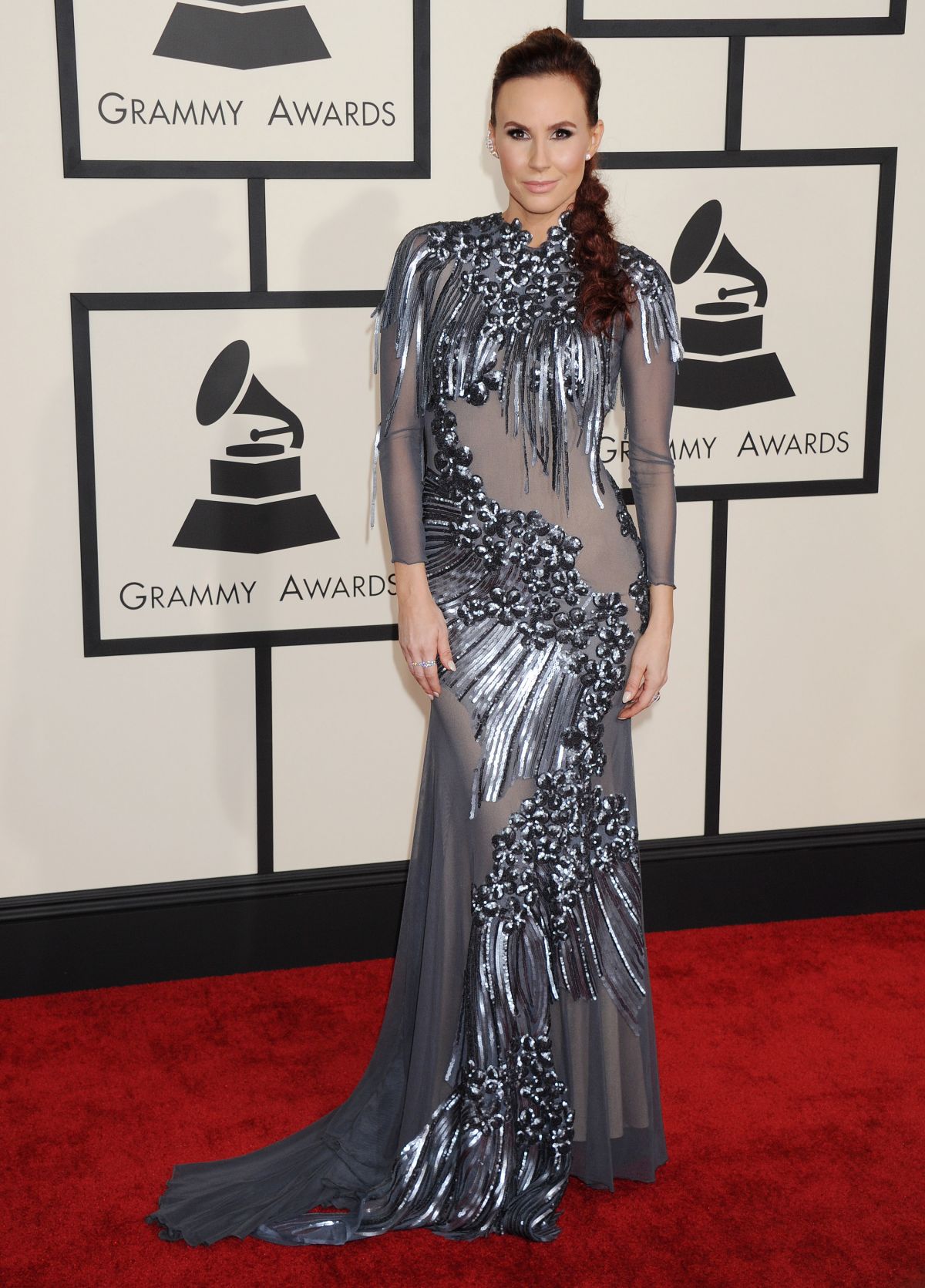
The 2015 Grammy Awards, officially known as the 57th Annual Grammy Awards, took place on February 8, 2015, at the Staples Center in Los Angeles. This ceremony was defined by Sam Smith’s dominant four-win sweep, Beck’s unexpected Album of the Year victory, and a series of high-concept performances that solidified the event's reputation as "Music's Biggest Night."
Overview of the 57th Annual Grammy Awards Ceremony
The 2015 Grammy Awards served as a pivotal moment for the music industry, capturing a period where traditional soul and singer-songwriter craftsmanship faced off against the burgeoning dominance of high-concept pop and hip-hop. Hosted by LL Cool J for the fourth consecutive year, the ceremony was broadcast live by CBS. The eligibility period for the 57th awards ran from October 1, 2013, to September 30, 2014, a window that saw the release of some of the most enduring hits of the decade.
The atmosphere of the 2015 ceremony was notably more somber and performance-focused than in previous years. The Recording Academy prioritized "Grammy Moments"—unique collaborations between legendary artists and contemporary stars. This strategic shift resulted in a telecast that felt more like a curated concert than a standard awards show. From the high-energy opening by AC/DC to the emotionally charged "Take My Hand, Precious Lord" by Beyoncé, the night was structured to honor the technical proficiency and emotional resonance of live music.
In terms of viewership, the 2015 ceremony attracted approximately 25.3 million viewers. While this was a slight decline from the record-breaking numbers of the early 2010s, it remained a dominant cultural force. The 57th Grammys also marked a significant year for social media engagement, with real-time reactions to the winners and performances generating millions of interactions across platforms that were then reaching their maturity.
The Dominance of Sam Smith and the "Big Four" Categories
The headline story of the 2015 Grammy Awards was undoubtedly the meteoric rise of British singer-songwriter Sam Smith. Entering the night with six nominations, Smith secured wins in three of the "Big Four" general field categories: Record of the Year, Song of the Year, and Best New Artist. Their hit single "Stay with Me (Darkchild Version)" became the anthem of the ceremony, praised for its gospel-infused production and Smith’s vulnerable vocal delivery.
Sam Smith’s success represented a return to the classic pop-soul aesthetic. During their acceptance speeches, Smith was candid about their journey, famously thanking the person they fell in love with for "breaking my heart, because you got me four Grammys." This narrative of heartbreak-turned-triumph resonated deeply with the Academy's voting block, which often favors traditional vocalists with strong narrative arcs.
However, the sweep was incomplete. While Smith took home Best Pop Vocal Album for In the Lonely Hour, the evening’s most prestigious prize—Album of the Year—went to an unexpected recipient. This distinction created a divide in the ceremony’s legacy, contrasting Smith’s commercial dominance with the critical recognition of industry veterans.
The Album of the Year Controversy: Beck vs. Beyoncé
The most discussed moment of the 2015 Grammy Awards occurred when Beck’s Morning Phase was announced as the winner of Album of the Year. Beck beat out several heavyweights, including Sam Smith, Pharrell Williams, Ed Sheeran, and, most notably, Beyoncé’s self-titled visual album. The win was a shock to many, as Beyoncé’s BEYONCÉ had revolutionized the industry with its surprise release and cohesive visual storytelling.
The controversy was amplified when Kanye West briefly walked onto the stage as Beck was accepting his award, echoing his infamous 2009 VMA interruption of Taylor Swift. While West initially appeared to be joking, he later clarified in post-show interviews that he felt the Recording Academy should "stop playing with us" and that Beck should have "respected artistry" by giving the award to Beyoncé.
From a technical standpoint, Morning Phase was a masterclass in folk-rock production, often cited as a spiritual successor to Beck’s 1998 album Sea Change. It won Best Rock Album and Best Engineered Album, Non-Classical, highlighting the Academy’s appreciation for the technical craftsmanship of the recording. Nevertheless, the debate over whether the Grammys favored traditional, "instrument-based" artistry over the innovative, culturally shifting work of Black artists remained a central theme of the 2015 post-event analysis.
Key Winners Across Major Genres
Beyond the "Big Four," the 2015 Grammy Awards recognized a diverse array of talent across multiple genres. The distribution of awards in 2015 showed a commitment to honoring both established legends and the "next generation" of genre leaders.
| Category | Winner | Work |
|---|---|---|
| Best Pop Solo Performance | Pharrell Williams | "Happy (Live)" |
| Best Rock Performance | Jack White | "Lazaretto" |
| Best Rap Performance | Kendrick Lamar | "i" |
| Best Country Album | Miranda Lambert | Platinum |
| Best R&B Performance | Beyoncé feat. Jay-Z | "Drunk in Love" |
| Best Dance/Electronic Album | Aphex Twin | Syro |
| Best Urban Contemporary Album | Pharrell Williams | Girl |
| Best Alternative Music Album | St. Vincent | St. Vincent |
Pharrell Williams had a particularly successful night, winning three awards, including Best Pop Solo Performance for a live version of his global smash "Happy." His win in the Best Urban Contemporary Album category (a category that has since been renamed) further solidified his influence as both a performer and a producer.
In the Rap categories, Kendrick Lamar saw significant redemption. After being famously shut out in 2014, Lamar won Best Rap Performance and Best Rap Song for "i." This marked the beginning of his dominant run at the Grammys, signaling a shift in the Academy's willingness to reward socially conscious lyricism over purely commercial rap hits.
Standout Performances and Technical Highlights
The 2015 ceremony was lauded for its production value. One of the most technically ambitious performances of the night was Sia’s "Chandelier." Rather than appearing on stage herself, Sia performed with her back to the audience while actress Kristen Wiig and dancer Maddie Ziegler delivered an interpretative dance in a room set that mimicked the song's music video. This was a radical departure from standard award show choreography and remains one of the most memorable moments in Grammy history.
Another highlight was the debut of "FourFiveSeconds," performed by Rihanna, Kanye West, and Paul McCartney. The minimalist performance mirrored the song’s stripped-back production, focusing on the raw vocal power of the trio. The collaboration exemplified the 2015 theme of bridging the gap between legacy artists and modern superstars.
On the technical side, the 57th Grammys utilized advanced sound engineering to manage the diverse range of acoustic and electronic performances. The transition from the heavy rock sound of AC/DC to the intimate, quiet moments of Ed Sheeran’s "Thinking Out Loud" required precision in live mixing. The Recording Academy’s emphasis on "live" sound—even if augmented by backing tracks—was a response to criticisms of over-produced telecasts.
Critical Analysis and Cultural Impact
Looking back from 2026, the 2015 Grammy Awards are viewed as a transitional period for the music industry. It was one of the last major ceremonies where physical and digital sales were the primary metrics of success before the complete takeover of streaming services. The winners reflected a voting body that was beginning to grapple with the changing definition of "prestige" in music.
The "Beck vs. Beyoncé" debate is now studied as a landmark case in the discussion of systemic bias within the Academy. While Beck’s talent was undeniable, the outcry over Beyoncé’s loss led to internal reviews of the voting process and a push for a more diverse and younger voting membership. This shift eventually paved the way for more diverse winners in the late 2010s and early 2020s.
Furthermore, the 2015 Grammys reinforced the importance of the "vocalist." In an era where EDM and electronic production were at their peak, the success of Sam Smith, Hozier (nominated for Song of the Year for "Take Me to Church"), and Meghan Trainor suggested that audiences—and voters—still valued the human voice and traditional songwriting structures above all else.
Frequently Asked Questions
Who won the most awards at the 2015 Grammys?
Sam Smith was the most awarded artist of the night, winning four Grammys. Their wins included Best New Artist, Record of the Year, Song of the Year (all for "Stay with Me"), and Best Pop Vocal Album (for In the Lonely Hour). This achievement made them the first artist in years to nearly sweep the "Big Four" categories.
Why was Beck winning Album of the Year considered a surprise?
Beck’s win was a surprise because he was competing against Beyoncé’s critically acclaimed and commercially massive self-titled album, as well as Sam Smith’s In the Lonely Hour. Most critics and bookmakers predicted Beyoncé would win due to her album's cultural impact and the innovative "visual album" format she introduced.
Did Kanye West actually interrupt Beck's speech?
Kanye West walked onto the stage as Beck was receiving his award but turned around and sat back down before saying anything into the microphone. While it initially looked like a self-aware joke referencing his 2009 interruption of Taylor Swift, he later confirmed in an interview with E! that he was serious and believed Beyoncé should have won.
What were the most notable performances of the 2015 ceremony?
Notable performances included AC/DC’s opening medley of "Rock or Bust" and "Highway to Hell," Sia’s "Chandelier" featuring Kristen Wiig, the collaboration of Rihanna, Kanye West, and Paul McCartney on "FourFiveSeconds," and Beyoncé’s powerful rendition of the gospel hymn "Take My Hand, Precious Lord."
Who hosted the 2015 Grammy Awards?
The ceremony was hosted by rapper and actor LL Cool J. This was his fourth consecutive year as the master of ceremonies, and he was praised for his professional and steady presence throughout the nearly four-hour broadcast.
How to Explore the 2015 Grammy Legacy
To fully appreciate the impact of the 2015 Grammy Awards, listeners should revisit the primary nominated albums of that year. Listening to Beck’s Morning Phase alongside Beyoncé’s BEYONCÉ provides a clear perspective on the two different philosophies of music production that were at odds during the ceremony. Additionally, Sam Smith’s In the Lonely Hour remains a definitive example of mid-2010s pop-soul.
For those interested in the technical side of the industry, reviewing the "Best Engineered Album" and "Producer of the Year" categories from 2015 offers insight into the sound standards of the era. Many of the techniques used in the production of "Stay with Me" and "Morning Phase" set the stage for the high-fidelity, intimate vocal recordings that have dominated the charts leading up to 2026.