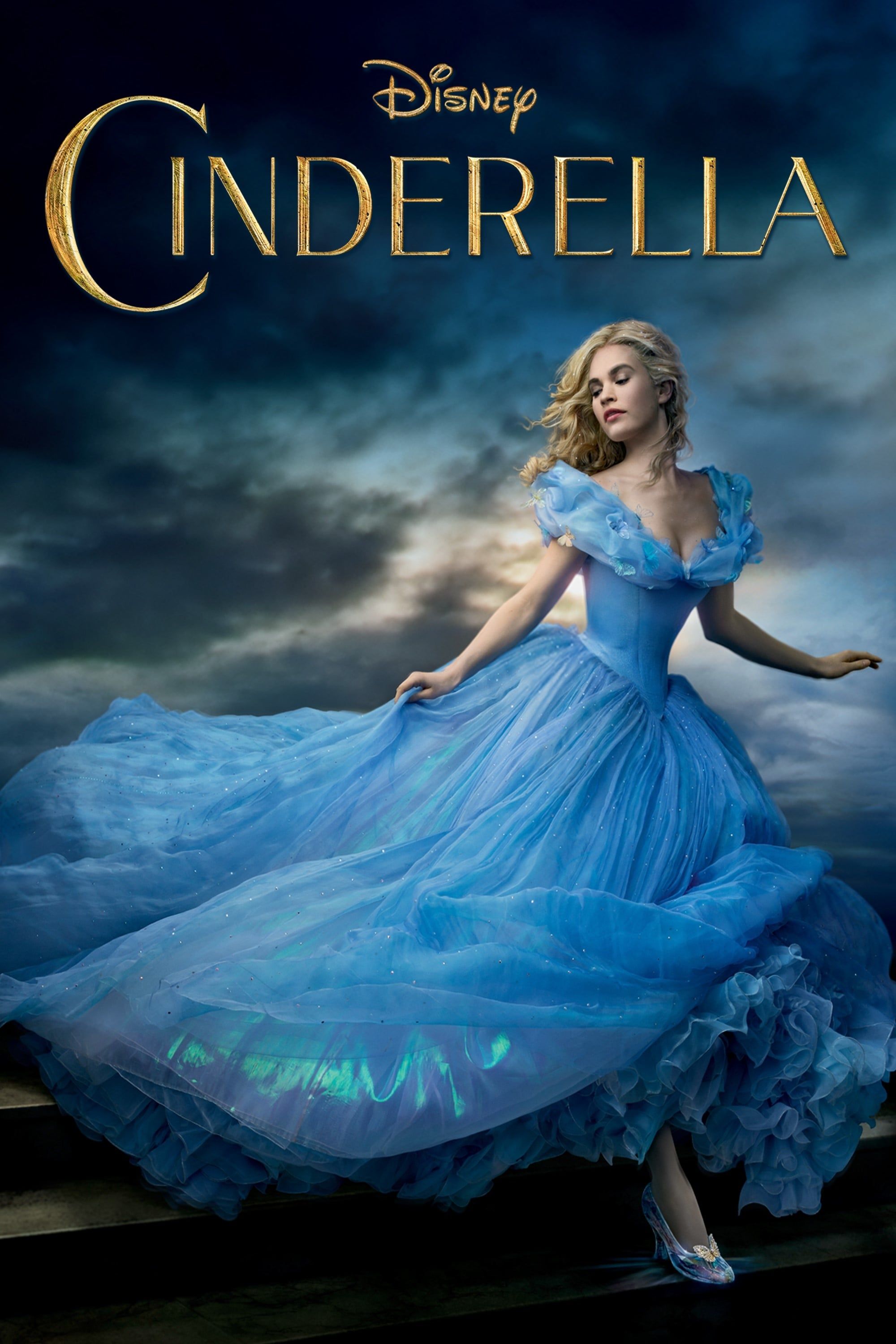
The 2015 film releases were defined by the resurgence of "legacy sequels" and record-shattering box office performances. This pivotal year saw the return of the Star Wars and Jurassic Park franchises, alongside critically acclaimed masterpieces like Mad Max: Fury Road and the Academy Award-winning Spotlight, effectively bridging the gap between blockbuster spectacle and high-brow artistry.
The Return of the Mega-Franchise and the Legacy Sequel
In the history of modern cinema, 2015 stands as the year the "legacy sequel" became the dominant industry model. This strategy involves reviving a dormant but beloved intellectual property (IP) by introducing a new generation of characters while maintaining continuity with the original stars. No film exemplified this better than Star Wars: Episode VII – The Force Awakens. Directed by J.J. Abrams, the film served as both a continuation of the original trilogy and a soft reboot for Disney’s newly acquired Lucasfilm. It eventually grossed over $2 billion worldwide, proving that nostalgic demand remained a potent force in global markets.
Parallel to the success of Star Wars, Universal Pictures saw unprecedented returns with Jurassic World. After a fourteen-year hiatus following the third installment, the franchise returned with Chris Pratt in the lead, tapping into a combination of nostalgia and advanced CGI spectacles. These releases signaled a shift in Hollywood’s risk assessment, where studios began prioritizing established "universes" over original concepts. This trend was further cemented by Creed, which revitalized the Rocky franchise, and Spectre, which continued the gritty modernization of James Bond.
The financial impact of these 2015 film releases cannot be overstated. For the first time in history, five different films crossed the $1 billion mark in a single calendar year. This surge in revenue was fueled by the rapid expansion of the Chinese theatrical market and an increasing reliance on IMAX and 3D formats to drive higher ticket prices. The year proved that while mid-budget films were beginning to struggle, the "tentpole" blockbuster was more powerful than ever.
Critical Milestones and the 88th Academy Awards
While the box office was dominated by sequels, the critical landscape of 2015 was remarkably diverse, featuring films that pushed the boundaries of narrative and technical execution. The 88th Academy Awards, held in early 2016, reflected a year of intense competition. Spotlight, directed by Tom McCarthy, ultimately took home the Best Picture Oscar. The film, a methodical procedural about the Boston Globe's investigation into systemic child sex abuse within the Catholic Church, was praised for its restraint and ensemble acting, serving as a tribute to the importance of investigative journalism.
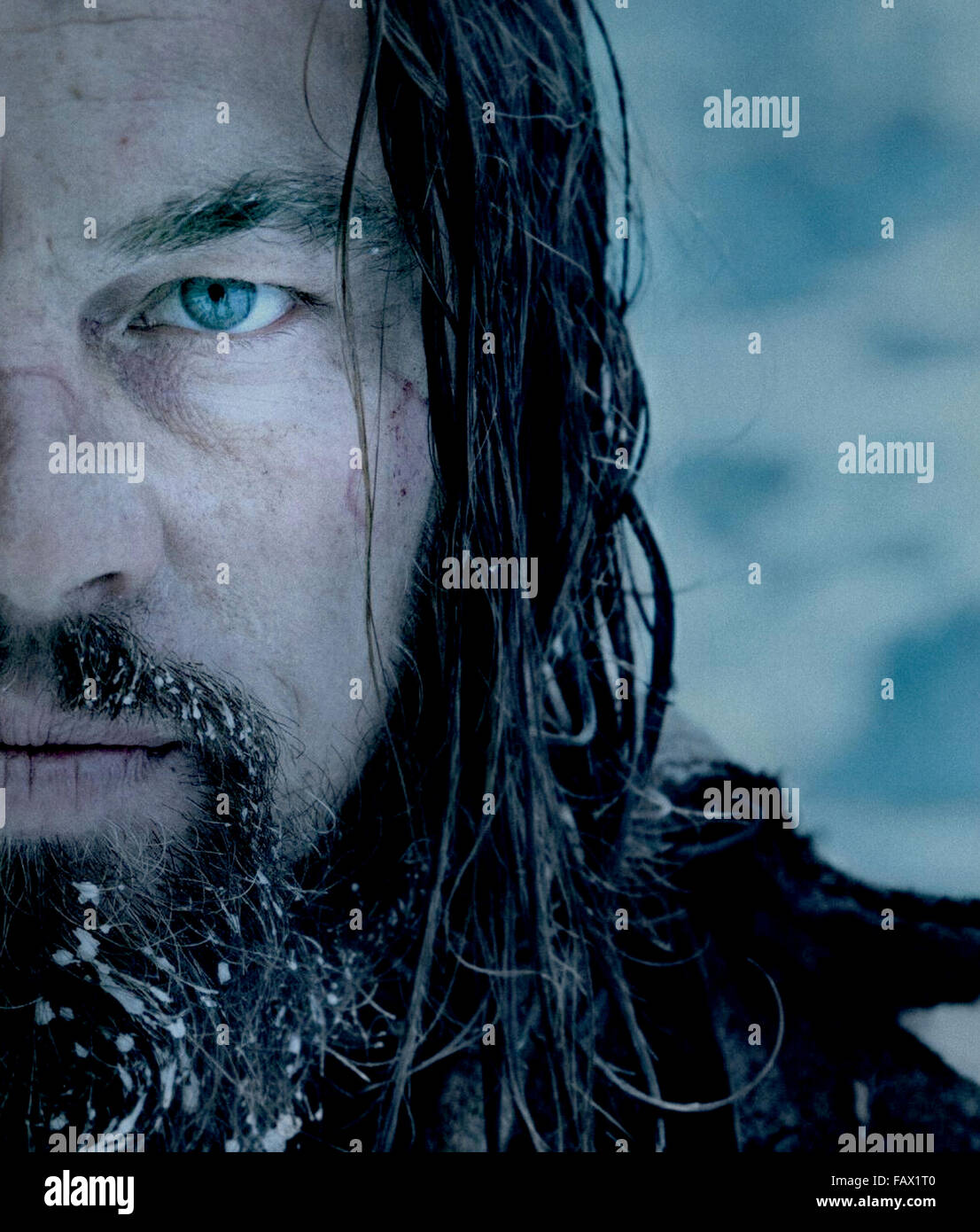
Another significant contender was The Revenant, directed by Alejandro Gñárritu. Known for its grueling production in the remote wilderness of Canada and Argentina, the film finally earned Leonardo DiCaprio his first Academy Award for Best Actor. The production was famous for using only natural light, a decision made by cinematographer Emmanuel Lubezki, who won his third consecutive Oscar for the feat. The film’s success demonstrated that audiences were still willing to show up for challenging, R-rated historical dramas if they offered a visceral, "must-see" theatrical experience.
Other notable critical successes included:
- The Big Short: Adam McKay’s frantic, comedic breakdown of the 2008 financial crisis.
- Room: A harrowing but hopeful adaptation of Emma Donoghue's novel, which earned Brie Larson an Oscar for Best Actress.
- Carol: Todd Haynes’ visually stunning 1950s romance, which was hailed as a masterpiece of queer cinema.
- Bridge of Spies: A classic Cold War thriller from Steven Spielberg that showcased Tom Hanks’ enduring reliability as a leading man.
Innovation in Visual Effects and Practical Stuntwork
The 2015 film releases marked a turning point in the ongoing debate between practical effects and Computer Generated Imagery (CGI). Mad Max: Fury Road, directed by George Miller, became the gold standard for modern action filmmaking. Despite being in "development hell" for over a decade, the film utilized thousands of practical stunts and real vehicles in the Namibian desert. While CGI was used to enhance the environment and remove safety rigs, the tangible weight of the action resonated with audiences and critics alike, earning the film ten Academy Award nominations and six wins, primarily in technical categories.
Conversely, 2015 also showcased the emotional power of digital effects. In Furious 7, the production faced the tragic loss of lead actor Paul Walker during filming. Through a combination of "digital double" technology created by Weta Digital and the use of Walker’s brothers as body doubles, the filmmakers were able to complete his arc. The resulting film was not only a massive financial success but also served as a culturally significant tribute, proving that visual effects could be used to handle sensitive human narratives, not just explosions.
Furthermore, The Martian, directed by Ridley Scott, utilized high-end digital rendering to create a scientifically plausible Mars. The film was a rare "hard sci-fi" hit, balancing technical accuracy with a charismatic performance by Matt Damon. It reinforced the idea that visual effects are most effective when they serve a grounded, character-driven story rather than overwhelming it.
The Independent Cinema Renaissance and A24’s Rise
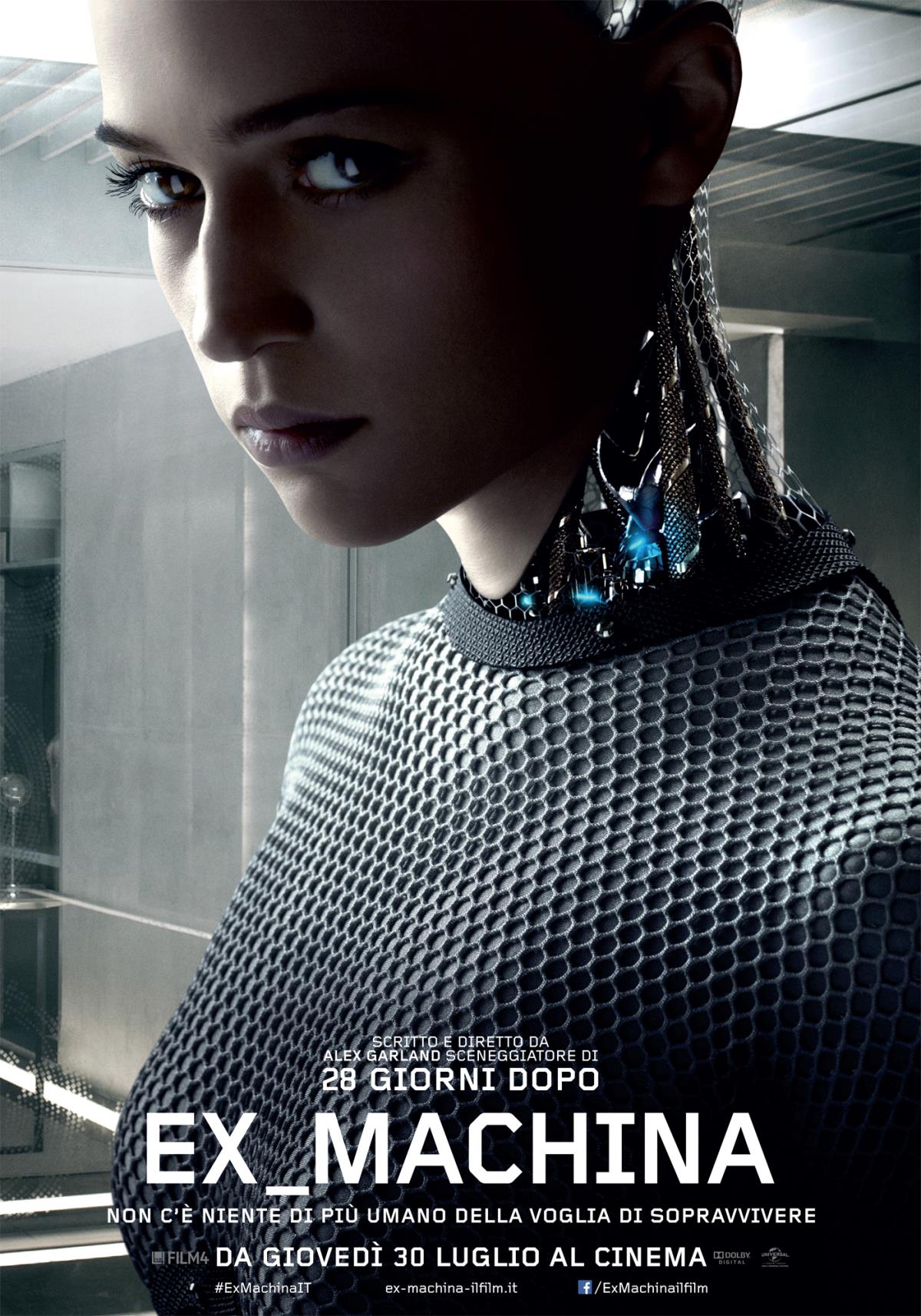
While the majors focused on billion-dollar franchises, 2015 was a foundational year for the modern independent film landscape, particularly for the studio A24. The company released several films that have since become cult classics and helped define the "prestige indie" aesthetic of the late 2010s and early 2020s. Ex Machina, Alex Garland’s directorial debut, explored the ethics of artificial intelligence with a claustrophobic, tense atmosphere. It won the Oscar for Best Visual Effects, a rare feat for a low-budget independent production competing against massive blockbusters.
The year also saw the release of The Witch, Robert Eggers’ folk-horror debut, which premiered at Sundance in 2015 before its wider release. It helped spark a movement often referred to as "elevated horror," focusing on atmosphere, historical accuracy, and psychological depth over traditional jump scares. Similarly, Tangerine, directed by Sean Baker, gained notoriety for being shot entirely on three iPhone 5S smartphones. The film followed two transgender sex workers in Los Angeles and was praised for its vibrant energy and groundbreaking casting, proving that high-quality storytelling no longer required traditional, expensive camera rigs.
The success of these films indicated a growing appetite for original voices. Audiences were beginning to look toward boutique distributors to find the creativity that was increasingly missing from the homogenized world of franchise filmmaking. This "indie boom" of 2015 set the stage for the diverse, creator-led content that would eventually dominate the streaming era.
Comparative Data: Top-Grossing 2015 Film Releases
The following table outlines the five highest-grossing 2015 film releases based on their total worldwide box office earnings. These figures represent the massive global reach of Hollywood during this period.
| Film Title | Studio | Worldwide Gross (Approx.) | Primary Genre |
|---|---|---|---|
| Star Wars: The Force Awakens | Walt Disney | $2.068 Billion | Sci-Fi / Space Opera |
| Jurassic World | Universal | $1.671 Billion | Action / Sci-Fi |
| Furious 7 | Universal | $1.515 Billion | Action / Thriller |
| Avengers: Age of Ultron | Marvel / Disney | $1.405 Billion | Superhero |
| Minions | Universal / Illumination | $1.159 Billion | Animation / Comedy |
Data Source: Box Office Mojo
Animated Evolution and the Psychological Narrative
In the realm of animation, 2015 was a year of profound creative maturity. Pixar released Inside Out, a film that took place almost entirely within the mind of an 11-year-old girl. By personifying emotions like Joy, Sadness, Fear, Disgust, and Anger, the film provided a sophisticated vocabulary for children and adults to discuss mental health and the necessity of sadness in emotional growth. It was a critical and commercial triumph, winning the Academy Award for Best Animated Feature and reaffirming Pixar’s position as a leader in high-concept storytelling.
Meanwhile, the "minion-mania" reached its zenith with the release of Minions. While critically divergent from the depth of Pixar, it demonstrated the sheer power of character-based branding, becoming the second-highest-grossing animated film at the time. This contrast highlighted the two paths of modern animation: one focused on emotional complexity and the other on broad, global slapstick appeal.
Additionally, 2015 saw the release of Anomalisa, a stop-motion film for adults directed by Charlie Kaufman. Though it didn't achieve the box office heights of its CG counterparts, it pushed the medium of animation into deeply existential territory, exploring themes of loneliness and the mundanity of modern life. This diversity in the medium showed that animation was no longer just a "genre" for children but a versatile tool for any type of narrative.
The Cultural Legacy of 2015 in the 2026 Landscape
From the perspective of 2026, the 2015 film releases appear even more significant. They represented the peak of the theatrical experience before the "streaming wars" and the COVID-19 pandemic permanently altered viewing habits. The strategies born in 2015—specifically the "legacy sequel" and the interconnected cinematic universe—have become the standard operating procedure for every major studio.
However, the year also left a legacy of high-quality original filmmaking. Many of the directors who rose to prominence in 2015, such as Denis Villeneuve (who released Sicario that year), Greta Gerwig (who co-wrote and starred in Mistress America), and Alex Garland, are now the architects of the current 2026 cinematic landscape. The 2015 releases taught the industry that while sequels provide stability, original voices provide the longevity and cultural relevance necessary to keep the medium alive.
FAQ: Common Questions About 2015 Film Releases
What was the highest-grossing movie of 2015?
Star Wars: The Force Awakens was the highest-grossing film released in 2015. It earned over $2 billion at the global box office, becoming the fastest film to reach $1 billion at the time (in just 12 days). It revitalized the Star Wars brand for the Disney era and remains one of the most successful films in cinematic history.
Which 2015 film won the most Oscars?
Mad Max: Fury Road won the most Academy Awards at the 88th ceremony, taking home six Oscars. These wins were primarily in technical categories, including Best Film Editing, Best Production Design, Best Costume Design, Best Makeup and Hairstyling, Best Sound Mixing, and Best Sound Editing. Despite its heavy genre roots, it was also a Best Picture nominee.
Was 2015 a good year for horror films?
Yes, 2015 is often cited as the beginning of the "modern horror renaissance." Significant releases included The Witch, which introduced Robert Eggers and a more atmospheric "folk horror" style, and It Follows, which gained widespread acclaim for its unique metaphor for trauma and its 1980s-inspired synth score. These films helped shift horror away from the "found footage" trend of the previous decade.
Did Leonardo DiCaprio finally win an Oscar for a 2015 film?
Yes, Leonardo DiCaprio won the Academy Award for Best Actor for his role as Hugh Glass in The Revenant. His win followed years of memes and public anticipation, as he had been nominated several times previously without winning. His performance was noted for its physical intensity and minimal dialogue.
What original (non-sequel) films were successful in 2015?
Several original films achieved both critical and commercial success in 2015, including The Martian, Inside Out, San Andreas, and The Big Short. While sequels dominated the top five, these original stories proved that audiences were still hungry for new narratives and high-concept adaptations of books or real-life events.
How to Revisit the Best 2015 Releases Today
For those looking to catch up on the defining films of 2015 from the current 2026 vantage point, most are readily available on major streaming platforms like Disney+, Max, and Netflix. Given the technical excellence of films like Mad Max: Fury Road and The Revenant, viewers are encouraged to seek out 4K Ultra HD Blu-ray versions or high-bitrate streaming to appreciate the cinematography and sound design as they were intended for the theater.
When building a 2015 watchlist, consider balancing the big-budget spectacles with the independent "A24-style" dramas. This provides a full picture of why 2015 is remembered as a "high-water mark" for the industry—a year where there was truly something for every type of film lover.