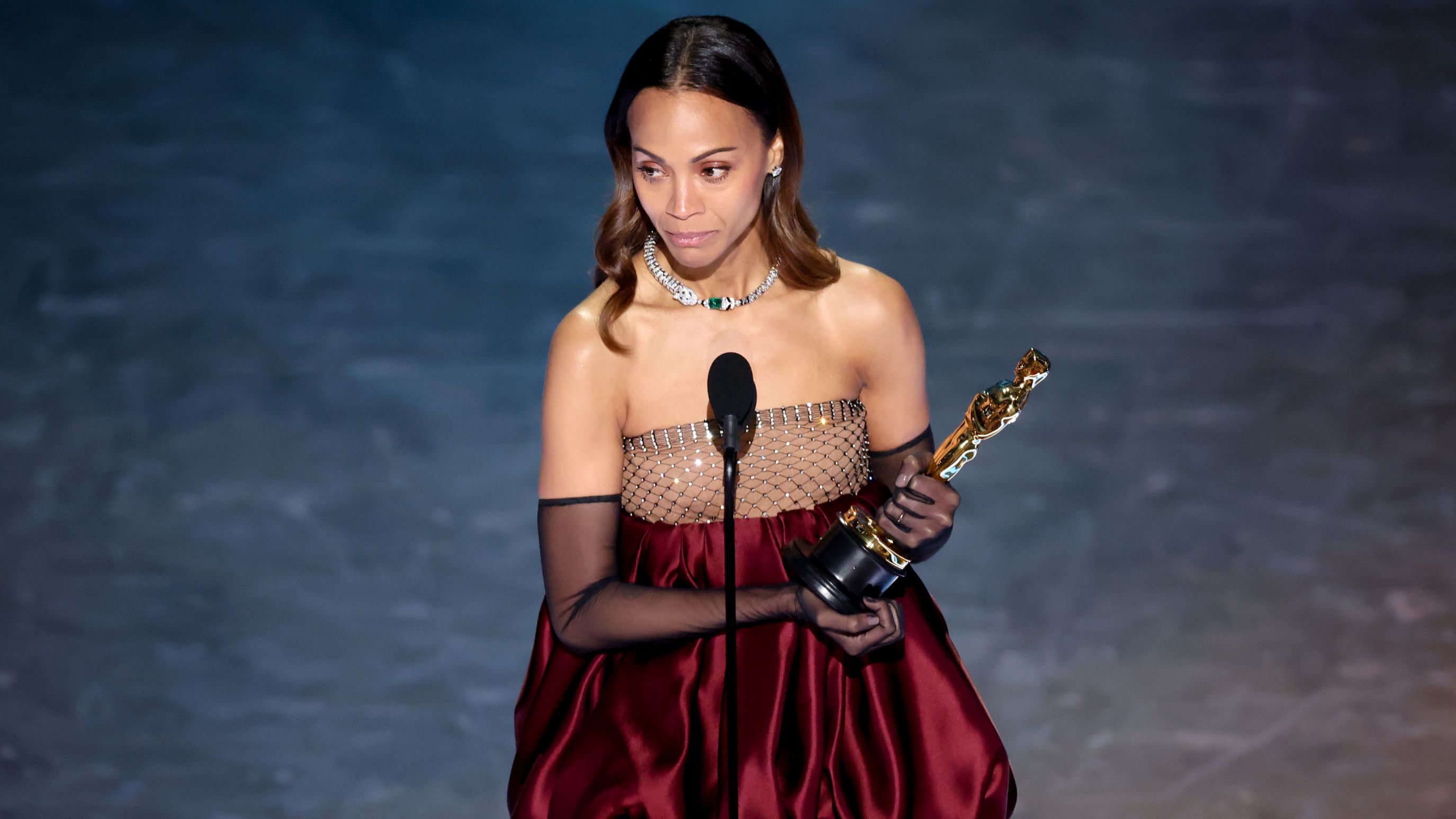
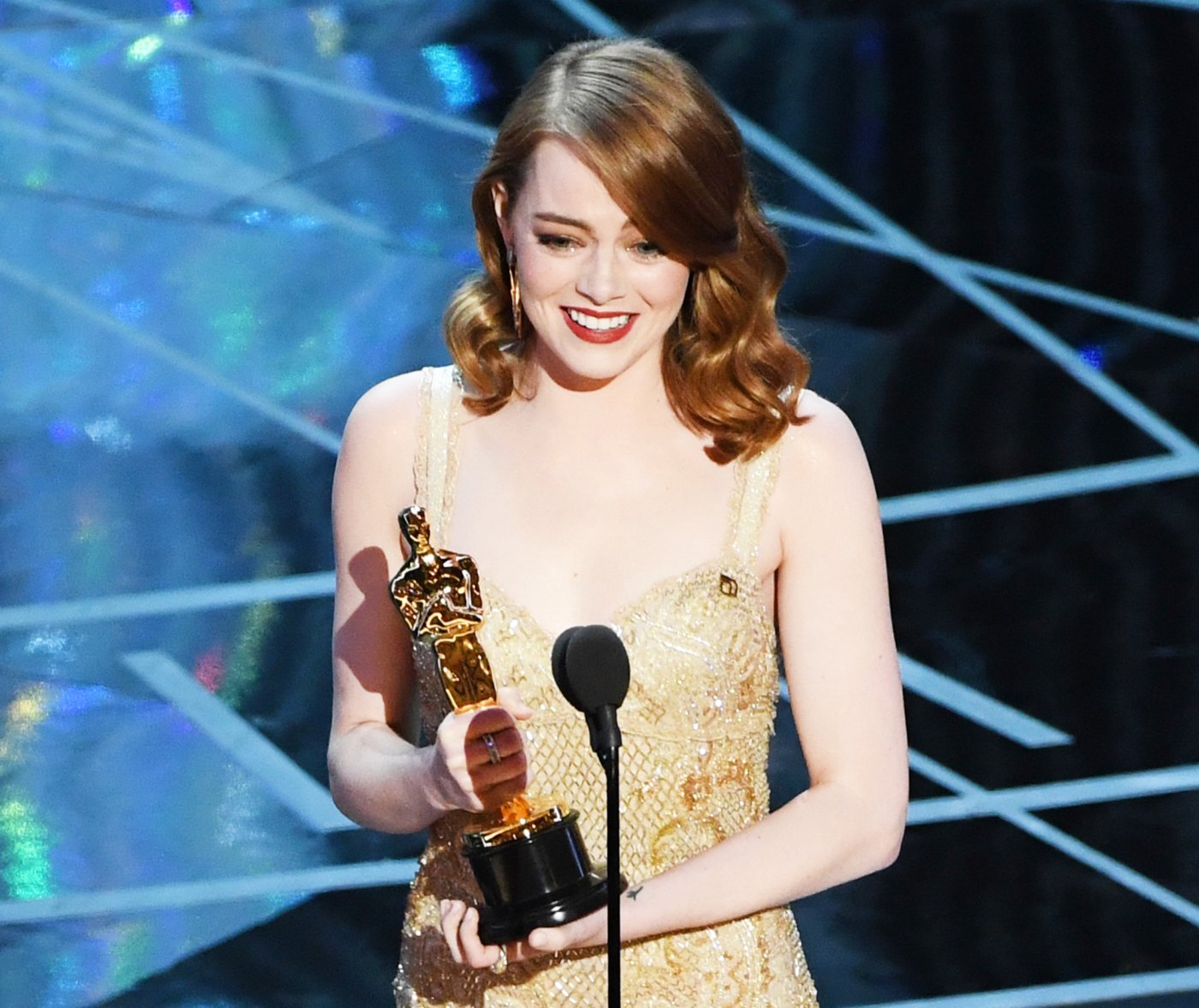
The 2015 Best Actress Oscar was won by Julianne Moore for her portrayal of Dr. Alice Howland in Still Alice. The other nominees included Marion Cotillard (Two Days, One Night), Felicity Jones (The Theory of Everything), Rosamund Pike (Gone Girl), and Reese Witherspoon (Wild). This cohort of performances is widely recognized for its deep exploration of internal resilience and female agency.
The 87th Academy Awards, held in early 2015 to honor the films of 2014, represented a significant moment in the evolution of the Best Actress category. It was a year characterized not by flamboyant spectacle, but by intimate, character-driven narratives that challenged traditional tropes of female vulnerability. As we look back from the perspective of 2026, the performances of these five women have had a demonstrable ripple effect on the types of stories Hollywood greenlights and the career trajectories of the actresses involved.
The Context of the 87th Academy Awards
In 2014, the film industry was beginning to grapple with a shifting landscape. Independent cinema was gaining more traction within the Academy, and there was an increasing demand for "prestige" roles that offered women more than just the "supportive wife" archetype. The Best Actress race of 2015 was particularly competitive because each nominee anchored her film entirely. Without these specific performances, the movies in question—ranging from psychological thrillers to biographical dramas—would have fundamentally collapsed.
Julianne Moore entered the ceremony as the heavy favorite. Having been nominated four times previously without a win (Boogie Nights, The End of the Affair, Far from Heaven, and The Hours), there was a palpable sense within the industry that it was "her time." However, the strength of the other four performances ensured that the win was viewed as a meritocratic triumph rather than a "career achievement" consolation prize.
Julianne Moore: A Masterclass in Still Alice
Julianne Moore’s performance as Alice Howland, a linguistics professor diagnosed with early-onset Alzheimer’s disease, remains a benchmark for portraying cognitive decline. What made Moore’s work in Still Alice so impactful was its restraint. Rather than leaning into the histrionics often associated with "illness" roles, Moore focused on the terrifyingly clinical loss of self.
The Artistic Approach to Alzheimer's
Moore reportedly spent months researching the disease, visiting support groups and speaking with clinicians to ensure the progression of Alice’s symptoms was medically accurate. This dedication translated into a performance that captured the minute shifts in expression—the flickering moment when a word is forgotten or a familiar hallway becomes a maze.
Professional and Industry Impact
For Moore, the 2015 win solidified her status as one of the preeminent actors of her generation. In the years following her win, she continued to choose roles that subverted expectations, such as in Gloria Bell (2018) and the psychological drama May December (2023). By 2026, Moore’s career is often cited by younger actors as the gold standard for longevity and artistic integrity, proving that a Best Actress win can serve as a foundation for a rich "third act" in a Hollywood career rather than a peak followed by a plateau.
Analyzing the 2015 Nominees and Their Performances
Each of the four women who stood alongside Moore delivered a performance that has, in its own way, altered the cultural or cinematic landscape.
Rosamund Pike in Gone Girl
Rosamund Pike’s portrayal of Amy Dunne in David Fincher’s Gone Girl is perhaps the most culturally pervasive of the group. Her delivery of the "Cool Girl" monologue became a touchstone for contemporary feminist critique and redefined the modern "femme fatale." Unlike traditional villains, Pike’s Amy was a response to societal pressures on women to be perfect, making her both terrifying and oddly relatable to many viewers. Pike’s nomination transformed her from a recognizable character actress into a leading lady capable of carrying high-concept, intellectually demanding thrillers, leading to her further success in projects like I Care a Lot and Saltburn.
Reese Witherspoon in Wild
Wild represented a pivotal shift for Reese Witherspoon. Moving away from the "America’s Sweetheart" image she had cultivated in the 2000s, Witherspoon’s portrayal of Cheryl Strayed was raw, unglamorous, and physically demanding. More importantly, Wild was a product of Witherspoon’s then-nascent production company, Pacific Standard (now part of Hello Sunshine). Her nomination proved that actresses could successfully produce their own prestige material. This move arguably paved the way for the modern era of actress-producers, including the surge of female-led limited series like Big Little Lies and The Morning Show.
Marion Cotillard in Two Days, One Night
Marion Cotillard’s nomination for a French-language film (Deux jours, une nuit) by the Dardenne brothers was a rare feat for the Academy at the time. Playing a woman who has one weekend to convince her colleagues to forgo their bonuses so she can keep her job, Cotillard delivered a performance of immense blue-collar dignity. This nomination reinforced the Academy's occasional willingness to look beyond Hollywood's borders, a trend that has expanded significantly through the 2020s.
Felicity Jones in The Theory of Everything
Felicity Jones played Jane Hawking, the wife of physicist Stephen Hawking. While the film was often framed around Eddie Redmayne’s transformative performance, Jones was the emotional anchor. Her portrayal of the quiet toll of caregiving and the intellectual sacrifice of a spouse was subtle yet powerful. This role served as Jones’s international breakthrough, quickly leading her to major franchise roles, most notably as Jyn Erso in Rogue One: A Star Wars Story.
Summary of the 87th Best Actress Nominees
The following table compares the 2015 nominees based on their roles, the nature of their characters, and the long-term industry impact of their work as observed by 2026.
| Nominee | Film | Character Archetype | Key Cinematic Contribution |
|---|---|---|---|
| Julianne Moore | Still Alice | The Academic in Decline | Humanized Alzheimer’s with clinical and emotional accuracy. |
| Rosamund Pike | Gone Girl | The Unreliable Protagonist | Redefined the psychological thriller "villain" for the 2010s. |
| Reese Witherspoon | Wild | The Solitary Voyager | Launched the "actress-as-power-producer" movement. |
| Marion Cotillard | Two Days, One Night | The Working-Class Hero | Maintained the visibility of international cinema in US awards. |
| Felicity Jones | The Theory of Everything | The Resilient Partner | Provided a nuanced look at the labor of the "great man's wife." |
The Lasting Cultural Impact of the 2014/2015 Cycle
The legacy of the 2015 Best Actress race is not found in the trophy itself, but in how these films changed the conversation around female-led narratives. Prior to this era, "women’s stories" were often pigeonholed into romance or domestic drama. The 2015 cohort broke those boundaries.
- Medical Representation: Still Alice is still used in medical humanities programs in 2026 to help students understand the patient experience of neurodegenerative disease. It moved the needle from pity to empathy.
- The "Anti-Heroine": Rosamund Pike’s Amy Dunne opened the door for "unpleasant" or morally ambiguous female leads who don't need to be redeemed by the end of the film.
- The Production Shift: The success of Wild was a proof-of-concept for the idea that stories about women’s internal journeys (specifically those involving nature and solitude) were commercially viable and critically essential.
- Global Integration: Cotillard’s presence in the final five helped normalize the inclusion of non-English language performances in the top categories, a prerequisite for the eventual Best Picture win of films like Parasite.
Frequently Asked Questions
Who was considered the runner-up for Best Actress in 2015?
While the Academy does not release official vote tallies, industry analysts and awards pundits at the time largely considered Rosamund Pike to be the primary challenger. Her role in Gone Girl was a massive box-office success and a cultural phenomenon, though Moore’s "overdue" status and the emotional weight of Still Alice gave her the definitive edge.
Was 2015 the year "Oscars So White" started?
Yes, the 87th Academy Awards (2015) sparked the #OscarsSoWhite campaign, initiated by activist April Reign. While the Best Actress category featured five powerhouse performances, the lack of diversity across all twenty acting nominations led to a major institutional overhaul of the Academy’s membership and voting rules in the years that followed.
How did Reese Witherspoon’s nomination change her career?
Witherspoon’s nomination for Wild was a turning point. It proved she could excel in gritty, dramatic roles, but more importantly, it validated her role as a producer. By 2026, her company has become one of the most influential in Hollywood, specifically focusing on adapting female-authored books into high-end cinema and television.
What happened to the directors of these films?
The directors of these films saw varying paths. David Fincher (Gone Girl) continued his streak as a master of the clinical thriller. Jean-Marc Vallée (Wild) became a powerhouse in television (directing Big Little Lies and Sharp Objects) before his untimely passing. Wash Westmoreland and Richard Glatzer (Still Alice) achieved a poignant victory, as Glatzer directed the film while battling ALS, passing away shortly after Moore’s Oscar win.
Why was Amy Adams not nominated for Big Eyes in 2015?
Amy Adams was considered a major "snub" that year. Despite winning the Golden Globe for Best Actress in a Motion Picture – Musical or Comedy for Big Eyes, she failed to secure an Oscar nomination. Many analysts attribute this to the immense strength and internal "prestige" of the five women who were eventually selected.
Where to Revisit These Performances
For those looking to understand the mid-2010s shift in cinema, a retrospective viewing of these five films is essential. Start with Still Alice for a masterclass in subtlety, followed by Gone Girl to see how the psychological thriller was reinvented. To see the roots of the modern female-led production movement, Wild is the definitive text. These films are more than historical markers; they are the blueprints for the diverse, complex, and uncompromising female characters that dominate our screens today in 2026.