The primary 2014 winner of global significance was the German National Football Team, which secured its fourth FIFA World Cup title by defeating Argentina 1-0 in the final. Other notable 2014 winners include 12 Years a Slave (Academy Award for Best Picture) and the Seattle Seahawks (Super Bowl XLVIII).
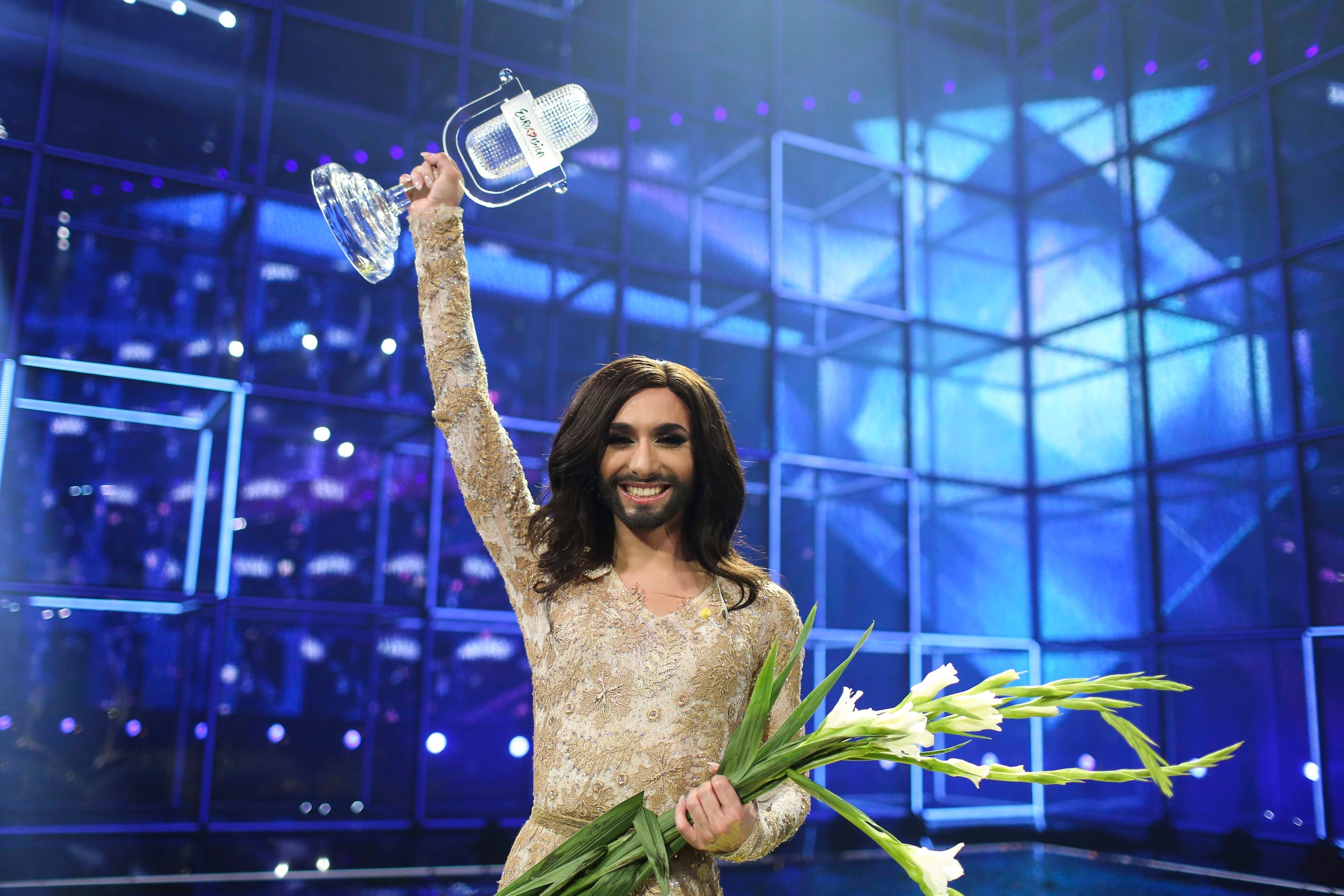
The year 2014 stands as a landmark in cultural and sporting history, but no event captured the global imagination more than the FIFA World Cup held in Brazil. While "2014 winner" can technically refer to the breakthrough of Conchita Wurst at Eurovision or the San Antonio Spurs’ NBA title, the term is most frequently searched in the context of international football. Germany’s triumph in Rio de Janeiro was not just a victory of a single match, but the culmination of a decade-long restructuring of German football. This article examines the technical aspects of that victory, the key players who defined the era, and the historical context of the tournament.
The Path to the 2014 World Cup Final
Germany’s journey to the trophy was characterized by a blend of traditional physical resilience and a modernized, fluid tactical system. Placed in Group G—widely regarded as one of the "Groups of Death"—Germany had to navigate matches against Portugal, Ghana, and the United States. Their opening match, a 4-0 demolition of Portugal, set a high psychological bar for the rest of the tournament, featuring a hat-trick by Thomas Müller.
The knockout stages, however, revealed the vulnerabilities that often plague eventual champions. The Round of 16 match against Algeria is frequently cited by analysts as the "turning point." Germany struggled against Algeria's high-pressing counter-attacks, requiring extra time and a revolutionary performance from goalkeeper Manuel Neuer to advance. Neuer’s willingness to operate far outside his penalty area—the "sweeper-keeper" role—allowed the German defensive line to stay high and maintain pressure, a tactical necessity that would define the rest of their campaign.
In the quarter-finals, Germany faced a formidable French side. The match was decided by a single header from Mats Hummels, demonstrating Germany’s proficiency in set-piece situations. This victory set the stage for a semi-final that would become the most statistically shocking match in the history of the modern World Cup.
The Semifinal Phenomenon: The 7-1 Victory Against Brazil
On July 8, 2014, Germany faced the host nation, Brazil, at the Estádio Mineirão. What was expected to be a titan’s duel turned into a historic rout. Germany scored five goals within the first 29 minutes, eventually finishing with a 7-1 victory. This match, often referred to as the Mineirazo, was a masterclass in clinical efficiency and psychological dominance.
The technical reasons for this lopsided result were rooted in Brazil's tactical indiscipline following the loss of Neymar (injury) and Thiago Silva (suspension). Germany’s midfield trio of Toni Kroos, Sami Khedira, and Bastian Schweinsteiger exploited the gaps in the Brazilian center with surgical precision. Kroos, in particular, delivered a performance that solidified his reputation as one of the world's elite playmakers, winning the Man of the Match award and facilitating the rapid transitions that caught Brazil off guard.
This match did more than just secure Germany a place in the final; it shifted the global perception of "Joga Bonito" toward a more data-driven, organized, and high-intensity style of play that Germany had perfected under manager Joachim Löw.
The Final Match: Götze’s Decisive Goal
The final took place on July 13, 2014, at the iconic Maracanã Stadium in Rio de Janeiro. Facing an Argentine side led by Lionel Messi, the match was a tense, tactical stalemate that remained 0-0 through 90 minutes. Argentina had several clear scoring opportunities, most notably from Gonzalo Higuaín and Messi himself, but failed to capitalize on German defensive lapses.
In the 113th minute of extra time, Mario Götze, who had come on as a substitute for the legendary Miroslav Klose, scored a goal that would define his career. Receiving a cross from André Schürrle on his chest, Götze volleyed the ball past Argentine goalkeeper Sergio Romero.
Tactical Breakdown of the Goal:
- Fresh Legs: The substitution of Götze for Klose late in the game was a strategic move by Löw to exploit the tiring Argentine defense with pace and agility.
- Width and Delivery: André Schürrle’s run down the left wing drew the Argentine full-backs out of position, creating a pocket of space in the center.
- Technical Execution: Götze’s ability to control the ball with his chest while moving and strike it before it hit the ground required a level of technical composure rarely seen in high-pressure scenarios.
Germany’s victory marked the first time a European nation had won a World Cup held in the Americas, breaking a long-standing regional hoodoo.
Key Players and the "Golden Generation"
The 2014 winner was not dependent on a single superstar, which distinguished Germany from teams like Argentina (Messi) or Brazil (Neymar). Instead, the squad was a cohesive unit of players in their prime, many of whom had played together since the U-21 levels.
- Manuel Neuer: Redefined the goalkeeping position. His distribution and positioning acted as the 11th outfield player.
- Philipp Lahm: The captain and "most intelligent player" (according to Pep Guardiola). His versatility allowed him to play as both a right-back and a defensive midfielder throughout the tournament.
- Bastian Schweinsteiger: Provided the emotional and physical heart of the team. In the final, he played through a facial laceration, symbolizing the "grit" behind the technical skill.
- Thomas Müller: Finished the tournament with five goals. His "Raumdeuter" (space interpreter) style made him impossible for defenses to track effectively.
- Miroslav Klose: During the 7-1 win against Brazil, Klose scored his 16th World Cup goal, surpassing Ronaldo to become the all-time leading scorer in World Cup history.
Performance Comparison of 2014 Top Performers
To understand the dominance of the 2014 winner, it is helpful to compare their statistical output against their closest competitors during the tournament.
| Metric | Germany (Winner) | Argentina (Runner-up) | Netherlands (3rd Place) |
|---|---|---|---|
| Total Goals Scored | 18 | 8 | 15 |
| Goals Conceded | 4 | 4 | 4 |
| Pass Completion % | 86.3% | 79.5% | 81.2% |
| Top Scorer | Thomas Müller (5) | Lionel Messi (4) | Robin van Persie (4) |
| Clean Sheets | 4 | 4 | 4 |
| Average Ball Possession | 60% | 52% | 51% |
Data reflects official FIFA 2014 tournament statistics.
Long-term Impact on Global Football
The success of the 2014 winner triggered a worldwide shift in football philosophy. The German model—investing heavily in youth academies and focusing on a high-pressing, possession-based game—became the blueprint for other nations.
In the years following 2014, the "Gegenpressing" style popularized by German coaches like Jürgen Klopp and Ralf Rangnick became the dominant tactical trend in the English Premier League and the UEFA Champions League. Germany's victory proved that a systematic approach to player development could yield consistent results, although the team would later struggle to replicate this success in the 2018 and 2022 tournaments.
By 2026, the 2014 squad is remembered as the pinnacle of German football's modern era. Most of the players from that squad have since retired, but their influence persists in coaching and sports management. The 2014 victory remains a case study in how to successfully integrate tactical innovation with traditional national sporting values.
Frequently Asked Questions
Who was the 2014 winner of the Golden Ball?
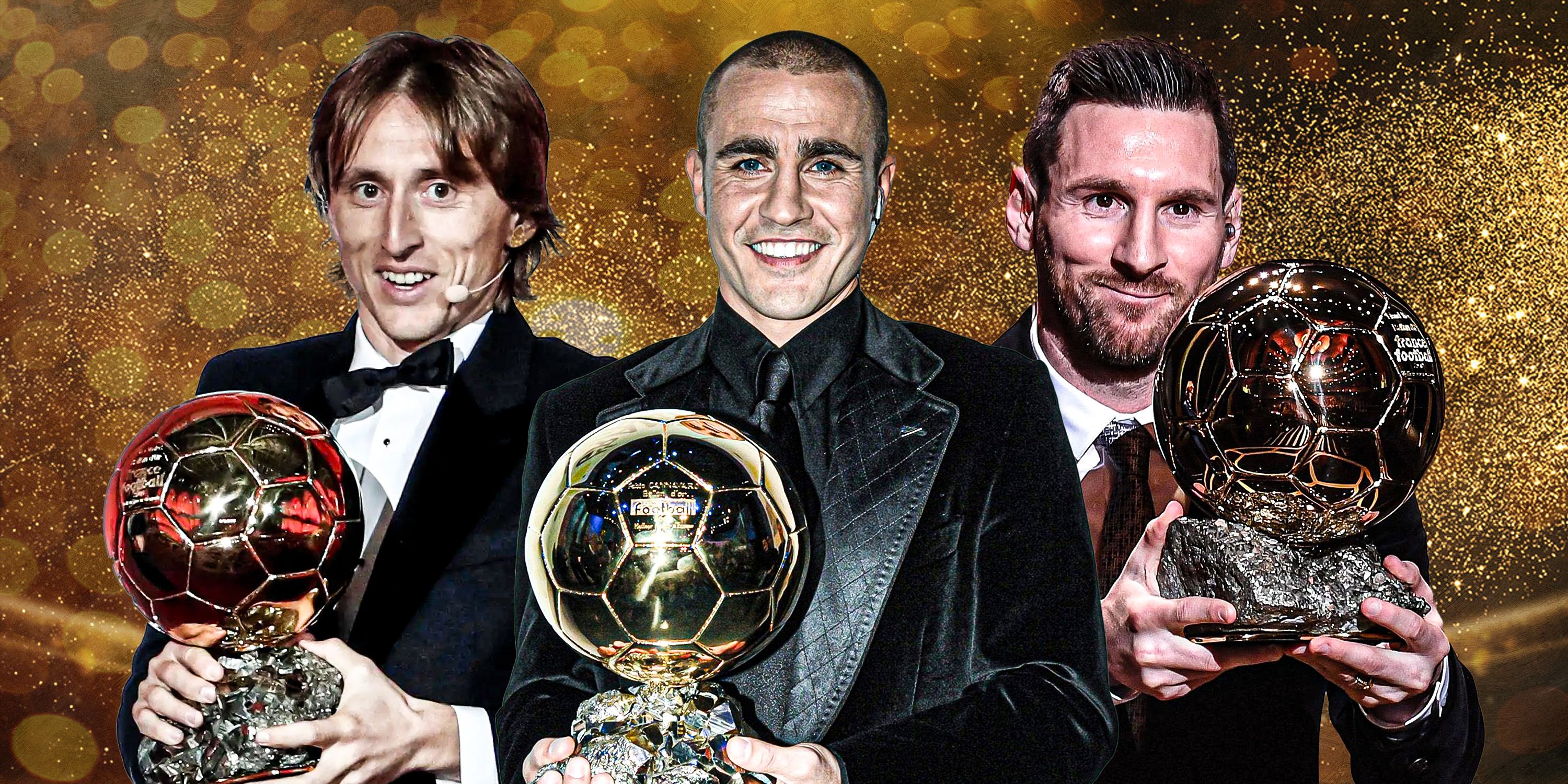
Lionel Messi won the Golden Ball as the best player of the 2014 World Cup. This decision was somewhat controversial at the time, as many felt a member of the winning German squad, such as Thomas Müller or Manuel Neuer, or Colombia’s James Rodríguez, was more deserving. However, Messi’s role in dragging an underperforming Argentine side to the final was the deciding factor for the FIFA technical committee.
Where was the 2014 World Cup final played?
The final was held at the Estádio do Maracanã in Rio de Janeiro, Brazil. It is one of the most famous stadiums in the world and has hosted two World Cup finals (1950 and 2014). For the 2014 tournament, the stadium underwent significant renovations to meet modern FIFA standards, reducing its capacity to approximately 74,738 for the final match.
How many times has Germany won the World Cup?
As of 2026, Germany has won the FIFA World Cup four times. Their victories occurred in 1954 (as West Germany), 1974 (as West Germany), 1990 (as West Germany), and 2014 (as a unified nation). This puts them level with Italy and one behind Brazil, who hold the record with five titles.
Who won the 2014 Oscar for Best Picture?
While the German football team dominated the sports world, the 2014 winner in the film industry was 12 Years a Slave. Directed by Steve McQueen, the film won the Academy Award for Best Picture at the 86th Oscars, held on March 2, 2014. It was a significant cultural moment, as it was the first film directed by a Black filmmaker to win the top prize.
What was the score of the 2014 Super Bowl?
The Seattle Seahawks were the 2014 winners of Super Bowl XLVIII, defeating the Denver Broncos with a lopsided score of 43-8. The game, played on February 2, 2014, was notable for the Seahawks' "Legion of Boom" defense completely neutralizing a record-breaking Broncos offense led by Peyton Manning.
Accessing Historical 2014 Tournament Data
For researchers and fans looking to revisit the 2014 victory in 2026, several official resources remain the gold standard for verification and in-depth study.
- FIFA Training Centre: This platform provides technical reports and tactical analysis of every match from 2014, including heat maps and player movement data.
- DFB (German Football Association) Archives: The DFB maintains a comprehensive digital museum detailing the preparation and logistics of the "Campo Bahia" base camp, which was credited as a key factor in the team's cohesion.
- Official Broadcast Replays: FIFA’s official streaming platforms often host full match replays and "Match 64" documentaries that provide behind-the-scenes footage of the final.
If you are looking to verify specific player statistics or tactical lineups, always cross-reference the official FIFA Match Reports with independent sports analytics providers to ensure the most accurate historical picture.