The 2014 Met Gala elevator incident was a high-profile physical altercation between Solange Knowles and Jay-Z, occurring in a lift at The Standard, High Line hotel in New York City. The leak of the surveillance footage ignited a global media firestorm, forcing the Knowles-Carter family to issue a rare public statement and eventually influencing the creative output of their subsequent multi-platinum albums.
Context of the 2014 Met Gala After-Party
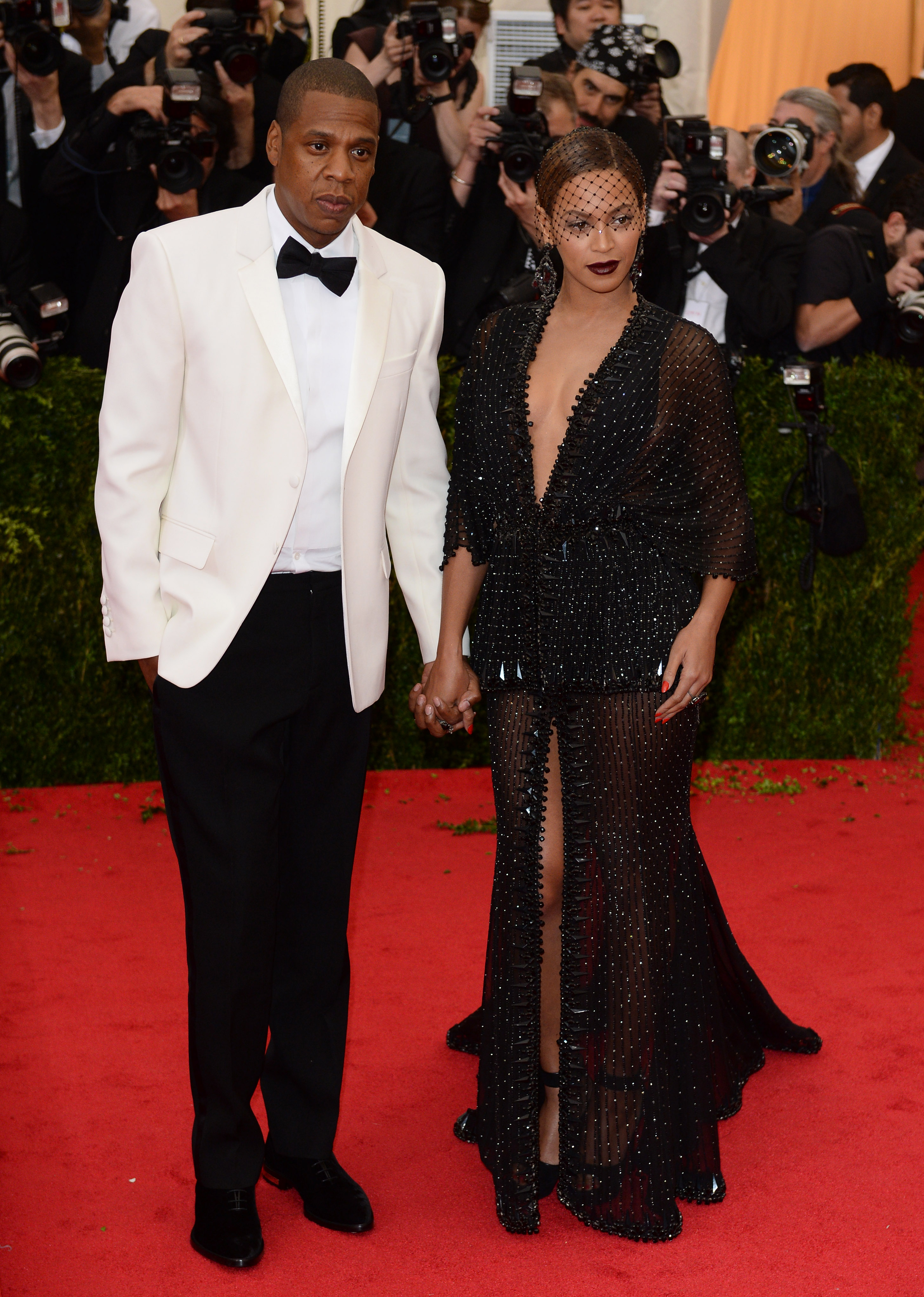
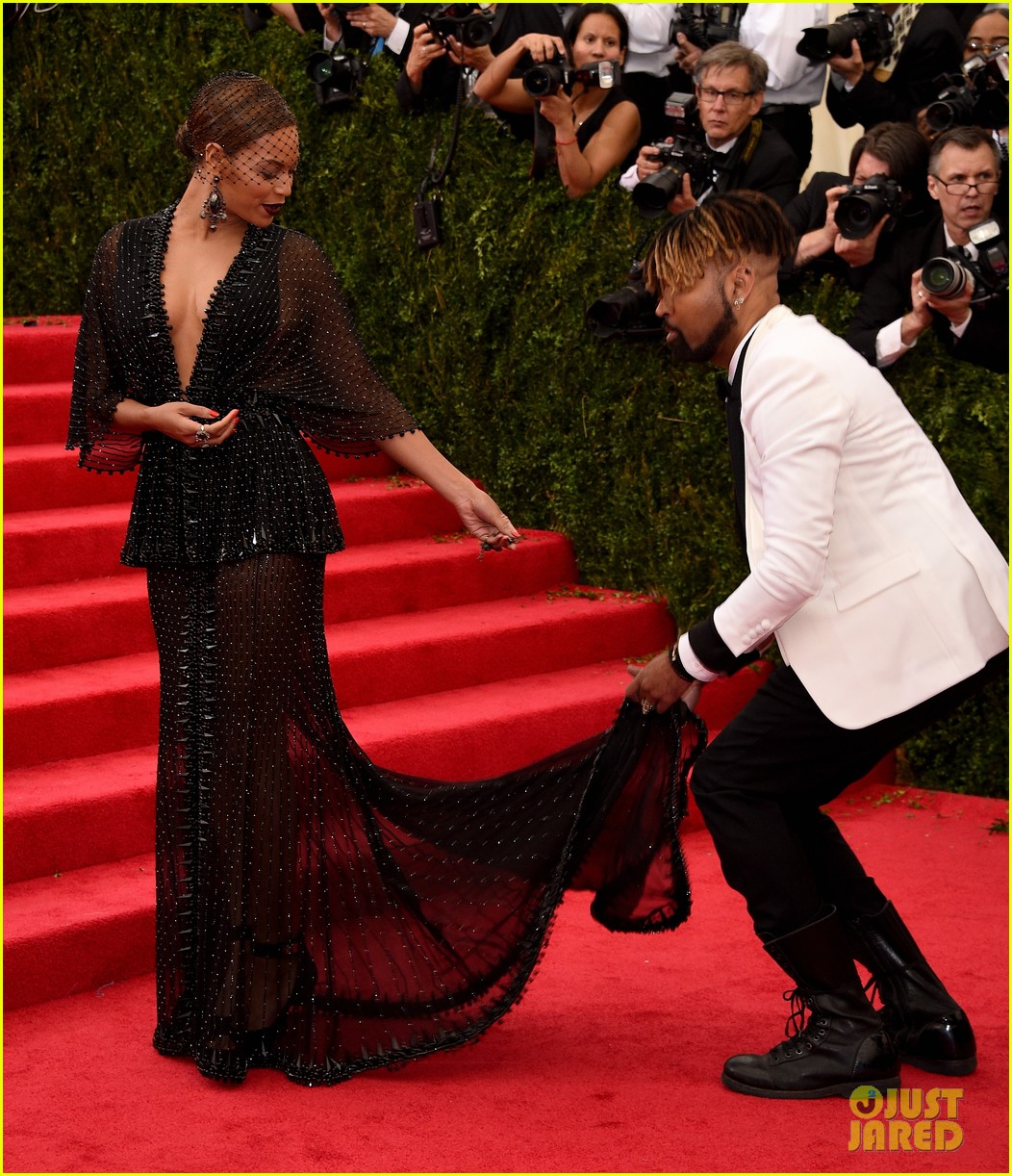
The evening of May 5, 2014, began as a celebration of fashion and high society. The Metropolitan Museum of Art’s Costume Institute Gala—commonly known as the Met Gala—was themed "Charles James: Beyond Fashion." Beyoncé, Jay-Z, and Solange Knowles were among the most anticipated guests, appearing on the red carpet in coordinated, high-fashion ensembles that suggested a night of celebratory elegance.
Following the main event, the trio attended an after-party hosted at the "Boom Boom Room" (now known as Top of the Standard) located within The Standard, High Line hotel. The hotel, a landmark in New York’s Meatpacking District, is known for its floor-to-ceiling glass windows and exclusive guest list. As the party wound down, the group entered an elevator to depart. It was within this confined, private space that the tension escalated into physical violence, a moment that would have remained private if not for a breach in the hotel’s security protocols.
The atmosphere leading up to the incident has been the subject of intense speculation for over a decade. While the public saw a unified family on the red carpet, the footage revealed deep-seated friction. The "elevator incident" has since become a shorthand for the vulnerabilities of celebrity privacy and the intersection of personal family dynamics with global brand management.
Chronology of the Altercation and the Viral Leak
The physical altercation occurred on the night of May 5, but the public remained unaware of it for exactly one week. On May 12, 2014, the celebrity news outlet TM—Z published a three-and-a-half-minute video of silent surveillance footage. The grainy, black-and-white video showed Solange Knowles shouting at Jay-Z before escalating to kicking and hitting him.
Inside the Elevator
The footage captures Solange, Beyoncé, Jay-Z, and a bodyguard (identified as Julius de Boer) entering the elevator. Almost immediately, Solange begins lunging at Jay-Z. The bodyguard is seen attempting to restrain her, even pressing the emergency stop button at one point to keep the fight from spilling out into the hotel lobby. Throughout the struggle, Jay-Z maintains a defensive posture, never striking back, while Beyoncé stands relatively still, occasionally moving to intervene verbally or step between the two.
The Breach of Security
The leak was a catastrophic failure for The Standard Hotel. Surveillance footage from high-end hotels is strictly controlled, yet an employee managed to record the playback on a mobile device. Following an internal investigation, the hotel identified the individual responsible for the leak. According to reports from the Associated Press, the employee was terminated for "breaching the security polices of the hotel and recording the confidential CCTV video." It was widely reported that the footage was sold to TM—Z for an estimated $250,000, highlighting the massive market value of celebrity scandals.
The Public Relations Response and Joint Statement
In the immediate aftermath of the video leak, the "Knowles-Carter" brand faced its most significant crisis to date. The silence from their camp lasted for three days as PR experts and fans alike analyzed every frame of the video. On May 15, 2014, the family released a unified statement to the Associated Press that aimed to de-escalate the narrative without revealing the specific cause of the fight.
The statement read:
"As a result of the public release of the elevator security footage from Monday, May 5th, there has been a great deal of speculation about what triggered the unfortunate incident. But the most important thing is that our family has worked through it. Jay and Solange each assume their share of responsibility for what has occurred. They both acknowledge their role in this private matter that has played out in the public. They both have apologized to each other and we have moved forward as a united family."
This response is often cited by PR professionals as a "masterclass" in crisis management. It acknowledged the event, claimed responsibility, asserted that apologies had been made, and—most importantly—denied rumors that Solange was under the influence of any substances. By presenting a "united front," the family effectively lowered the temperature of the tabloid frenzy, even as the "why" remained a mystery.
Long-Term Artistic and Cultural Implications
While the 2014 statement sought to close the door on the incident, the artistic output of the family in the following years provided the "missing chapters" of the story. The elevator incident acted as a catalyst for a trilogy of albums that explored themes of infidelity, forgiveness, and family legacy.
Beyoncé’s "Lemonade" (2016)
Beyoncé’s visual album Lemonade is widely interpreted as a narrative of Jay-Z’s infidelity and the subsequent healing of their marriage. While she never mentions the elevator by name, the themes of betrayal and "Becky with the good hair" provided context to why Solange might have been defensive of her sister. She famously addressed the incident directly in the "Flawless Remix" featuring Nicki Minaj, singing: "Of course sometimes shit go down when there’s a billion dollars on an elevator."
Jay-Z’s "4:44" (2017)
Jay-Z addressed his role in the family strife with his most vulnerable album, 4:44. In the opening track, "Kill Jay-Z," he references the incident directly:
"You egged Solange on / Knowin' all along, all you had to say you was wrong."
This line confirmed that the altercation was rooted in his own actions and his failure to take accountability in the moment. The album served as a public apology to both Beyoncé and Solange, effectively completing the narrative arc that began in that elevator.
Solange’s "A Seat at the Table" (2016)
Solange’s own creative breakthrough, A Seat at the Table, focused on themes of Black identity and "Black girl rage." While less focused on the elevator specifically, it gave her a platform to be seen as a serious artist rather than just "Beyoncé’s sister" or the person from the video.
Comparative Timeline of the Elevator Incident and Its Aftermath
| Date | Event | Significance |
|---|---|---|
| May 5, 2014 | The Met Gala | The night the physical altercation took place at The Standard Hotel. |
| May 12, 2014 | TM—Z Leak | The surveillance footage is released to the public, causing a global sensation. |
| May 14, 2014 | Hotel Action | The Standard Hotel fires the employee responsible for leaking the tape. |
| May 15, 2014 | Joint Statement | Jay-Z, Beyoncé, and Solange issue an official apology and declaration of unity. |
| August 2014 | "Flawless" Remix | Beyoncé first addresses the incident in her music. |
| April 2016 | Lemonade Release | Explores themes of infidelity that many linked to the elevator fight. |
| June 2017 | 4:44 Release | Jay-Z publicly admits he was wrong and "egged Solange on." |
Privacy and Security Concerns in the Digital Age
The 2014 Met Gala elevator incident remains a landmark case in the discussion of digital privacy. In an era where almost every square inch of public and semi-private space is under surveillance, the incident highlighted that not even the world’s most powerful celebrities are immune to the "inside job" leak.
The Standard Hotel faced immense backlash regarding their security protocols. The fact that a low-level employee could gain access to and record sensitive footage of high-profile guests suggested a systemic failure. Since 2014, many luxury hotels have implemented stricter "no-phone" policies in security rooms and encrypted their CCTV feeds to prevent external recording.
Furthermore, the legalities of the leak raised questions about the "Right to Privacy" versus the "Public's Right to Know." Because the incident involved a physical altercation, some argued it was of public interest, while others viewed the sale of the footage as a predatory act. The incident ultimately reinforced the reality that for celebrities, the boundary between private life and public brand is perpetually thin.
Common Misconceptions and Unverified Rumors
Despite the family's official statement and subsequent musical disclosures, several myths persist regarding the 2014 incident. It is important to distinguish between confirmed facts and tabloid speculation.
- The Substance Abuse Theory: One of the most immediate rumors was that Solange was intoxicated. The family's official statement explicitly denied this, stating she was not under the influence of any substances.
- The Rachel Roy Theory: Speculation that the fight was specifically about designer Rachel Roy surfaced during the Lemonade era. While Roy was present at the Met Gala, no confirmed evidence links her directly to the physical altercation in the elevator.
- The "Staged" Theory: A fringe theory suggested the fight was staged to drum up publicity for the "On the Run" tour. However, the legal fallout for the hotel and the deeply personal nature of the subsequent albums make this highly unlikely.
The incident is best understood not as a singular explosion, but as a symptom of a family navigating the pressures of global fame, personal mistakes, and the intense scrutiny of the digital age.
Frequently Asked Questions
Why did Solange attack Jay-Z in the elevator?
While the exact verbal exchange was never made public, Jay-Z later admitted on his album 4:44 that he "egged her on" and was in the wrong. The general consensus, supported by themes in Beyoncé’s Lemonade, is that the tension was related to Jay-Z’s infidelity and Solange’s protective stance over her sister.
Who leaked the Met Gala elevator video?
An unidentified employee at The Standard, High Line hotel recorded the surveillance footage and sold it to TM—Z. The hotel eventually identified and fired the employee for a breach of security and confidentiality.
Did Jay-Z hit Solange back?
No. The surveillance footage shows Jay-Z maintaining a defensive posture, holding Solange’s arm at one point to stop a kick, but he never strikes her back. The bodyguard, Julius de Boer, was the primary person responsible for physically separating them.
What did Beyoncé do during the elevator fight?
Beyoncé remained largely passive during the physical struggle, as seen in the footage. She stood in the corner of the elevator, occasionally moving to stand between them or speaking, but she did not engage in the physical violence. Her calm demeanor became a point of significant public discussion and meme culture following the leak.
Lessons in Celebrity Crisis Management for the Modern Era
The 2014 Met Gala elevator incident serves as a definitive case study for public relations professionals and brands. The primary lesson is the power of the "Unified Front." By refusing to let the media "divide and conquer" the family members, the Knowles-Carters maintained control over their narrative long enough to transform a potentially career-ending scandal into a series of critically acclaimed artistic works.
For the general public and those interested in media ethics, the event serves as a reminder of the fragility of privacy. The best course of action for individuals in high-stakes environments is to assume that "private" spaces are never truly private in the presence of digital recording devices. The incident also emphasizes the importance of internal security audits for businesses that cater to high-net-worth clients, as the human element remains the most significant vulnerability in any security system.