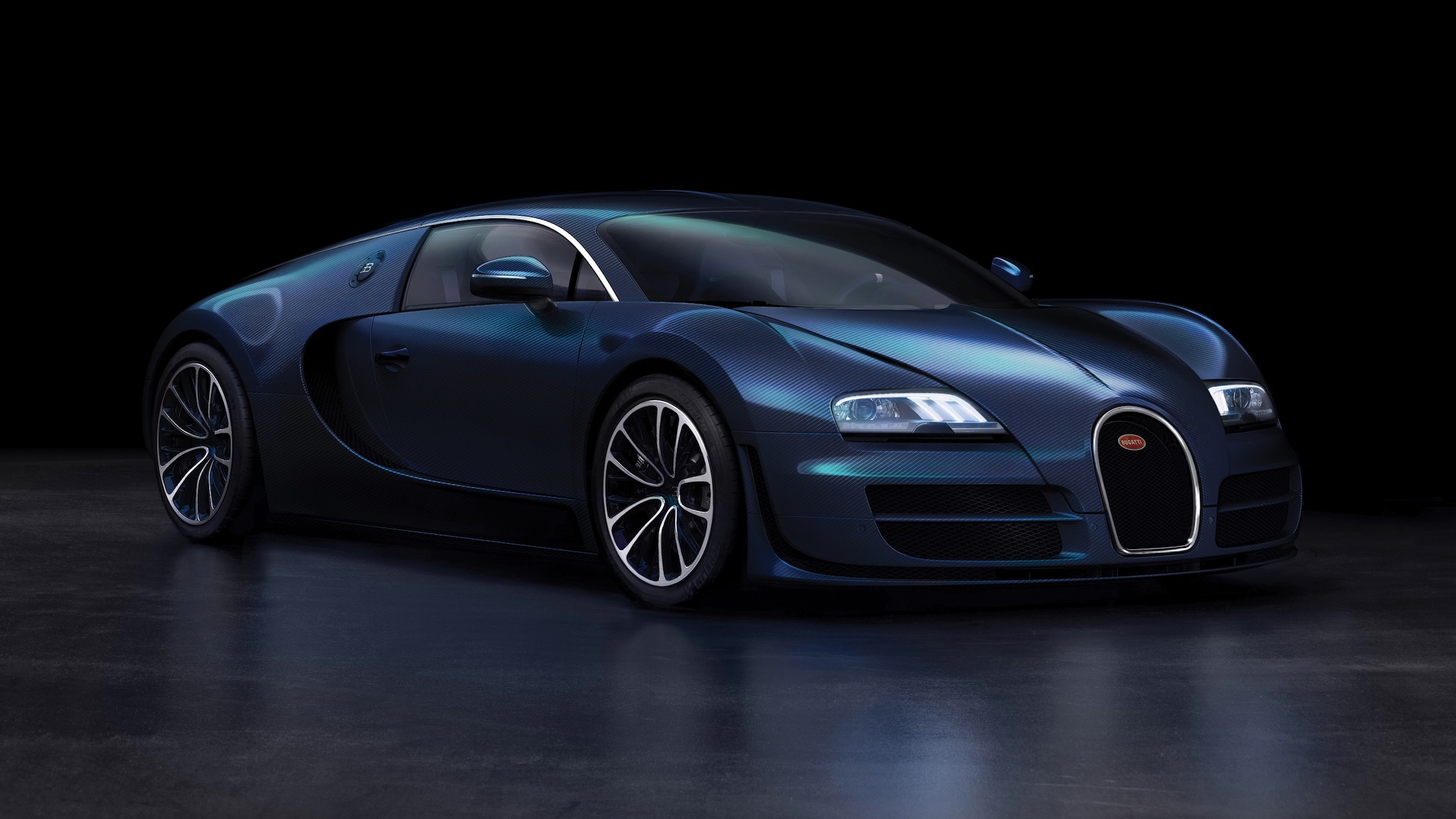
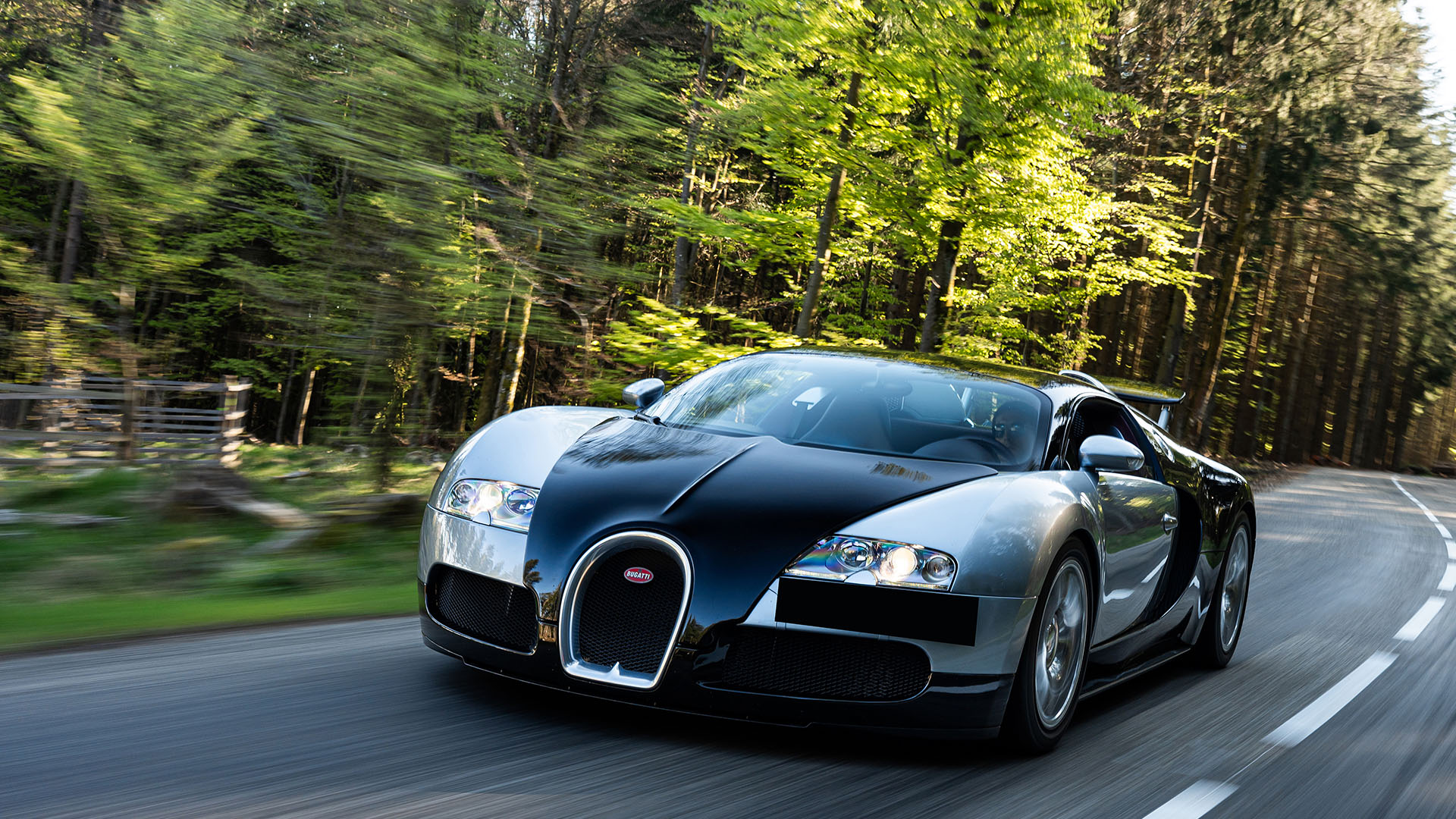
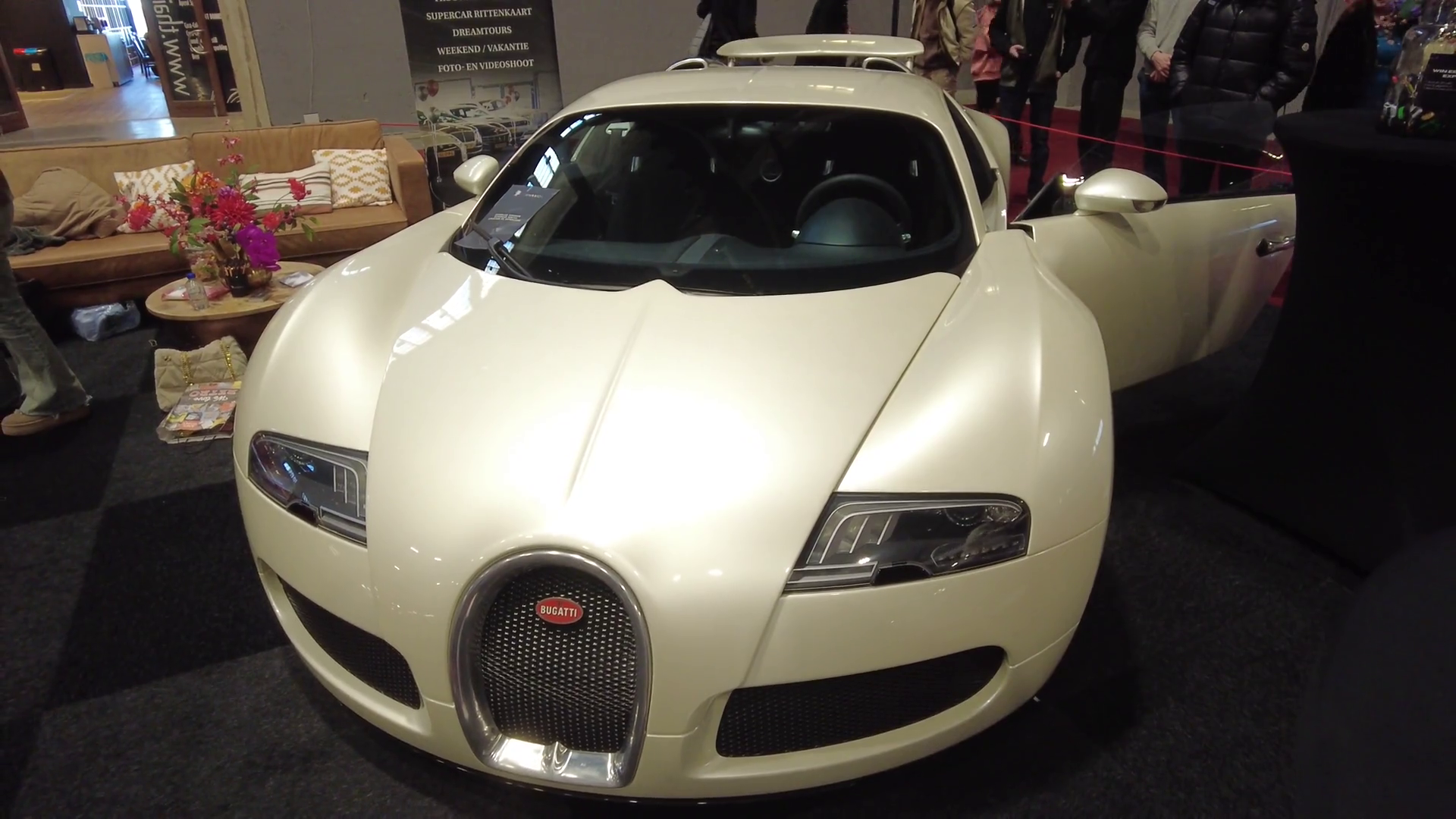
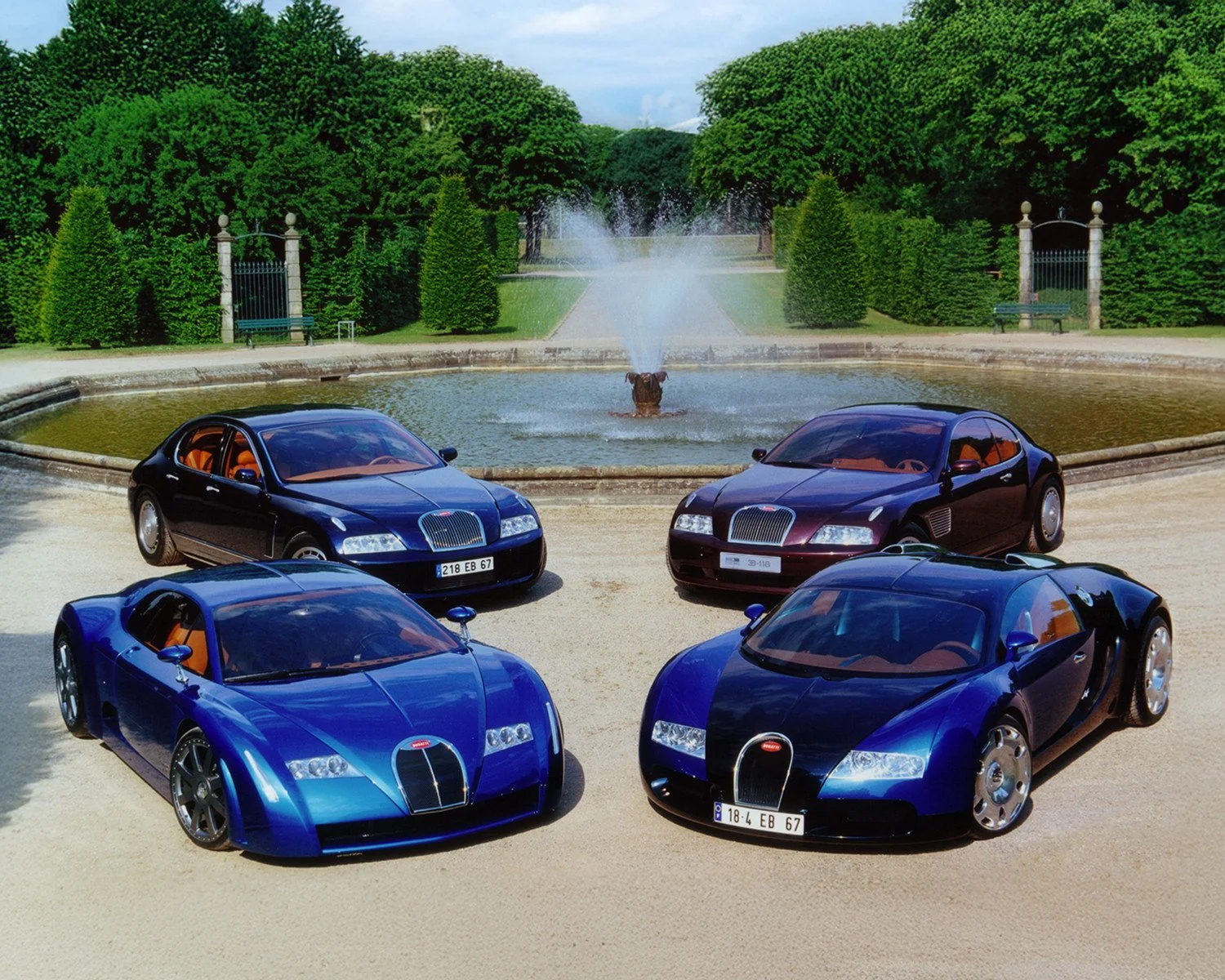
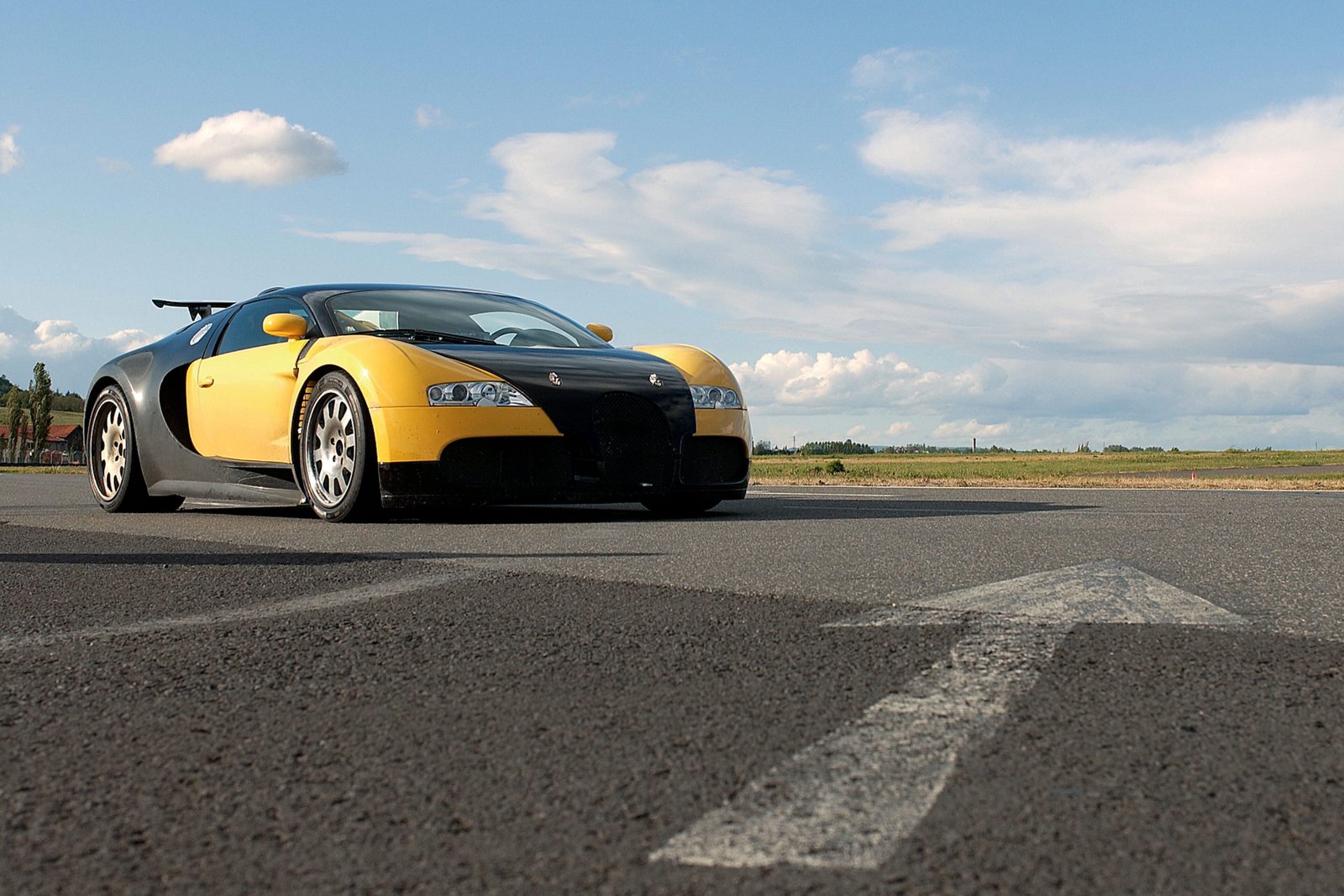
The 2014 Bugatti Veyron represents the technical apex of the Veyron’s ten-year production run, specifically highlighting the 1,200-horsepower Grand Sport Vitesse and the exclusive "Les Légendes de Bugatti" editions. As a late-production model, it combines refined quad-turbocharged W16 engineering with bespoke luxury, maintaining its status in 2026 as a premier blue-chip automotive investment and a benchmark for hypercar performance.
The Engineering Foundation of a Legend
To understand the 2014 Bugatti Veyron, one must first look at the mechanical heart that redefined the 21st-century automotive landscape. The Veyron was not merely a fast car; it was a feat of aerospace-grade engineering designed to withstand forces that would disintegrate a standard supercar.
The centerpiece is the 8.0-liter W16 engine. Unlike traditional "V" engines, the W16 utilizes two VR8 cylinder banks joined at a 90-degree angle. This configuration allows for a compact footprint despite the massive displacement. In the 2014 Grand Sport Vitesse—the primary model available that year—the engine is supported by four enlarged turbochargers and intercoolers. This setup produces a staggering 1,200 horsepower and 1,500 Nm (1,106 lb-ft) of torque.
Thermal management remains one of the Veyron's most impressive achievements. At full throttle, the engine generates enough heat to warm several large homes in winter. To counteract this, Bugatti engineered a complex cooling system featuring 10 individual radiators:
- Three radiators to handle the engine coolant.
- Three heat exchangers for the air-to-liquid intercoolers.
- One for the air conditioning system.
- One dedicated oil radiator for the engine.
- One oil radiator for the transmission.
- One oil radiator for the differential.
This redundant cooling architecture ensures that even at speeds exceeding 250 mph, the mechanical components remain within their operational temperature windows.
2014 Model Variants: The Era of the Vitesse and Legends
By 2014, Bugatti had ceased production of the original 16.4 Coupé and the 1,200-hp Super Sport Coupé, focusing instead on the Grand Sport Vitesse. This model was essentially a fusion of the open-top Grand Sport body and the high-output Super Sport engine, making it the fastest production roadster in the world at the time.
A significant portion of the 2014 production was dedicated to the "Les Légendes de Bugatti" (Bugatti Legends) series. These were six distinct, ultra-limited editions—limited to only three units each—celebrating the individuals and vehicles that shaped Bugatti's history. These included:
- Jean-Pierre Wimille: Inspired by the 1937 Le Mans-winning Type 57G Tank.
- Jean Bugatti: Honoring the creator of the Type 57SC Atlantic.
- Meo Costantini: Celebrating the head of Bugatti's racing team and two-time Targa Florio winner.
- Rembrandt Bugatti: Dedicated to Ettore Bugatti’s brother and renowned sculptor.
- Black Bess: A tribute to the Type 18, one of the first street-legal super sports cars.
- Ettore Bugatti: The final legend, dedicated to the founder himself.
Every 2014 Veyron was a showcase of material science. The body panels were predominantly carbon fiber, with some editions featuring polished aluminum or specialized "clear-coat" carbon where the weave remains visible under a colored tint.
Performance Metrics and Aerodynamics
The performance of the 2014 Veyron Grand Sport Vitesse is a matter of physics as much as mechanics. Reaching a top speed of 254.04 mph (408.84 km/h) with the roof removed required a total rethink of aerodynamics.
The Three Handling Modes
The Veyron utilizes a hydraulic suspension system to adjust the car's ride height and aerodynamic profile based on speed:
- Standard Mode: For city driving and speeds up to 137 mph (220 km/h).
- Handling Mode: Engaged for high-speed cornering or track use. The ride height is lowered, and the massive rear wing extends to provide downforce.
- Top Speed Mode: Activated via a separate "Top Speed Key" located on the floor next to the driver's seat. This mode drops the car to its lowest setting (2.6 inches of ground clearance), closes the front diffuser flaps, and retracts the rear wing to a minimal angle to reduce drag.
Braking and Stability
Decelerating from 250 mph is more dangerous than accelerating to it. The Veyron employs massive carbon-ceramic brakes and an "Airbrake" function. When the brakes are applied at speeds over 124 mph, the rear wing tilts to a 55-degree angle in less than 0.4 seconds. This significantly increases rear downforce to keep the car stable and acts as a parachute, providing nearly 0.6g of additional braking force.
Technical Specifications Comparison
The following table compares the two primary configurations of the Veyron engine found in the 2014 era compared to the original 2005 specifications.
| Feature | 2005 Veyron 16.4 (Base) | 2014 Veyron Grand Sport Vitesse |
|---|---|---|
| Engine | 8.0L W16 Quad-Turbo | 8.0L W16 Quad-Turbo |
| Horsepower | 1,001 hp | 1,200 hp |
| Torque | 1,250 Nm | 1,500 Nm |
| 0–100 km/h (62 mph) | 2.5 Seconds | 2.6 Seconds |
| Top Speed | 253 mph (407 km/h) | 254 mph (408 km/h) - Roof Off |
| Transmission | 7-Speed Dual-Clutch (DSG) | 7-Speed Dual-Clutch (DSG) |
| Weight | ~1,888 kg | ~1,990 kg |
| Braking (100–0 km/h) | 31.4 Meters | 31.4 Meters |
Ownership and Maintenance Realities in 2026
In 2026, owning a 2014 Veyron is a commitment to preserving a piece of history. The costs of maintenance are legendary and have remained high due to the specialized equipment required to service the vehicle.
Routine Servicing: An annual fluid service typically costs between $20,000 and $25,000. This involves draining the oil from multiple points and replacing specialized filters. Every few years, a more comprehensive "major" service is required, which may involve removing the entire rear bodywork of the car to access the engine components.
Tires and Wheels: The Veyron uses bespoke Michelin Pilot Sport PAX tires designed specifically for the car's weight and speed capabilities. A set of four tires costs approximately $40,000. Furthermore, Bugatti mandates that the wheels be replaced every three tire changes (roughly every 10,000 miles) to ensure the bead seal can withstand the centrifugal forces of 250+ mph. A new set of wheels can exceed $50,000.
Longevity and Parts: While the W16 engine is remarkably robust, parts availability in 2026 is managed strictly through Bugatti’s "Molsheim Experience" and authorized service partners. Most owners utilize the Bugatti Loyalty Maintenance Program, which offers fixed-price servicing packages to help manage the astronomical costs of keeping these vehicles in "concours" condition.
The 2026 Market: Valuation and Investment
As the automotive world shifts toward electrification and smaller displacement engines with hybrid assistance, the 2014 Veyron’s purely internal combustion W16 power plant has become a relic of a bygone era. This has significantly boosted its investment profile.
Late-model Veyrons, particularly the Grand Sport Vitesse and the "Legends" editions, have seen steady appreciation. While the original MSRP was roughly $2.5 million to $3 million, well-maintained examples in 2026 frequently trade in the $3.5 million to $5 million range.
Collectors value the 2014 models because they represent the "best of breed" for the Veyron line. They feature the most advanced interior electronics (though still minimal by modern standards), the most refined suspension tuning, and the highest power output available before the transition to the Chiron.
Frequently Asked Questions
Is the 2014 Bugatti Veyron street legal in the United States?
Yes, the 2014 Bugatti Veyron was fully homologated for the U.S. market. However, because it was a low-volume production vehicle, it was required to have specific "bumperettes" added to the rear to meet DOT impact standards, though many owners have since removed these for aesthetic reasons or replaced them with European-spec parts for display.
How much fuel does a 2014 Veyron consume?
The Veyron is notoriously inefficient at high speeds. Under normal driving conditions, it achieves approximately 8 mpg in the city and 13 mpg on the highway. However, at a constant top speed, the Veyron will empty its 100-liter (26.4-gallon) fuel tank in just 12 minutes.
Can the Veyron be serviced at a standard Volkswagen or Audi dealership?
No. Despite Bugatti being part of the Volkswagen Group (and later the Bugatti-Rimac joint venture), the Veyron requires specialized diagnostic tools and training. Only authorized Bugatti Service Partners or the "Flying Doctors" (mobile technicians from Molsheim) are qualified to perform work on the vehicle to maintain its warranty and resale value.
Does the 2014 model have a manual transmission option?
No, every Bugatti Veyron ever produced utilized a 7-speed dual-clutch transmission (DSG) developed by Ricardo. A manual gearbox would have been unable to handle the 1,500 Nm of torque generated by the quad-turbo W16 engine without being prohibitively large and heavy.
What is the "Les Légendes de Bugatti" series?
This was a series of 18 cars (six versions, three of each) produced between 2013 and 2014. They were based on the Grand Sport Vitesse and featured unique paint schemes, interior materials, and laser-etched portraits of historical Bugatti figures. They are among the most collectible Veyrons in existence.
Guidelines for Prospective Collectors
If you are considering acquiring a 2014 Bugatti Veyron in 2026, the primary focus must be on provenance and service history. Because of the extreme costs associated with neglect, a "bargain" Veyron is often a financial liability.
Ensure the vehicle has a complete record of its annual services and that any required "Passage" (pre-delivery inspection) or "Loyalty Maintenance" steps have been documented by an authorized facility. Buyers should also verify the status of the "Top Speed Key" and the presence of the original owner's box, which includes the specialized speed key and documentation. Finally, given the age of the vehicle, an inspection of the carbon-ceramic brake rotors is essential, as these are incredibly expensive to replace if they have been subjected to track abuse or improper cleaning agents.