The year 2013 stands as a pivotal moment in cinematic history, offering a diverse array of comedies that ranged from massive R-rated studio blockbusters to introspective indie darlings. Notable releases like This Is the End, The Wolf of Wall Street, and The Heat defined the era's humor through a mix of meta-commentary, high-stakes satire, and the rise of female-led ensemble casts.
Looking back from 2026, the 2013 comedy slate remains one of the most influential of the early 21st century. It was a year where the "apocalypse comedy" became a subgenre of its own, where the line between prestige drama and dark comedy blurred, and where traditional slapstick began to give way to more grounded, character-driven narratives. This article explores the defining films of 2013, their cultural impact, and why they continue to resonate with audiences more than a decade after their initial release.
The Cultural Impact of 2013 Comedy Trends
In 2013, the comedy landscape underwent a significant shift toward "meta" storytelling and self-referential humor. This was best exemplified by the "Apocalypse Trend," where two major films—This Is the End and The World’s End—approached the destruction of humanity through wildly different comedic lenses. While one focused on Hollywood celebrity culture, the other used the end of the world as a metaphor for the struggle of holding onto youth.
Beyond the apocalypse, 2013 was a breakthrough year for female-led comedies. Following the success of Bridesmaids (2011), studios were more willing to invest in R-rated, female-fronted projects. This resulted in The Heat, which paired Sandra Bullock and Melissa McCarthy in a buddy-cop format that had traditionally been reserved for male leads. The success of these films proved that there was a massive, underserved market for bold, unfiltered female perspectives in the genre.
Furthermore, 2013 saw the rise of the "A24-style" indie comedy. Films like Frances Ha and The Way Way Back prioritized atmosphere and dialogue over traditional joke structures. These movies leaned into the "mumblecore" aesthetic, focusing on the awkwardness of early adulthood and the bittersweet nature of life transitions. This movement bridged the gap between mainstream humor and arthouse sensibilities, a trend that has only strengthened in the years leading up to 2026.
Major Studio Blockbusters and the Return of the Ensemble
The 2013 box office was dominated by large ensemble casts that brought together some of the biggest names in comedy. This "strength in numbers" approach allowed studios to market films as major events, often relying on the real-life chemistry between actors to drive the narrative.
This Is the End: The Peak of Meta-Comedy
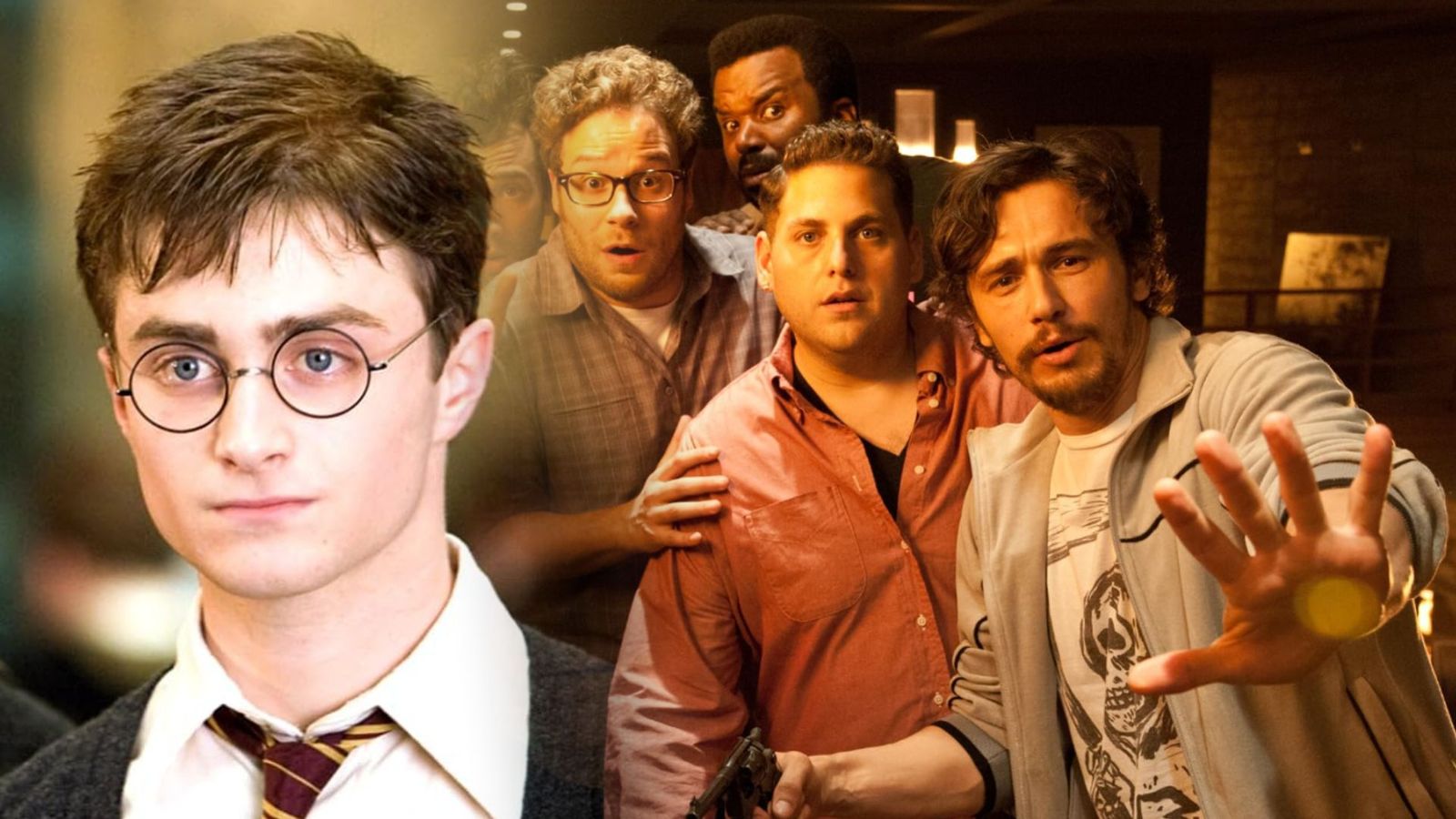
Directed by Seth Rogen and Evan Goldberg, This Is the End featured a cast of actors playing fictionalized, exaggerated versions of themselves. The premise—celebrities trapped in James Franco's house during the literal biblical apocalypse—allowed for a biting critique of Hollywood ego. Its success was rooted in its willingness to be both incredibly vulgar and surprisingly sincere regarding themes of friendship and redemption. The film's legacy in 2026 is its pioneer status in the "actors-as-themselves" subgenre.
Anchorman 2: The Legend Continues
The long-awaited sequel to the 2004 cult classic brought back Will Ferrell’s Ron Burgundy. While sequels in comedy are notoriously difficult to execute, Anchorman 2: The Legend Continues succeeded by leaning into the absurdity of the 24-hour news cycle. It expanded the scope of the original while maintaining the improvisational spirit that made the first film a hit. It serves as a prime example of the "legacy sequel" before the term became a staple of the 2020s.
We’re the Millers
A sleeper hit that utilized the "fake family" trope, We’re the Millers showcased the comedic range of Jennifer Aniston and Jason Sudeikis. By mixing domestic comedy with high-stakes drug smuggling, the film managed to appeal to a broad demographic. Its blend of raunchy humor and heart became a blueprint for mid-budget studio comedies throughout the mid-2010s.
The Rise of Dark Comedy and Prestige Satire
One of the most notable developments in 2013 was the critical acclaim garnered by "dark comedies"—films that used humor to explore grim or controversial subjects. These films often performed well during awards season, proving that comedy could be a powerful tool for social and political commentary.
- The Wolf of Wall Street: Directed by Martin Scorsese, this film is perhaps the most famous dark comedy of the decade. While ostensibly a biographical crime drama, its tone is relentlessly comedic, using slapstick and absurdity to depict the moral vacuum of 1980s finance. Leonardo DiCaprio’s performance emphasized the physical comedy of drug-induced impairment, creating iconic scenes that remain viral even in 2026.
- Inside Llewyn Davis: The Coen Brothers’ take on the 1960s folk scene in Greenwich Village is a masterclass in melancholy humor. While it is often categorized as a drama, the film’s circular narrative and the protagonist’s relentless bad luck are played with a dry, cynical wit that is characteristic of the directors' comedic style.
- Philomena: This film balanced a heartbreaking true story with the sharp, observational humor of Steve Coogan. It demonstrated how comedy could be used to make heavy themes like religious scandal and loss more accessible to a general audience.
Comparing the Top Comedies of 2013
To understand the diversity of the year's offerings, it is helpful to look at how different films performed in terms of critical reception versus commercial success. The following table highlights the disparity between high-grossing "popcorn" movies and the critically acclaimed hits of the year.
| Film Title | Primary Subgenre | Global Box Office (Approx.) | Rotten Tomatoes Score | Key Lead Actors |
|---|---|---|---|---|
| The Wolf of Wall Street | Dark Comedy / Satire | $406 Million | 80% | Leonardo DiCaprio, Jonah Hill |
| The Heat | Buddy Cop / Action | $230 Million | 66% | Sandra Bullock, Melissa McCarthy |
| We're the Millers | Crime / Road Trip | $270 Million | 48% | Jennifer Aniston, Jason Sudeikis |
| This Is the End | Supernatural / Meta | $126 Million | 83% | Seth Rogen, James Franco |
| Identity Thief | Slapstick / Road Trip | $174 Million | 19% | Jason Bateman, Melissa McCarthy |
| The World's End | Sci-Fi / Action | $46 Million | 89% | Simon Pegg, Nick Frost |
| Frances Ha | Indie / Mumblecore | $11 Million | 93% | Greta Gerwig, Adam Driver |
Indie Gems and the "Mumblecore" Movement
While the big studios were focused on high-concept premises, the independent circuit in 2013 was producing some of the most enduring character studies of the era. These films often lacked the pyrotechnics or high-stakes plots of their mainstream counterparts, focusing instead on dialogue and relatable human experiences.
Frances Ha, directed by Noah Baumbach and co-written by Greta Gerwig, became a touchstone for millennial audiences. Shot in black and white, it captured the aimlessness of a 20-something dancer in New York City. Its humor was found in the awkward silences and the protagonists' inability to navigate adult responsibilities. Gerwig’s performance was a breakout moment that paved the way for her future as a leading director.
Another standout was The Way Way Back, a coming-of-age comedy set at a water park. Featuring a career-best comedic turn from Sam Rockwell, the film used a nostalgic summer setting to explore themes of family dysfunction and mentorship. These indie films provided a necessary counterweight to the louder, more aggressive humor found in the year's blockbusters.
Common Tropes and Evolving Standards
The comedies of 2013 were caught between the "Frat Pack" era of the early 2000s and the more socially conscious humor of the late 2010s and 2020s. As a result, they often contain a mix of transgressive jokes and progressive themes.
- The Improv-Heavy Dialogue: Inspired by the success of Judd Apatow, many 2013 comedies relied heavily on actors riffing in the moment. This led to long, rambling scenes that felt naturalistic but sometimes slowed the pacing of the film.
- The "Bromance" to "Womance" Shift: 2013 saw a conscious effort to move beyond the "bromance" dynamic. The Heat and Frances Ha focused on female friendships with the same intensity and humor previously reserved for male pairings.
- Genre Blending: Very few films in 2013 were "pure" comedies. Most incorporated elements of horror (This Is the End), sci-fi (The World’s End), or crime (Identity Thief). This trend of genre-hybridization helped keep the comedy format feeling fresh in an increasingly crowded market.
For more information on the history of comedy film developments, you can visit The American Film Institute or explore detailed filmographies at IMDb.
Frequently Asked Questions
What was the highest-grossing comedy of 2013?
The Wolf of Wall Street and The Heat were among the top earners. However, The Wolf of Wall Street led the pack internationally, grossing over $400 million. While it is often debated whether it is a "true" comedy, its satirical elements and comedic performances categorized it as such for many award bodies, including the Golden Globes.
Did any 2013 comedies win Academy Awards?
Yes, most notably The Wolf of Wall Street, which received five nominations, including Best Picture and Best Actor. While it did not win, it remains a rare example of a comedy-heavy film receiving top-tier Academy recognition. Additionally, the dark comedy/drama Philomena received several nominations, including Best Adapted Screenplay.
Why were there so many apocalypse comedies in 2013?
The "end of the world" trend was partly a cultural reaction to the 2012 Mayan apocalypse predictions. Filmmakers used the aftermath of this cultural moment to satirize how different groups—from self-absorbed celebrities to aging friends—would react to a global catastrophe.
Which 2013 comedy is considered the best for a modern audience?
Frances Ha and The World's End have aged particularly well due to their focus on timeless themes like friendship, aging, and finding one's place in the world. The Heat also remains highly regarded for its chemistry between the leads, which helped redefine the buddy-cop genre for the modern era.
How did 2013 comedies influence films in 2026?
The 2013 slate normalized the "hybrid comedy," where humor is just one component of a larger genre piece. In 2026, we see this in the way most major action and drama franchises incorporate heavy comedic elements. Additionally, the rise of Greta Gerwig from the 2013 indie scene has had a profound impact on the current landscape of major studio filmmaking.
Recommended Viewing for Comedy Enthusiasts
If you are looking to revisit the best of 2013, the following steps will help you curate a balanced marathon that captures the essence of that year:
- Start with the Blockbuster Meta-Humor: Watch This Is the End to understand the height of the 2010s "Rogen-era" humor. It provides a perfect snapshot of the celebrities who dominated the cultural conversation at the time.
- Explore the Indie Sensitivity: Follow up with Frances Ha. This provides a sharp contrast to the loudness of the blockbusters and showcases the beginning of the "A24 aesthetic" that dominated the late 2010s.
- Witness the Genre Evolution: End with The Heat or The World's End. These films show how traditional genres like the buddy-cop movie or the sci-fi thriller were successfully reinvented through a comedic lens.
By engaging with these varied titles, you will gain a comprehensive understanding of why 2013 remains a landmark year for comedy. Whether you prefer the absurdity of a celebrity apocalypse or the quiet struggles of a New York dancer, the films of 2013 offer something for every type of viewer.