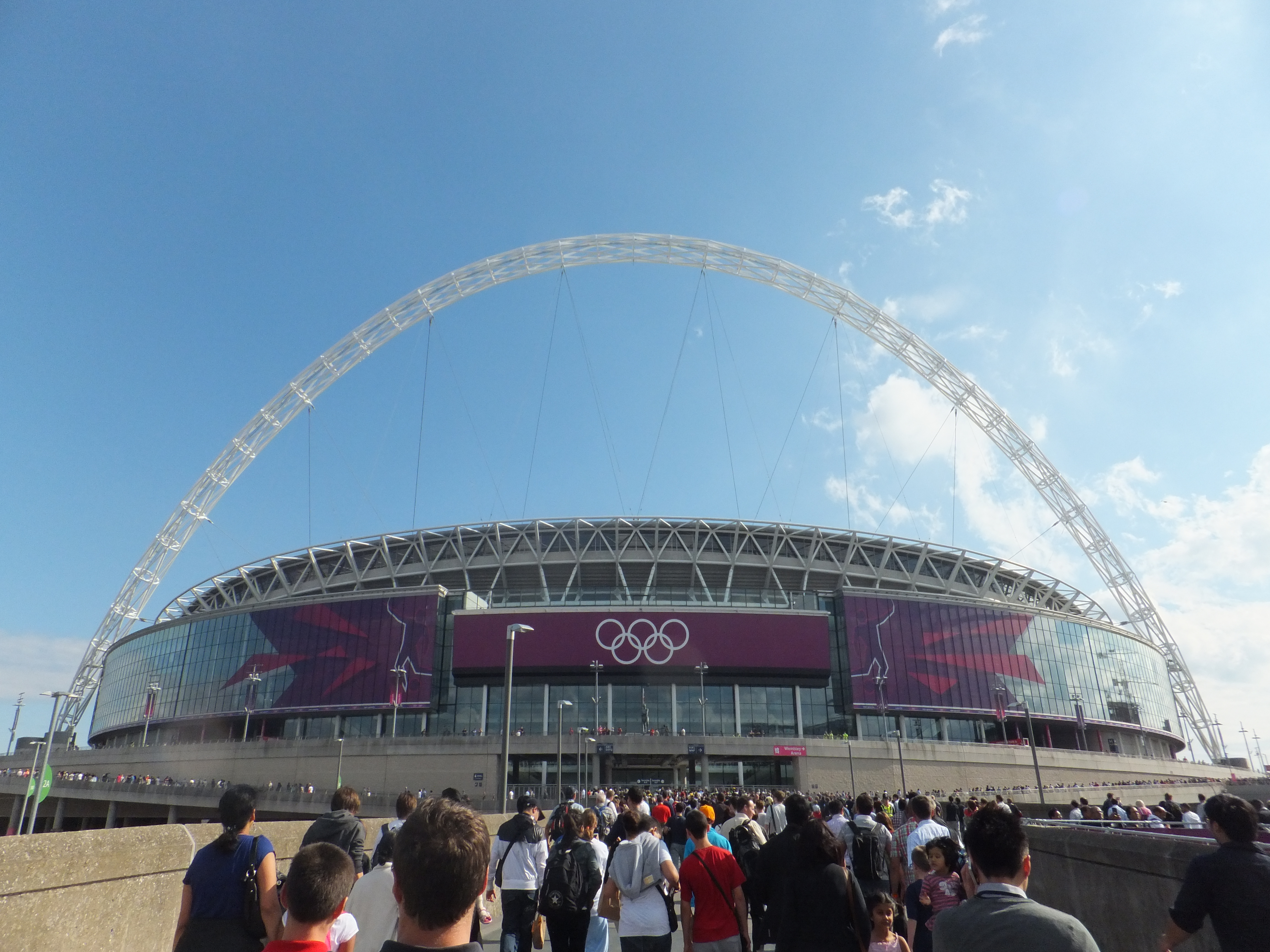
The London 2012 Summer Olympics, officially known as the Games of the XXX Olympiad, took place from July 27 to August 12, 2012, in London, United Kingdom. Featuring 10,768 athletes from 204 nations competing in 26 sports, the Games were celebrated for their organizational excellence, cultural impact, and the successful urban regeneration of East London's Stratford district.
The Road to London: Host City Selection and Preparation
The journey to the 2012 Olympics began years before the first torch was lit. In July 2005, during the 117th IOC Session in Singapore, London was awarded the right to host the Games, narrowly beating Paris in the final round of voting. The bid, led by former Olympic champion Sebastian Coe, focused heavily on the concept of "legacy"—promising to "Inspire a Generation" and transform a neglected industrial area of East London into a thriving community.
Preparation for the Games involved one of the largest peacetime logistical operations in British history. The centerpiece was the construction of the Queen Elizabeth Olympic Park in Stratford. This site, previously characterized by contaminated industrial land, underwent a massive environmental cleanup and infrastructure overhaul. New transport links, including the "Javelin" high-speed train service from St Pancras International, were established to handle the influx of millions of spectators.
The organizing committee, LOCOG (London Organising Committee of the Olympic and Paralympic Games), focused on sustainability and temporary structures to avoid the "white elephant" syndrome seen in previous host cities. For example, several venues were designed to be downsized or dismantled after the event, ensuring that the facilities remained viable for local community use in the following decades.
Iconic Moments and Athletic Achievements
The 2012 Olympics are remembered for some of the most significant athletic performances in sporting history. The Games provided a platform for established legends to cement their status and for new stars to emerge on the global stage.
The Reign of Usain Bolt and Michael Phelps
Usain Bolt arrived in London with the world’s eyes upon him. The Jamaican sprinter successfully defended his 100m and 200m titles, becoming the first man in history to win both events at consecutive Olympics. His charisma and "lightning bolt" pose became the defining images of the Games. Similarly, American swimmer Michael Phelps entered the 2012 Games as the most decorated Olympian. By winning four gold and two silver medals in London, he brought his total career medal count to 22, surpassing the record previously held by gymnast Larisa Latynina.
"Super Saturday" and Team GB’s Success
For the host nation, Saturday, August 4, 2012, became known as "Super Saturday." Within a single hour at the Olympic Stadium, British athletes Jessica Ennis-Hill (Heptathlon), Greg Rutherford (Long Jump), and Mo Farah (10,000m) all won gold medals. This sparked a wave of national celebration and propelled Team GB to its best Olympic finish in over a century. Great Britain eventually finished third in the overall medal table, a testament to the "World Class Programme" funding and home-field advantage.
Milestones in Gender Equality
London 2012 was the first Olympics where every participating nation sent female athletes. This was a significant milestone in Olympic history, particularly with the inclusion of female athletes from Saudi Arabia, Qatar, and Brunei for the first time. Additionally, women’s boxing made its debut, with Nicola Adams of Great Britain winning the first-ever gold medal in the flyweight division.
The Cultural Impact: Opening and Closing Ceremonies
The cultural narrative of the 2012 Olympics was shaped by its ceremonies, which sought to define modern British identity. The Opening Ceremony, titled "Isles of Wonder" and directed by Academy Award winner Danny Boyle, was a cinematic journey through British history and culture.
The ceremony moved through several distinct phases:
- Green and Pleasant Land: A representation of Britain’s pastoral past.
- Pandemonium: A tribute to the Industrial Revolution, featuring the forging of the Olympic rings.
- Second to the Right, and Straight on Till Morning: A celebration of the National Health Service (NHS) and British children's literature.
- The Digital Age: A nod to the invention of the World Wide Web by Sir Tim Berners-Lee.
One of the most memorable moments involved a filmed sequence where Daniel Craig, playing James Bond, escorted Queen Elizabeth II to the stadium via helicopter, followed by a stunt where she appeared to skydive into the arena. This blend of humor and tradition resonated globally, showcasing a self-aware and creative Britain. The Closing Ceremony, titled "A Symphony of British Music," celebrated the UK's massive contribution to global pop culture, featuring performances by The Spice Girls, The Who, and Brian May.
Infrastructure and Venue Sustainability
A key differentiator for London 2012 was the technical design of its venues. The Olympic Delivery Authority (ODA) emphasized the use of sustainable materials and long-term utility.
| Venue | Primary Use in 2012 | Post-Olympic Legacy (2026 Status) |
|---|---|---|
| Olympic Stadium | Athletics & Ceremonies | Home of West Ham United FC and National Athletics Centre. |
| Aquatics Centre | Swimming & Diving | Public swimming facility and high-performance training hub. |
| Velopark | Track Cycling & BMX | Lee Valley VeloPark; open for community and professional use. |
| Copper Box Arena | Handball & Goalball | Multi-sport arena used for basketball, netball, and concerts. |
| East Village | Athlete Accommodation | Transformed into thousands of residential homes (Get Living). |
| Eton Dorney | Rowing & Canoeing | High-performance rowing center and public parkland. |
The Velodrome, often referred to as "The Pringle" due to its distinctive roof shape, remains a benchmark for sustainable architecture. It utilized natural ventilation and lighting to minimize energy consumption, a design philosophy that has influenced several Olympic venues in the years since. By 2026, the Queen Elizabeth Olympic Park has fully integrated into London's fabric, serving as a hub for technology (Here East), education (UCL East), and culture (East Bank).
The 2026 Perspective: Long-term Socio-Economic Legacy
Fourteen years after the closing ceremony, the legacy of London 2012 remains a subject of study for urban planners. The Games successfully accelerated the regeneration of Stratford, which was once one of the most deprived areas in the UK. The introduction of the Westfield Stratford City shopping center and the relocation of government and educational institutions to the area have created a new "metropolitan center" for London.
However, the legacy is not without its complexities. While the physical infrastructure has been a success, the "Inspire a Generation" goal regarding sports participation has seen mixed results. While elite sports funding remained high, grassroots participation in some sectors struggled to see the permanent uplift initially predicted. Furthermore, the rising cost of living in East London has raised questions about the displacement of original residents, a common challenge in large-scale urban redevelopment projects.
From a financial standpoint, the Games cost approximately £8.77 billion, which was significantly higher than the initial bid estimate but within the revised budget set in 2007. The economic return, measured through increased tourism, foreign direct investment, and trade, has been estimated by various government reports to have exceeded the initial outlay over the decade following the event.
Frequently Asked Questions
Which country won the most medals at the 2012 Olympics?
The United States topped the medal table with 104 total medals, including 46 gold, 28 silver, and 30 bronze. China followed in second place with 38 gold medals, and Great Britain finished third with 29 gold medals. The final medal standings were subject to some revisions in later years due to disqualifications related to anti-doping violations.
What was the significance of the 2012 Olympic logo?
The 2012 logo, designed by the agency Wolff Olins, was a jagged representation of the number "2012" and was available in several colors. It was controversial at the time of its release, receiving criticism for its unconventional aesthetic. However, the designers defended it as a "brand for the digital age," intended to be flexible, energetic, and appealing to a younger audience rather than following traditional, static Olympic imagery.
How did London handle the security for the Games?
Security was a massive undertaking, involving over 40,000 personnel, including the police, private security (G4S), and approximately 18,000 members of the British Armed Forces. While there were initial concerns regarding G4S's ability to provide enough staff, the military successfully stepped in to fill the gaps, and the Games proceeded without major security incidents, establishing a blueprint for future large-scale event security.
Was London the first city to host the Olympics three times?
Yes, with the 2012 Games, London became the first city in the modern Olympic era to host the Summer Games three times. The previous years were 1908 and 1948. This record was later equaled by Paris (1900, 1924, 2024) and is set to be matched by Los Angeles in 2028.
How many world records were broken during the 2012 Games?
A total of 32 world records were set in 8 sports during the London 2012 Olympics. The highest number of world records occurred in swimming and track cycling, driven by improvements in athlete training, sports science, and venue conditions (such as the optimized water temperature and depth in the Aquatics Centre).
Recommendations for Further Research
For those looking to understand the technical and cultural impact of the 2012 Olympics, several resources provide deep insights:
- Official IOC Reports: The International Olympic Committee maintains a comprehensive archive of the 2012 Games, including official results and technical reports on venue construction.
- Legacy Impact Studies: The UK Government and the Mayor of London's office periodically release "Post-Games Legacy" reports that analyze the long-term economic and social effects on East London.
- Cultural Analysis: Viewing the full Opening Ceremony, available via the Olympic YouTube channel, offers a unique look at how the host nation chose to represent its history and future to a global audience.
Whether viewed as a triumph of urban engineering or a pinnacle of global sporting achievement, the 2012 Olympics continue to serve as a reference point for how modern cities can host large-scale events while prioritizing long-term community benefits.