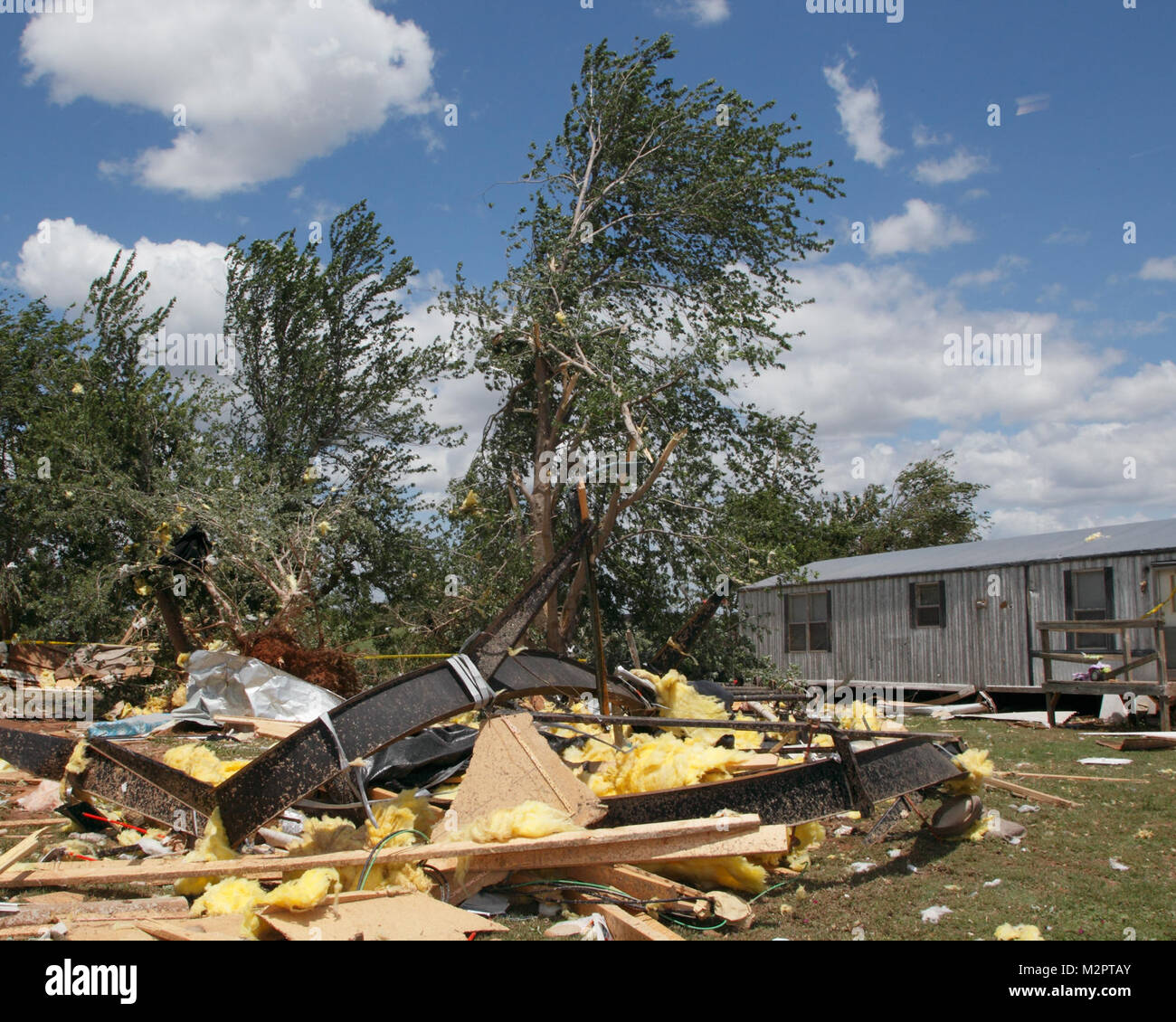
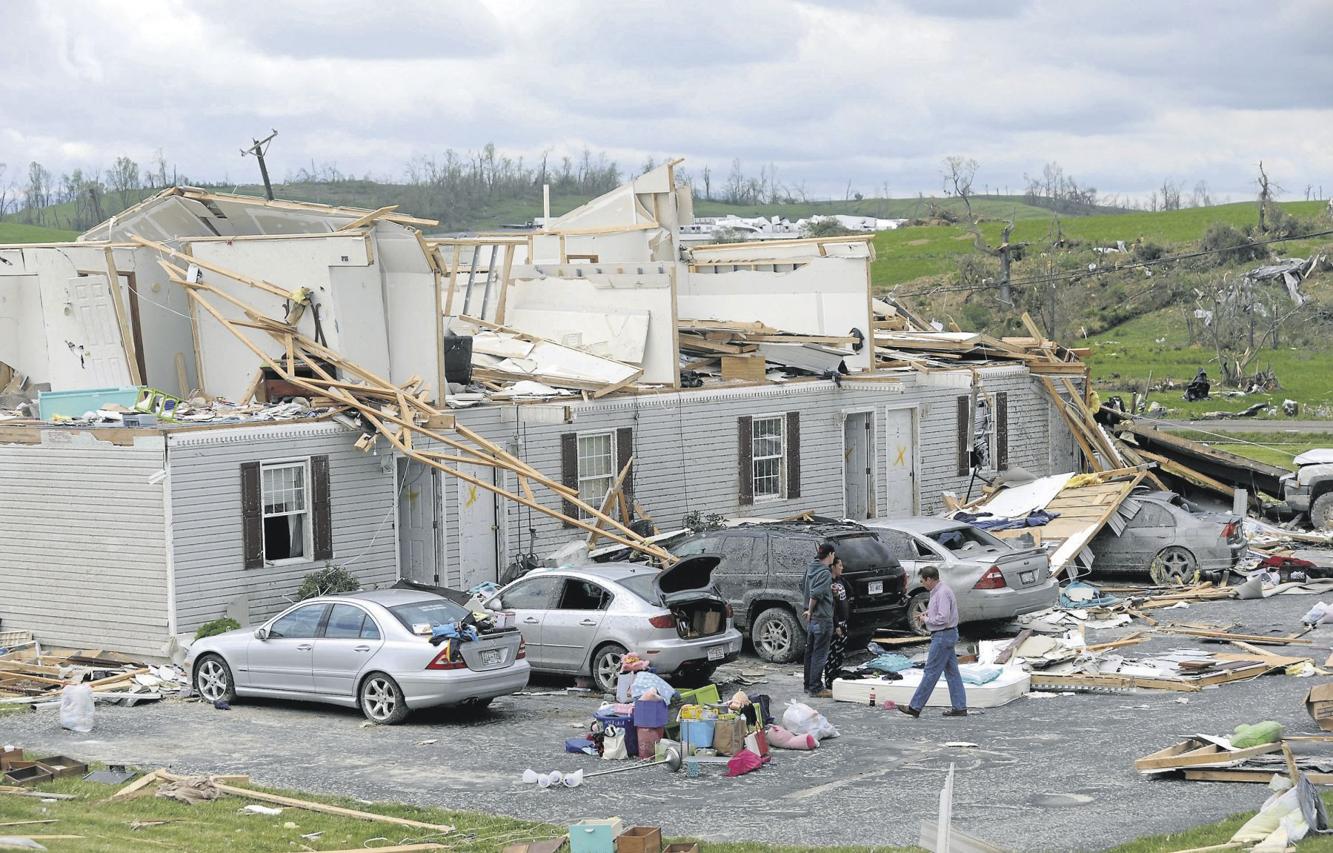
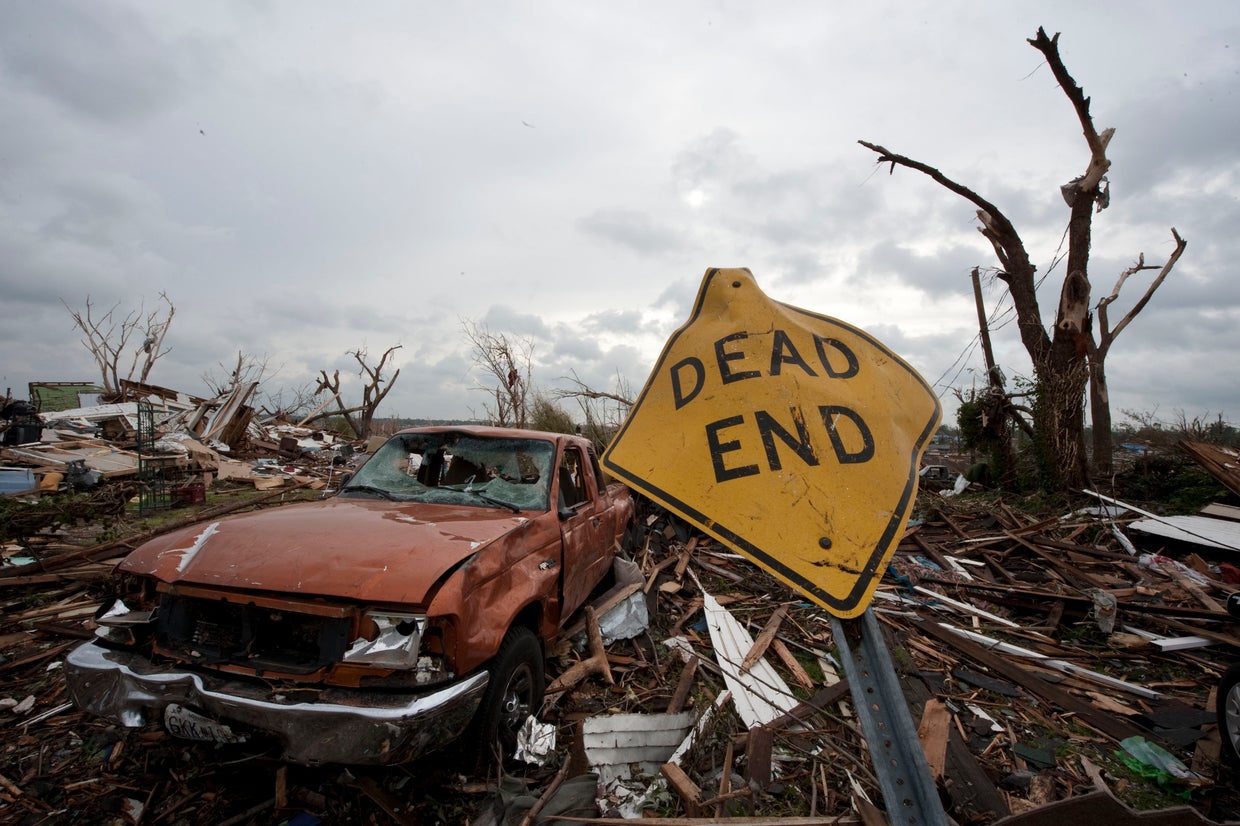
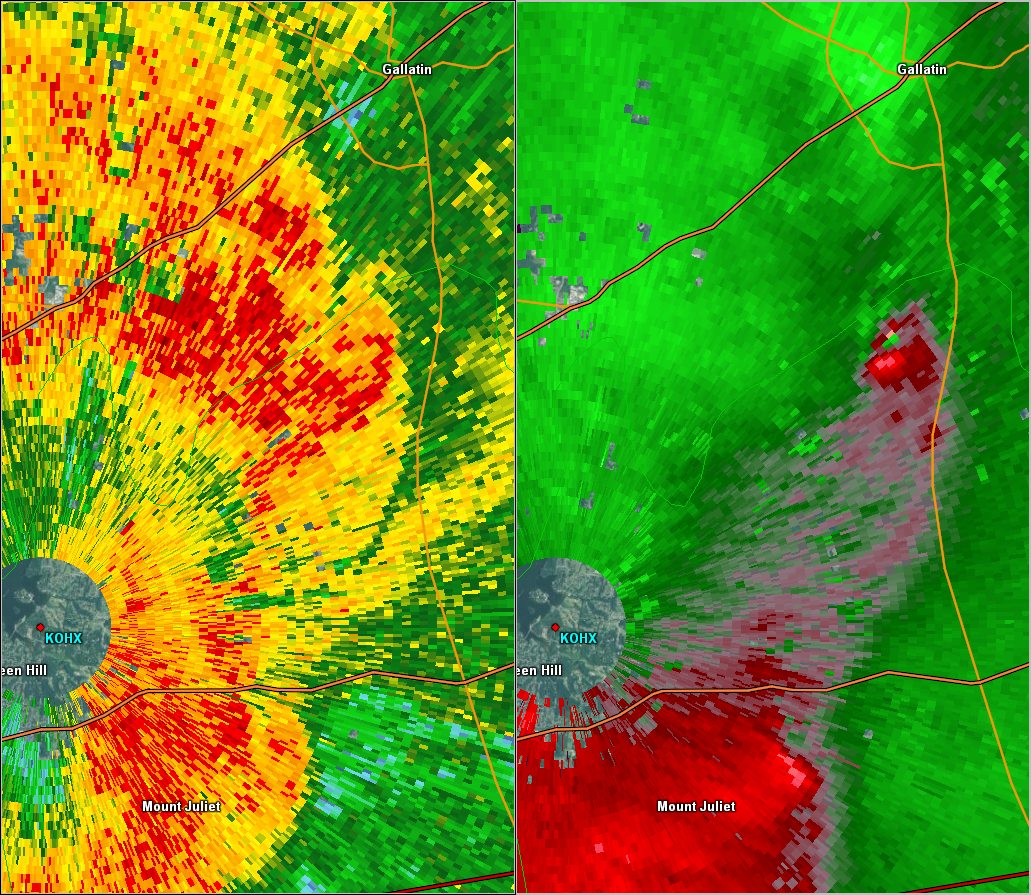
The 2011 tornado season was the deadliest and most destructive in the modern era of United States meteorology. Defined by the historic April "Super Outbreak" and the catastrophic Joplin, Missouri EF5, the year saw 1,691 confirmed tornadoes and 553 fatalities, resulting in over $28 billion in property damage and profound changes to emergency management.
The Historic Magnitude of the 2011 Tornado Season
To understand the 2011 tornado season is to recognize a year where atmospheric conditions aligned with tragic precision. While the United States experiences approximately 1,200 tornadoes annually, 2011 far exceeded these norms in both frequency and intensity. This was not merely a high-volume year; it was a year of "high-impact" events—tornadoes that struck densely populated areas with maximum intensity on the Enhanced Fujita (EF) scale.
The primary driver behind this volatility was a persistent and powerful La Niña pattern. This climate phenomenon resulted in a highly active jet stream that repeatedly dipped into the southern U.S., allowing cold, dry air from Canada to collide with warm, moist air from the Gulf of Mexico. This intersection created the extreme instability and wind shear necessary for the formation of long-track supercells—massive, rotating thunderstorms capable of producing the strongest tornadoes.
By the end of 2011, the National Oceanic and Atmospheric Administration (NOAA) had recorded six EF5 tornadoes. To put this in perspective, an EF5 is a rare event, often occurring less than once per year on average. The concentration of such power within a single spring season remains a benchmark for meteorological study and disaster preparedness as of 2026.
The April 2011 Super Outbreak: April 25–28
The most significant event of the year, and arguably in recorded history, was the 2011 Super Outbreak. Between April 25 and April 28, a staggering 360 tornadoes were confirmed across 21 states, stretching from the Gulf Coast to the Great Lakes. The epicenter of this destruction was Alabama, which bore the brunt of the "Black Wednesday" events on April 27.
On that single day, 122 tornadoes touched down. The most notorious was the Tuscaloosa-Birmingham tornado, an EF4 with winds reaching 190 mph. This massive wedge tornado carved a path of destruction 80 miles long and up to 1.5 miles wide, cutting through the heart of residential neighborhoods and the University of Alabama's home city. The sheer scale of the debris field was so immense that it was visible on standard weather radar, a phenomenon known as a "Tornado Debris Signature" (TDS).
The Super Outbreak tested the limits of the National Weather Service (NWS) warning systems. While lead times for warnings were, on average, 24 minutes—exceeding the national goal—the sheer number of simultaneous storms led to "warning fatigue" among the public. In some areas, sirens were sounding almost continuously for hours, making it difficult for residents to distinguish between a distant threat and an immediate life-safety emergency.
The Joplin, Missouri EF5: May 22, 2011
Less than a month after the Super Outbreak, the city of Joplin, Missouri, was struck by the single deadliest tornado since modern record-keeping began in 1950. On Sunday, May 22, 2011, a multi-vortex tornado rapidly intensified into an EF5 as it entered the city limits. With winds exceeding 200 mph, the storm destroyed approximately one-third of the city, including St. John’s Regional Medical Center and Joplin High School.
The Joplin tornado was particularly lethal due to its rapid intensification and the "rain-wrapped" nature of the storm, which made the funnel invisible to many residents until it was nearly upon them. It resulted in 158 fatalities and over 1,000 injuries. The recovery effort in Joplin became a model for community resilience. By 2026, the city has not only rebuilt but has implemented some of the most stringent building codes in the Midwest, including requirements for "impact-resistant" roofing and enhanced anchoring systems for new residential builds.
The economic impact of the Joplin event alone was staggering, with insured losses reaching nearly $3 billion. It remains the costliest single tornado in U.S. history, highlighting the vulnerability of urban centers to extreme meteorological events.
Statistical Comparison of Major 2011 Tornado Events
The following table outlines the technical specifications and impacts of the most significant tornadoes recorded during the 2011 season. These figures reflect the confirmed data used by meteorologists and insurance adjusters to categorize disaster severity.
| Event Location | Date (2011) | EF Rating | Peak Winds | Path Length | Fatalities |
|---|---|---|---|---|---|
| Tuscaloosa-Birmingham, AL | April 27 | EF4 | 190 mph | 80.7 miles | 64 |
| Hackleburg-Phil Campbell, AL | April 27 | EF5 | 210 mph | 132.1 miles | 72 |
| Smithville, MS | April 27 | EF5 | 205 mph | 37.1 miles | 23 |
| Joplin, MO | May 22 | EF5 | 200+ mph | 22.1 miles | 158 |
| Piedmont-El Reno, OK | May 24 | EF5 | 210+ mph | 63.1 miles | 9 |
| Rainsville, AL | April 27 | EF5 | 200+ mph | 36.6 miles | 25 |
Source: National Centers for Environmental Information (NCEI) and NWS Assessment Reports.
Meteorological Drivers and Atmospheric Mechanics
The severity of the 2011 season was not a matter of chance but the result of specific thermodynamic variables reaching extreme levels. Meteorologists look at several key factors when analyzing why 2011 was so much more violent than subsequent years.
- Convective Available Potential Energy (CAPE): In the spring of 2011, CAPE levels—a measure of the fuel available for thunderstorms—were frequently "off the charts." High CAPE values indicate a very unstable atmosphere where air can rise rapidly, forming the towering cumulonimbus clouds necessary for supercells.
- Helicity and Wind Shear: Helicity measures the tendency of the atmosphere to generate rotation. In April 2011, a powerful low-pressure system over the Central Plains drew in high-speed winds at upper levels while southerly winds at the surface remained strong. This change in wind speed and direction with height (vertical wind shear) provided the "spin" required to turn ordinary thunderstorms into rotating supercells.
- The "Cap" and Triggering: Often, a layer of warm air aloft (the cap) prevents storms from forming. In 2011, several strong cold fronts provided the mechanical "lift" needed to break through the cap, leading to "explosive" storm development where clear skies could turn into a violent tornado outbreak in less than an hour.
Technological Advancements Since 2011
The tragedies of 2011 served as a catalyst for a massive overhaul in how the United States monitors and predicts severe weather. In the 15 years since these events, the integration of technology and social science has significantly improved public safety.
Dual-Polarization Radar: One of the most significant upgrades following 2011 was the nationwide rollout of Dual-Pol radar. Unlike older radar that only sent out horizontal pulses, Dual-Pol sends both horizontal and vertical pulses. This allows meteorologists to distinguish between rain, hail, and non-meteorological objects like debris. This "Tornado Debris Signature" (TDS) provides definitive proof that a tornado is on the ground and doing damage, even at night or when obscured by rain.
Warn-on-Forecast: The NWS has moved toward a "Warn-on-Forecast" model, which uses high-resolution computer modeling to predict individual storm cell behavior before they even form. In 2011, warnings were largely reactive based on radar sightings; today, in 2026, predictive modeling allows for longer lead times and more specific "threat polygons" that reduce the number of people warned unnecessarily while increasing the urgency for those in the direct path.
Wireless Emergency Alerts (WEA): The 2011 outbreaks highlighted the failure of traditional sirens in reaching people indoors or in vehicles. The subsequent implementation of WEA—the system that sends loud, distinctive alerts to all cellular devices in a specific geographic area—has become the primary tool for life-saving notifications.
Lessons in Structural Engineering and Safety
The destruction of 2011 revealed critical weaknesses in American residential and commercial construction. In many EF4 and EF5 cases, homes were wiped clean from their foundations, not because the wind was too strong to survive, but because the structures were not properly anchored.
Structural engineers observed that the failure often began at the roof-to-wall or wall-to-foundation connections. Since 2011, the adoption of hurricane straps and anchor bolts has become standard in many high-risk "Tornado Alley" and "Dixie Alley" jurisdictions. Furthermore, the 2011 events proved that "interior rooms" are not always sufficient in an EF5 tornado. This led to a surge in the installation of FEMA-certified safe rooms—reinforced steel or concrete bunkers designed to withstand 250 mph winds.
In public architecture, the 2011 Joplin event led to the "Joplin Standard" for hospitals, which includes the use of laminated, impact-resistant glass and redundant power systems located in reinforced enclosures to ensure that critical facilities can remain operational even after a direct hit.
Frequently Asked Questions
Why was the 2011 tornado season so much worse than other years?
The 2011 season was driven by a powerful La Niña climate pattern and a highly active jet stream that created the perfect "clash of air masses." This resulted in an unusual frequency of long-track EF4 and EF5 tornadoes striking high-population areas during the peak of spring.
How many people died in the 2011 tornadoes?
A total of 553 people lost their lives in tornado-related incidents in 2011. The majority of these fatalities occurred during the April Super Outbreak (324 deaths) and the Joplin, Missouri tornado (158 deaths).
What is the difference between "Tornado Alley" and "Dixie Alley"?
Tornado Alley traditionally refers to the Central Plains (Texas, Oklahoma, Kansas), where tornadoes are frequent but often occur in open fields. "Dixie Alley" refers to the Southeastern U.S. (Alabama, Mississippi, Tennessee). The 2011 season highlighted that Dixie Alley tornadoes are often more dangerous because they occur in forested or hilly terrain, move faster, and are more likely to occur at night.
Can a building truly be "tornado-proof"?
While most standard buildings cannot withstand a direct hit from an EF5 tornado's core, they can be made "tornado-resistant" to survive the peripheral winds. Only FEMA-certified safe rooms or underground shelters are considered "tornado-proof" against 200+ mph winds.
How has weather forecasting changed since 2011?
Since 2011, the National Weather Service has implemented Dual-Pol radar, increased the use of satellite-derived data, and improved the Wireless Emergency Alert (WEA) system. Lead times have improved, and the ability to detect debris in the air has made warnings much more accurate.
Final Recommendations for Tornado Preparedness
As we look back from 2026, the 2011 tornado season remains a stark reminder that nature's power can exceed our infrastructure's limits. The most important action a resident can take is to move beyond "passive" preparedness to "active" resilience.
First, ensure you have multiple ways to receive alerts; do not rely solely on outdoor sirens, which are intended for people who are already outside. A dedicated NOAA Weather Radio with a battery backup remains the gold standard for night-time alerts. Second, identify your "best available refuge" before a warning is issued. If you live in a high-risk area and do not have a basement or safe room, identify a nearby community shelter or a reinforced building. Finally, document your property and maintain adequate insurance coverage, specifically ensuring your policy covers "replacement cost" rather than "actual cash value," as the 2011 recovery showed that reconstruction costs often skyrocket following a regional disaster.