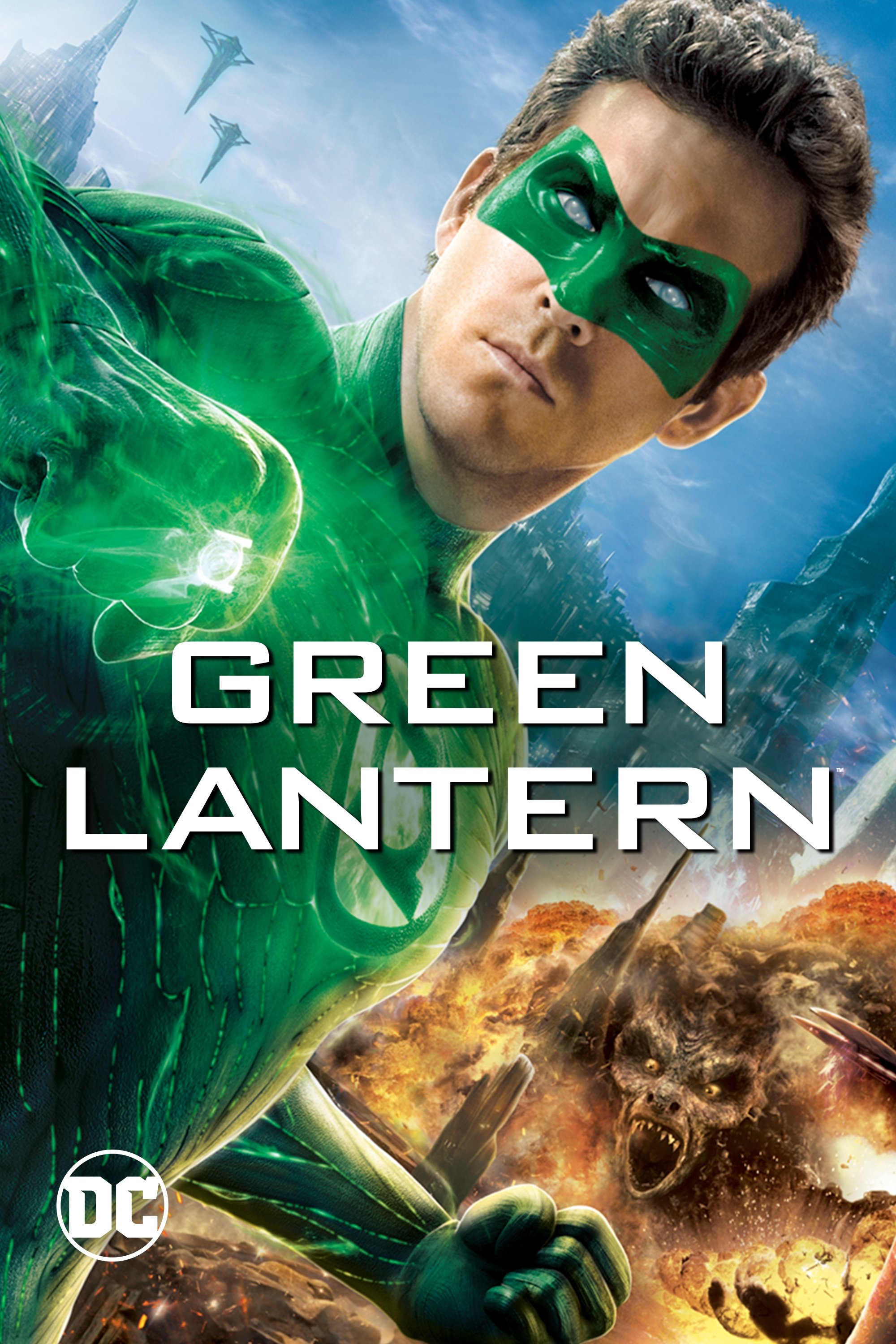
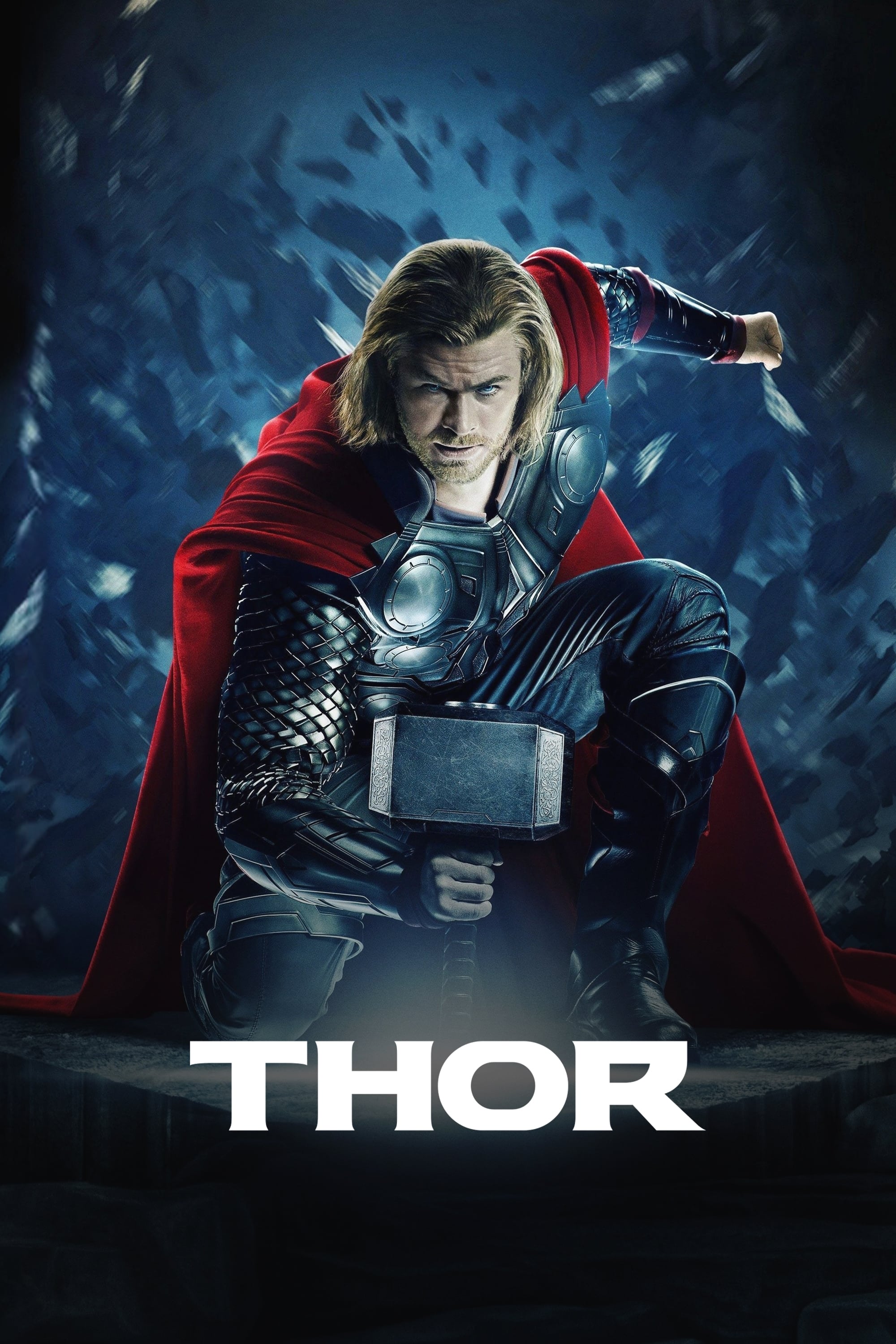
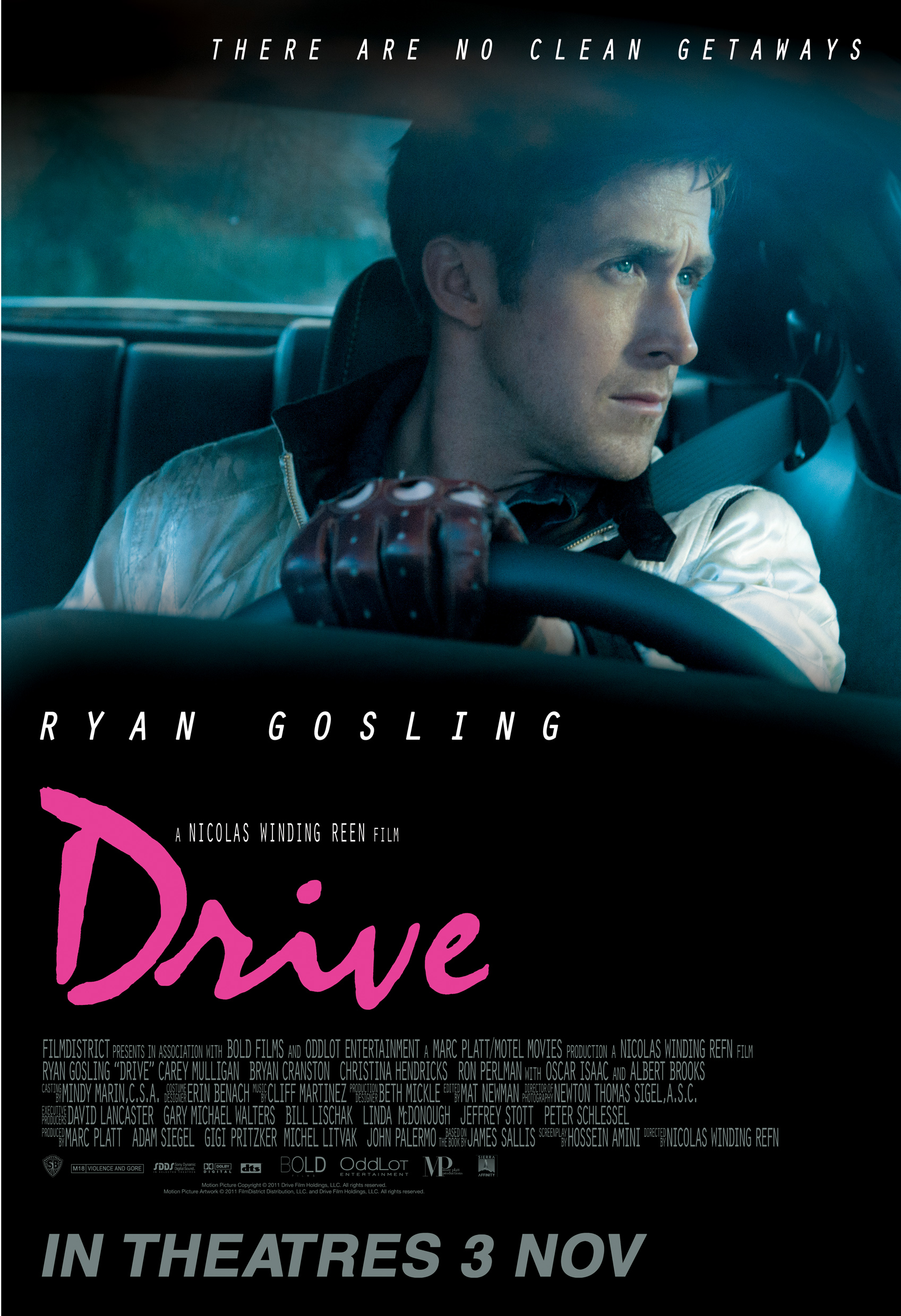
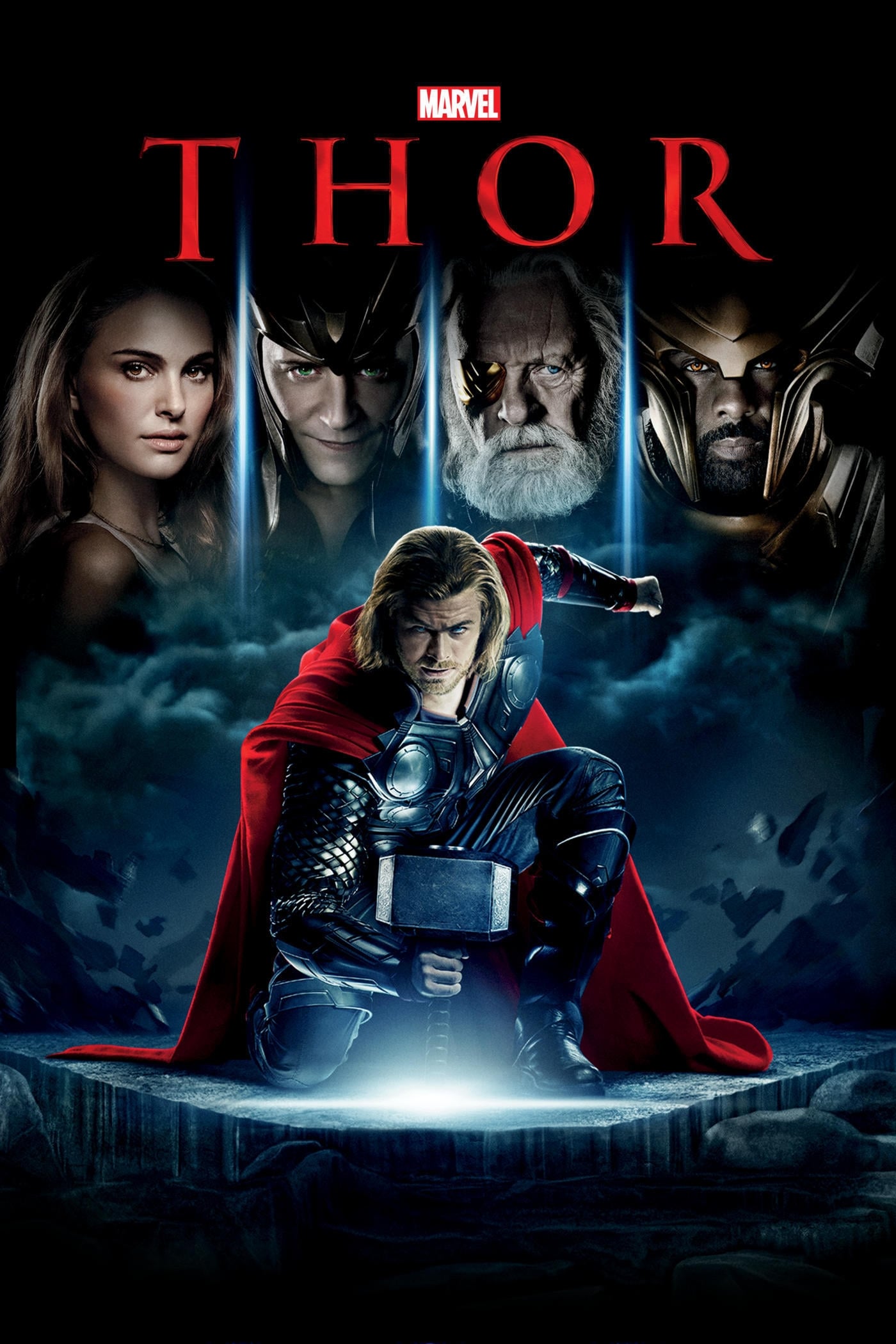
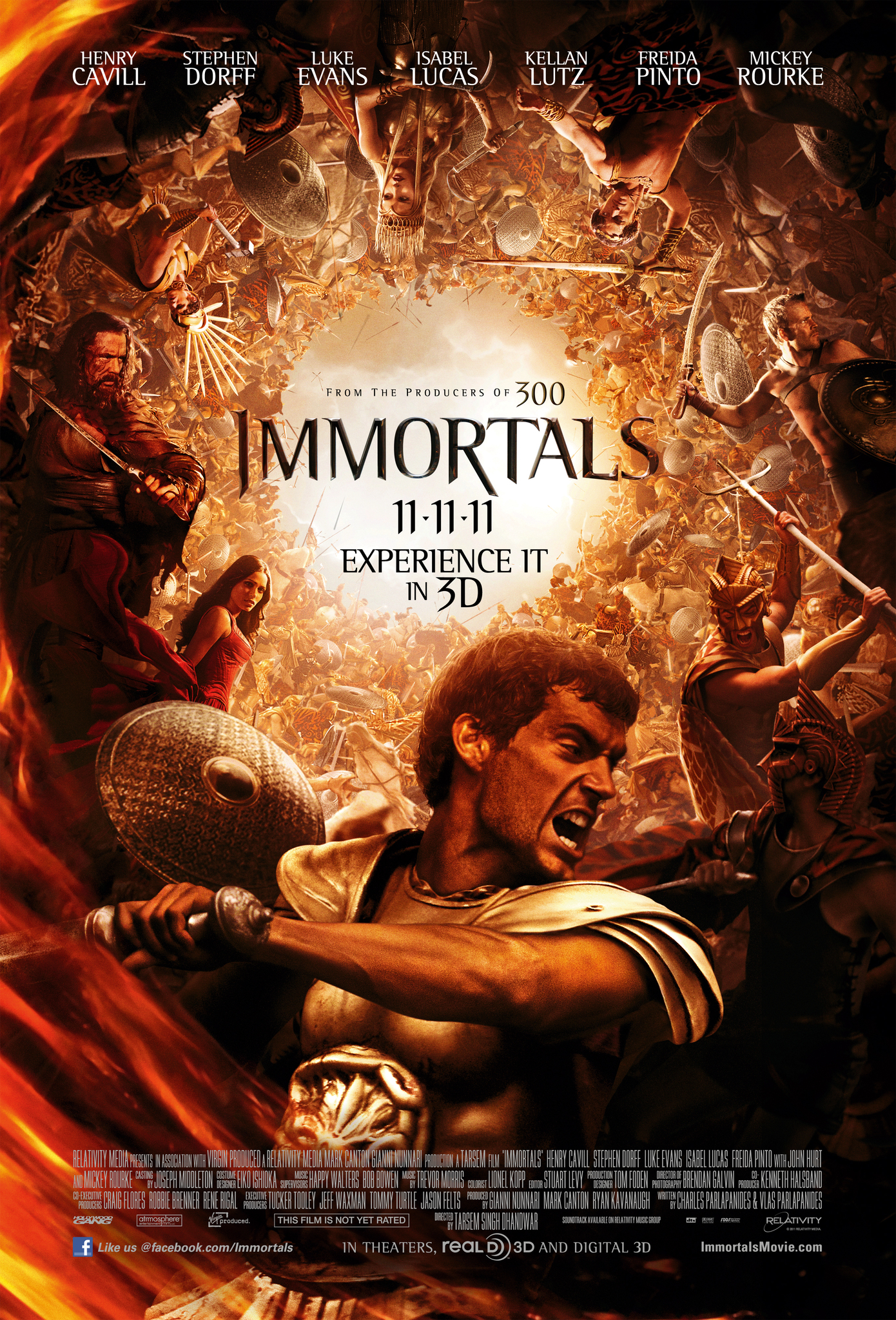
2011 was a landmark year in cinema, defined by the conclusion of the Harry Potter saga, the expansion of the Marvel Cinematic Universe through Thor and Captain America, and a nostalgic turn at the Oscars with The Artist. It marked a peak for 3D technology and the definitive transition toward digital projection in theaters.
Looking back from 2026, the films of 2011 represent a pivotal moment where the industry’s current obsession with shared universes and high-concept reboots was solidified. This year served as a bridge between the traditional star-driven era of the early 2000s and the IP-dominated landscape that characterizes the mid-2020s. To understand the current state of media, one must analyze the commercial triumphs, critical shifts, and technological disruptions that occurred during this specific twelve-month period.
The Global Box Office and the Era of the "Billion-Dollar" Sequel
In 2011, the commercial viability of a film was increasingly measured by its ability to cross the $1 billion threshold internationally. This was the year that proved sequels were not just safe bets but the primary engines of the global theatrical economy. The top of the charts was dominated by established franchises reaching their zenith or reinventing their formula for a global audience.
Harry Potter and the Deathly Hallows – Part 2 was the undisputed champion of the year. As the final installment of a decade-long journey, it garnered nearly $1.34 billion, satisfying both fans and critics. It wasn't just a movie; it was a cultural event that signaled the end of the "young adult" fantasy boom that had dominated the previous decade.
Simultaneously, other franchises pushed the boundaries of visual effects. Transformers: Dark of the Moon and Pirates of the Caribbean: On Stranger Tides both crossed the billion-dollar mark despite lukewarm critical receptions. This discrepancy between critical scores and financial performance highlighted the growing power of international markets, particularly China, which began to significantly influence how Hollywood greenlit major productions.
The 84th Academy Awards: A Duel of Cinematic Nostalgia
While the box office looked toward the future of CGI-heavy spectacles, the critical and awards landscape of 2011 was surprisingly obsessed with the past. The race for the 84th Academy Awards was a battle between two love letters to early cinema: Michel Hazanavicius’s The Artist and Martin Scorsese’s Hugo.
The Artist, a black-and-white silent film, eventually took home the Best Picture Oscar. Its victory was a historical anomaly, marking the first time a silent film won the top prize since the very first Oscars in 1929. It captured the industry's anxiety about the death of film as a physical medium, offering a romanticized view of Hollywood’s silent era.
On the other hand, Hugo utilized the most advanced 3D technology available at the time to tell the story of film pioneer Georges Méliès. Scorsese’s work demonstrated that 3D could be used for more than just action sequences; it could be an immersive tool for historical storytelling. These two films collectively represented a "nostalgia cycle" that occurs whenever the industry faces a massive technological shift—in this case, the total migration to digital workflows.
The Birth of the Modern Superhero and Action Formulas
In 2026, we view the Marvel Cinematic Universe (MCU) as a monolithic entity, but in 2011, its success was still being negotiated. This was the year that introduced the broader world to Thor and Captain America: The First Avenger. These films were essential "Phase One" building blocks that proved audiences were willing to follow interconnected narratives across different characters, setting the stage for the massive success of The Avengers the following year.
Outside of superheroes, the action genre saw a significant structural shift with Fast Five. This film is often cited by film historians as the moment the Fast & Furious series transformed from a niche street-racing franchise into a global heist-action juggernaut. By leaning into an ensemble cast and "super-powered" physics, it provided a blueprint for how long-running franchises could reinvent themselves to stay relevant.
Comparing 2011's Top Performers and Award Winners
The following table highlights the divergence between commercial dominance and critical acclaim during the 2011 calendar year.
| Film Title | Primary Genre | Global Box Office (Approx) | Major Award Wins |
|---|---|---|---|
| Harry Potter & The Deathly Hallows Pt. 2 | Fantasy/Action | $1.34 Billion | BAFTA (Best Visual Effects) |
| The Artist | Comedy/Drama | $133 Million | Oscar (Best Picture, Actor, Director) |
| Transformers: Dark of the Moon | Sci-Fi/Action | $1.12 Billion | Visual Effects Society Awards |
| A Separation | Drama/Thriller | $22 Million | Oscar (Best Foreign Language Film) |
| The Tree of Life | Experimental Drama | $54 Million | Cannes (Palme d'Or) |
| Bridesmaids | Comedy | $288 Million | AFI Movie of the Year |
| Rango | Animation | $245 Million | Oscar (Best Animated Feature) |
The Rise of "Prestige" Independent and International Cinema
While blockbusters took the headlines, 2011 was an exceptional year for auteur-driven cinema. Terrence Malick’s The Tree of Life polarized audiences but won the Palme d'Or at Cannes, offering a philosophical exploration of the universe and human nature that remains a staple of film studies curricula in 2026.
International cinema also reached a high point with Asghar Farhadi’s A Separation. The Iranian film was a masterclass in domestic tension and legal drama, proving that specific, localized stories could resonate universally. It won the Academy Award for Best Foreign Language Film and is frequently cited as one of the best screenplays of the 21st century due to its complex moral ambiguity.
In the United Kingdom and the United States, the "mumblecore" and independent scenes began to influence mainstream sensibilities. Films like Drive, directed by Nicolas Winding Refn, combined arthouse aesthetics with 80s-inspired synthwave scores and graphic violence, creating a cult following that influenced the visual language of television and film for years to follow.
Technological Shifts: The Death of 35mm and the 3D Craze
Technologically, 2011 was a "tipping point" year. It was the first year where digital cinema installations surpassed traditional 35mm film projectors in North American theaters. This shift fundamentally changed the economics of distribution, making it cheaper for studios to ship hard drives (or transmit data) than to ship heavy film canisters. However, this change also sparked a debate about "film look" versus "digital clarity" that continues among purists today.
This was also the year the industry attempted to force 3D into every possible genre. Following the success of Avatar (2009), 2011 saw a record number of 3D releases. While films like Hugo and Life of Pi (released shortly after) used the tech effectively, many others utilized "post-conversion" 3D, which often resulted in a dim, blurry viewing experience. The consumer backlash against poorly executed 3D began in late 2011, eventually leading to the format's decline in the home video market.
The Impact of Comedy and the "Bridesmaids" Effect
For years, the industry operated under the false assumption that female-led R-rated comedies were a financial risk. Bridesmaids (2011) shattered that myth completely. Produced by Judd Apatow and written by Kristen Wiig and Annie Mumolo, the film was a critical and commercial smash, earning nearly $300 million on a modest budget.
The success of Bridesmaids led to a decade of broader representation in the comedy genre. It proved that audiences craved authentic, albeit raunchy, portrayals of female friendship and life transitions. The film also served as a launchpad for Melissa McCarthy, who earned a rare Academy Award nomination for a comedic performance, highlighting the high caliber of talent involved in the project.
Frequently Asked Questions
What was the highest-grossing film of 2011?
Harry Potter and the Deathly Hallows – Part 2 was the highest-grossing film of 2011, earning over $1.3 billion worldwide. It concluded the eight-film series and held the record for the biggest opening weekend for several years. Its success was bolstered by being the first and only film in the series released in 3D.
Which movie won Best Picture at the 2011 Academy Awards?
Technically, the Oscars held in 2011 honored 2010 films (where The King's Speech won). However, for films released in the calendar year 2011, the Best Picture winner was The Artist (awarded in February 2012). It was a French-produced silent film that beat out other nominees like The Descendants, Moneyball, and The Help.
Were there any major cinematic controversies in 2011?
One of the most discussed controversies involved Lars von Trier during the Cannes Film Festival premiere of Melancholia. The director made provocative comments during a press conference that led to him being declared "persona non grata" by the festival for a period. Despite this, the film itself received immense critical acclaim, particularly for Kirsten Dunst’s performance.
How did 2011 influence the current (2026) superhero movie landscape?
2011 was the foundational year for the Marvel Cinematic Universe's "integrated" strategy. By releasing Thor and Captain America: The First Avenger in the same summer, Marvel Studios proved that audiences would support a serialized storytelling model. This paved the way for the "universe" model that almost every major studio attempted to replicate over the next 15 years.
What is the best way to watch 2011 films today?
In 2026, most 2011 classics are available on major streaming platforms like Max, Disney+, and Netflix. However, for the best visual experience, many of these films have received 4K Ultra HD Blu-ray restorations. Boutique labels like Criterion have also released special editions of 2011 indies like The Tree of Life and A Separation, featuring retrospective documentaries and director commentaries.
Practical Recommendation: Revisiting the Year 15 Years Later
If you are looking to revisit the cinema of 2011 from a modern perspective, start with a "Triple Feature" that represents the three pillars of that year: Harry Potter and the Deathly Hallows – Part 2 (for the birth of the modern blockbuster), The Artist (to understand the era's obsession with cinematic history), and Drive (to see the birth of the 2010s "neon-noir" aesthetic).
For students of film, comparing the 3D implementation in Hugo against the 3D in Transformers: Dark of the Moon provides an excellent case study in how technology can be used for both artistic depth and pure sensory spectacle. As we continue through 2026, these films remain more than just memories; they are the architectural blueprints for the entertainment we consume today.