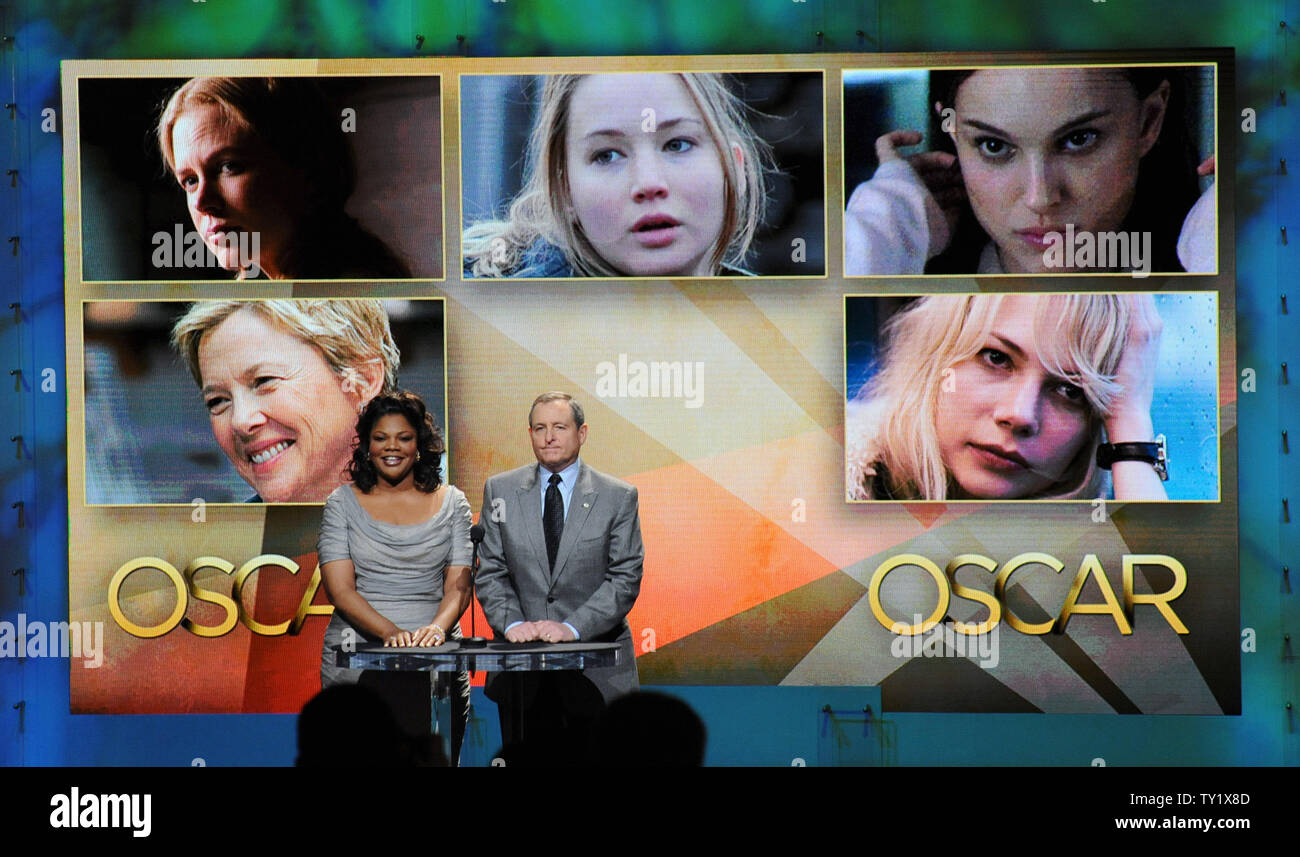
In 2011, at the 83rd Academy Awards, Natalie Portman won the Oscar for Best Actress for her transformative role as Nina Sayers in Black Swan. The other nominees in this highly competitive category included Annette Bening for The Kids Are All Right, Nicole Kidman for Rabbit Hole, Jennifer Lawrence for Winter's Bone, and Michelle Williams for Blue Valentine.
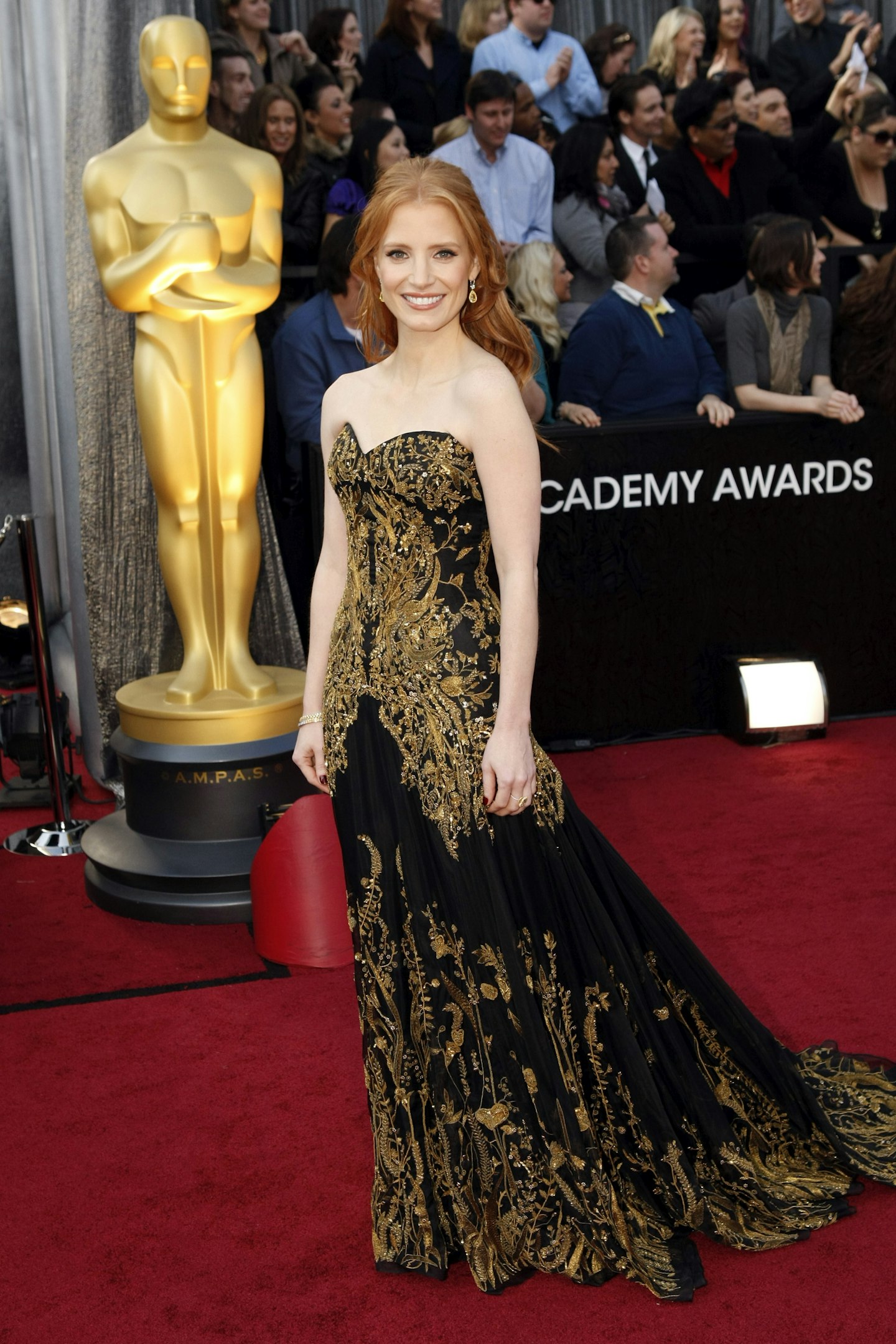
The 83rd Academy Awards, held on February 27, 2011, at the Kodak Theatre in Hollywood, remain one of the most discussed ceremonies in Oscar history. While much of the post-show commentary focused on the unconventional hosting duo of James Franco and Anne Hathaway, the acting categories featured a formidable lineup of veteran talent and emerging superstars. The Best Actress category, in particular, was a "two-horse race" for much of the season between a respected veteran and a young actress delivering a career-defining physical performance.
The Winner: Natalie Portman in Black Swan
Natalie Portman’s victory for Black Swan was the culmination of a dominant awards season. Directed by Darren Aronofsky, the psychological horror film required Portman to undergo a grueling physical transformation. She reportedly lost 20 pounds and trained for up to 16 hours a day to portray a professional ballerina descending into madness.
The role of Nina Sayers was complex, requiring Portman to balance the "White Swan’s" technical perfection and innocence with the "Black Swan’s" burgeoning sensuality and darkness. Critics praised her ability to convey the character’s internal fracture through both subtle facial expressions and demanding physical choreography. Her win was seen not just as a reward for a single performance, but as a recognition of her transition from a successful child actress and blockbuster star into a top-tier dramatic powerhouse. In the years following her win, Portman continued to select diverse roles, but Black Swan remains the definitive benchmark of her filmography.
The 2011 Best Actress Nominees: A Deep Dive
The 2011 field was notable for its mix of indie darlings and established Hollywood royalty. Each performance represented a different facet of the female experience, from the grief of losing a child to the struggle of poverty in rural America.
Annette Bening – The Kids Are All Right
Annette Bening’s nomination for The Kids Are All Right marked her fourth Academy Award nod. In the film, she played Nic, an obstetrician and the primary breadwinner in a same-sex household. Bening was lauded for her grounded, authentic portrayal of a woman navigating the complexities of marriage, motherhood, and the unexpected arrival of her children’s biological father. Many pundits felt that 2011 was Bening’s "overdue" year, as she had previously lost to Hilary Swank twice. Her performance was a masterclass in controlled emotion and mid-life vulnerability.
Jennifer Lawrence – Winter's Bone
At just 20 years old, Jennifer Lawrence was the second-youngest Best Actress nominee in history at that time. Her performance as Ree Dolly in the gritty, low-budget indie Winter's Bone was a revelation. Playing a teenager in the Ozarks searching for her missing father to save her family from eviction, Lawrence displayed a stoicism and maturity that belied her age. This nomination served as the launchpad for her stratospheric rise to fame, leading directly to her casting in The Hunger Games and her eventual Oscar win two years later for Silver Linings Playbook.
Nicole Kidman – Rabbit Hole
Nicole Kidman earned her third nomination for Rabbit Hole, a film she also produced. Based on the play by David Lindsay-Abaire, the story follows a couple struggling to cope with the death of their young son. Kidman’s performance as Becca Corbett was praised for its refusal to lean into typical "movie grief." Instead, she portrayed a prickly, uncomfortable, and often angry version of sorrow that felt painfully real. It was a stark reminder of Kidman’s range and her commitment to challenging, character-driven independent cinema.
Michelle Williams – Blue Valentine
Michelle Williams received her second Oscar nomination for Blue Valentine, a non-linear drama depicting the dissolution of a marriage. Alongside Ryan Gosling, Williams delivered a raw, unvarnished performance as Cindy, a woman falling out of love. The film’s intimate shooting style and the actors' improvisational chemistry made the performance feel almost voyeuristic. Williams’ ability to portray the same character across different life stages—from a hopeful young student to a weary, disillusioned mother—demonstrated her exceptional emotional intelligence.
2011 Best Actress Nominees and Results Table
The following table summarizes the primary contenders for the Best Actress award at the 83rd Academy Awards.
| Nominee | Film | Role | Result |
|---|---|---|---|
| Natalie Portman | Black Swan | Nina Sayers | Winner |
| Annette Bening | The Kids Are All Right | Dr. Nicole "Nic" Allgood | Nominee |
| Nicole Kidman | Rabbit Hole | Becca Corbett | Nominee |
| Jennifer Lawrence | Winter's Bone | Ree Dolly | Nominee |
| Michelle Williams | Blue Valentine | Cindy Heller | Nominee |
Broader Context: The Full List of Major 2011 Oscar Winners
While the Best Actress race was a focal point, the 2011 Oscars saw several other notable victories. The night was largely a sweep for The King’s Speech, which took home the top prizes, despite heavy competition from The Social Network and Inception.
- Best Picture: The King's Speech (Produced by Iain Canning, Emile Sherman, and Gareth Unwin)
- Best Director: Tom Hooper – The King's Speech
- Best Actor: Colin Firth – The King's Speech (as King George VI)
- Best Supporting Actor: Christian Bale – The Fighter (as Dicky Eklund)
- Best Supporting Actress: Melissa Leo – The Fighter (as Alice Ward)
- Best Original Screenplay: David Seidler – The King's Speech
- Best Adapted Screenplay: Aaron Sorkin – The Social Network
- Best Animated Feature: Toy Story 3 (Lee Unkrich)
The victory of The King's Speech over The Social Network remains one of the most debated "Best Picture" decisions of the 21st century. In 2026, looking back at these films, The Social Network is often cited for its prescience regarding big tech, while The King's Speech is remembered as a quintessential, high-quality historical drama.
The Cultural Impact and Legacy of the 2011 Race
Looking back from the perspective of 2026, the 2011 Best Actress race is significant for several reasons. It represented a turning point in how the Academy viewed "genre" performances. Natalie Portman’s win for a horror-thriller like Black Swan broke the tradition of the Academy preferring historical biopics or straightforward dramas.
Furthermore, this was the year that solidified the "prestige indie" as a powerhouse for female roles. All five nominees appeared in films that were either independently produced or had relatively modest budgets compared to summer blockbusters. This era marked a shift where the most complex and rewarding roles for women were increasingly found outside the traditional studio system.
The 2011 ceremony is also remembered for its "generational" handoff. We saw the veteran presence of Bening and Kidman alongside the arrival of Jennifer Lawrence, who would go on to dominate the 2010s. The 83rd Academy Awards acted as a bridge between the classic Hollywood era and the modern, talent-driven landscape we see today.
Frequently Asked Questions
Who was the youngest nominee for Best Actress in 2011?
Jennifer Lawrence was the youngest nominee in the category that year. At age 20, she was recognized for her breakout role in Winter's Bone. This nomination made her one of the youngest actresses ever to be nominated in the lead category, a record later surpassed by Quvenzhané Wallis in 2013.
Did Natalie Portman do her own dancing in Black Swan?
Natalie Portman performed a significant portion of the dancing seen on screen, having trained extensively for a year prior to filming. However, for the most technically demanding pointe work and complex sequences, a professional dance double, Sarah Lane, was used. This led to some minor controversy after the Oscars regarding the extent of the digital face-replacement used in the final edit.
Why did The Social Network lose to The King's Speech?
While The Social Network won many of the precursor awards and was the critics' favorite, The King's Speech appealed more to the older demographic of the Academy voters at the time. Its themes of overcoming personal adversity and its historical setting aligned with traditional "Oscar bait" criteria, whereas the fast-paced, cynical tone of The Social Network was seen as more unconventional.
How many Oscars did Black Swan win in total?
Despite being nominated for five Academy Awards—including Best Picture, Best Director, Best Cinematography, and Best Film Editing—Black Swan only won one Oscar: Natalie Portman for Best Actress.
Who hosted the 2011 Academy Awards?
The 83rd Academy Awards were hosted by actors James Franco and Anne Hathaway. The pairing was an attempt by the Academy to attract a younger audience. However, the telecast received mixed to negative reviews, with critics noting a lack of chemistry between the two hosts and Franco’s seemingly detached demeanor.
How to Study These Performances Today
For students of acting or film enthusiasts in 2026, the 2011 Best Actress lineup provides an excellent curriculum for studying "internal" vs. "external" acting.
- Analyze Contrast: Watch Black Swan and The Kids Are All Right back-to-back. Observe how Portman uses physical strain and hyper-expression to show madness, compared to how Bening uses stillness and subtle eye movements to show a collapsing marriage.
- Breakout Archetypes: Study Jennifer Lawrence in Winter's Bone to see how "less is more." Her performance is a masterclass in holding the screen without performing "big" emotional outbursts.
- Source Material: Read the play Rabbit Hole by David Lindsay-Abaire and then watch Nicole Kidman’s interpretation. Notice the choices she makes to translate stage dialogue into a cinematic, intimate setting.
- Physicality in Film: Research the "Aronofsky Method" regarding his work with actors. Portman’s preparation for Black Swan is often compared to Mickey Rourke’s in The Wrestler, providing insight into how directors can push actors to their physical limits for the sake of the role.
Most of these films are available on major streaming platforms or through digital archives like the Criterion Channel, which frequently features the independent works of Michelle Williams and Nicole Kidman.