The 2010 film cast landscape represents a pivotal era in cinema where veteran actors and rising stars converged to create some of the most influential ensembles of the 21st century. From the psychological layers of Inception to the fast-paced dialogue of The Social Network, these casts defined a year of massive box-office success and critical acclaim.
In 2026, looking back sixteen years, the cinematic output of 2010 remains a gold standard for casting directors. It was a year that solidified the "A-list" status of several current icons and showcased the power of the ensemble over the individual star. This analysis explores the most significant film casts of 2010, the chemistry that made them successful, and the lasting impact of their performances on the industry.
The Architectural Ensemble of Christopher Nolan’s Inception
Christopher Nolan’s Inception is perhaps the most scrutinized and celebrated ensemble of 2010. The film’s success relied heavily on a cast that could ground a high-concept, dream-within-a-dream narrative with emotional weight. Leonardo DiCaprio led the cast as Dom Cobb, but the strength of the film lay in its "heist team" structure, where each member filled a specific archetypal role.
Joseph Gordon-Levitt (Arthur) and Elliot Page (Ariadne) provided the necessary exposition and logic, while Tom Hardy (Eames) offered charisma and comic relief, marking his true breakout into the Hollywood mainstream. The inclusion of Ken Watanabe as Saito and Cillian Murphy as Robert Fischer added international appeal and gravitas. Perhaps most crucial was Marion Cotillard as Mal; her haunting performance provided the emotional stakes required to make the complex plot matter to the audience. Even in 2026, the chemistry of the Inception cast is cited as a masterclass in balance, ensuring no single actor overshadowed the intricate world-building.
The Digital Revolution: The Social Network and Its Cultural Impact
While Inception mastered the blockbuster ensemble, David Fincher’s The Social Network redefined the biographical drama. The casting of Jesse Eisenberg as Mark Zuckerberg was a stroke of genius, capturing the cold, intellectual detachment associated with the founder of Facebook. However, the film’s narrative engine was the relationship between Zuckerberg and Eduardo Saverin, played by Andrew Garfield.
Garfield’s performance provided the film’s moral compass and emotional heartbeat, a contrast to Eisenberg’s clinical portrayal. The ensemble was further bolstered by Justin Timberlake as Sean Parker, bringing a manic, seductive energy that represented the allure of Silicon Valley. The casting of Armie Hammer as both Cameron and Tyler Winklevoss—achieved through a combination of body doubles and digital face replacement—remains a technical and acting milestone. This cast succeeded because they navigated Aaron Sorkin’s rapid-fire dialogue with precision, making a story about computer algorithms and legal depositions feel as intense as a thriller.
Award-Winning Performances and Dramatic Depth
The 2010 film year was exceptionally strong for dramatic ensembles that swept the awards circuit. The King’s Speech and The Fighter serve as primary examples of how casting can elevate traditional narratives into timeless classics.
In The King’s Speech, the central trio of Colin Firth, Geoffrey Rush, and Helena Bonham Carter carried the film. Firth’s portrayal of King George VI’s struggle with a stammer was deeply internal, while Rush’s Lionel Logue provided an irreverent, theatrical foil. Their chemistry turned a historical biopic into a moving story of friendship.
Conversely, The Fighter showcased an ensemble that excelled in grit and regional authenticity. Christian Bale’s transformative role as Dicky Eklund earned him an Academy Award, but the film’s power came from the interplay between Mark Wahlberg, Amy Adams, and Melissa Leo. The "Micky Ward" family, particularly the seven sisters and the overbearing mother (Leo), created a lived-in, chaotic atmosphere that felt entirely genuine to its Lowell, Massachusetts setting.
Comparing Key Ensembles of 2010
| Film Title | Primary Cast Members | Casting Director | Major Awards for Cast |
|---|---|---|---|
| Inception | DiCaprio, Gordon-Levitt, Page, Hardy, Cotillard | John Papsidera | Saturn Award for Best Cast (Nominated) |
| The Social Network | Eisenberg, Garfield, Timberlake, Hammer | Laray Mayfield | SAG Award for Outstanding Cast (Nominated) |
| The King's Speech | Firth, Rush, Bonham Carter, Pearce | Nina Gold | SAG Award for Outstanding Cast (Winner) |
| The Fighter | Wahlberg, Bale, Adams, Leo | Sheila Jaffe | Academy Awards for Best Supporting Actor/Actress |
| True Grit | Bridges, Steinfeld, Damon, Brolin | Ellen Chenoweth | BAFTA Award for Best Actress (Nominated) |
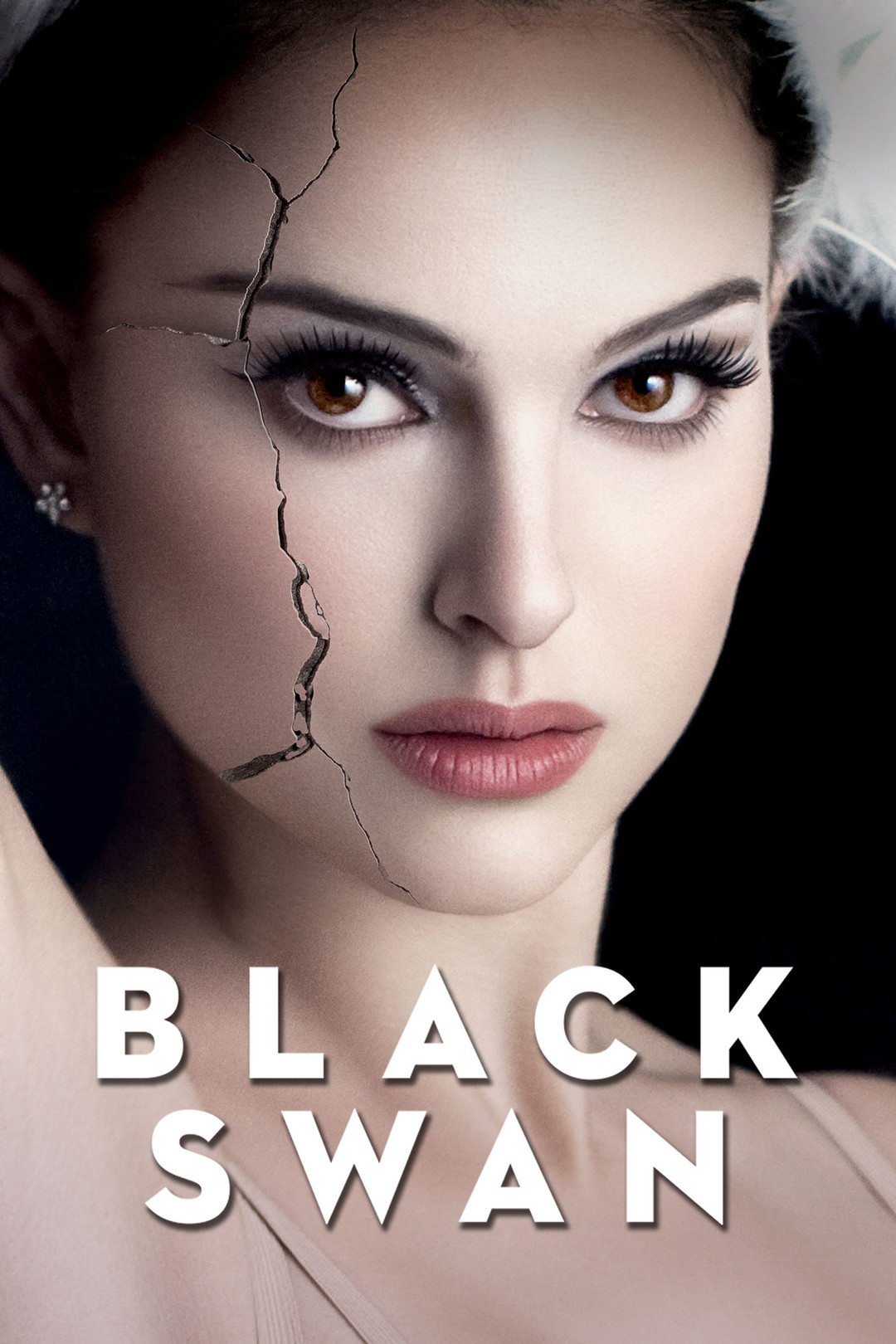
| Black Swan | Portman, Kunis, Cassel, Hershey | Mary Vernieu | Academy Award for Best Actress (Winner) |
The Rise of the Next Generation: Breakout Stars of 2010
Looking back from 2026, it is clear that 2010 was a launchpad for several actors who would go on to lead the industry for the next decade. The most notable breakout was Jennifer Lawrence in Winter’s Bone. Her portrayal of Ree Dolly, a teenager navigating the dangerous Ozark social hierarchy to protect her family, was a revelation. It was a role that demanded maturity and stillness, traits Lawrence used to anchor a cast of mostly non-professional or character actors.
Similarly, True Grit introduced the world to Hailee Steinfeld. At just 13 years old, Steinfeld held her own against veterans like Jeff Bridges and Matt Damon. Her performance as Mattie Ross was not merely a "child actor" success; it was a leading performance that demanded the same linguistic dexterity and screen presence as her adult co-stars. The Coen Brothers’ decision to cast an unknown for such a pivotal role is often cited as one of the best casting risks of the decade.
Action Icons and the All-Star Throwback
2010 also saw a unique trend in casting: the "mega-ensemble" of established action icons. Sylvester Stallone’s The Expendables was a calculated exercise in nostalgia, bringing together Stallone, Jason Statham, Jet Li, Dolph Lundgren, and cameos from Bruce Willis and Arnold Schwarzenegger.
While the film was not a critical darling in the same vein as The Social Network, its casting strategy was a significant commercial success. It proved that there was still immense market value in "star power" and that audiences were eager to see legendary figures share the screen, regardless of the plot’s complexity. This film set the stage for the modern trend of "legacy" ensembles that continue to dominate the box office in the mid-2020s.
Voice Casts and Animated Excellence
The quality of a 2010 film cast was not limited to live-action performances. The year featured some of the most memorable voice work in animation history. Toy Story 3 saw the return of Tom Hanks and Tim Allen, but it was the addition of Michael Keaton as Ken and Ned Beatty as Lotso that gave the film its fresh, often dark, comedic edge.
In How to Train Your Dragon, the casting of Jay Baruchel brought a specific, neurotic vulnerability to the character of Hiccup, which helped ground the fantastical elements of the story. Meanwhile, Disney’s Tangled utilized the musical talents of Mandy Moore and the roguish charm of Zachary Levi to revitalize the princess genre for a new generation. These voice casts were instrumental in ensuring that these animated features appealed to adults as much as children, focusing on character nuances rather than just celebrity names.
The End of an Era: Harry Potter and the Deathly Hallows – Part 1
Finally, 2010 marked the beginning of the end for one of the most significant casting achievements in history: the Harry Potter series. With the release of The Deathly Hallows – Part 1, Daniel Radcliffe, Emma Watson, and Rupert Grint had matured into seasoned actors.
This specific film placed the burden of the narrative almost entirely on the shoulders of the "Big Three" as they traveled through desolate landscapes. The chemistry they had developed over a decade was the film’s greatest asset, allowing for long stretches of silence and tension that would not have worked with a less experienced or less connected trio. The 2010 cast also included the usual "who’s who" of British acting royalty, such as Bill Nighy and Rhys Ifans, further cementing the franchise's reputation for impeccable ensemble building.
FAQ
Who won the Oscar for Best Actor and Best Actress for 2010 films?
Colin Firth won the Academy Award for Best Actor for his role as King George VI in The King’s Speech. Natalie Portman won Best Actress for her portrayal of Nina Sayers in Black Swan. Both performances are considered career-defining moments that relied heavily on their respective ensembles to provide a foil for their intense, central characters.
Which 2010 film had the largest ensemble cast?
In terms of pure star power and name recognition, The Expendables and Inception are often cited as the largest ensembles. However, The Social Network and The Fighter had extensive supporting casts that contributed significantly to the atmospheric depth of their worlds.
Was Jennifer Lawrence in a major 2010 film?
Yes, Jennifer Lawrence had her breakout role in the 2010 independent film Winter's Bone. Her performance earned her her first Academy Award nomination for Best Actress and effectively launched her career, leading to her casting in major franchises like The Hunger Games and X-Men.
How were the Winklevoss twins cast in The Social Network?
Director David Fincher used a combination of traditional acting and modern technology. Armie Hammer played both Cameron and Tyler Winklevoss on set. For scenes where they appeared together, actor Josh Pence acted as a body double for one twin, and Hammer’s face was digitally mapped onto Pence’s head in post-production.
Which 2010 film is considered to have the best casting for a newcomer?
Hailee Steinfeld in True Grit is widely regarded as the best newcomer casting of 2010. Chosen from thousands of applicants, her ability to master the Coen Brothers’ specific dialogue and stand toe-to-toe with Jeff Bridges was a major factor in the film’s critical and commercial success.
Navigating 2010 Filmographies for Modern Viewing
For viewers in 2026 looking to explore the best of 2010's cinema, focusing on the casting directors can provide a unique roadmap. The work of John Papsidera (Inception) and Nina Gold (The King's Speech) highlights how casting is an art form that balances star power with narrative necessity. To truly appreciate these films, one should look beyond the lead actors and observe how the supporting cast creates the "texture" of the world.
Whether you are watching for historical context or pure entertainment, the films of 2010 offer a masterclass in how a well-chosen cast can turn a good script into a cultural phenomenon. Start with a double feature of The Social Network and Inception to see the two extremes of 2010 casting: the dialogue-driven character study and the high-concept ensemble thriller.