Dress fashion in 2010 represented a pivotal transition between the eclectic "indie sleaze" of the late 2000s and the structured minimalism that defined the mid-2010s. From the ubiquitous bandage dress to the rise of the maxi silhouette, this era blended high-glamour bodycon aesthetics with bohemian comfort, offering versatile styles that remain influential in today's fashion landscape.
The Evolution of Dress Silhouettes in 2010
The year 2010 was a period of stylistic duality. On one hand, the fashion world was captivated by the sharp, architectural lines of power dressing; on the other, there was a growing movement toward soft, flowing garments. This contrast was best exemplified by the dominance of the bandage dress and the maxi dress, two silhouettes that occupied opposite ends of the sartorial spectrum but shared equal popularity.
The bandage dress, popularized by Hervé Léger under Max Azria, became the "uniform" for evening wear and red-carpet events. These dresses were constructed from heavy strips of elastic and spandex, designed to contour the body with surgical precision. In 2010, the appeal lay in their ability to create an idealized hourglass shape, often paired with towering platform heels. While the original bandage look is now considered a vintage staple, its influence persists in the modern "shapewear-as-outerwear" trend seen in 2026.
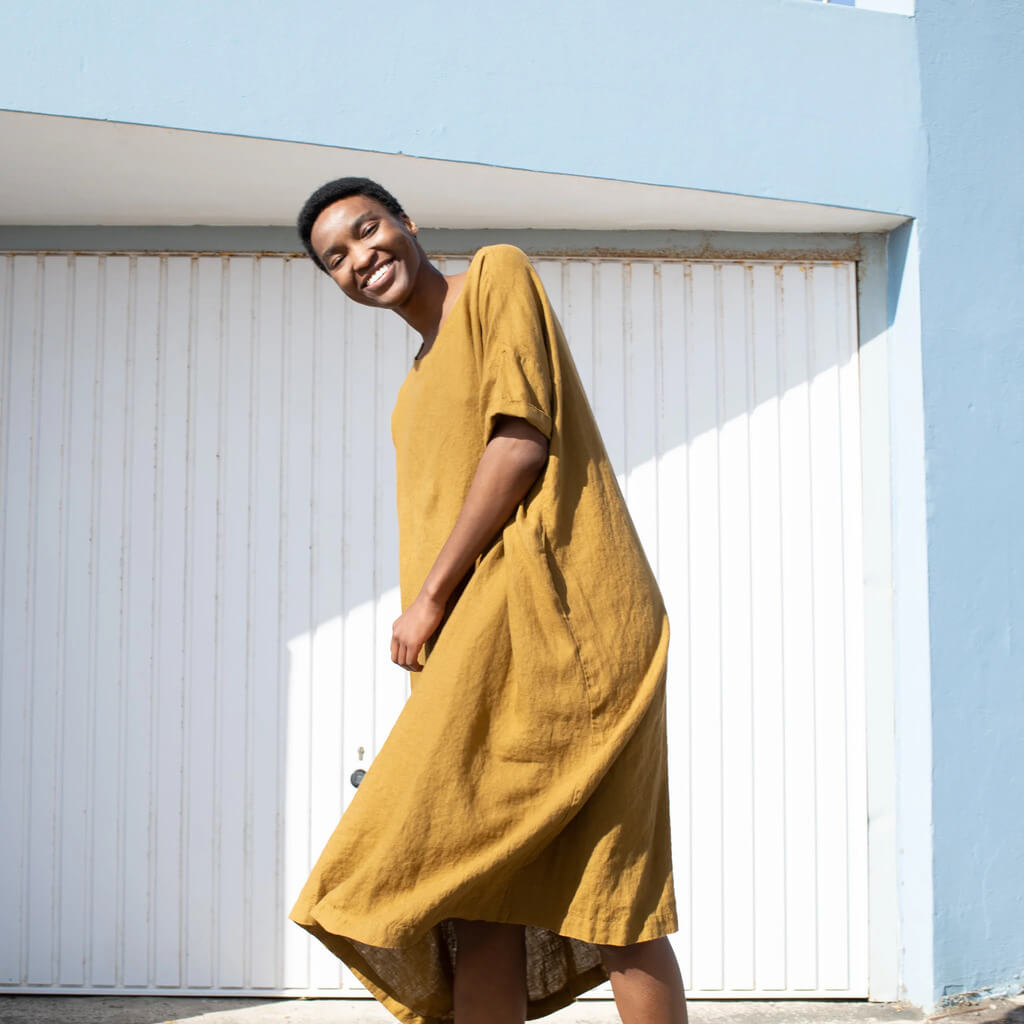
Conversely, the maxi dress provided a relaxed, floor-length alternative that suited the burgeoning "boho-chic" revival. In 2010, these dresses were frequently rendered in jersey fabrics with bold geometric or tribal prints. They were often styled with wide waist-cinching belts and denim jackets, creating a look that was accessible for daytime wear while maintaining a sense of feminine elegance.
Timeless Trends from 2010 to Integrate into 2026
While some 2010 trends are best left in the archives, several key elements have transitioned into timeless classics. Understanding how to identify these "keepers" allows fashion enthusiasts to incorporate vintage 2010 pieces into a contemporary 2026 wardrobe without looking dated.
The Rise of Sophisticated Minimalism
The year 2010 marked the beginning of Phoebe Philo’s transformative era at Céline, which introduced a "new minimalism." This trend favored clean lines, camel tones, and high-quality fabrics over excessive ornamentation. Shift dresses in neutral palettes—beige, navy, and ivory—became essential. These pieces are exceptionally relevant in 2026, as the "quiet luxury" movement continues to dominate. A well-constructed 2010-era silk shift dress remains a versatile investment that can be dressed up with a structured coat or down with contemporary loafers.
Lace and Laser-Cut Details
Lace was everywhere in 2010, but it moved away from the "grandma’s doily" aesthetic toward something more graphic and modern. Black lace overlays on nude linings were particularly popular for cocktail dresses. Additionally, laser-cut leather and synthetic fabrics began to appear on runways, offering a textured, architectural take on traditional femininity. When sourcing these pieces today, look for lace patterns that are geometric rather than floral to maintain a modern edge.
The Return of the Midi Length
Although the maxi and mini were dominant, 2010 saw the early re-emergence of the midi dress—hitting just below the knee. This length was often paired with a "twee" aesthetic, featuring Peter Pan collars and A-line skirts. In 2026, the midi dress is a foundational wardrobe item. To style a 2010-era midi today, avoid the overly cutesy accessories of the past (like thin bow belts) and opt for sleek, sculptural jewelry instead.
2010 Dress Trends vs. 2026 Modern Interpretations
To successfully wear 2010 fashion today, it is essential to understand the shift in styling. The following table compares how these trends were worn then versus how they are styled now.
| 2010 Trend | Original Styling (2010) | Modern Interpretation (2026) |
|---|---|---|
| Bandage/Bodycon | Paired with ultra-high platforms and "bumpit" hair. | Styled with oversized blazers and pointed-toe flats. |
| Maxi Dresses | Worn with wide elastic belts and chunky wooden jewelry. | Worn loose or with delicate chain belts and minimalist sandals. |
| Peplum Dresses | Exaggerated waist ruffles paired with statement necklaces. | Subtle, integrated peplums with streamlined trousers or sheer skirts. |
| Galaxy Prints | Head-to-toe "space" patterns on spandex fabrics. | Abstract digital prints used as accent pieces or in silk textures. |
| Twee/Collar Dresses | Peter Pan collars with colored tights and ballet flats. | Detachable oversized collars with leather boots and messy hair. |
Essential Style Tips for Reviving 2010 Fashion
Reviving fashion from sixteen years ago requires a delicate balance between nostalgia and contemporary relevance. The goal is to reference the era without appearing as though you are wearing a costume.
- Prioritize Fabric Quality: Many "fast fashion" dresses from 2010 were made from thin polyester or cheap jersey that has not aged well. When shopping vintage, look for silk, wool blends, or high-grade viscose. These materials hold their shape better and look more expensive.
- Modernize the Footwear: The quickest way to date a 2010 dress is to pair it with 2010 footwear. Swap out the heavy, hidden-platform pumps for sleek kitten heels, chunky loafers, or even clean-lined sneakers.
- Tone Down the Accessories: 2010 was the era of the "statement necklace"—large, colorful, and often plastic. In 2026, the trend has shifted toward "neck stacking" with delicate gold chains or singular, bold sculptural pieces. Removing the heavy bib necklace instantly modernizes a 2010 shift dress.
- Update the Hair and Makeup: The "beauty look" of 2010 involved heavy bronzer, matte nude lips, and highly teased hair. To make a 2010 dress work now, opt for "clean girl" makeup—dewy skin, groomed brows, and natural hair textures. This creates a fresh contrast with the structured garments of the past.
The Cultural Influence: Why 2010 Matters Now
The fashion of 2010 was heavily influenced by the global shift toward digital connectivity. This was the year Instagram launched, forever changing how we consume style. We began to see "viral" items, such as the Alexander McQueen "Plato’s Atlantis" digital prints, which featured kaleidoscopic patterns inspired by nature and technology.
Furthermore, pop culture icons like Rihanna and Blake Lively (during the peak of Gossip Girl) influenced how young women dressed. The "Upper East Side" aesthetic—characterized by structured sheath dresses and high-end designer labels—made formal dressing aspirational for a younger demographic. Today, as we see a resurgence in "preppy" and "old money" aesthetics, the tailored dresses of 2010 serve as a perfect archive for inspiration.
Common Pitfalls to Avoid
When exploring 2010 dress fashion, it is easy to fall into traps that result in a "dated" rather than "vintage" look.
- The "High-Low" Hemline: While the mullet dress (short in the front, long in the back) was a 2010 staple, it is one of the most difficult trends to translate into 2026. If you have a high-low dress, consider having it tailored to a uniform midi or mini length.
- Excessive Rhinestones: 2010 evening wear often featured heavy, glued-on rhinestone embellishments around the neckline. These can look dated and are prone to falling off. If you love the silhouette, consider removing the stones and replacing them with a clean seam or a modern brooch.
- The "Mulberry Alexa" Bag Pairing: While the satchel bag was iconic in 2010, pairing it with a 2010-era dress creates a look that is too literal. Instead, pair your vintage dress with a modern baguette bag or a structured top-handle bag to break up the timeline.
Frequently Asked Questions
Are bandage dresses still in style in 2026?
The original Hervé Léger-style bandage dress is currently seen as a "vintage" statement piece rather than a mainstream trend. In 2026, they are best styled in a "subversive basic" way—often worn under sheer layers or paired with heavy, masculine outerwear to offset the extreme femininity of the silhouette.
What are the most "timeless" colors from 2010 dresses?
Neutral tones like camel, slate gray, and navy blue from the 2010 minimalist movement are the most timeless. Additionally, the "color-blocking" trend of 2010—pairing bold primary colors like cobalt blue and bright yellow—can still work if the silhouettes are kept modern and architectural.
How can I make a 2010 maxi dress look modern?
To modernize a 2010 maxi dress, remove any wide elastic waist belts. Instead, let the dress hang loose for a column effect, or use a thin leather cord. Pair it with contemporary footwear like platform sandals or combat boots rather than the cork wedges that were popular at the time.
Did 2010 fashion have a specific "aesthetic" name?
While it wasn't named at the time, 2010 is now often grouped into the "Indie Sleaze" or "Millennial Core" categories. It was a bridge era, combining the messy, party-girl energy of the 2000s with the more polished, Instagram-ready looks that would dominate the following decade.
Where can I find authentic 2010-era dresses?
Resale platforms like Depop, Vestiaire Collective, and eBay are excellent sources. Look for specific 2010-era brands such as Topshop Unique, BCBG Max Azria, Diane von Furstenberg, and early Alexander Wang to find high-quality pieces that represent the best of the decade.
Building a Nostalgic Yet Modern Wardrobe
The most effective way to utilize 2010 dress fashion in 2026 is to view it as a source of architectural and textural inspiration. Do not attempt to recreate a full look from 2010; instead, pick one standout element—be it a specific print, a silhouette, or a fabric—and ground it with contemporary staples. By focusing on high-quality materials and modernizing your accessories, you can celebrate the unique energy of 2010 while remaining firmly planted in the style of today.