In 2026, individuals born in 2007 are turning 19 years old. This cohort represents a pivotal demographic transitioning into the second year of legal adulthood in most jurisdictions, navigating the complexities of higher education, entering the professional workforce, and assuming full civic responsibilities in a rapidly evolving digital and economic landscape.
The Significance of Turning 19 in 2026
As of 2026, the 2007 birth cohort has officially moved past the initial "novelty" of adulthood that comes with turning 18. At 19, these individuals are often in their first or second year of post-secondary education or are establishing themselves in vocational roles. This age is characterized by a significant shift in self-governance, financial independence, and long-term decision-making.
For those born in 2007, the year 2026 is a period of "settling" into the rights they acquired a year prior. While the age of 18 granted them the right to vote, sign contracts, and marry without parental consent in most countries, the age of 19 often brings a more practical application of these rights. In many regions, 19 is also the legal age for specific activities that remain restricted at 18, such as the purchase of alcohol or tobacco in certain Canadian provinces or specific international territories.
Psychologically, 19-year-olds in 2026 are part of the "Late Gen Z" or "Zalpha" cusp, depending on varying sociological definitions. They are the first generation to have been born after the launch of the modern smartphone, meaning their cognitive development has been entirely intertwined with high-speed internet and mobile connectivity. This has resulted in a cohort that is exceptionally adept at digital navigation but faces unique challenges regarding mental health and social interaction in a post-pandemic world.
Legal Rights and Regulatory Milestones
The legal status of a person born in 2007 undergoes several refinements as they reach 19. While 18 is the standard age of majority globally, there are nuance-heavy legal shifts that occur once an individual hits the 19-year mark.
Jurisdictional Variations in the Age of Majority
In the United States, the age of majority is 18 in nearly all states; however, in Alabama and Nebraska, the age of majority is 19. For residents born in 2007 in these states, 2026 marks the official end of minority status, allowing them to enter into legally binding contracts and move out of the home without parental permission for the first time.
Driving and Licensing
By 2026, most 19-year-olds born in 2007 have moved past the "learner" or "provisional" phase of driving. In many jurisdictions, insurance premiums begin a very slight downward trend once a driver reaches 19, provided they have maintained a clean driving record since 16 or 17. Furthermore, 19 is often the minimum age for obtaining a Commercial Driver’s License (CDL) for intrastate commerce in various US states, opening up early career paths in logistics and transportation.
Financial Autonomy
At 19, individuals are no longer subject to "UTMA" (Uniform Transfers to Minors Act) or "UGMA" (Uniform Gifts to Minors Act) restrictions in many states, where the age of termination is often 18 or 21. By 19, many born in 2007 are managing their own credit scores and taking out student loans or auto financing in their own names. This is a critical year for establishing the financial foundation that will dictate their purchasing power through their 20s.
Educational and Career Trajectories
The year 2026 finds the 2007 cohort at a crossroads between academic pursuit and economic entry. Most are completing their sophomore year of university or finishing intensive trade certifications.
The Higher Education Landscape
In 2026, the cost of higher education continues to be a primary concern for the 2007 cohort. Many are utilizing hybrid learning models—a legacy of the shifts in education that occurred during their formative middle and high school years. According to the National Center for Education Statistics (NCES), enrollment patterns for this age group show an increased interest in STEM and sustainable technologies, reflecting the global priorities of the mid-2020s.
Workforce Integration and AI
Entering the workforce at 19 in 2026 is markedly different than it was a decade ago. This cohort is entering an economy where Generative AI is a standard tool in entry-level positions. Those born in 2007 are expected to be "AI-native," possessing an intuitive understanding of how to prompt and manage automated systems. For those not pursuing a traditional four-year degree, the demand for skilled trades—such as electric vehicle (EV) maintenance and renewable energy infrastructure—provides a robust alternative for 19-year-olds.
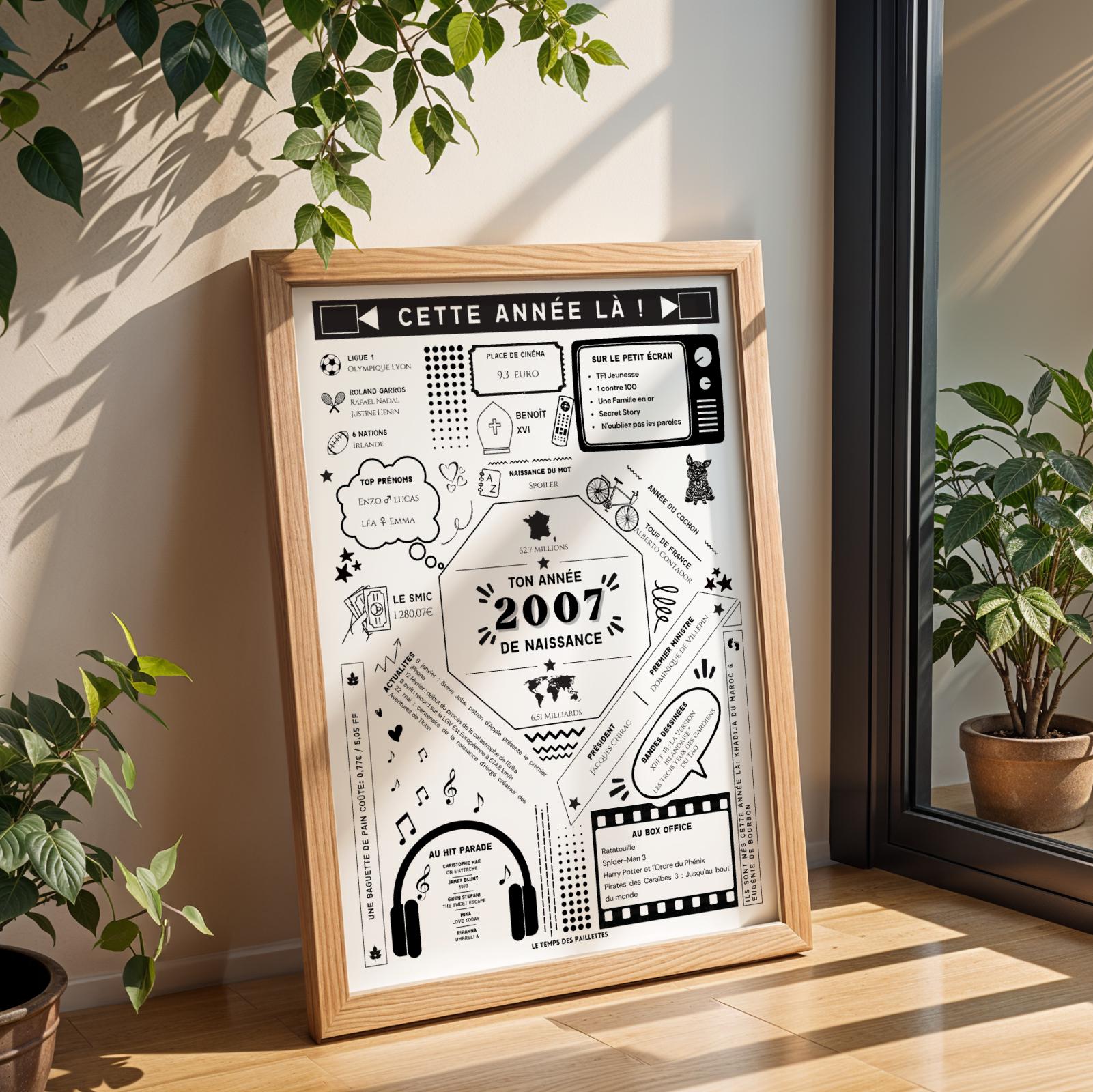
Historical Context: The World of 2007
To understand the 19-year-old of 2026, one must look back at the environment into which they were born. The year 2007 was a watershed moment for modern civilization, marked by technological revolutions and economic shifts.
- The Launch of the iPhone: On June 29, 2007, Apple released the first iPhone. This device fundamentally changed how the 2007 cohort would communicate, learn, and consume media. They are the first generation never to know a world without the "app economy."
- The Financial Crisis Beginnings: While the full "Great Recession" hit in 2008, the subprime mortgage crisis began to fracture in 2007. The economic instability of their earliest years often influenced the financial conservatism seen in their parents, which in turn shaped this cohort's views on debt and homeownership.
- Pop Culture Milestones: 2007 saw the release of Harry Potter and the Deathly Hallows, the final book in the original series, and the debut of several foundational social media platforms in their early forms.
- Environmental Awareness: The impact of An Inconvenient Truth (released shortly before) and the Intergovernmental Panel on Climate Change (IPCC) Fourth Assessment Report in 2007 solidified climate change as a core societal issue that this cohort has lived with since birth.
| Milestone Category | Status for 2007 Birth Year (in 2026) | Regional Variation/Notes |
|---|---|---|
| Chronological Age | 19 Years Old | Universal |
| Legal Adulthood | Full Legal Adult | 18 in most; 19 in AL/NE (USA) |
| Voting Rights | Active | Attained at age 18 (2025) |
| Alcohol/Tobacco | Varies by Country | 21 in USA; 18 or 19 in much of Europe/Canada |
| Education Stage | Sophomore University/Trade | Assuming standard K-12 progression |
| Driving Status | Full Unrestricted License | Depends on date of initial licensure |
| Military Service | Eligible for Enlistment | 17/18 with consent; full eligibility at 19 |
Socio-Cultural Identity of the 2007 Cohort
By 2026, the 2007 cohort has established a distinct cultural identity. They are often characterized by their "pragmatic idealism." Unlike the older Millennials, who were often viewed as optimistic, or early Gen Z, who were viewed as disruptors, the 19-year-olds of 2026 are focused on stability and functional solutions to global problems.
Their consumption habits are heavily influenced by authenticity. In 2026, traditional advertising has largely failed to capture this demographic, which prefers peer-to-peer recommendations and transparent brand ethics. This birth year was also the first to spend their puberty years entirely within the influence of short-form video algorithms, leading to a unique communication style that is visual, rapid, and highly referential.
Furthermore, the "Class of 2025" (the typical high school graduation year for this cohort) faced a unique educational journey. Their middle school or early high school years were disrupted by global health events, which has made the 19-year-olds of 2026 particularly resilient and adaptable to remote environments, yet also more conscious of the value of in-person community.
Frequently Asked Questions
What grade is someone born in 2007 in during the year 2026?
Most individuals born in 2007 will have graduated high school in the spring of 2025. Therefore, in the first half of 2026, they are typically in their second semester of their freshman year of college or their first year of work. In the second half of 2026, they enter their sophomore year of college or their second year of professional employment.
Can someone born in 2007 vote in the 2026 elections?
Yes. In almost every country with a minimum voting age of 18, individuals born in 2007 became eligible to vote in 2025. By 2026, they are fully eligible to participate in all local, state, and national elections.
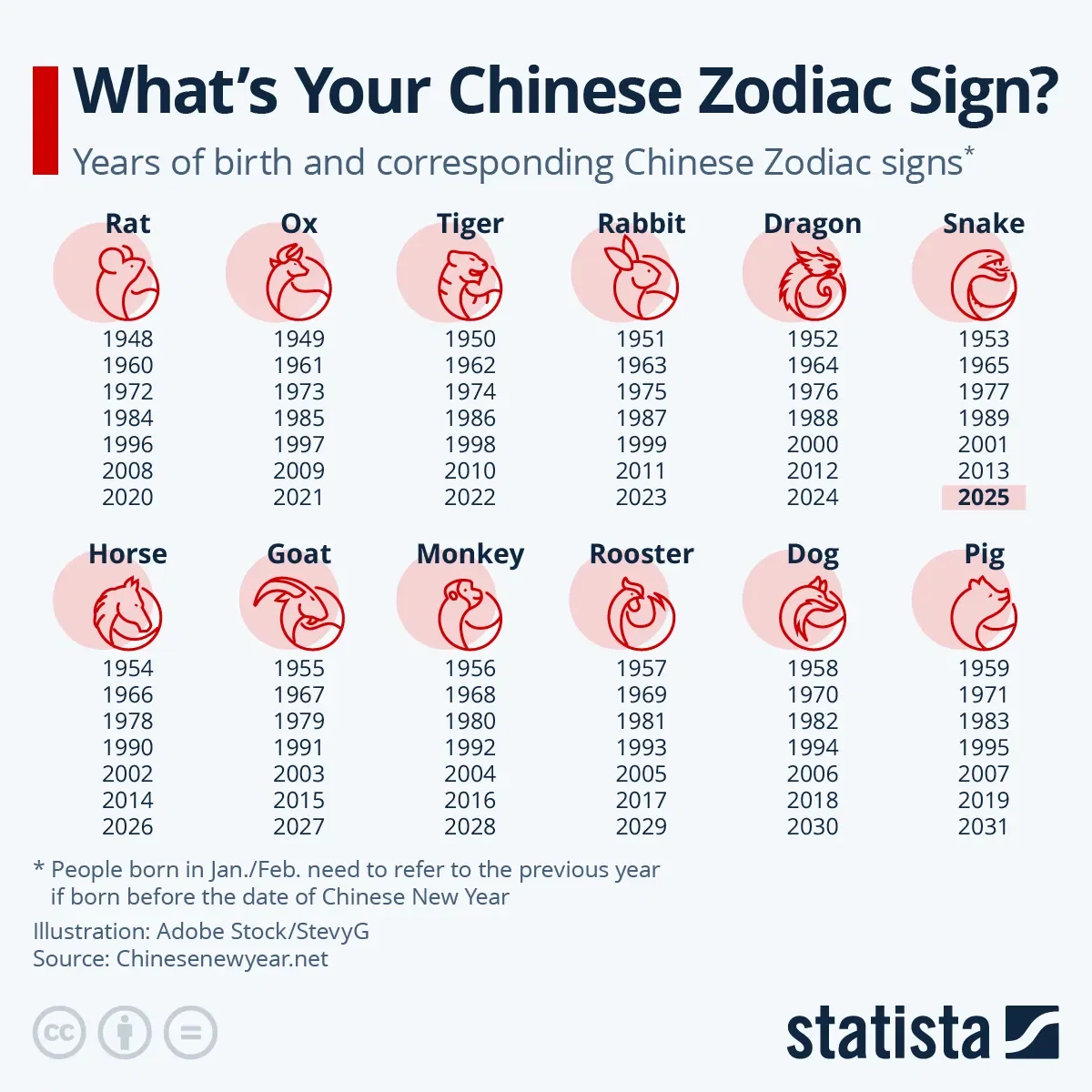
What is the Chinese Zodiac sign for those born in 2007?
Individuals born in 2007 fall under the sign of the Pig (specifically the Fire Pig). In Chinese culture, the Pig is associated with sincerity, hard work, and a sense of justice. As they turn 19 in 2026 (the Year of the Horse), their astrological outlook typically emphasizes high energy and social expansion.
Is 19 the age of majority for people born in 2007?
In the vast majority of the world, the age of majority is 18. However, for those born in 2007 who live in Nebraska or Alabama, 2026 is the year they officially reach the age of majority (19). In most other places, they reached this milestone in 2025.
What are the retirement or savings goals for a 19-year-old in 2026?
Financial experts suggest that 19 is an ideal time to start a Roth IRA or equivalent tax-advantaged savings account. Even small contributions in 2026 can grow significantly over the next 45 years due to compound interest. At 19, the primary goal is building an emergency fund and establishing a positive credit history.
Recommendations for Individuals Born in 2007
As you navigate your 19th year in 2026, the focus should shift from immediate survival to long-term strategic planning. This is the optimal window to cement your financial literacy; understanding how credit scores are calculated and how interest rates impact long-term debt will be more valuable than almost any other non-technical skill.
Additionally, prioritize "durable skills." While technical proficiency in AI and digital tools is expected, the 2026 labor market highly values human-centric skills like critical thinking, ethical reasoning, and complex interpersonal communication. Whether you are in university or a trade, seeking out mentorship and expanding your professional network now will provide a significant advantage as you approach your 20s. Finally, ensure your digital footprint is professional and curated, as the transition from 19 to 20 often involves increased scrutiny from employers and higher-education institutions.