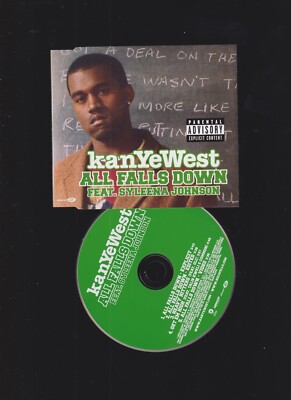
A 2004 single refers to any individual musical track released as a standalone product or promotional lead for an album during the 2004 calendar year. This year is historically significant as the turning point when digital downloads began to influence chart positions alongside physical CD sales, dominated by a massive resurgence in R&B, the peak of the "Crunk" era, and a vibrant garage rock revival.
The year 2004 stands as a fascinating bridge in music history. Viewed from our perspective in 2026, it represents the final era before the total democratization of music via streaming. In 2004, the "single" was still a tangible commodity—often purchased as a CD single in retail stores—yet it was also the year the Billboard Hot 100 began integrating digital sales data more aggressively into its methodology. This shift changed how success was measured and how artists marketed their work.
The Cultural Landscape of 2004 Music Releases
The musical landscape of 2004 was characterized by a specific type of polished, high-energy production. This was the year that R&B and Hip-Hop didn't just participate in the charts; they owned them. For the first time in history, every single song that reached number one on the Billboard Hot 100 in 2004 was performed by a person of color, a testament to the cultural dominance of urban contemporary music at the time.
While R&B ruled the airwaves, the alternative scene was undergoing a significant transformation. The "post-punk revival" and "garage rock revival" that started a few years prior reached their commercial peak. Bands that had been underground favorites suddenly found their singles in heavy rotation on MTV and mainstream radio. This duality created a unique listening environment where Usher's club anthems lived comfortably alongside the angst-ridden power chords of Green Day or the synth-pop sensibilities of The Killers.
Furthermore, 2004 was the year of the "super-producer." The sound of a 2004 single was often defined as much by the person behind the mixing board as the artist on the cover. Names like Lil Jon, The Neptunes, and Kanye West became household staples, with their signature production styles—characterized by heavy bass, unconventional percussion, and soul-sampling—becoming the gold standard for a successful single.
Chart-Topping Giants: The Most Successful Songs of the Year
When analyzing singles from 2004, one name dominates the conversation: Usher. His album Confessions produced a string of singles that redefined commercial success for the decade. "Yeah!" featuring Lil Jon and Ludacris spent 12 consecutive weeks at number one, becoming the definitive anthem of the year. It perfectly encapsulated the "Crunk&B" sound—a fusion of melodic R&B vocals with the aggressive, high-energy beats of Southern Hip-Hop.
Following the success of "Yeah!", Usher replaced himself at the top of the charts with "Burn" and later "Confessions Part II." This level of chart saturation was nearly unprecedented and solidified Usher as the premier male pop star of the era. However, he wasn't alone in his success. Alicia Keys’ "If I Ain't Got You" provided a soulful counterpoint to the high-tempo dance tracks, showcasing a return to classic musicianship and vocal prowess that resonated deeply with a broad demographic.
In the world of pop, Britney Spears released "Toxic," a single that has since been recognized as one of the most innovative pop recordings of the 21st century. Its blend of surf guitar, high-pitched strings, and bhangra-influenced beats proved that a 2004 single could be both commercially viable and avant-garde. The song eventually won a Grammy, marking a high point in Spears’ career and setting a new bar for pop production.
Genre Revolutions: From Crunk to Indie Rock
Beyond the top 40, 2004 was a year of genre solidification. The "Crunk" movement, led by Lil Jon & The East Side Boyz, moved from regional Southern popularity to global dominance. Singles like "Get Low" (released late 2003 but peaking in 2004) and "What U Gon' Do" introduced a new vernacular and energy to the nightclub scene. This era of music was defined by its "shout" vocals and heavy Roland TR-808 kick drums.
Simultaneously, the "Emo" and "Pop-Punk" genres were entering their most lucrative phase. Singles like "I'm Not Okay (I Promise)" by My Chemical Romance and "Sugar, We're Goin Down" (recorded in late 2004) signaled a shift toward more theatrical, emotionally raw rock music. This movement was heavily supported by the digital community, particularly on early social networking sites like MySpace, which became a primary engine for single promotion.
The indie rock revival also reached a fever pitch with the release of "Mr. Brightside" by The Killers. Though initially released in late 2003 in the UK, its 2004 re-release and subsequent rise in the US turned it into a perennial single that continues to chart decades later. It represented a shift toward 80s-inspired synthesizers and dramatic vocals, proving that there was a massive appetite for guitar music that felt both nostalgic and fresh.
The Technological Shift: CD Singles and the Rise of Digital
In 2004, the way consumers interacted with a single was in a state of flux. The traditional CD single—often containing the lead track, a B-side, and perhaps a remix—was still being sold in stores like Tower Records and Virgin Megastore. However, the RIAA was beginning to track the meteoric rise of legal digital downloads through platforms like the iTunes Music Store, which had launched just a year prior.
This transition period created a unique market for "Maxi-Singles." These were expanded physical releases that catered to collectors and DJs. Because digital downloading was still in its infancy regarding chart weight, many labels continued to push physical singles to ensure a high debut on the Billboard charts. However, by the end of 2004, the industry realized that the digital "track" was the future.
This year also saw the brief rise and fall of the "DualDisc"—a double-sided disc with audio on one side and DVD content on the other. Many 2004 singles were marketed with these enhanced features to combat the rising tide of peer-to-peer file sharing. While the DualDisc eventually failed as a format, it highlighted the desperation of the music industry to provide "value-add" content to the single format.
Comparative Performance of Major 2004 Singles
The following table compares some of the most impactful singles released or peaking in 2004, based on their chart performance and longevity.
| Single Title | Artist | Genre | Billboard Hot 100 Peak | RIAA Certification (as of 2026) |
|---|---|---|---|---|
| "Yeah!" | Usher ft. Lil Jon & Ludacris | Crunk&B | #1 (12 Weeks) | Diamond (13x Platinum) |
| "Toxic" | Britney Spears | Dance-Pop | #9 | 6x Platinum |
| "The Reason" | Hoobastank | Post-Grunge | #2 | 4x Platinum |
| "Drop It Like It's Hot" | Snoop Dogg ft. Pharrell | Hip-Hop | #1 (3 Weeks) | 4x Platinum |
| "Mr. Brightside" | The Killers | Indie Rock | #10 | Diamond (11x Platinum) |
| "If I Ain't Got You" | Alicia Keys | R&B/Soul | #4 | 6x Platinum |
| "Lose My Breath" | Destiny's Child | R&B | #3 | 2x Platinum |
| "American Idiot" | Green Day | Punk Rock | #61* | 6x Platinum |
*Note: While "American Idiot" peaked lower on the Hot 100, its cultural impact and digital sales in subsequent years led to massive multi-platinum certification.
Notable Debuts and Breakout Singles
2004 was a landmark year for new talent. It saw the debut single of Kanye West as a lead artist. "Through the Wire," which famously featured West rapping with his jaw wired shut after a car accident, was a revelation. It proved that a producer could transition into a superstar rapper, and its success paved the way for his debut album, The College Dropout. The single's use of a sped-up Chaka Khan sample became the "chipmunk soul" blueprint for years to come.
Another significant debut was JoJo, who at age 13 released "Leave (Get Out)." This single made her the youngest solo artist to have a number-one single on the Billboard Pop songs chart. It was a masterclass in teen-pop marketing, blending relatable "heartbreak" lyrics with professional R&B production.
The year also introduced the world to Ciara with her debut single "Goodies." Produced by Lil Jon, the track was the female answer to the Crunk movement. Its minimalist beat and "breathwork" vocals were highly influential, establishing Ciara as the "First Lady of Crunk&B" and proving that the Atlanta-based sound had massive crossover appeal for female solo artists.
Essential Requirements for a 2004 Single Success
To achieve success in 2004, a single typically required a multi-pronged promotional strategy that is quite different from the social-media-first approach of 2026.
- Music Video Rotation: Heavy rotation on MTV’s Total Request Live (TRL) or BET’s 106 & Park was mandatory. A high-budget video with choreography or a cinematic storyline often dictated a song's longevity.
- Radio Airplay: Local FM radio was still the primary driver of discovery. Labels employed "radio promoters" to ensure singles were added to "Heavy Rotation" playlists on Top 40 and Urban stations.
- Physical Availability: Having the CD single available in big-box retailers like Target or Best Buy was crucial for the first week's chart position.
- Ringtone Compatibility: 2004 was the gold rush for "Mastertones." A single's success was often measured by how many people purchased a 30-second clip of it for their Motorola Razr or Nokia phones.
Frequently Asked Questions
What was the best-selling single of 2004?
The best-selling and most dominant single of 2004 was "Yeah!" by Usher featuring Lil Jon and Ludacris. It topped the Billboard Year-End Hot 100 chart and remained at the number-one spot for nearly a quarter of the year. Its success was driven by its massive appeal across pop, R&B, and hip-hop radio formats.
Why did rock music sound different in 2004?
Rock in 2004 moved away from the "Nu-Metal" sound of the early 2000s (like Linkin Park or Limp Bizkit) and toward two distinct poles: the "Garage Rock Revival" (The Killers, Franz Ferdinand) and "Emo/Pop-Punk" (Green Day, My Chemical Romance). The production became cleaner, and there was a heavier emphasis on melodic hooks and 1980s-inspired aesthetics.
How did digital downloads affect the 2004 charts?
In 2004, the Billboard Hot 100 was still primarily driven by radio airplay and physical sales. However, the rise of iTunes meant that digital sales were becoming too large to ignore. By the end of 2004, Billboard had begun finalizing the integration of digital download data, which eventually allowed songs with massive online sales but lower radio play to compete for the top spots.
Was the CD single still popular in 2004?
It was in a state of decline but still relevant. In Europe and Australia, the CD single remained a primary format for fans to support their favorite artists. In the United States, the format was rapidly being replaced by the digital track, though "Maxi-Singles" remained popular in the dance and hip-hop communities for their remixes and instrumental versions.
Who were the most influential producers of 2004 singles?
Lil Jon was arguably the most influential, responsible for the "Crunk" sound that dominated the year. Other major figures included The Neptunes (Pharrell Williams and Chad Hugo), Kanye West, and Dr. Luke (who began his rise in pop production around this time). These producers created signature sounds that were often more recognizable than the artists themselves.
Recommendations for Navigating 2004 Music Archives
If you are looking to explore the singles of 2004 for a retrospective project, playlist, or collection, it is recommended to look beyond the top 10. While the number-one hits provide a snapshot of the mainstream, the "lower-charting" singles of 2004 often reveal the burgeoning trends of the late 2000s.
Look for "Import" CD singles from this era if you are a collector; UK and Japanese releases often featured exclusive B-sides and artwork that were never released digitally. For those interested in the technical evolution of music, compare the "Radio Edit" of a 2004 single with its "Club Mix"—the era was famous for creating vastly different versions of the same song to suit different listening environments, a practice that has significantly diminished in the modern streaming era.