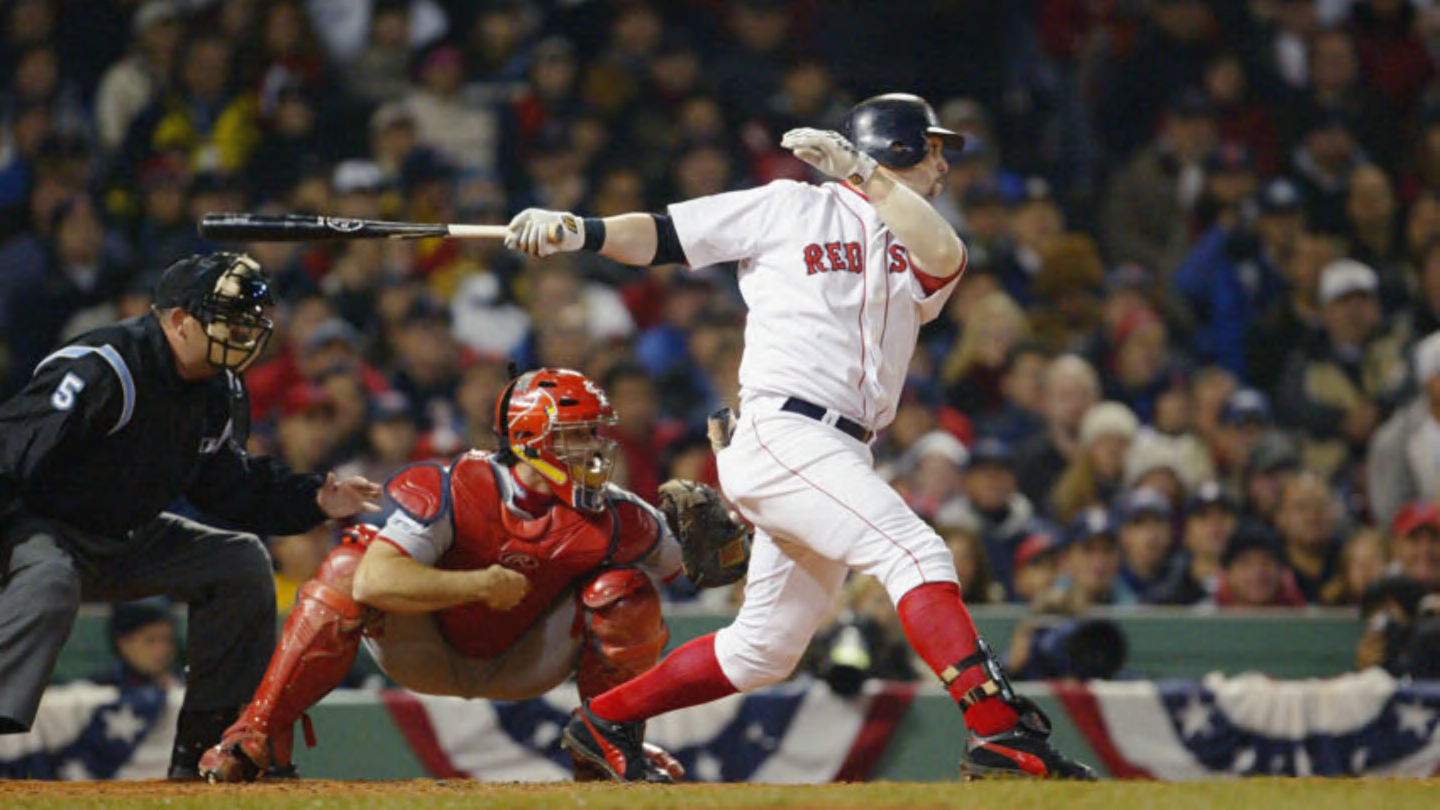
The primary first baseman for the 2004 Boston Red Sox was Kevin Millar, who started 134 games at the position and served as the emotional heart of the "Idiots." He was supplemented by defensive specialist Doug Mientkiewicz, acquired at the trade deadline, and David Ortiz, who filled the role during Interleague play.
The Primary Anchor: Kevin Millar and the "Cowboy Up" Culture
Kevin Millar was far more than just a statistical contributor to the 2004 Boston Red Sox; he was the architect of the team's clubhouse identity. As the primary first baseman, Millar provided a consistent right-handed bat and a reliable, if not elite, glove. In 2004, Millar posted a batting average of .297 with 18 home runs and 74 RBIs. However, his most significant contribution was his .383 on-base percentage, a product of his disciplined approach at the plate that often wore down opposing pitchers.
Millar’s role at first base was central to the "Cowboy Up" and "Idiots" personas that defined the 2004 squad. In a high-pressure environment like Boston, where the "Curse of the Bambino" weighed heavily on every player, Millar’s levity and confidence were essential. He is perhaps most famously remembered for his walk against New York Yankees closer Mariano Rivera in the bottom of the ninth inning of Game 4 of the American League Championship Series (ALCS). While Dave Roberts is credited with "The Steal," it was Millar's patient plate appearance that put the tying run on base, sparking the greatest comeback in sports history.
Defensively, Millar was steady. While he lacked the range of some of his contemporaries, he possessed a high baseball IQ and a talent for digging out low throws, which helped stabilize an infield that featured rotating pieces at shortstop and second base for much of the first half of the season. By the time 2026 historians look back at this roster, Millar remains the quintessential example of how personality and clubhouse chemistry can amplify on-field performance.
The Defensive Specialist: Doug Mientkiewicz and the Trade Deadline Shift
The landscape of the 2004 Red Sox changed dramatically on July 31, 2004. In a daring four-team trade that saw iconic shortstop Nomar Garciaparra sent to the Chicago Cubs, General Manager Theo Epstein prioritized defensive run prevention. Part of this haul was Doug Mientkiewicz, an Olympic gold medalist and Gold Glove-winning first baseman acquired from the Minnesota Twins.
Mientkiewicz was brought to Boston for one specific purpose: to provide elite defense in the late innings. While Millar was the superior offensive threat, Mientkiewicz was arguably the best defensive first baseman in the American League at the time. His arrival allowed Manager Terry Francona to utilize a "lockdown" strategy. In the 7th or 8th inning of games where the Red Sox held a lead, Millar would often be lifted for a pinch-runner or simply replaced by Mientkiewicz to solidify the right side of the infield.
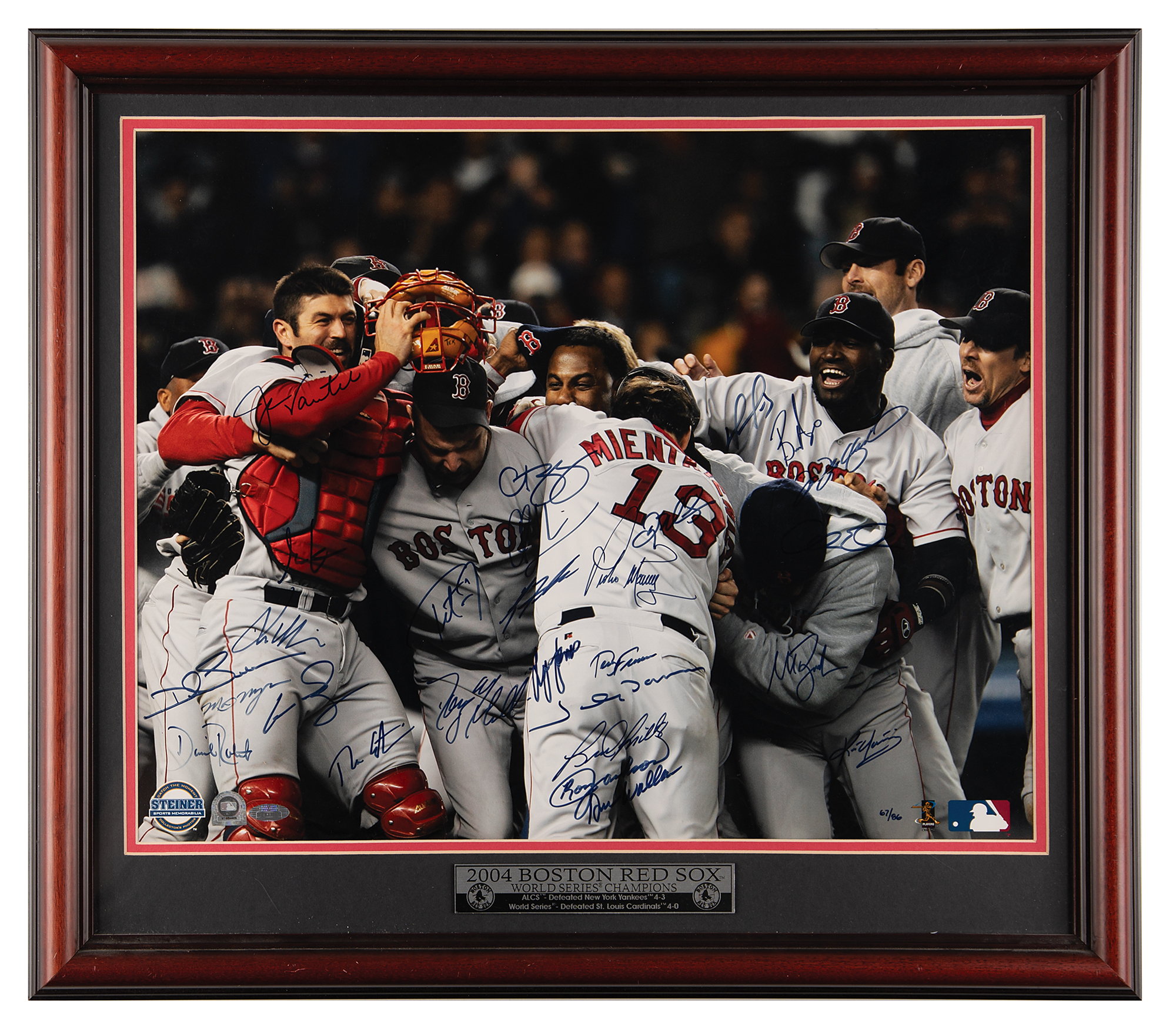
This tactical shift was instrumental during the postseason. Mientkiewicz’s ability to range deep into the hole and his vacuum-like consistency at the bag gave pitchers like Curt Schilling and Pedro Martinez added confidence. Ironically, it was Mientkiewicz who caught the final out of the 2004 World Series on a ground ball hit by Edgar Renteria, securing the first championship for the franchise in 86 years. The subsequent "battle for the ball" between Mientkiewicz and the Red Sox organization became a notable piece of team lore, eventually resolved when the ball was loaned to the team for display.
David Ortiz: The Power Threat at First Base
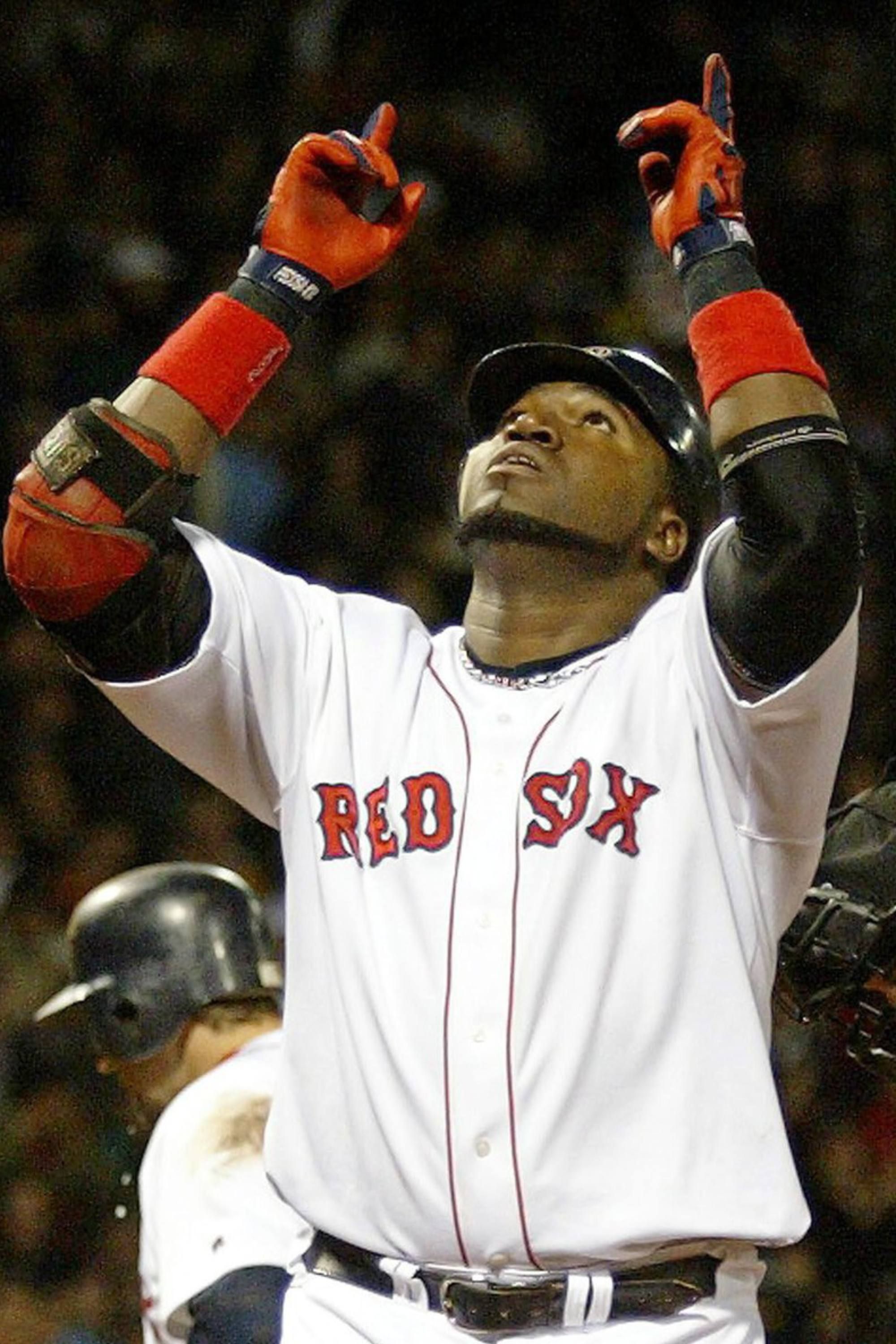
While David Ortiz is immortalized as the greatest Designated Hitter (DH) in baseball history, he played a vital role at first base during the 2004 season, particularly during Interleague play and the World Series. Because the DH rule is not used in National League parks, the Red Sox had to find a way to keep Ortiz’s massive bat in the lineup when playing away from Fenway Park.
In 2004, Ortiz appeared in 34 games at first base. Though he was often viewed as a defensive liability compared to Millar or Mientkiewicz, Ortiz worked diligently with bench coach Brad Mills to improve his footwork and positioning. His presence at first base was a strategic necessity; his offensive production—a .301 average, 41 home runs, and 139 RBIs—was too valuable to sit on the bench.
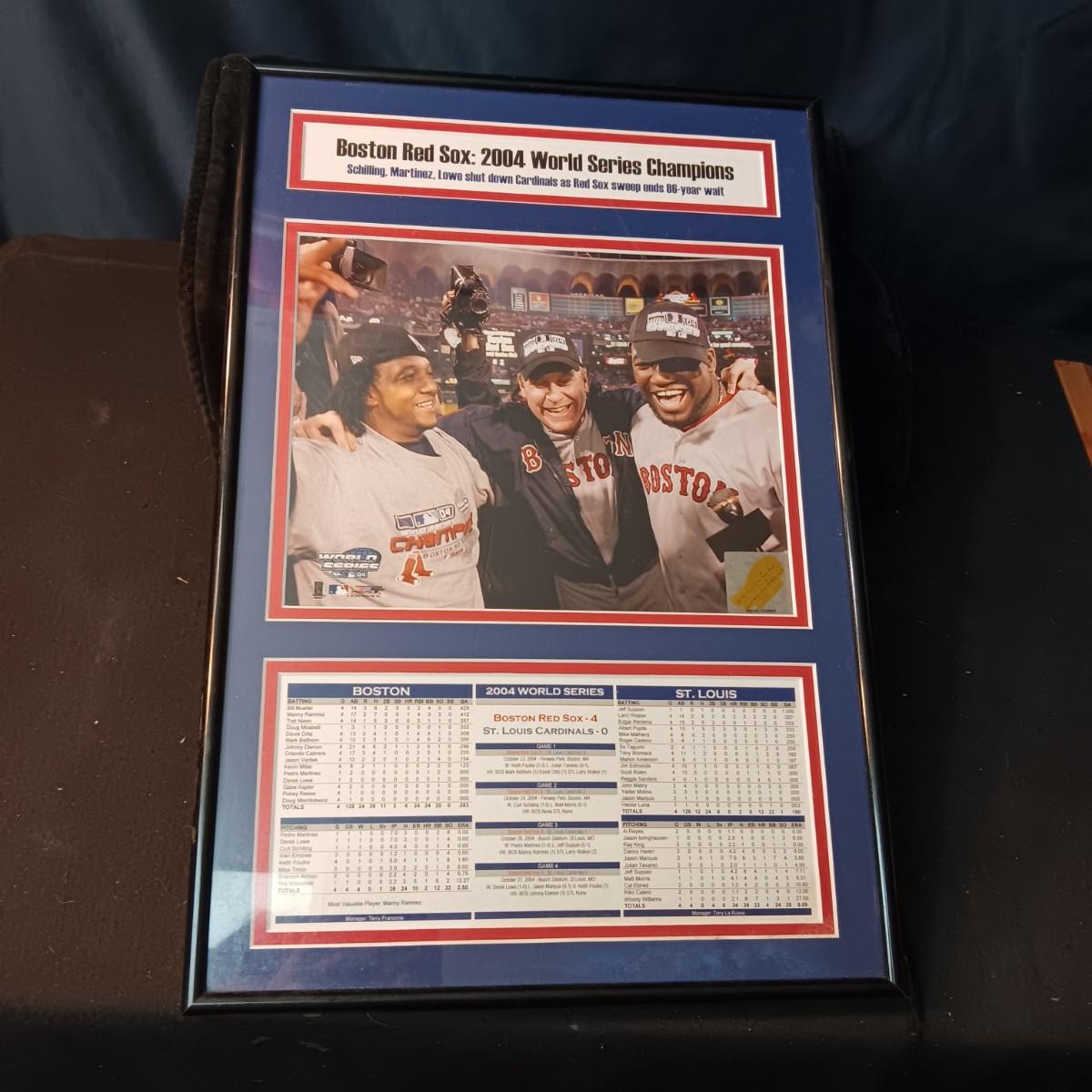
During the World Series against the St. Louis Cardinals, Ortiz started at first base in Games 3 and 4 at Busch Stadium. This allowed the Red Sox to maintain their offensive potency while navigating National League rules. Ortiz’s willingness to play the field, despite the physical toll it took on his large frame, exemplified the "team-first" mentality that permeated the 2004 roster.
Defensive Statistics and Playing Time Breakdown
To understand the 2004 Red Sox first base situation, one must look at the distribution of labor. Terry Francona managed the position with a focus on situational leverage, balancing Millar’s OBP, Ortiz’s power, and Mientkiewicz’s glove.
| Player | Games at 1B | Innings | Fielding % | Putouts | Assists |
|---|---|---|---|---|---|
| Kevin Millar | 134 | 1025.2 | .993 | 1,029 | 80 |
| Doug Mientkiewicz | 42 | 239.0 | .997 | 277 | 13 |
| David Ortiz | 34 | 224.1 | .989 | 234 | 14 |
| Mark Bellhorn | 1 | 2.0 | 1.000 | 1 | 0 |
Data source: Baseball-Reference 2004 Boston Red Sox Statistics
The table illustrates the clear hierarchy: Millar was the workhorse, logging over 1,000 innings. However, the Fielding Percentage (FPct) column highlights why Mientkiewicz was so valued. A .997 fielding percentage is nearly flawless, representing a significant upgrade in defensive reliability during high-leverage late-inning scenarios.
Strategic Roster Management: Terry Francona’s Maneuvers
The 2004 season was Terry Francona’s first year as the Red Sox manager, and his handling of the first base position was a masterclass in modern roster management. Unlike previous eras where a starter played nearly every inning of every game, Francona embraced the "roster-as-a-tool" philosophy championed by the Red Sox front office.
One of the most frequent maneuvers involved the "Millar-to-Mientkiewicz" pipeline. If the Red Sox were leading by two or more runs heading into the 8th inning, Francona almost reflexively moved Mientkiewicz to first. This wasn't merely about preventing errors; it was about increasing the "effective range" of the infield. With Mientkiewicz’s superior mobility, the second baseman (usually Mark Bellhorn) could shade further toward second base, effectively shrinking the gaps for opposing hitters.
Furthermore, the presence of these three distinct types of first basemen allowed Francona to react to pitching matchups. Against tough left-handed starters, Millar’s right-handed bat was indispensable. When a game required a mid-game offensive boost, Ortiz could slide from DH to 1B to allow for a pinch-hitter in another spot. This flexibility was a nightmare for opposing managers, particularly Joe Torre of the Yankees, who had to account for these defensive and offensive shifts in every postseason game.
Legacy of the 2004 First Base Room
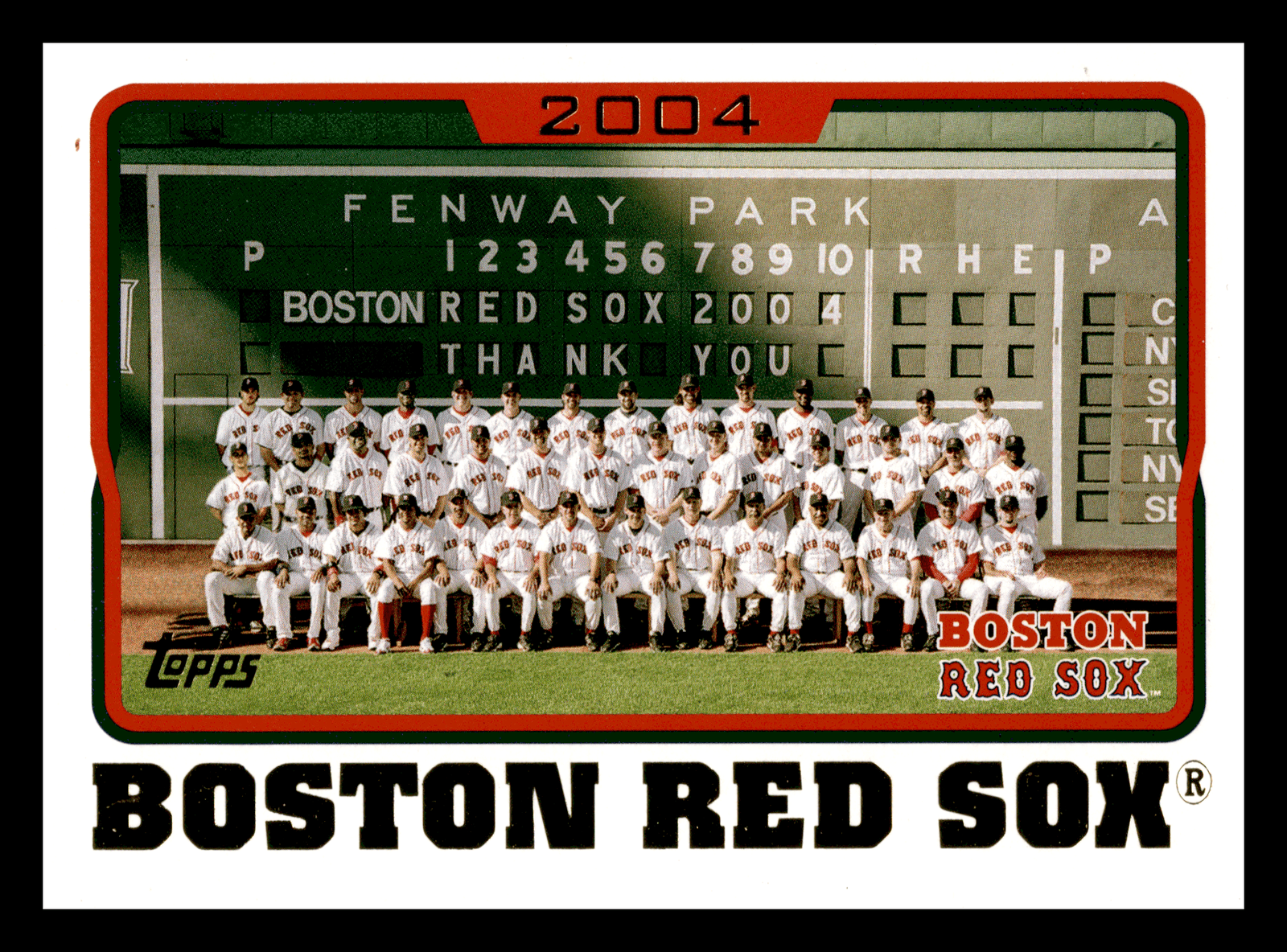
As of 2026, the 2004 Boston Red Sox remain one of the most studied teams in professional sports. The first base position, in particular, serves as a blueprint for how championship teams are constructed. It wasn't about having one "superstar" at the position; it was about having a suite of players who fulfilled specific organizational needs.
- Kevin Millar provided the OBP and the leadership.
- Doug Mientkiewicz provided the elite defense required for championships.
- David Ortiz provided the historic power that could be shoehorned into the position when necessary.
The success of this committee approach paved the way for future Red Sox teams to prioritize versatility. It also highlighted the shift toward "Run Prevention" (UZr and Defensive Runs Saved) as a core metric for MLB front offices. The 2004 first base roster proved that defense at the "cold corner" was just as vital as home run totals when it came to winning the final game of the year.
Who caught the final out of the 2004 World Series?
Doug Mientkiewicz caught the final out. He received a toss from pitcher Keith Foulke on a ground ball hit by Edgar Renteria. Mientkiewicz’s sure-handedness was the reason he was in the game at that moment, as he had replaced Kevin Millar for defensive purposes in the late innings of Game 4.
Why did the Red Sox trade for Doug Mientkiewicz if they had Kevin Millar?
The trade was part of a larger strategy to improve team defense. By mid-2004, the Red Sox were struggling defensively. Trading Nomar Garciaparra allowed them to bring in Orlando Cabrera (shortstop) and Mientkiewicz (first base). This transformed them into one of the best defensive units in the league for the final two months of the season and the playoffs.
Was Kevin Millar a good defensive player?
Millar was considered an "average" defensive first baseman. While he was reliable and rarely made egregious errors, he lacked the range and elite "picking" ability of a specialist like Mientkiewicz. His value was primarily in his offensive discipline and his clubhouse presence.
Did David Ortiz play first base in the ALCS?
David Ortiz primarily served as the Designated Hitter during the ALCS against the Yankees. However, he was always prepared to play first base if the game moved into extra innings and specialized substitutions were made. His most famous 1B appearances in 2004 came during the regular season Interleague play and the World Series games in St. Louis.
How many first basemen did the 2004 Red Sox use?
The team primarily used three: Kevin Millar, Doug Mientkiewicz, and David Ortiz. Occasionally, utility players or emergency replacements like Mark Bellhorn would fill in for a few innings, but the "Big Three" handled nearly 99% of the innings at the position throughout the season and postseason.
Practical Reference for Historians and Collectors
For those researching the 2004 roster for memorabilia verification or historical accuracy, it is important to distinguish between the "Opening Day" roster and the "Post-July 31" roster. Millar was the unquestioned starter for the first half of the season. If you are looking at items from the World Series, Mientkiewicz becomes a prominent figure despite his lower total game count. Collectors should note that while Mientkiewicz wore number 16 (and later 18), Millar’s number 15 remains the most iconic associated with first base during that championship run.