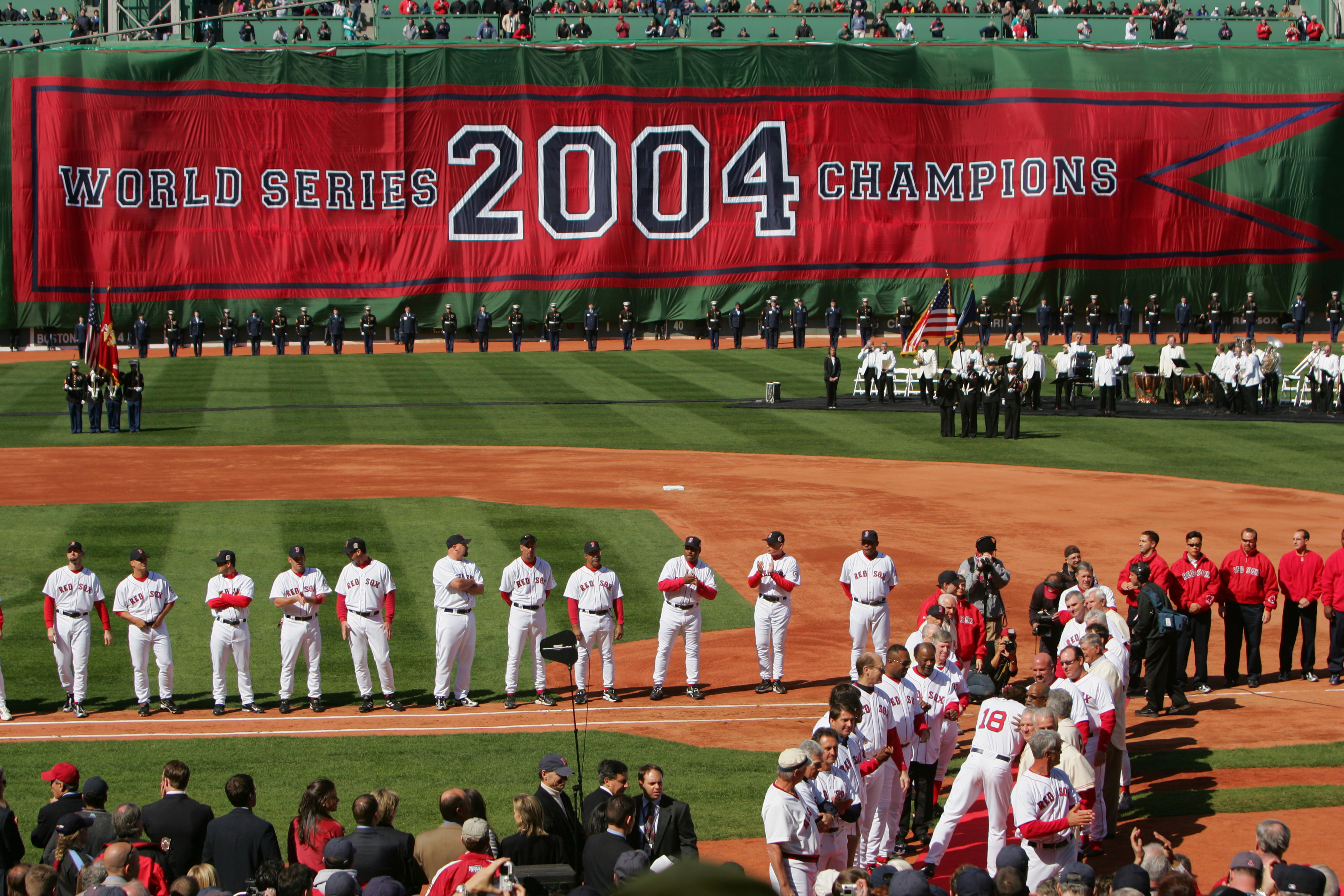
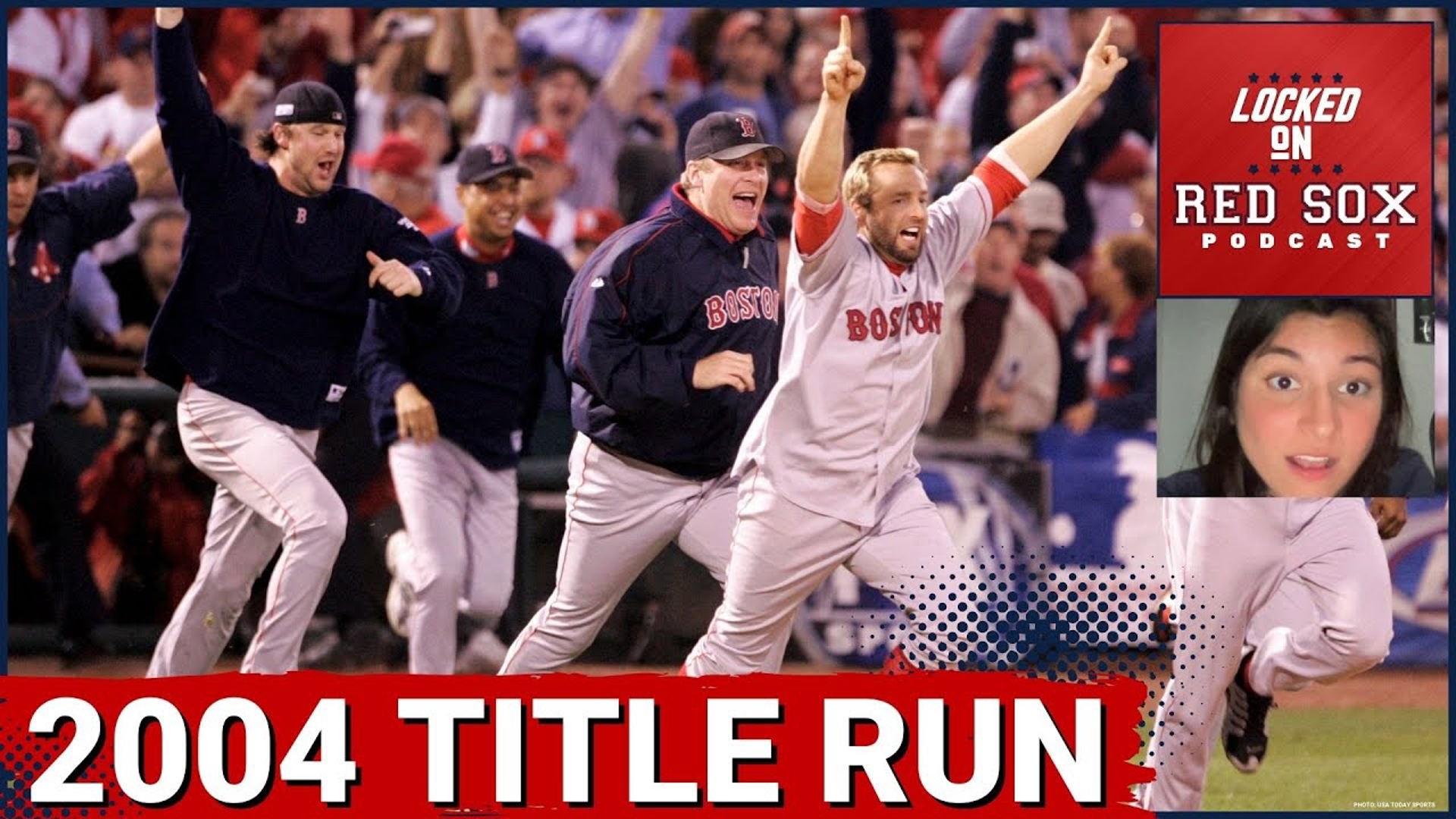
The 2004 Boston Red Sox roster achieved the impossible by overcoming an 86-year championship drought and reversing the "Curse of the Bambino." Led by David Ortiz, Manny Ramirez, and Curt Schilling, the team became the first in MLB history to win a postseason series after trailing 3–0, eventually sweeping the St. Louis Cardinals to claim the World Series title.
The Architectural Shift: Building the 2004 Roster
To understand the 2004 Boston Red Sox, one must look at the front office strategy spearheaded by then-General Manager Theo Epstein. By 2004, the Red Sox had transitioned into a high-functioning hybrid of traditional scouting and advanced statistical analysis. While the core of the team featured superstars like Manny Ramirez and Pedro Martinez, the 2004 roster was defined by specific "value" acquisitions that addressed the team’s previous deficiencies: defense and bullpen stability.
The off-season leading into 2004 saw the arrival of Curt Schilling via trade and Keith Foulke via free agency. These were not mere depth moves; they were surgical strikes intended to provide the "ace" mentality required to rival the New York Yankees. Schilling brought a postseason pedigree that the rotation lacked, while Foulke provided a reliable, elite closer—a luxury the 2003 squad sorely missed during their heartbreaking ALCS loss.
The Mid-Season Catalyst: The Nomar Garciaparra Trade
Perhaps the most controversial and pivotal moment in the 2004 season occurred on July 31, the MLB trade deadline. The Red Sox traded Nomar Garciaparra, a franchise icon and perennial All-Star, to the Chicago Cubs in a four-team deal. At the time, the move was met with shock and grief by the fanbase, but the technical reasoning was sound: the Red Sox needed to improve their infield defense.
In return, Boston acquired shortstop Orlando Cabrera and first baseman Doug Mientkiewicz. While neither possessed Nomar’s offensive ceiling, they provided elite defensive range and reliability. This trade signaled a shift in the team's identity. By prioritizing run prevention over star power, Epstein reshaped the roster into a more balanced unit. Cabrera’s energy and Mientkiewicz’s late-inning defensive substitutions became vital components of the championship run.
The "Idiots": Clubhouse Culture and Identity
The 2004 roster was famously self-branded as "The Idiots." This moniker, championed by first baseman Kevin Millar and center fielder Johnny Damon, described a loose, high-energy, and resilient clubhouse atmosphere that refused to succumb to the historical pressure of "The Curse."
This psychological resilience proved essential during the American League Championship Series (ALCS) against the Yankees. Trailing three games to zero and facing elimination in Game 4, the team’s "don’t let us win today" mantra—attributed to Millar—became a rallying cry. This culture was supported by a veteran core, including catcher Jason Varitek, who was the unofficial captain and the tactical mind behind the pitching staff's success.
The Offensive Powerhouse: Ortiz and Ramirez
At the heart of the 2004 championship story was the most fearsome duo in modern baseball history: David Ortiz and Manny Ramirez. In 2004, they combined for 84 home runs and 269 RBIs.
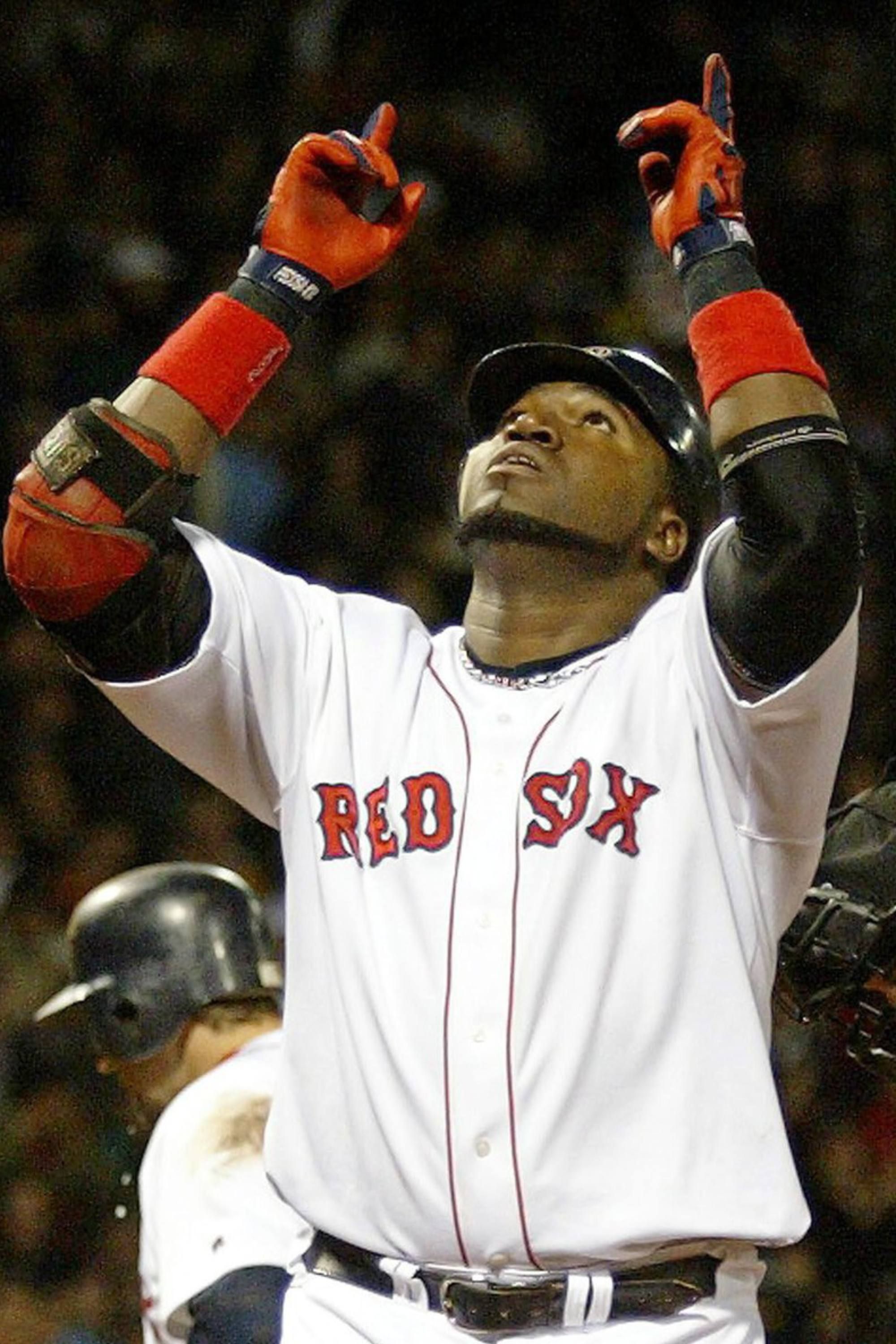
- David Ortiz (DH): 2004 was the year "Big Papi" became a legend. He hit .301 with 41 home runs and 139 RBIs in the regular season. However, his true value emerged in the postseason, where he delivered walk-off hits in Games 4 and 5 of the ALCS, earning him the ALCS MVP.
- Manny Ramirez (LF): Ramirez led the American League with 43 home runs and posted a staggering 1.010 OPS. His prowess continued into the World Series, where he batted .412 and was named World Series MVP.
- Bill Mueller (3B): Often overlooked, Mueller was the glue of the lineup. He provided professional at-bats and hit the crucial single off Mariano Rivera in Game 4 of the ALCS that allowed Dave Roberts to score the tying run.
The Pitching Staff: Dominance and Grit
The 2004 pitching rotation was a blend of Hall of Fame talent and unique specialists. The staff was anchored by three primary figures who shouldered the burden of the high-stakes October innings.
- Curt Schilling: Despite a torn tendon in his right ankle, Schilling pitched Game 6 of the ALCS and Game 2 of the World Series. The "Bloody Sock" games became iconic symbols of the team's determination. Schilling finished the regular season with 21 wins and a 3.26 ERA.
- Pedro Martinez: Though no longer in his absolute prime, Martinez remained a master tactician. He contributed 16 wins and provided the emotional fire the team needed, particularly during the intense rivalry games against New York.
- Derek Lowe: After a struggling regular season that saw him relegated to the bullpen, Lowe returned to the rotation for the most critical starts. He became the first pitcher to win the clinching game in three consecutive postseason series (ALDS, ALCS, and World Series).
- Tim Wakefield: The knuckleballer provided 188.1 innings of versatility. His selfless decision to eat innings during the Game 3 blowout in the ALCS saved the bullpen for the historic comeback that followed.
2004 Boston Red Sox Primary Roster & Statistics
The following table highlights the key contributors to the 2004 championship season, focusing on their primary roles and significant contributions.
| Player | Position | Key Stat/Role | Impact Note |
|---|---|---|---|
| David Ortiz | DH | 41 HR, 139 RBI | ALCS MVP; legendary clutch hitter. |
| Manny Ramirez | LF | .312 AVG, 43 HR | World Series MVP; batting powerhouse. |
| Curt Schilling | SP | 21-6, 3.26 ERA | Won "Bloody Sock" games in ALCS/WS. |
| Keith Foulke | RP | 32 Saves, 2.17 ERA | Recorded final out of the World Series. |
| Jason Varitek | C | .296 AVG, 18 HR | Team leader; caught record 4 no-hitters. |
| Johnny Damon | CF | .304 AVG, 94 Runs | Spark plug; hit GS in ALCS Game 7. |
| Pedro Martinez | SP | 16-9, 3.90 ERA | Emotional anchor of the rotation. |
| Bill Mueller | 3B | .283 AVG, .365 OBP | Hit key RBI off Rivera in ALCS Game 4. |
| Orlando Cabrera | SS | .294 AVG (w/ BOS) | Stabilized defense after Garciaparra trade. |
| Derek Lowe | SP | 14-12, 5.42 ERA | Won clinching games in all three rounds. |
| Mark Bellhorn | 2B | 17 HR, 88 Walks | High OBP; hit key HRs in ALCS and WS. |
| Dave Roberts | OF | 38 SB (Total) | "The Steal" that changed Red Sox history. |
The Postseason Narrative: Breaking the Curse
The 2004 postseason is widely regarded as the greatest comeback in professional sports. The Red Sox swept the Anaheim Angels in the Division Series but appeared destined for another heartbreak against the Yankees.
The turning point was "The Steal." In the bottom of the 9th inning of ALCS Game 4, trailing 4–3 against the greatest closer in history, Mariano Rivera, pinch-runner Dave Roberts stole second base. He scored on Bill Mueller's single, sending the game to extra innings. David Ortiz eventually won the game with a home run. The Red Sox proceeded to win the next three games against New York, including a 10–3 blowout in Game 7 at Yankee Stadium.
By the time they reached the World Series against the St. Louis Cardinals, the Red Sox were playing with a sense of inevitability. They swept the Cardinals in four games, outscoring them 24–12. Keith Foulke induced a comeback grounder from Edgar Renteria to secure the first championship for Boston since 1918.
FAQs about the 2004 Red Sox Roster
Did Nomar Garciaparra get a World Series ring?
Yes, Nomar Garciaparra was awarded a World Series ring by the Red Sox organization. Although he was traded to the Chicago Cubs mid-season, it is standard practice for teams to provide rings to players who were on the roster for a significant portion of the championship season. The players also voted him a full playoff share.
Who was the manager of the 2004 Boston Red Sox?
Terry Francona was the manager of the 2004 team. It was his first season with the Red Sox. Francona was lauded for his "player-friendly" approach and his ability to manage the diverse personalities in the clubhouse while making high-pressure tactical decisions, such as sticking with Derek Lowe for Game 7 of the ALCS.
Why was Dave Roberts so important if he didn't start?
Dave Roberts was a trade-deadline acquisition specifically brought in for his elite speed. His stolen base in Game 4 of the ALCS is considered one of the most important plays in baseball history. Without that steal, the Red Sox likely would have been swept by the Yankees, and the "Curse" would have continued.
What happened to the "Bloody Sock"?
The original sock worn by Curt Schilling during Game 2 of the World Series was famously sold at auction for $92,613 in 2013. The sock from Game 6 of the ALCS was reportedly discarded, though various artifacts from that season reside in the National Baseball Hall of Fame in Cooperstown.
How many players from the 2004 roster are in the Hall of Fame?
As of 2026, David Ortiz and Pedro Martinez are the primary members of the 2004 roster in the National Baseball Hall of Fame. Curt Schilling and Manny Ramirez have the statistical credentials but have faced hurdles related to character and performance-enhancing drug allegations, respectively.
The Lasting Legacy of the 2004 Roster
Reflecting on this team from the perspective of 2026, the 2004 Boston Red Sox remain the gold standard for roster construction and mental toughness. They did more than just win a trophy; they altered the cultural fabric of New England. The success of this roster validated the "Sabermetric" approach while proving that team chemistry—the "Idiots" factor—is a tangible asset in professional sports.
For those looking to study the 2004 roster, the lesson is clear: championships are won through a combination of superstar performance, elite run prevention (defense), and the courage to make difficult personnel changes when necessary. The 2004 Red Sox will forever be remembered as the team that stood on the edge of the abyss and refused to blink.