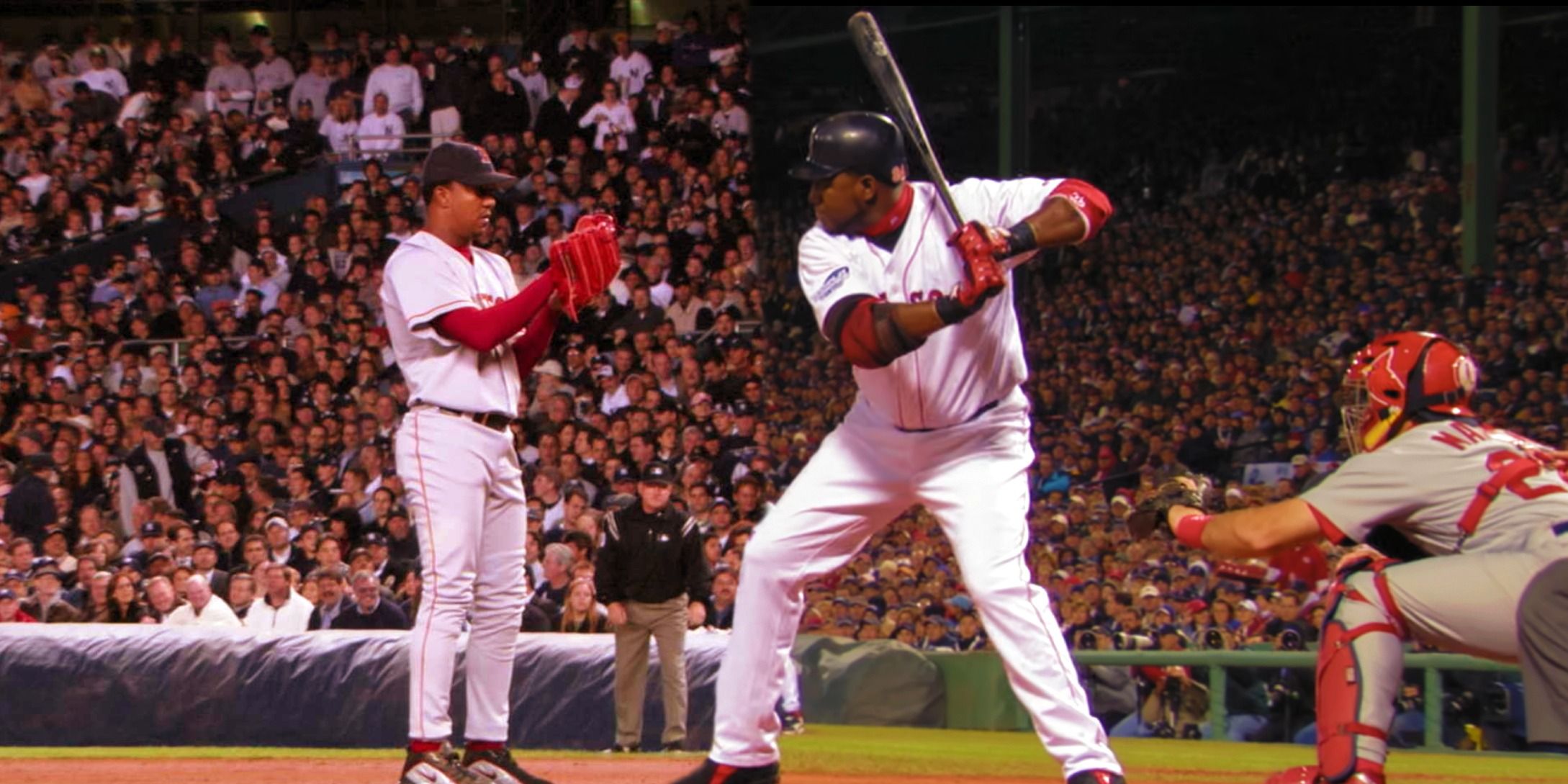
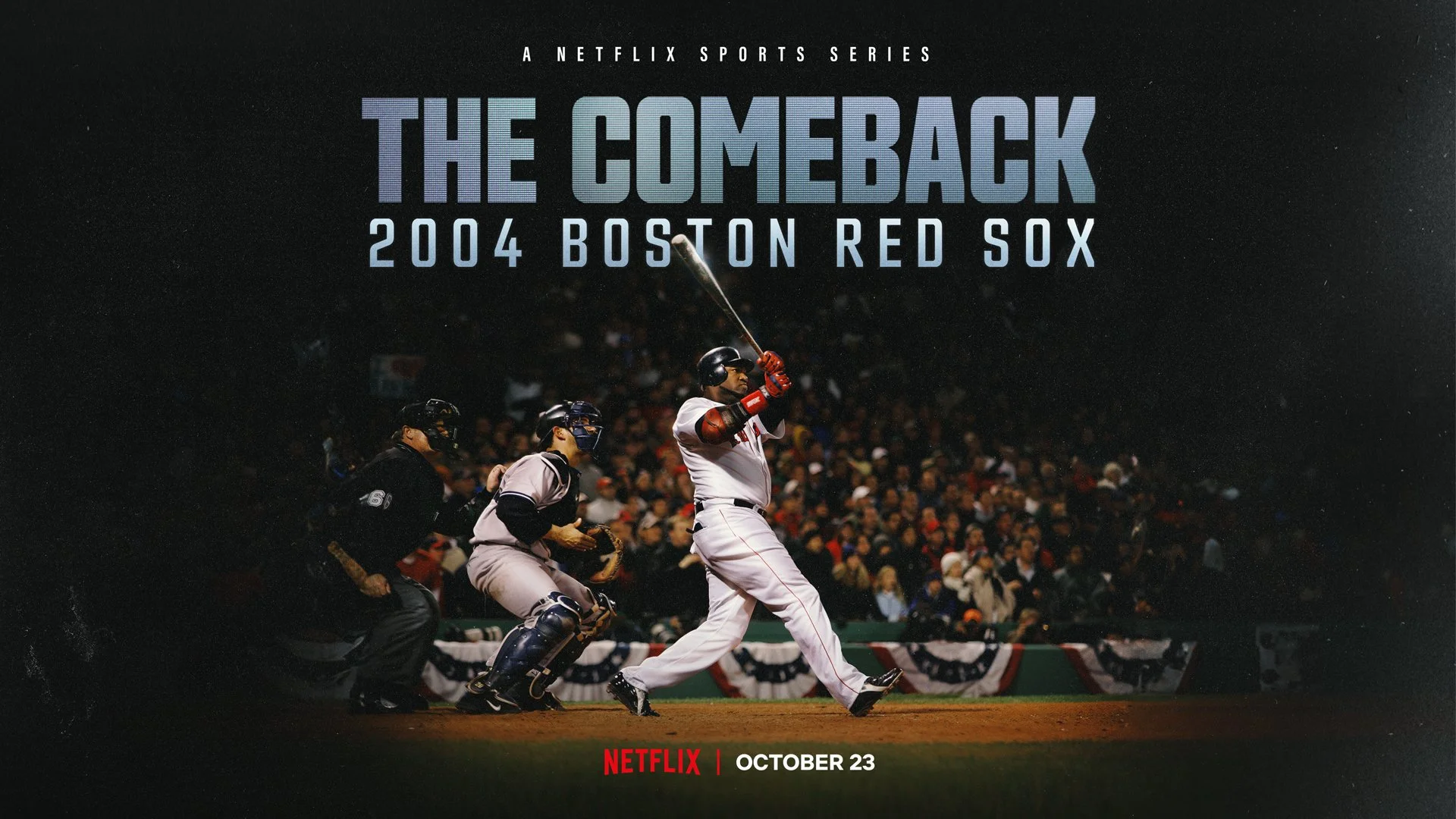
The 2004 Boston Red Sox season is the most significant campaign in the franchise's history, marked by the team’s first World Series championship in 86 years. By overcoming a 3-0 deficit against the New York Yankees in the American League Championship Series (ALCS), they became the first and only MLB team to achieve such a comeback, eventually sweeping the St. Louis Cardinals to "reverse the curse."
The Weight of History: The Curse of the Bambino
To understand the magnitude of the 2004 Boston Red Sox, one must first recognize the historical burden the team carried. Following the sale of Babe Ruth to the New York Yankees in 1919, the Red Sox entered an 86-year championship drought known colloquially as the "Curse of the Bambino." For generations of New Englanders, the team was defined by "near-misses" and heartbreaks, most notably in 1946, 1967, 1975, 1986, and as recently as 2003.
The 2003 season had ended in a particularly agonizing fashion when Aaron Boone hit a walk-off home run in Game 7 of the ALCS, sent the Yankees to the World Series, and left Boston in a state of familiar despair. Entering the 2004 season, the front office, led by a young General Manager named Theo Epstein, took a clinical, Sabermetric-influenced approach to roster construction. The goal was not merely to compete but to dismantle the psychological and physical barriers that had prevented the team from winning it all since 1918.
Roster Construction and the "Idiots" Persona
The 2004 team was characterized by a unique blend of high-level talent and a self-proclaimed "idiot" persona. Players like Kevin Millar, Johnny Damon, and David Ortiz embraced a loose, irreverent clubhouse culture designed to deflect the immense pressure of the Boston media and the weight of the franchise's losing history.
Strategic Offseason Acquisitions
The path to the 2004 championship began with two critical offseason moves. First, the team acquired ace pitcher Curt Schilling from the Arizona Diamondbacks. Schilling was a proven postseason performer who provided a veteran "co-ace" to pair with Pedro Martinez. Second, the team signed closer Keith Foulke, whose changeup and reliability in the ninth inning addressed a long-standing weakness in the Boston bullpen.
The Trade That Changed Everything
In a move that initially shocked the fanbase, Theo Epstein traded franchise icon and shortstop Nomar Garciaparra at the July 31 trade deadline. The four-team trade brought in shortstop Orlando Cabrera and first baseman Doug Mientkiewicz. While Garciaparra was a beloved figure, his defensive range had declined, and the clubhouse dynamic was reportedly strained. The trade prioritized infield defense and "run prevention," a core tenet of the team’s statistical philosophy. Following the trade, the Red Sox went on a tear, finishing the regular season with a 98-64 record and securing the American League Wild Card spot.
The ALCS Miracle: 0-3 to History
The 2004 ALCS against the New York Yankees is widely regarded as the greatest postseason series in baseball history. After losing the first three games—including a demoralizing 19-8 blowout in Game 3 at Fenway Park—the Red Sox faced an impossible statistical mountain. No team in MLB history had ever come back from a 3-0 series deficit.
Game 4: The Steal and the Walk-Off
In the bottom of the ninth inning of Game 4, trailing 4-3 and facing the greatest closer of all time, Mariano Rivera, the Red Sox found a spark. Kevin Millar drew a lead-off walk. Manager Terry Francona then inserted Dave Roberts as a pinch-runner. In what is now the most famous stolen base in history, Roberts took second base on his first attempt. Bill Mueller followed with a single to center, scoring Roberts and tying the game. In the 12th inning, David Ortiz hit a walk-off two-run home run, beginning the miracle.
Game 5: The Marathon
Game 5 was another grueling extra-inning affair. David Ortiz once again proved his "clutch" credentials by hitting a walk-off single in the 14th inning to score Johnny Damon. The series shifted back to Yankee Stadium, but the momentum had clearly migrated to the Boston dugout.
Game 6: The "Bloody Sock"
Game 6 featured one of the most legendary individual performances in sports. Curt Schilling, pitching on a torn tendon in his right ankle that had been temporarily sutured to his skin by team doctors, delivered seven innings of one-run ball. As the game progressed, blood visibly soaked through his white sanitary sock. The image of the "Bloody Sock" became the definitive symbol of the team's resilience. Mark Bellhorn hit a crucial three-run home run, and the Red Sox forced a Game 7.
Game 7: The Rout
Unlike the tension of the previous three games, Game 7 was a definitive statement. Johnny Damon hit a grand slam and a two-run home run, propelling the Red Sox to a 10-3 victory. The "unbeatable" Yankees had collapsed, and the Red Sox became the first team to win four straight games after trailing 0-3 in a series.
The 2004 World Series: Sweeping the Cardinals
After the emotional high of the ALCS, the World Series against the St. Louis Cardinals was almost a foregone conclusion. The Cardinals had won 105 games in the regular season and featured a "MV3" lineup of Albert Pujols, Scott Rolen, and Jim Edmonds. However, the Red Sox momentum was unstoppable.
- Game 1: A high-scoring 11-9 victory at Fenway Park, highlighted by a Mark Bellhorn home run that hit the Pesky Pole.
- Game 2: Curt Schilling again pitched through the "bloody sock" procedure, leading Boston to a 6-2 win.
- Game 3: Pedro Martinez delivered seven shutout innings in St. Louis, his final legendary performance in a Red Sox uniform.
- Game 4: Derek Lowe pitched seven scoreless innings, and the Red Sox won 3-0. When shortstop Orlando Cabrera threw to Doug Mientkiewicz for the final out, the 86-year wait was officially over.
Statistical Leaders and Key Contributors
The success of the 2004 team was built on a historic offense and a top-heavy but effective pitching staff. The following table highlights the primary contributors during the regular season and postseason.
| Player | Position | Regular Season Stat | Postseason Note |
|---|---|---|---|
| David Ortiz | DH | .301 BA, 41 HR, 139 RBI | ALCS MVP; multiple walk-off hits |
| Manny Ramirez | LF | .308 BA, 43 HR, 130 RBI | World Series MVP (.412 BA in WS) |
| Curt Schilling | SP | 21-6, 3.26 ERA | Won Games 6 of ALCS and 2 of WS |
| Pedro Martinez | SP | 16-9, 3.90 ERA | 7.0 IP, 0 ER in World Series Game 3 |
| Keith Foulke | RP | 32 Saves, 2.17 ERA | Threw the final pitch of the World Series |
| Johnny Damon | CF | .304 BA, 20 HR, 94 Runs | 2 HRs and 6 RBIs in ALCS Game 7 |
| Jason Varitek | C | .296 BA, 18 HR | Team Captain and defensive anchor |
The Cultural Legacy of 2004
In the years following 2004, the victory transformed the Red Sox from "lovable losers" into a modern baseball dynasty. As of 2026, the 2004 championship remains the blueprint for how a franchise can modernize its front office while maintaining its historical identity.
The "reverse the curse" victory had implications beyond the baseball diamond. It changed the psyche of New England sports fans, ending a period of fatalism and ushering in an era of unprecedented success for Boston-area teams. The 2004 team remains the most beloved squad in the city's history, not just for the trophy they won, but for the impossible way in which they won it.
Frequently Asked Questions
Who won the World Series MVP in 2004?
Manny Ramirez was named the World Series MVP. He batted .412 during the four-game sweep of the St. Louis Cardinals, recording seven hits and four RBIs. His consistent offensive pressure, combined with the protection provided by David Ortiz in the lineup, made the Red Sox offense nearly impossible for Cardinals pitchers to navigate.
What was the "Bloody Sock" game?
The "Bloody Sock" game refers to Game 6 of the 2004 ALCS. Pitcher Curt Schilling had a ruptured tendon in his right ankle. To allow him to pitch, Red Sox medical staff performed a revolutionary procedure where they sutured the tendon to the skin to keep it in place. During the game, the sutures began to bleed, causing a visible red stain on his white sock as he led the team to a crucial victory against the Yankees.
How did Dave Roberts change the 2004 ALCS?
Dave Roberts changed the series with a single play in the bottom of the ninth inning of Game 4. With the Red Sox down 4-3 and facing elimination, Roberts entered as a pinch-runner for Kevin Millar. Despite the Yankees knowing he would try to steal, Roberts successfully stole second base against Mariano Rivera. He then scored the tying run on a Bill Mueller single, allowing the Red Sox to eventually win in extra innings and begin their 8-game winning streak.
Why was the Nomar Garciaparra trade so controversial?
Nomar Garciaparra was a five-time All-Star and the face of the Red Sox franchise. Trading him mid-season was seen as a massive risk that could have alienated the clubhouse and the fans. However, the trade was a strategic move by Theo Epstein to improve the team's lackluster infield defense and add clubhouse stability. The acquisition of Orlando Cabrera and Doug Mientkiewicz solidified the defense, which was a critical factor in the team's late-season surge.
Who was the manager of the 2004 Red Sox?
Terry Francona was the manager of the 2004 Red Sox. In his first year with the team, he was praised for his calm demeanor and his ability to manage the diverse personalities in the clubhouse. His tactical decisions, particularly his use of pinch-runners and his management of a taxed bullpen during the ALCS, were instrumental in the team's championship run.
Recommendations for Studying the 2004 Season
For those looking to dive deeper into the mechanics of this historic season, several authoritative resources provide granular detail. The official MLB film Faith Rewarded offers behind-the-scenes footage of the postseason run. Additionally, the book Feeding the Monster by Seth Mnookin provides a comprehensive look at how the front office built the team using modern analytical methods.
To verify specific player statistics or game-by-game results, Baseball-Reference remains the industry standard for historical data. For a look at the cultural impact, the National Baseball Hall of Fame maintains exhibits dedicated to the "Bloody Sock" and the 2004 World Series trophy, documenting their place in the wider context of American sports history.