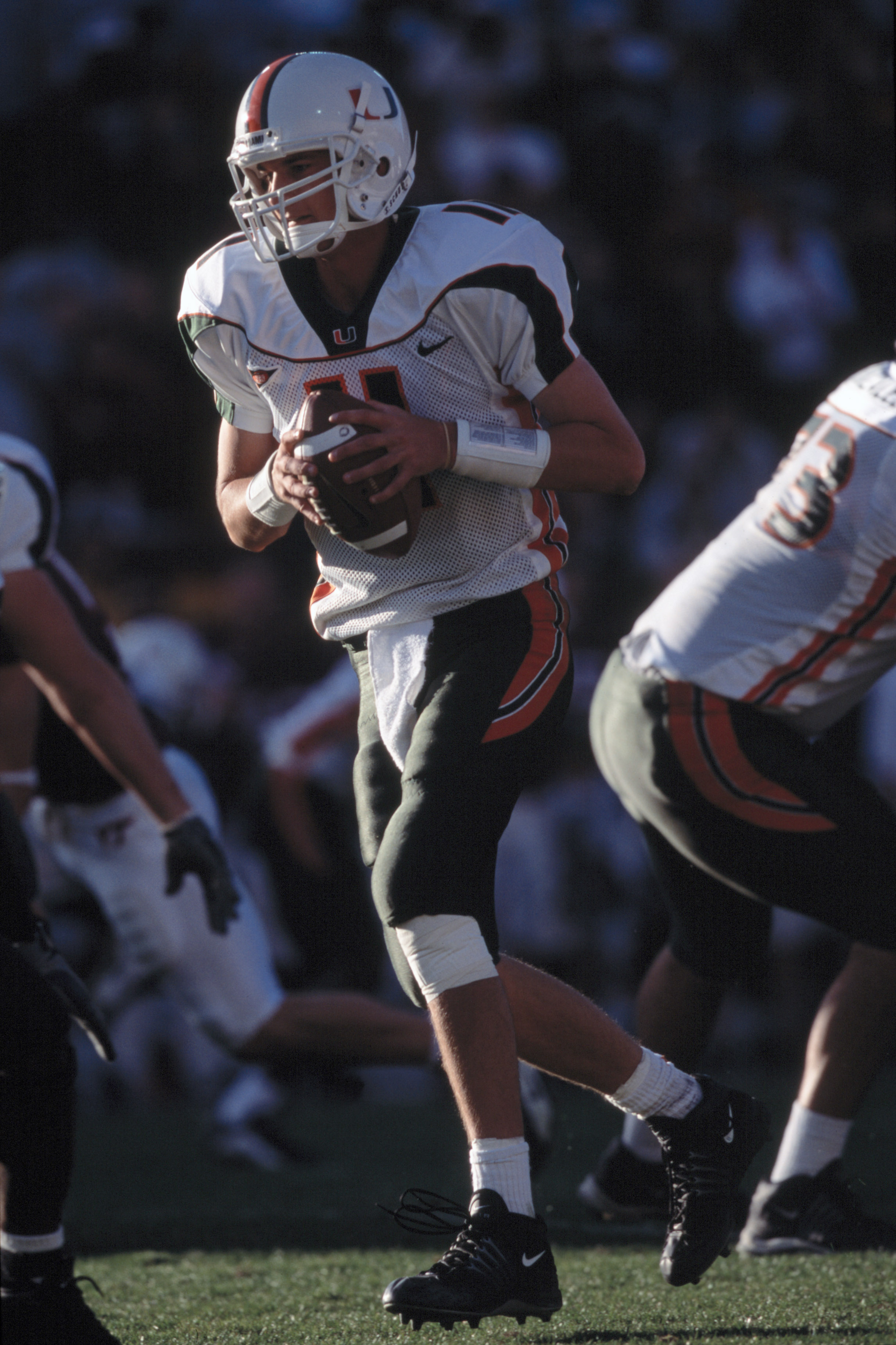
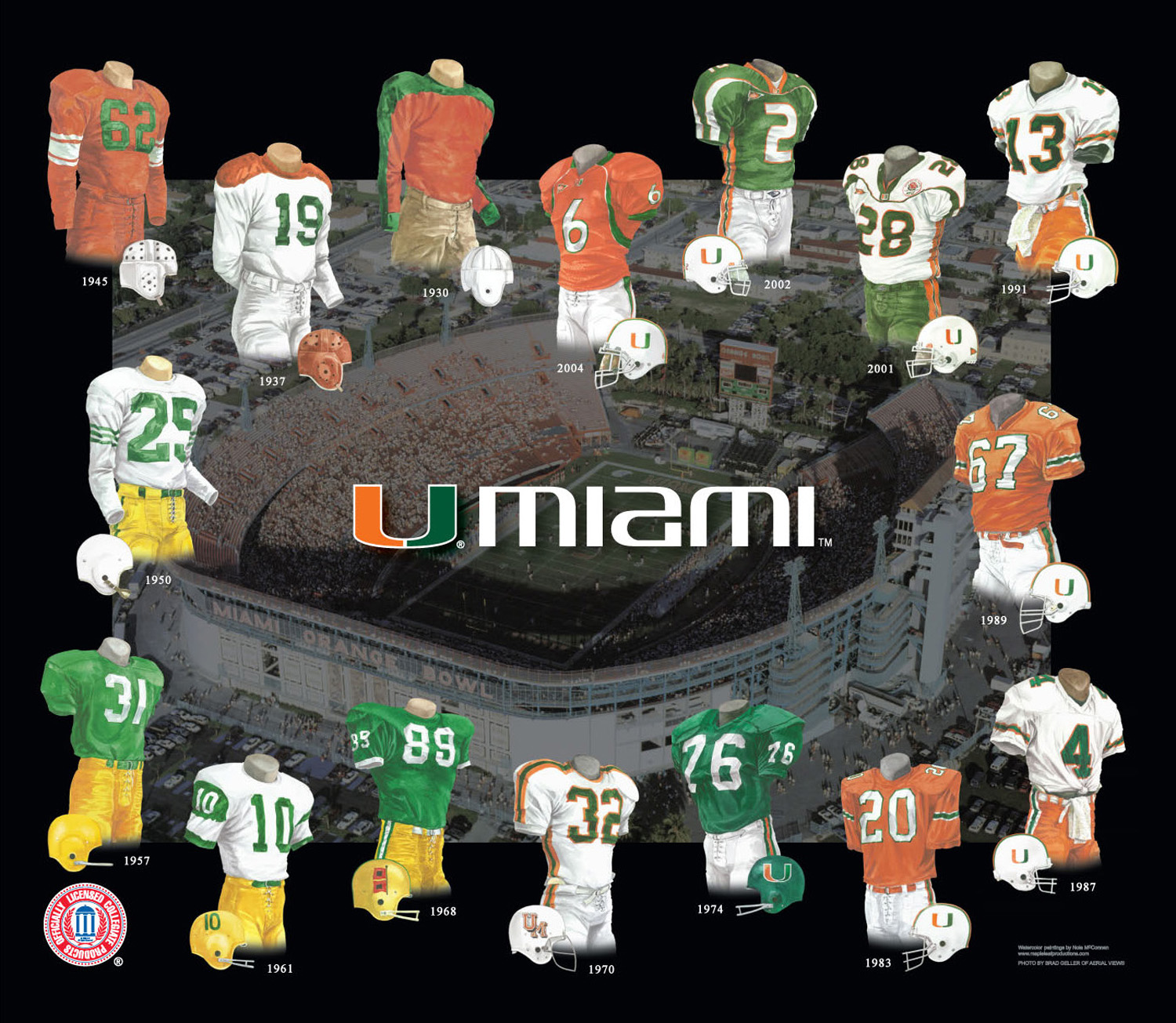
The 2001 University of Miami football roster is widely regarded as the most talented collection of players ever assembled on a single college team. Led by head coach Larry Coker, this legendary squad finished the season 12-0, captured the National Championship, and eventually produced an unprecedented 38 NFL Draft picks, including 17 first-rounders.
The 2001 Miami Hurricanes: Historical Context and Dominance
As we look back from the perspective of 2026, the 2001 Miami Hurricanes remain the definitive benchmark for excellence in collegiate athletics. This team did not just win; they dismantled their opposition. During their 12-0 run, the Hurricanes outscored their opponents by a staggering margin of 512 to 117. Their dominance was characterized by a relentless defense, a sophisticated pro-style offense, and a depth chart so deep that future NFL Pro Bowlers were often playing on special teams or sitting third on the depth chart.
The season culminated in a 37-14 victory over Nebraska in the Rose Bowl, a game that was effectively over by halftime. While the 1995 Nebraska Cornhuskers and the 2019 LSU Tigers are often brought into the "greatest of all time" conversation, Miami’s 2001 roster stands alone due to its sheer density of professional-grade talent. Nearly every starter—and a significant portion of the second string—went on to have meaningful careers in the National Football League.
Offense: A Powerhouse of Future NFL Legends
The 2001 Hurricanes offense was a masterclass in balance and explosive playmaking. While the system was designed to be efficient and mistake-free, the individual talent allowed for a vertical threat that few defenses could contain.
The Quarterback and the Offensive Line
At the helm was Ken Dorsey, perhaps the most decorated quarterback in school history. While Dorsey did not possess the "cannon" arm of some of his predecessors, his decision-making and leadership were unparalleled. In 2001, he threw for 2,652 yards and 23 touchdowns. Protecting him was an offensive line anchored by left tackle Bryant McKinnie. McKinnie’s 2001 season is the stuff of legend; the Heisman finalist did not allow a single sack during his entire collegiate career, providing Dorsey with a pristine pocket to operate within. Along with McKinnie, the line featured Joaquin Gonzalez and Brett Romberg, ensuring the Hurricanes controlled the trenches in every contest.
The Greatest Backfield Ever Assembled
The most staggering aspect of the 2001 roster was the running back room. Clinton Portis was the primary starter, rushing for 1,200 yards and 10 touchdowns. However, the players behind him on the depth chart—Willis McGahee and Frank Gore—would go on to become NFL icons. In 2001, McGahee and Gore were utilized as change-of-pace backs and special teams contributors. It is a feat unlikely to be repeated: three future NFL stars, each of whom would record multiple 1,000-yard professional seasons, sharing a single college locker room.
Wide Receivers and Tight Ends
The perimeter was patrolled by Andre Johnson, a physical specimen who combined elite speed with a massive frame. Johnson’s performance in the Rose Bowl (7 catches, 199 yards, 2 TDs) showcased his future Hall of Fame potential. Complementing Johnson was Kevin Beard and a young Roscoe Parrish. At tight end, the Hurricanes utilized a "two-headed monster" of Jeremy Shockey and Kellen Winslow II. Shockey was the emotional heartbeat of the offense, a fierce competitor who redefined the tight end position with his receiving ability, while Winslow II provided a glimpse into the future of the "hybrid" athlete.
Defense: The Most Feared Secondary and Linebacking Unit
If the offense was a surgical instrument, the defense was a sledgehammer. The 2001 Miami defense allowed only 9.75 points per game and forced 45 turnovers.
The "No-Fly Zone" Secondary
The secondary of the 2001 Hurricanes is frequently cited as the best in the history of the sport. It featured safety Ed Reed, a player many consider the greatest safety to ever play the game. Reed’s ball-hawking ability was on full display as he recorded nine interceptions and returned two for touchdowns. Opposite Reed sat James Lewis, while the cornerback positions were manned by Phillip Buchanon and Mike Rumph. Even more impressive was the depth: a freshman named Sean Taylor was a primary backup and special teams standout, while Antrel Rolle provided elite coverage off the bench. All five of these defensive backs would eventually be selected in the first round of the NFL Draft.
The Linebackers and Defensive Front
The second level of the defense was anchored by Jonathan Vilma, a fast, cerebral middle linebacker who led the team in tackles. Vilma was flanked by D.J. Williams and Rocky McIntosh, creating a linebacking corps that could sideline-to-sideline with any offense in the nation. Up front, the Hurricanes utilized a rotation of ends and tackles that kept players fresh. Jerome McDougle and William Joseph provided a consistent pass rush, while Vince Wilfork—then a massive sophomore—clogged the middle of the line, making it nearly impossible for opponents to establish a consistent running game.
Complete 2001 University of Miami Football Key Starters and Lineup
The following table highlights the primary starters and notable backups from the 2001 championship roster, many of whom became household names in the NFL.
| Position | Player | Year (2001) | Notable NFL Achievement |
|---|---|---|---|
| QB | Ken Dorsey | Junior | 7th Round Pick, 38 Career Starts |
| RB | Clinton Portis | Junior | 2x Pro Bowl, 9,923 Career Yards |
| RB (Backup) | Willis McGahee | Sophomore | 2x Pro Bowl, 1st Round Pick |
| RB (Backup) | Frank Gore | Freshman | 16,000+ Career Yards, 5x Pro Bowl |
| WR | Andre Johnson | Sophomore | 7x Pro Bowl, 2x Receiving Yards Leader |
| TE | Jeremy Shockey | Junior | 4x Pro Bowl, 1st Round Pick |
| TE (Backup) | Kellen Winslow II | Freshman | Pro Bowl, 6th Overall Pick |
| LT | Bryant McKinnie | Senior | Pro Bowl, 1st Round Pick (7th overall) |
| C | Brett Romberg | Junior | Rimington Trophy Winner, NFL Starter |
| DT | Vince Wilfork | Sophomore | 5x Pro Bowl, 2x Super Bowl Champ |
| LB | Jonathan Vilma | Sophomore | 3x Pro Bowl, Defensive Rookie of the Year |
| LB | D.J. Williams | Sophomore | 1st Round Pick, 11-season NFL Career |
| S | Ed Reed | Senior | 9x Pro Bowl, NFL MVP, Hall of Fame |
| S (Backup) | Sean Taylor | Freshman | 2x Pro Bowl, 1st Round Pick |
| CB | Phillip Buchanon | Junior | 1st Round Pick, 20 Career INTs |
| CB | Mike Rumph | Senior | 1st Round Pick, Super Bowl Champ |
The NFL Draft Legacy: By the Numbers
The true measure of the 2001 Miami Hurricanes' roster strength is revealed through its draft history. In the years following the 2001 championship, the sheer volume of talent exiting Coral Gables for the NFL was unprecedented.
In the 2002 NFL Draft alone, five Hurricanes were taken in the first round: Bryant McKinnie (7th), Jeremy Shockey (14th), Phillip Buchanon (17th), Ed Reed (24th), and Mike Rumph (27th). This was merely the beginning. The 2003 draft saw Andre Johnson and Jerome McDougle go in the first round, followed by a record-breaking 2004 draft where six Miami players (Sean Taylor, Kellen Winslow II, Jonathan Vilma, D.J. Williams, Vernon Carey, and Vince Wilfork) were all selected in the first round.
Collectively, the players on the 2001 roster earned 43 Pro Bowl invitations and won a total of 13 Super Bowl rings in the NFL. This level of professional translation is the primary reason why analysts in 2026 still use the 2001 Hurricanes as the "Gold Standard" when evaluating modern-day "super-teams" like the recent iterations of Georgia or Alabama.
Why the 2001 Hurricanes Remain the Gold Standard
Several factors converged to make the 2001 team unique. First was the timing of the "State of Miami" recruiting philosophy. The program had successfully fenced off South Florida, ensuring that the best athletes from one of the nation’s most fertile recruiting grounds stayed home. Second was the competitive environment within the practice facility. It is often noted by former players that "Greentree Practice Fields" saw more intense competition than the actual Saturday games. When a future Hall of Famer like Ed Reed is practicing against a future Hall of Famer like Andre Johnson, the level of play rises exponentially.
Furthermore, the 2001 team possessed a specific "swagger"—a psychological edge that intimidated opponents before the kickoff. This was not just bravado; it was backed by disciplined, high-IQ football. Despite their reputation for being flamboyant, the 2001 squad was one of the least penalized and most fundamentally sound teams in the country. They played a pro-style scheme on both sides of the ball that prepared them perfectly for the next level, which explains why so many of them transitioned seamlessly to the NFL.
Frequently Asked Questions
Who was the head coach of the 2001 Miami Hurricanes?
Larry Coker was the head coach of the 2001 team. He took over for Butch Davis, who had spent years rebuilding the program before departing for the Cleveland Browns. Coker’s ability to manage the immense egos and talent on the roster led him to a national title in his first year, making him the first coach since 1948 to win a championship in his debut season.
How many first-round draft picks were on the 2001 Miami roster?
There were 17 players on the 2001 roster who were eventually selected in the first round of the NFL Draft. This includes players who were starters at the time (like Bryant McKinnie and Ed Reed) and those who were still backups (like Sean Taylor, Vince Wilfork, and Frank Gore).
What was the 2001 Miami Hurricanes' record?
The team finished with a perfect 12-0 record. Their schedule included dominant wins over ranked opponents such as #14 Florida State (49-27), #12 Washington (65-7), #14 Syracuse (59-0), and #12 Virginia Tech (26-24). They capped the season by defeating #4 Nebraska in the Rose Bowl to win the National Championship.
Who was the best player on the 2001 Miami team?
While "best" is subjective, safety Ed Reed and left tackle Bryant McKinnie are most frequently cited. Reed was the soul of the defense and a consensus All-American, while McKinnie was the most dominant offensive lineman in the country, finishing fourth in the Heisman Trophy voting—an incredibly rare feat for an offensive tackle.
Did Frank Gore play on the 2001 team?
Yes, Frank Gore was a true freshman on the 2001 roster. Despite being third on the depth chart behind Clinton Portis and Willis McGahee, Gore still managed to rush for 562 yards and five touchdowns, averaging an incredible 9.1 yards per carry. His longevity in the NFL, which lasted until 2020, began in the shadows of the 2001 Miami backfield.
Verifying the Legacy: Next Steps for Researchers
For those looking to further explore the 2001 Miami Hurricanes' impact, several resources provide deeper statistical and film analysis. The University of Miami Sports Hall of Fame offers detailed archives of individual player statistics and season retrospectives. Additionally, the NFL Draft archives provide a year-by-year breakdown of how the 2001 roster dispersed into the professional ranks.
If you are a student of the game, watching the 2001 games against Washington or Nebraska provides a masterclass in modern football strategy. Pay close attention to the special teams units; seeing future NFL stars like Sean Taylor and Antrel Rolle sprinting downfield on kickoff coverage is the ultimate testament to why this team remains the greatest assembly of talent in college football history.