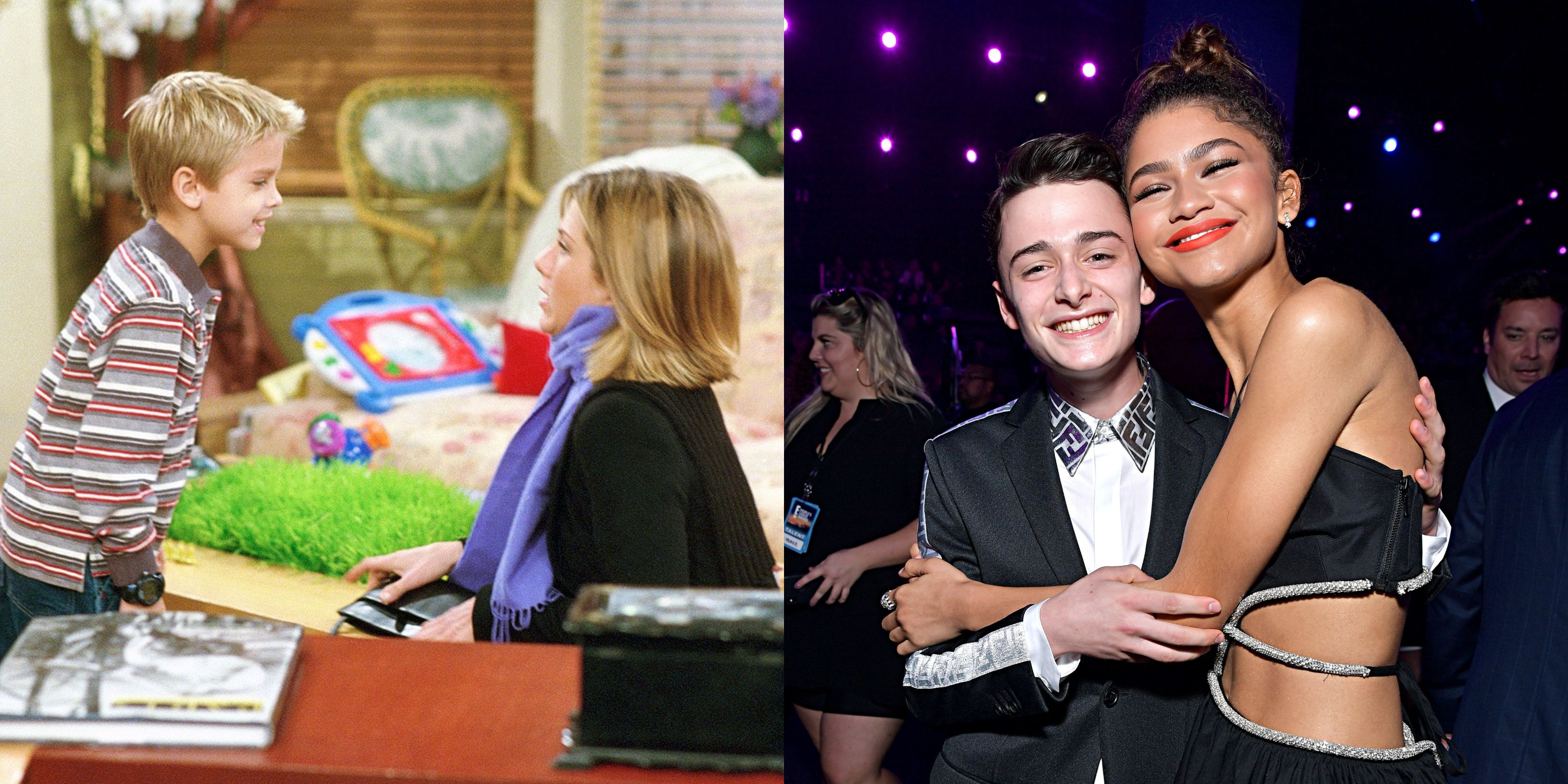
The phenomenon of 2000s crushes is defined by a unique intersection of burgeoning digital media, the peak of teen-oriented television, and the global dominance of boy bands and pop princesses. These iconic celebrity crushes, ranging from Chad Michael Murray to Hilary Duff, provided a blueprint for romantic ideals that continue to resonate through nostalgic love in 2026. This era's obsession was fueled by glossy magazines, early social networking, and a distinct aesthetic that prioritized "girl-next-door" charm and "brooding bad boy" personas.
The Cultural Landscape of 2000s Celebrity Worship
To understand why 2000s crushes hold such a profound grip on the collective memory, one must analyze the media landscape of the time. Unlike the hyper-saturated, influencer-driven market of 2026, the 2000s relied on curated mystery and traditional gatekeepers. Celebrities were primarily accessed through teen magazines like Tiger Beat, J-14, and Seventeen, or through scheduled television programming on networks like The WB, UPN, and MTV.
This decade marked the transition from the analog 90s to the digital 2010s. The scarcity of 24/7 updates on a celebrity's private life—before the total dominance of Instagram and TikTok—created a sense of longing and "nostalgic love." Fans would wait for the latest music video premiere on Total Request Live (TRL) or the newest episode of a high school drama to see their favorites. This anticipation solidified the status of "iconic crushes" because their presence felt like an event rather than an endless stream of content.
Furthermore, the 2000s were characterized by specific fashion and beauty standards—frosted tips, low-rise jeans, butterfly clips, and excessive denim—which became inextricably linked with the stars of the era. When we look back from 2026, these celebrities are not just individuals; they are symbols of a specific cultural moment.
The Heartthrobs of the Small Screen: TV’s Golden Age of Crushes
Television in the 2000s was the primary incubator for celebrity crushes. The era saw a surge in teen-centric dramas that utilized young, attractive casts to draw in massive audiences. These shows created archetypes that viewers projected their romantic fantasies onto, leading to enduring legacies for the actors involved.
The Rise of the WB and The CW Stars
The WB (later merging into The CW) was a powerhouse for creating iconic crushes. Chad Michael Murray became the quintessential 2000s heartthrob through his roles in Gilmore Girls, Dawson’s Creek, and most notably, One Tree Hill. His portrayal of Lucas Scott offered a mix of athleticism and sensitivity that appealed to millions. Similarly, Adam Brody as Seth Cohen in The O.C. revolutionized the "geek-chic" crush, proving that wit and a love for comic books could be just as attractive as traditional jock archetypes.
Disney Channel and Nickelodeon Idols
For a slightly younger demographic, the mid-to-late 2000s were dominated by the Disney Channel "Golden Era." Zac Efron’s debut in High School Musical (2006) created a level of hysteria rarely seen since Beatlemania. His blue eyes and shaggy hair became the standard for male beauty in the late 2000s. On the Nickelodeon side, stars like the Jonas Brothers bridged the gap between television and music, becoming the ultimate poster boys for an entire generation of fans.
Silver Screen Sweethearts: Rom-Coms and Action Heroes
While television provided weekly engagement, the film industry produced larger-than-life icons whose images adorned bedroom walls across the globe. The 2000s were the last great decade of the traditional romantic comedy, a genre that lived and died by the charisma of its leads.
The Leading Ladies of the 2000s
Hilary Duff and Lindsay Lohan were perhaps the two most significant female crushes of the early 2000s. Duff, through The Lizzie McGuire Movie and A Cinderella Story, represented the relatable, wholesome "everygirl." Lohan, particularly in Mean Girls and Freaky Friday, showcased a comedic timing and edgy charm that made her an instant icon. Other notable figures included Julia Stiles, who defined the "cool, intellectual" crush in 10 Things I Hate About You and Save the Last Dance.
The Leading Men and Action Stars
In film, the "crush" factor often combined physical attractiveness with iconic roles. Heath Ledger captivated audiences in 10 Things I Hate About You before moving into more serious roles, leaving a lasting impact on pop culture. Orlando Bloom became a dual-threat crush through his roles as Legolas in The Lord of the Rings and Will Turner in Pirates of the Caribbean. His presence in two of the decade’s biggest franchises ensured his status as a premier iconic celebrity crush.
Music Icons: From Boy Bands to Pop Princesses
The music industry of the 2000s was a machine designed to produce idols. The visual component of music—driven by MTV and VH1—was just as important as the audio, leading to the rise of stars who were marketed as much for their looks as their talent.
The Solo Superstars
Britney Spears and Christina Aguilera were the undisputed queens of the early 2000s. Their evolution from teen pop stars to mature artists was documented in real-time, making them the primary crushes for a generation of young men and role models for young women. On the male side, Justin Timberlake’s transition from 'N Sync to a solo artist solidified him as a global sex symbol. His "FutureSex/LoveSounds" era remains a high-water mark for 2000s pop culture.
R&B and Alternative Crushes
The 2000s also saw the mainstream explosion of R&B heartthrobs like Usher, whose Confessions album dominated the mid-decade charts. Meanwhile, the "emo" and "pop-punk" movements introduced a different kind of crush. Avril Lavigne and Pete Wentz of Fall Out Boy appealed to those who preferred eyeliner and angst over the polished look of traditional pop stars.
Comparative Overview of 2000s Icons
The following table highlights some of the most influential figures of the decade and the projects that cemented their status as iconic crushes.
| Celebrity | Primary Domain | Peak Years | Iconic Project/Role | Crush Archetype |
|---|---|---|---|---|
| Chad Michael Murray | Television | 2003–2009 | One Tree Hill | The Brooding Athlete |
| Britney Spears | Music | 1999–2004 | ...Baby One More Time | The Pop Princess |
| Zac Efron | Film/TV | 2006–2008 | High School Musical | The Boy Next Door |
| Hilary Duff | TV/Music | 2001–2005 | Lizzie McGuire | The Relatable Best Friend |
| Adam Brody | Television | 2003–2007 | The O.C. | The Witty Outsider |
| Heath Ledger | Film | 1999–2008 | 10 Things I Hate About You | The Rebel with a Heart |
| Beyoncé | Music | 2003–Present | Dangerously in Love | The Empowered Diva |
| Ashton Kutcher | TV/Film | 2000–2006 | That '70s Show | The Lovable Goofball |
Why We Still Feel Nostalgic Love in 2026
Nostalgic love is not merely an appreciation for the past; it is a psychological phenomenon where individuals associate specific figures with their own coming-of-age. In 2026, the 2000s are viewed through a lens of "pre-complex" digital life. For many, these celebrities represent a time of simpler social interactions and the discovery of one's own identity.
This nostalgia is also fueled by the "20-year rule" in fashion and culture, where trends from two decades prior resurface. In the mid-2020s, we see the resurgence of Y2K fashion, which naturally brings the icons of that era back into the spotlight. Furthermore, many of these stars have maintained their relevance through high-profile career pivots or by embracing their legacy on social media, allowing fans to maintain a connection that spans over twenty years.
The durability of these crushes also stems from the shared experience of the era. Before the fragmentation of media, millions of people watched the same shows and listened to the same radio hits simultaneously. This "monoculture" created a universal set of icons that almost everyone in a certain age bracket recognizes, fostering a sense of community in their nostalgic appreciation.
Legacy and the Evolution of the "Crush"
The concept of a celebrity crush has evolved significantly since 2009. While 2000s crushes were often untouchable figures viewed through a television screen or on a glossy page, modern crushes are expected to be accessible and "authentic" on social media. This shift has made the 2000s icons seem even more legendary by comparison; they represent the last era of true Hollywood mystery.
However, the 2000s were not without their flaws. The decade's tabloid culture was notoriously harsh, particularly toward young women. In 2026, much of the nostalgic love for figures like Britney Spears or Lindsay Lohan is tempered with a modern understanding of the pressures they faced, leading to a more empathetic form of fandom than existed at the time.
Frequently Asked Questions
Who was the biggest male heartthrob of the 2000s?
While subjective, Chad Michael Murray and Zac Efron are frequently cited as the most dominant. Murray owned the early 2000s through One Tree Hill, while Efron’s impact in the latter half of the decade following High School Musical was unprecedented in terms of merchandise and media coverage.
What defines "nostalgic love" for 2000s celebrities?
Nostalgic love refers to the emotional connection fans feel toward stars who defined their formative years. It is often characterized by revisiting the media of that time—such as streaming old TV shows or listening to early 2000s playlists—to recapture the feelings of youth and simpler times.
Why are 2000s crushes trending again in 2026?
The resurgence is primarily due to the cyclical nature of fashion (the Y2K revival) and the fact that the primary audience of the 2000s (Millennials and older Gen Z) now possesses the purchasing power and platform to celebrate their childhood icons. Additionally, streaming services have made 2000s content more accessible than ever.
Did social media exist for 2000s crushes?
In the early 2000s, social media was in its infancy with platforms like MySpace and Friendster. While celebrities did not use these platforms for daily personal updates as they do now, these sites allowed fans to create communities and fan pages, laying the groundwork for modern digital fandom.
Who were the top "Girl Next Door" icons of the decade?
Hilary Duff, Jennifer Aniston (during the final years of Friends), and Alexis Bledel (Gilmore Girls) were the primary examples. They were marketed as approachable, kind, and relatable, contrasting with the more "untouchable" pop star personas of the era.
How to Revisit the 2000s Era Today
To truly engage with the nostalgic love of the 2000s in 2026, one should look beyond mere images and dive into the media that created these icons. For those looking to experience the era or relive their own 2000s crushes, the following actions are recommended:
- Curated Streaming: Platforms like Max, Hulu, and Netflix host the definitive series of the decade, such as The O.C., One Tree Hill, and Gossip Girl. Watching these in their original format provides the necessary context for why these stars were so beloved.
- Digital Archives: Explore archival websites or physical collections of magazines like Teen Vogue or Rolling Stone from 2000–2009 to see the marketing and photography styles that defined the decade's aesthetic.
- Music Documentaries: Many 2000s icons have released retrospective documentaries (e.g., those found on Billboard or Rolling Stone) that provide a mature look at their rise to fame and the cultural impact they had.
- Community Engagement: Engage with nostalgia-focused social media accounts that track the careers of 2000s stars, offering updates on their current projects as of 2026 while celebrating their historical milestones.
By understanding the mechanics of 2000s fame, we can better appreciate why these iconic celebrity crushes continue to occupy a special place in the hearts of millions.