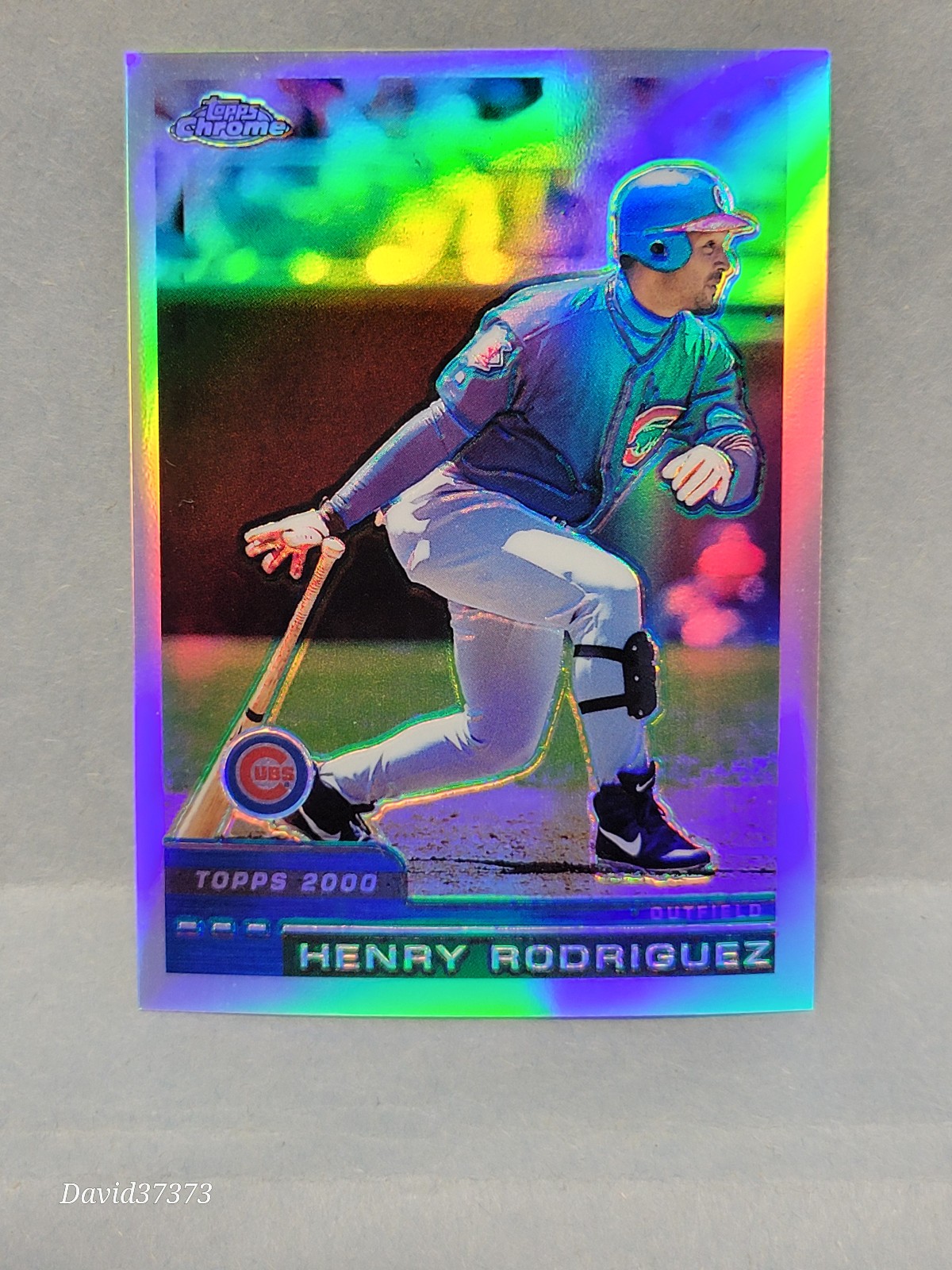
The 2000 Topps Chrome series represents a pivotal moment in sports card history, bridging the gap between the late-90s experimental sets and the modern high-end market. Known for its distinct chromium finish and the inclusion of legendary rookie cards like Miguel Cabrera and Tom Brady, it remains a "holy grail" set for collectors and investors in 2026.
Understanding the Allure of 2000 Topps Chrome
By the year 2000, Topps had firmly established the "Chrome" brand as the premium, high-tech alternative to its flagship paper set. While the base Topps sets offered nostalgia and volume, Topps Chrome provided a sleek, metallic aesthetic that resisted the wear and tear common to paper cards. For collectors in 2026, the 2000 release is viewed as the definitive end of the "early" Chrome era, characterized by its classic design and the specific chemical composition of its coating.
The 2000 Topps Chrome release was split across different sports, with Baseball and Football being the most significant. The baseball set consisted of 478 cards, mimicking the standard Topps checklist but adding the metallic luster that fans had come to crave. The football set was equally impactful, though it was the "Traded and Rookies" expansion that ultimately defined the year’s legacy. The primary appeal of this year lies in the Refractor parallels—cards that utilize a light-refracting coating to produce a rainbow effect—which have become some of the most liquid assets in the hobby.
2000 Topps Chrome Baseball: The Miguel Cabrera Legacy
The 2000 Topps Chrome Baseball set is most famous for featuring the rookie card of future Hall of Famer Miguel Cabrera. Card #136, depicting a young Cabrera in his Florida Marlins uniform, is the centerpiece of the set. In 2026, this card serves as a benchmark for the value of early 21st-century baseball collectibles.
Beyond Cabrera, the set features a robust checklist of superstars and Hall of Famers including Ken Griffey Jr., Derek Jeter, and Cal Ripken Jr. However, the "Traded" series, which was released later in the year, added another layer of complexity and value. The 2000 Topps Chrome Traded set featured 135 cards and included the rookie card of Adrian Gonzalez (#T1). Because the Traded sets were typically produced in lower quantities than the flagship Chrome release, finding high-grade specimens of these specific cards is a constant challenge for modern collectors.
The design of the 2000 set was relatively minimalist compared to the flashy designs of the late 90s. It featured a clean photo, a simple team logo, and the iconic "Topps Chrome" logo in the corner. This "less is more" approach has allowed the cards to age gracefully, maintaining a professional and timeless look that appeals to both older hobbyists and new investors.
2000 Topps Chrome Football and the Tom Brady Factor
While baseball has its icons, the 2000 Topps Chrome Football set is arguably more significant due to one specific individual: Tom Brady. Although Brady’s primary rookie cards are found in the 2000 Topps base set and the 2000 Topps Chrome Traded set, the entire year's production is intrinsically linked to his ascent.
The 2000 Topps Chrome Football set (Card #T12 in the Traded set) is widely considered one of the most important football cards ever produced. In the 2026 market, a PSA 10 (Gem Mint) version of the Brady Chrome Traded rookie is a centerpiece of high-end auctions, often fetching prices comparable to luxury real estate. The regular 2000 Topps Chrome Football set also features other notable rookies like Brian Urlacher and Shaun Alexander, but Brady’s presence in the Traded expansion single-handedly carries the investment profile of the 2000 production year.
Collectors often distinguish between the standard Chrome set and the "Traded" set. The standard set was available in packs early in the season, while the Traded set was often sold as a complete boxed set. The "Chrome" versions of the Traded cards were randomly inserted into these boxes, making the chase for a Chrome Brady significantly more difficult than finding his standard paper rookie.
Key Parallels and Rarity Tiers
The 2000 Topps Chrome series utilized a tiered rarity system that served as the blueprint for modern "parallels." Understanding these tiers is essential for any collector looking to verify the authenticity and value of their finds.
- Base Chrome: The standard metallic card. While common, high-grade versions (PSA 9 or 10) of stars still command a premium.
- Refractors: These were found approximately 1 in every 12 packs for baseball. They feature the same design as the base card but with a rainbow-like shine when held to the light.
- Black Refractors: Introduced in specific formats, these feature a dark border and a much lower print run.
- Gold Refractors: These are the rarest of the 2000 era parallels. Often numbered to very low quantities (such as /100 or /50), they represent the pinnacle of the set’s scarcity.
Comparison of Key 2000 Topps Chrome Rookie Cards
| Player | Sport | Card Number | Key Variation | 2026 Scarcity Note |
|---|---|---|---|---|
| Miguel Cabrera | Baseball | #136 | Refractor | Highly susceptible to "greening" |
| Tom Brady | Football | #T12 (Traded) | Refractor | One of the most forged cards in the hobby |
| Adrian Gonzalez | Baseball | #T1 (Traded) | Base Chrome | High demand for "First Overall Pick" collectors |
| Brian Urlacher | Football | #154 | Refractor | Defensive icon with strong regional demand |
| Johan Santana | Baseball | #431 | Refractor | Value tied to Hall of Fame trajectory |
Technical Specifications and Grading Challenges
Collecting 2000 Topps Chrome in 2026 requires an understanding of the technical issues unique to this era of production. Chromium cards from the early 2000s are notorious for two specific problems: centering and greening.
The "Greening" Phenomenon
Greening refers to a chemical reaction between the ink and the metallic coating of the card, which causes the surface to develop a sickly green or yellowish tint over time. This is particularly prevalent in the 2000 Baseball set. In 2026, cards that have maintained their original silver/white luster are significantly more valuable than those that have "greened." Professional grading companies like PSA and SGC take this into account, often downgrading cards with severe discoloration even if the corners and edges are perfect.
Centering and Surface Scratches
Because the chromium stock is sturdier than paper, the corners and edges of 2000 Topps Chrome cards tend to hold up well. However, the high-gloss surface is a magnet for "refractor lines" and hairline scratches. These imperfections are often invisible to the naked eye but become apparent under a jeweler’s loupe or a high-resolution scanner. Furthermore, centering was notoriously inconsistent in 2000. Many cards were printed with a 60/40 or 70/30 ratio, making a perfectly centered 50/50 card a true rarity.
Market Value and Investment Potential in 2026
As of 2026, 2000 Topps Chrome has transitioned from "modern" to "vintage-adjacent." It occupies a sweet spot in the market: it is old enough to have historical significance but modern enough to feature players that current investors watched during their prime.
The investment potential of this set is heavily weighted toward the elite rookies. For a long-term hold, Refractors are generally considered superior to base cards. While a base Miguel Cabrera rookie is a solid asset, a Cabrera Refractor in a high grade acts more like a blue-chip stock. The market for these cards has shown resilience because Topps Chrome is a "flagship" brand; it does not suffer from the volatility of short-lived or experimental brands that lacked staying power.
Investors should also look at "second-tier" stars. While Brady and Cabrera dominate the headlines, Refractors of Hall of Famers like Rickey Henderson or Tony Gwynn from the 2000 set are increasingly sought after by set builders and player-completest collectors.
Frequently Asked Questions
How can I tell the difference between a 2000 Topps Chrome base card and a Refractor?
A standard 2000 Topps Chrome card has a metallic, silver-like finish but does not change colors when tilted. A Refractor has a special coating that produces a rainbow spectrum (the "oil slick" effect) when exposed to light. On the back of the card, near the card number, the word "Refractor" is usually printed to confirm its status, though in some early sets, this text can be faint or missing.
Why is the 2000 Topps Chrome Traded Tom Brady so much more expensive than other cards?
The 2000 Topps Chrome Traded Tom Brady #T12 is the "perfect storm" of a card. It features the greatest quarterback of all time, it is from a premium set, and it was produced in significantly lower quantities than the standard Topps football release. Furthermore, as a "Traded" insert, it wasn't available in standard packs, making the surviving population of high-grade copies very low.
Does "greening" affect the grade of a 2000 Topps Chrome card?
Yes, "greening" is considered a surface defect by major grading companies like PSA, BGS, and SGC. While a card might have sharp corners and perfect centering, significant greening will typically prevent it from achieving a "Gem Mint 10" grade. In 2026, collectors prioritize "bright" copies that have avoided this oxidation process.
Is it worth buying unopened 2000 Topps Chrome wax boxes?
Buying unopened boxes is a high-risk, high-reward strategy. While the "chase" for a Cabrera or a Refractor is exciting, the cost of a sealed 2000 Topps Chrome box in 2026 is extremely high. Additionally, there is a risk of "bricking," where the chromium coating causes the cards to stick together over time, potentially damaging them when the pack is opened.
What is the difference between Topps Chrome and Topps Finest from the year 2000?
Topps Chrome is a metallic version of the standard flagship Topps set. Topps Finest is a separate, standalone product that usually features more intricate designs, protective film on the cards (which should generally be left on for grading), and a different checklist. Topps Chrome is generally more popular with "purest" collectors because it mirrors the base set design.
Strategies for Verification and Acquisition
When acquiring 2000 Topps Chrome cards in 2026, the primary rule is to buy the holder, not just the card. Due to the high value of key rookies and the prevalence of sophisticated counterfeits—especially for the Tom Brady Traded rookie—purchasing cards already authenticated and graded by reputable firms (PSA, SGC, or Beckett) is strongly recommended.
For those looking to build the set raw, pay close attention to surface integrity. Use a microfiber cloth to gently remove fingerprints, but never attempt to "clean" a card with chemicals, as this can accelerate the greening process or damage the chromium finish. If you are targeting Refractors, always request a video of the card being tilted in the light to verify the rainbow effect and to check for hidden surface scratches that static photos might conceal.
Ultimately, the 2000 Topps Chrome set remains a landmark of the hobby. Whether you are chasing the legendary rookies or simply appreciate the aesthetic of the early chromium era, these cards offer a unique combination of historical importance and visual appeal that continues to stand the test of time.