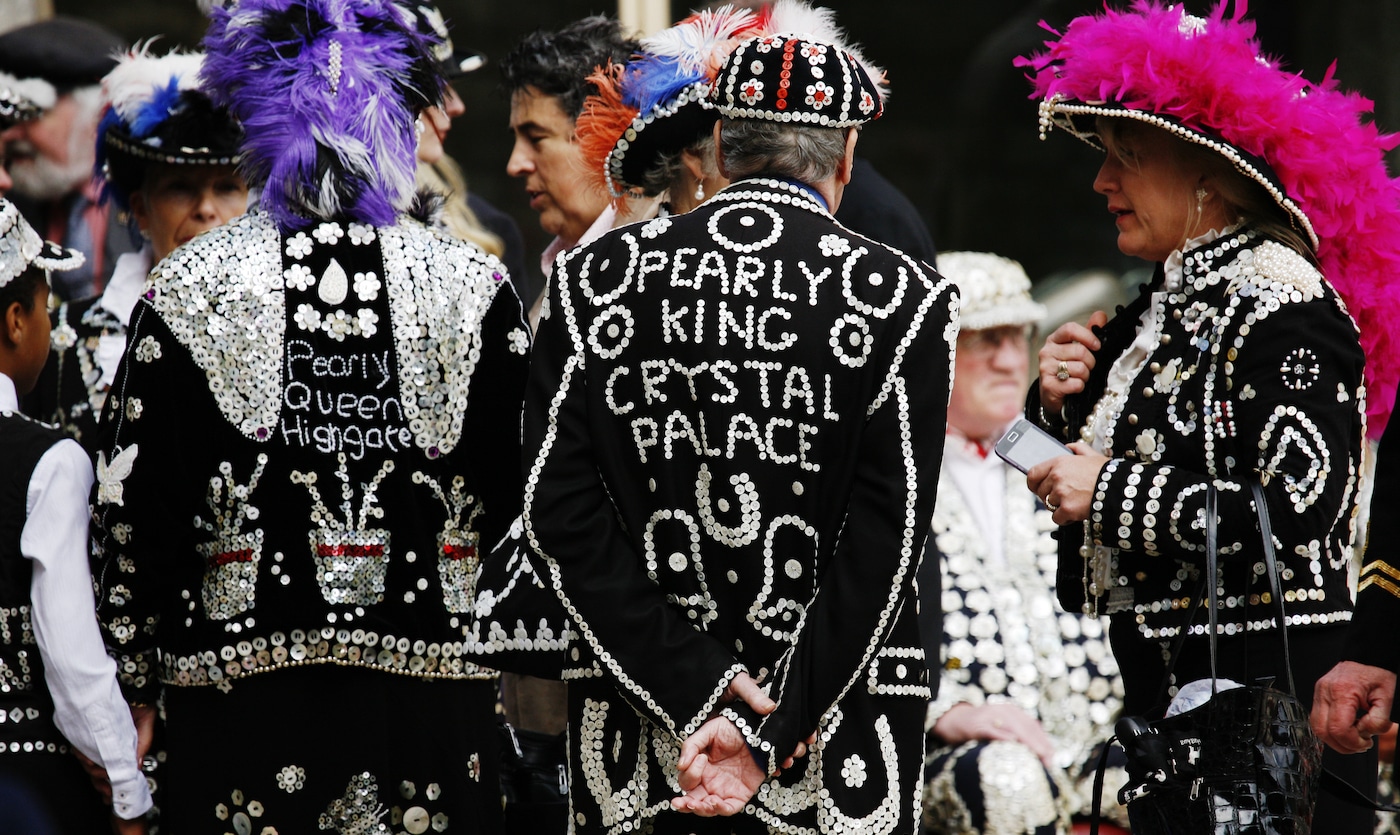
The 2000 Royals: Kings and Queens of the New Era is a prestigious commemorative numismatic and historical collection issued at the turn of the millennium to celebrate the transition of global monarchies into the 21st century. This series, highly sought after by collectors in 2026, documents the lineage, regalia, and cultural impact of sovereign leaders as they entered the "New Era" of the third millennium.
The Historical Context of the Millennium Coronation Series
The transition from 1999 to 2000 was more than a mere calendar change; it was a global phenomenon that prompted institutions, mints, and historians to capture the essence of the age. The "2000 Royals" series was conceived as a way to bridge the gap between the traditional foundations of monarchy and the rapidly evolving geopolitical landscape of the new century. When these pieces were first struck, the world was focused on the stability offered by long-standing institutions amidst the uncertainty of the technological revolution.
In the year 2000, many of the world’s most prominent monarchs had already seen decades of service. Queen Elizabeth II of the United Kingdom, King Juan Carlos I of Spain, and Emperor Akihito of Japan were the anchors of this collection. The "New Era" designation specifically referred to the hope that these ancient lineages would find a harmonious place within a modernized, globalized society. By 2026, looking back across a quarter-century, these items have transitioned from contemporary commemoratives to significant historical artifacts that represent a pre-digital-dominance world.
The issuance of these sets was often accompanied by grand ceremonies or "ceremonial crownings" of the collection itself, where the first strikes were presented to various royal households. This created a secondary layer of provenance that has significantly bolstered the value of the sets in the intervening twenty-six years. Collectors today view the year 2000 as a "sweet spot" in minting history—a time when traditional craftsmanship met the first wave of advanced computer-aided design in die-making.
Technical Specifications and Minting Excellence
The physical integrity of the "2000 Royals" collection is a testament to the high standards of the mints involved in their production. Most iterations of this series were produced using high-relief striking techniques, which allowed for intricate detail in the portraits of the kings and queens. In 2026, the preservation of these details is the primary metric for grading and valuation.
Material Composition
The series was typically divided into three tiers: The Sovereign Gold Tier, the Sterling Silver Tier, and the Millennium Platinum Tier. The gold versions were struck in 22-carat or 24-carat (.999) gold, often featuring a "Proof" finish that gives the fields a mirror-like appearance while the portrait remains frosted. The silver editions were largely produced in .925 sterling or .999 fine silver, frequently including selective gold plating (gilding) on the crowns or scepters to highlight the "Royal" theme.
Strike Quality and Packaging
Each piece in the "New Era" collection was struck multiple times under immense pressure to ensure that every fine line—from the textures of the ermine robes to the individual jewels in the coronets—was captured. The packaging was equally extravagant, often utilizing lacquered mahogany or velvet-lined cases that included a serialized Certificate of Authenticity (COA). In the current market, the presence of the original, undamaged packaging can increase the asset's value by up to 25%.
Rarity and the "New Era" Designation
The term "New Era" was not merely a marketing slogan; it signified a specific limit on the mintage numbers to ensure long-term scarcity. Most "2000 Royals" sets were limited to a production run of exactly 2,000 units per monarch or per region, a direct nod to the year of the millennium. This artificial scarcity has been the driving force behind the series' appreciation.
As we move through 2026, the number of "pristine" sets available on the open market has dwindled. Many have been absorbed into permanent museum collections or held in private estates that rarely see the light of day. The "New Era" designation also applies to the specific artistic style used: a blend of classical portraiture and minimalist, modern typography that was meant to signify a forward-looking perspective.
The rarity is further compounded by the "Lost Sets" phenomenon. In the early 2000s, before the digital tracking of high-value collectibles was standardized, a significant portion of the silver mintage was lost to improper storage, leading to irreversible toning or environmental damage. Consequently, a "Grade 70" (perfect condition) specimen from this era is considered a "Holy Grail" for numismatists specializing in royal history.
Market Performance: 2000 vs. 2026 Valuation
Understanding the financial trajectory of the "2000 Royals" requires looking at the broader precious metals market and the specific niche of royal memorabilia. When released, these sets were priced at a significant premium over their metal spot value, reflecting their artistic and commemorative status.
By 2026, the value has decoupled from the raw price of gold or silver. While the underlying metal provides a "floor" for the price, the "numismatic premium" is what drives the current auctions. For instance, a gold set that may have been purchased for approximately $1,200 in the year 2000 could easily fetch upwards of $8,500 in 2026, provided it carries a high grade from a recognized authority like the NGC (Numismatic Guaranty Company) or PCGS (Professional Coin Grading Service).
The demand is particularly high in emerging markets where new wealth is seeking "legacy" assets—items that have a story, a connection to history, and a physical presence. The "Kings and Queens" theme resonates across cultures, making these sets a truly international asset class. Investors in 2026 often use these pieces as a hedge against digital currency volatility, favoring the tangible nature of a millennium-strike gold coin.
Identifying and Verifying Key Pieces in the Series
For a collector or investor entering the market in 2026, verification is the most critical step. The "2000 Royals" series has, unfortunately, been a target for high-quality counterfeits. Authenticating these pieces involves a multi-step process that looks at both the physical characteristics of the coin and the documentation accompanying it.
- Weight and Dimensions: Every "2000 Royals" piece has a specific weight recorded to the thousandth of a gram. Using a high-precision digital scale is the first line of defense. Any deviation, even a fraction of a gram, suggests a base-metal core.
- Edge Lettering and Milling: The "New Era" coins often featured unique edge lettering—sometimes a quote from the monarch or the date of their coronation. Counterfeits often struggle to replicate the crispness of this edge work.
- Micro-Printing: Some of the later strikes in the series utilized early forms of micro-printing on the reverse side as a security feature. Under a jeweler’s loupe, this should appear as clear, legible text, not a blurred line.
- COA Verification: In 2026, many original issuers have digitized their records. You can often verify a COA number by contacting the original mint's archival department or checking their online registry.
Comparison of "2000 Royals" Tiers and Specifications
The following table outlines the standard specifications for the primary tiers of the collection as they are traded in the 2026 market.
| Tier Name | Metal Content | Weight (Troy Oz) | Typical Mintage | 2026 Estimated Value (USD) |
|---|---|---|---|---|
| Millennium Platinum | .999 Platinum | 1.0 | 500 | $12,000 - $15,000 |
| Sovereign Gold | 22K or 24K Gold | 1.0 / 0.5 | 2,000 | $7,500 - $9,500 |
| Sterling Silver | .925 Silver | 1.0 | 5,000 | $450 - $900 |
| Gilded Commemorative | Silver/Gold Plate | 1.0 | 10,000 | $150 - $300 |
Note: Values are estimates based on Grade 69/70 specimens and current 2026 market trends. Individual prices may vary based on the specific monarch depicted.
Authentication and Preservation Standards
To maintain the value of a "2000 Royals" set in 2026, preservation is non-negotiable. The transition of these items through the last quarter-century has shown that environmental factors are the greatest threat to their integrity.
Atmospheric Control: The silver sets are particularly prone to "milk spots" and oxidation. Serious collectors use inert gas-filled capsules or vacuum-sealed containers. In 2026, many high-end collectors utilize "Smart Safes" that monitor humidity levels and alert the owner via a mobile app if levels exceed 35%.
Handling Protocols: One should never touch the surface of a "New Era" royal coin with bare hands. The oils in human skin are acidic and will leave permanent fingerprints that "eat" into the finish over time. If a piece must be moved, lint-free cotton gloves or specialized plastic tongs should be used.
Documentation: The "paper trail" is part of the asset. In 2026, having a digital twin of your COA—perhaps stored as a secure digital record or on a blockchain-based registry—is becoming the standard. This ensures that even if the physical paper is damaged, the provenance remains intact.
Common Pitfalls for New 2026 Collectors
The market for "2000 Royals" is lucrative, but it is not without risks. One of the most common mistakes is purchasing "unsearched" or "raw" sets from unverified online auctions. In 2026, the prevalence of "re-sealed" cases is high. Sellers may place a lower-grade or even a replica coin into an original mahogany case.
Another pitfall is ignoring the "Monarch Premium." Not all kings and queens in the 2000 series are valued equally. Figures with significant global impact or those whose reigns ended shortly after the millennium often command a higher price due to the "closing of an era" sentiment. For example, the Queen Elizabeth II "Millennium Coronation" piece consistently outperforms other monarchs in the same set due to her record-breaking reign and global recognizable status.
Finally, do not underestimate the importance of the "New Era" branding. Some mints released similar-looking coins in 2001 or 2002, but these lack the specific "2000" millésime that gives the original series its historical weight. Always check the date on the obverse or reverse to ensure it is the true Y2K-era strike.
FAQ
What is the "2000 Royals" collection?
It is a series of commemorative coins and medals issued in the year 2000 to honor the world's monarchies at the start of the third millennium. It is characterized by high-relief portraits and limited mintage numbers, typically restricted to 2,000 pieces per major release.
Why is it called the "New Era" collection?
The title reflects the historical perspective of the year 2000 as the beginning of a "New Era" for humanity. It was meant to symbolize the continuity of royal traditions within a modernizing world and distinguishes this specific series from previous 20th-century royal commemoratives.
How much is a gold "2000 Royals" coin worth in 2026?
Depending on the monarch and the grade, a gold piece (typically 1 oz) is currently valued between $7,500 and $9,500. Perfect Grade 70 specimens or those with significant provenance (e.g., from a royal estate) can exceed $15,000 at specialized auctions.
Can I still buy these directly from a national mint?
No. All official mintages for the "2000 Royals" series were sold out within years of their release. In 2026, these are only available through the secondary market, including high-end numismatic auction houses, estate sales, and specialized private dealers.
How do I verify if my set is an original strike?
Verification involves checking the weight against official mint specs, inspecting the edge lettering for crispness, and validating the Certificate of Authenticity. In 2026, it is highly recommended to only purchase sets that have been "slabbed" and graded by independent authorities like PCGS or NGC.
Recommendations for Acquisition and Management
If you are looking to acquire or manage a "2000 Royals" collection in 2026, your first action should be to secure a professional appraisal. Given the 26-year age of these items, a physical inspection is necessary to check for "hidden" degradation like PVC damage from old plastic holders or micro-toning.
For those looking to sell, the 2026 market favors "complete" sets. While individual coins are valuable, the "Kings and Queens of the New Era" full collection (featuring all monarchs released in the series) attracts a much higher premium from institutional investors and museums. Ensure you have all original ephemera, including the velvet cases, ribbons, and booklets, as these are increasingly rare.
If you are a long-term holder, consider transitioning your physical authentication to a digital registry. This facilitates easier insurance updates and makes the asset more "liquid" should you decide to trade it in the burgeoning digital-physical hybrid markets. The "2000 Royals" remain a cornerstone of modern numismatics, representing a unique moment where the ancient past met the uncertain future of the new millennium.