The year 2000 represents a pivotal "Millennium" bridge in the world of high-end collectibles, marking the transition from traditional hobbyist markets to the sophisticated, investor-driven landscape of 2026. This guide provides the technical framework for identifying, authenticating, and valuing rare signatures and signed items specifically originating from or associated with the events of the year 2000.
Success in the millennium-era autograph market requires a dual focus on historical provenance and modern forensic verification. Whether you are assessing a Tom Brady rookie-year signature or a rare literary inscription from the turn of the century, you must evaluate the specific ink chemistry, substrate stability, and third-party grading standards that define this 26-year-old asset class.
The Significance of the Millennium Era in Collectibles
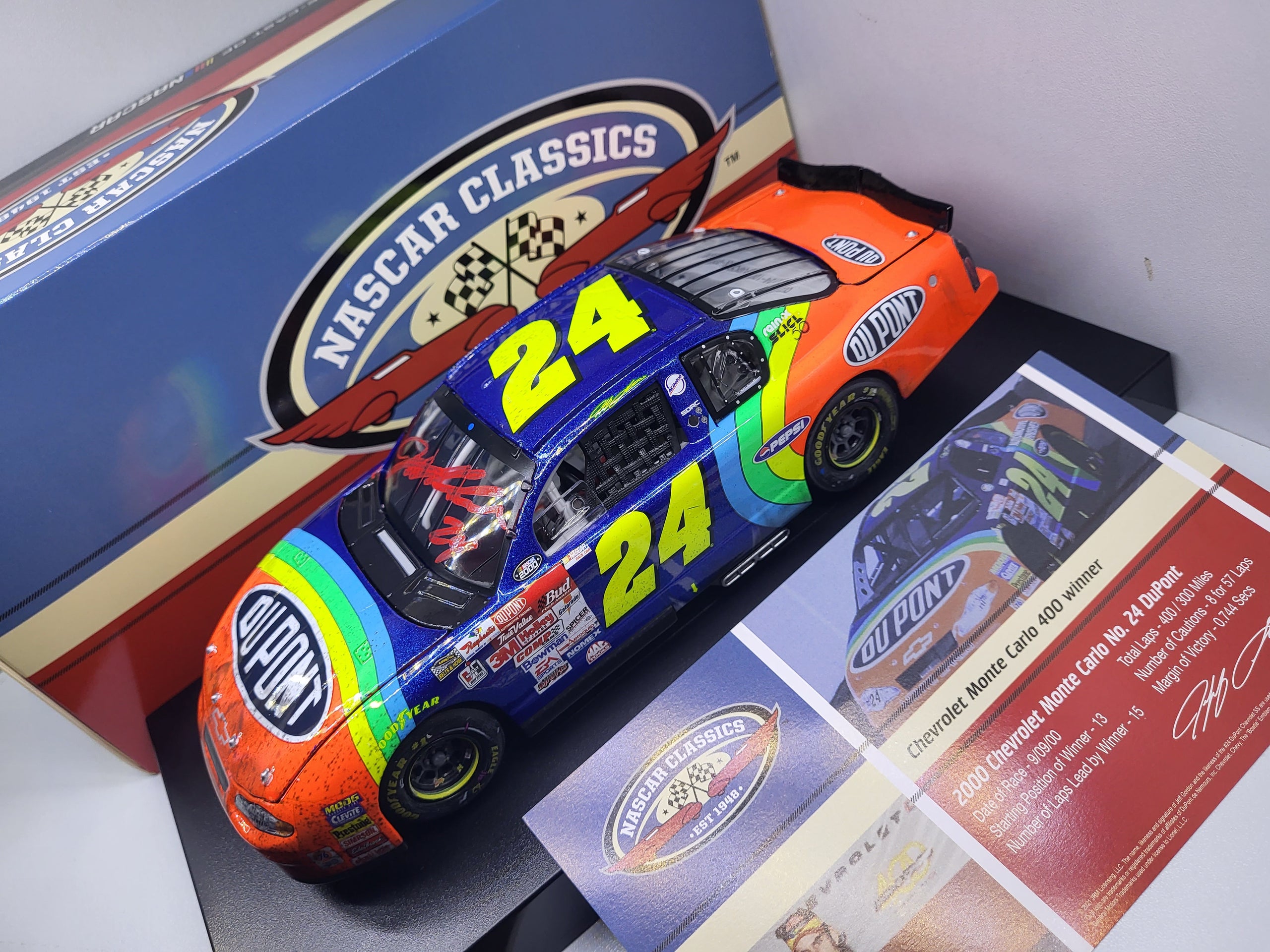
The year 2000 was more than a calendar change; it was a period of massive cultural and athletic shifts that created "grail" items for modern collectors. In sports, it marked the professional debut of icons whose signatures now command six and seven-figure sums. In entertainment, it saw the peak of the physical media era just before the digital transition, leaving behind a wealth of signed promotional materials that are now considered vintage.
From a technical perspective, autographs from 2000 occupy a unique space. They are old enough to suffer from significant environmental degradation—such as ink "bleeding" or UV fading—yet new enough to have been subject to early-stage professional authentication standards. As of 2026, the market differentiates sharply between "raw" signatures and those with established 21st-century provenance. Investors prioritize items signed in permanent markers like the Sharpie, which became the industry standard during this time, replacing the ballpoint and fountain pens more common in the mid-20th century.
High-Value Targets: Sports and Entertainment Icons of 2000
Identifying the most sought-after signatures from 2000 requires understanding who was at their zenith or just beginning their journey during the millennium year.
The Tom Brady Rookie Phenomenon
As of 2026, the holy grail of millennium sports autographs remains the year 2000 Tom Brady signature. Because Brady was a sixth-round draft pick (199th overall), he was not a high-priority signer for major card companies during his rookie season. Authenticated signatures from his 2000 Playoff Contenders rookie cards or early New England Patriots memorabilia are among the most forged items in the industry. Collectors must look for the "early career" autograph style, which is often more legible and deliberate than the shorthand "TB12" signatures found in the later stages of his career.
Tiger Woods and the "Tiger Slam"
The year 2000 was the year of the "Tiger Slam," where Woods dominated professional golf in a manner never seen before. Autographs on 2000 U.S. Open or Open Championship flags are premier assets. Technical verification for Woods signatures from 2000 often involves checking for the Upper Deck Authenticated (UDA) hologram, which was the gold standard for his items at the time.
Literary and Pop Culture Rarities
The year 2000 saw the release of Harry Potter and the Goblet of Fire. J.K. Rowling’s signatures from the massive promotional events of that year are highly prized. Similarly, signatures from the cast of Gladiator (Best Picture winner of 2000) or icons of the tech boom, such as Steve Jobs or Bill Gates during the height of Microsoft’s antitrust trials, represent high-growth historical niches.
Technical Verification and Authentication Standards
By 2026, the technology used to verify autographs from the year 2000 has evolved to include AI-assisted handwriting analysis and multi-spectral imaging. However, the fundamentals of authentication remain the primary defense against sophisticated forgeries.
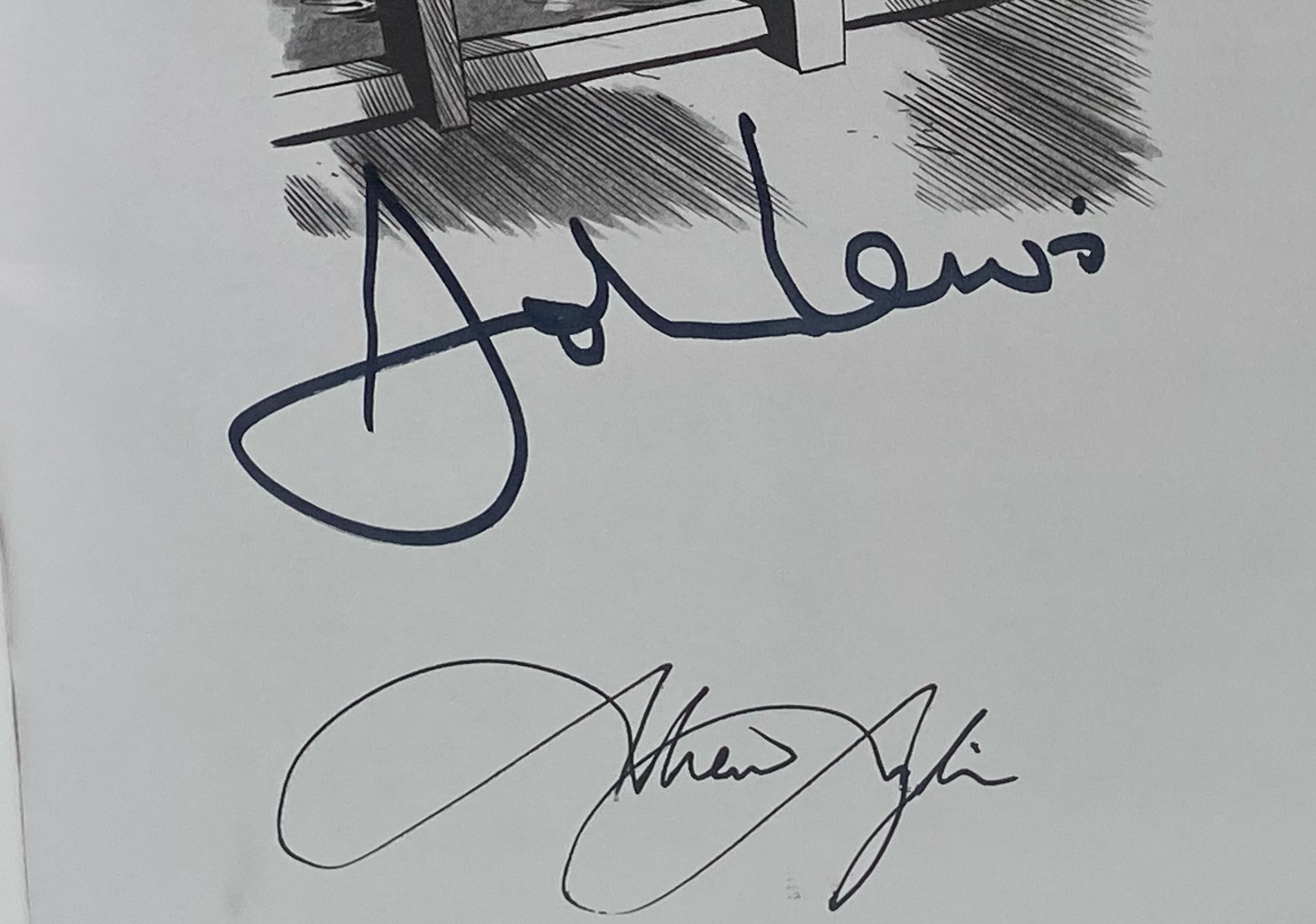
- Ink Flow and Pressure: Authentic 2000-era signatures typically show natural "shading"—variations in the thickness and darkness of the ink caused by the movement of the hand. Forgeries, particularly those created by "autopen" machines or high-end printers, often show a robotic consistency in ink depth and a lack of "start and stop" hesitation marks.
- Substrate Analysis: The paper or cardstock used in 2000 has specific chemical properties. Trading cards from 2000 often used high-gloss UV coatings. If a signature sits "on top" of the gloss without any slight indentation or interaction with the surface chemistry, it may be a modern reproduction.
- Third-Party Grading (TPG): In the 2026 market, a signature from 2000 is rarely traded at full value without a Certificate of Authenticity (COA) or a "slabbed" grade from a recognized authority.
- PSA/DNA: The industry leader for sports and historical signatures.
- James Spence Authentication (JSA): Highly regarded for entertainment and vintage sports items.
- Beckett Authentication Services (BAS): Known for their detailed grading of both the signature and the item itself.
Professional Sports Authenticator (PSA) remains a primary resource for verifying the certification numbers of millennium-era items.
Comparative Value of 2000 Autographed Collectibles
The following table outlines the estimated market performance and rarity of key signed items from the year 2000 as of the 2026 trading year.
| Item Description | Primary Signer | Rarity Tier | 2026 Market Status |
|---|---|---|---|
| 2000 Playoff Contenders Rookie Card | Tom Brady | Ultra-Rare | Blue-chip Investment |
| 2000 U.S. Open Signed Flag | Tiger Woods | Rare | High Demand |
| "Goblet of Fire" First Edition (Signed) | J.K. Rowling | Scarce | Steady Appreciation |
| 2000 Lakers Championship Floor Piece | Kobe Bryant | Rare | Heritage Asset |
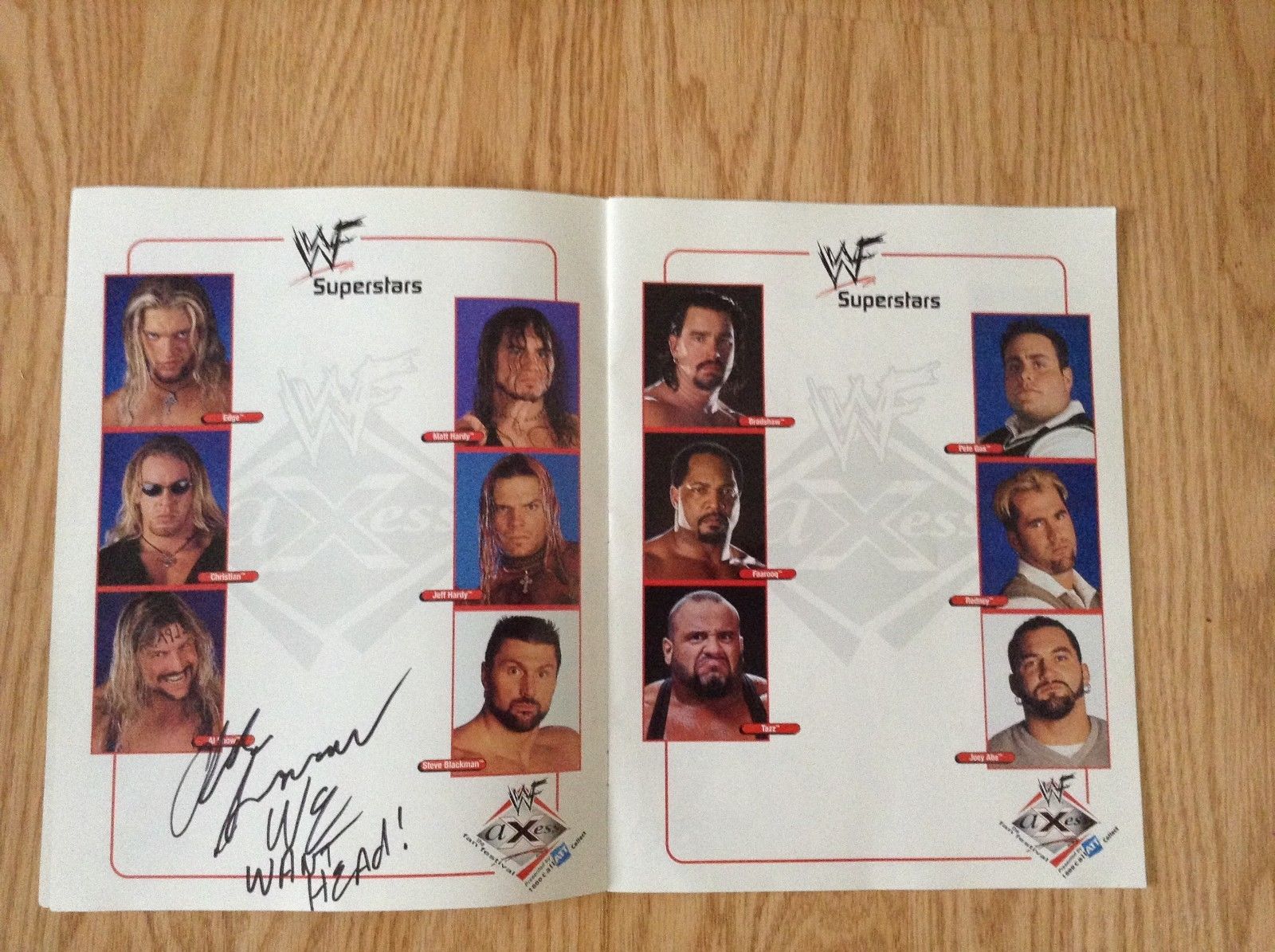
| Millennium Gala Program | Various Icons | Unique | Niche Historical |
| 2000 World Series Signed Baseball | NY Yankees Team | Moderate | High Liquidity |
Preservation and Environmental Risks for 20-Year-Old Ink
As we reach 2026, items signed in 2000 are entering a critical phase of physical aging. The materials used in the early 2000s were not always "archival grade," making preservation a priority for maintaining value.
UV Protection
The most significant threat to a 2000 autograph is light-induced fading. Signatures made with felt-tip markers (Sharpies) are susceptible to "ghosting," where the ink dyes break down and migrate through the paper. All millennium collectibles should be housed in Museum-grade acrylic or glass that filters out 99% of UV rays.
Temperature and Humidity
Fluctuations in humidity can cause the high-gloss coatings of 2000-era trading cards to "stick" to plastic sleeves or "slabs," a process known as "silvering" or "bricking." Maintaining a consistent climate of 68-72 degrees Fahrenheit and 40-50% humidity is the 2026 standard for high-value autograph storage.
Acid-Free Housing
Early 2000s storage solutions often contained PVC, which can leach acids and damage signatures over decades. Ensure all holders are marked "PVC-Free" and "Acid-Free." If an item is still in its original 2000-era packaging, consider professional extraction and re-slabbing to prevent long-term chemical damage.
Avoiding Common Pitfalls in the 2000 Collectibles Market
The millennium era was the dawn of the eBay age, which unfortunately led to a flood of "basement forgeries" that are still circulating in 2026. One common mistake is relying on "personal COAs" from defunct dealers or unknown shops from the early 2000s. These documents carry zero weight in the modern professional market.
Another pitfall is the "Pre-Printed" signature. In 2000, many sports card manufacturers and souvenir producers included "facsimile" signatures that were printed directly onto the item. To the untrained eye, these can look real, but under a jeweler’s loupe (10x magnification), a pre-printed signature will appear as a series of tiny dots (halftone patterns) rather than a solid, fluid stroke of ink.
Furthermore, be wary of "Ghost-signed" items. In the year 2000, many celebrities used assistants or "secretaries" to sign fan mail. Authentic signatures from 2000 often have specific "tells"—such as the way J.K. Rowling loops her 'R' or the specific slant of Tiger Woods’ 'W'—that secretary signatures fail to replicate accurately.
FAQ
How can I tell if a Tom Brady 2000 signature is a rookie-era original?
A rookie-era Brady signature is typically more "compressed" and legible than his later career autographs. In 2000, he often signed with a full "Tom Brady" rather than the stylized "T. Brady" or "TB12" seen after 2010. Verification through a specialized service like Beckett Authentication is essential for this specific year.
Are signatures from the year 2000 considered "vintage" yet?
In the 2026 market, autographs from 2000 are classified as "Modern Vintage." While they don't have the age of 1950s items, they have passed the 25-year threshold, making them eligible for "Heritage" status in many auction houses.
Does the color of the ink matter for 2000-era autographs?
Yes. Blue Sharpie is generally preferred over black for items from 2000. Black ink from that era is more prone to "bronzing"—turning a brownish-yellow hue over time—whereas blue ink has shown better chemical stability on the glossy surfaces common at the turn of the millennium.
What is the most common forgery technique for 2000 collectibles?
The "Autopen" remains the most common threat for historical and political signatures from 2000. These machines use a mechanical arm to hold a real pen, mimicking a signature. You can identify them by looking for "heavy dots" at the beginning and end of the signature, where the machine dropped and lifted the pen.
Is a "Millennium" edition signed item more valuable than a standard 2000 signature?
Generally, yes. Items specifically branded for the "Y2K" or "Millennium" celebrations often had limited production runs, providing an extra layer of scarcity that collectors in 2026 find highly desirable.
Strategic Recommendations for Collectors
To build a robust portfolio of rare 2000-era signed collectibles, prioritize provenance over price. A bargain signature without a verifiable history is often a liability rather than an asset. Focus on acquiring items that have already been vetted by "The Big Three" (PSA, JSA, or Beckett) and look for signatures on "era-appropriate" items, such as original 2000 game-day programs, first-edition books, or rookie-year trading cards.
As we move further into the 2020s, the supply of high-grade, unfaded millennium signatures is diminishing. By focusing on preservation and technical verification today, you ensure that these rare pieces of history remain viable investments through 2030 and beyond. Always consult a professional appraiser for high-value transactions to ensure compliance with current tax and insurance requirements for alternative assets.