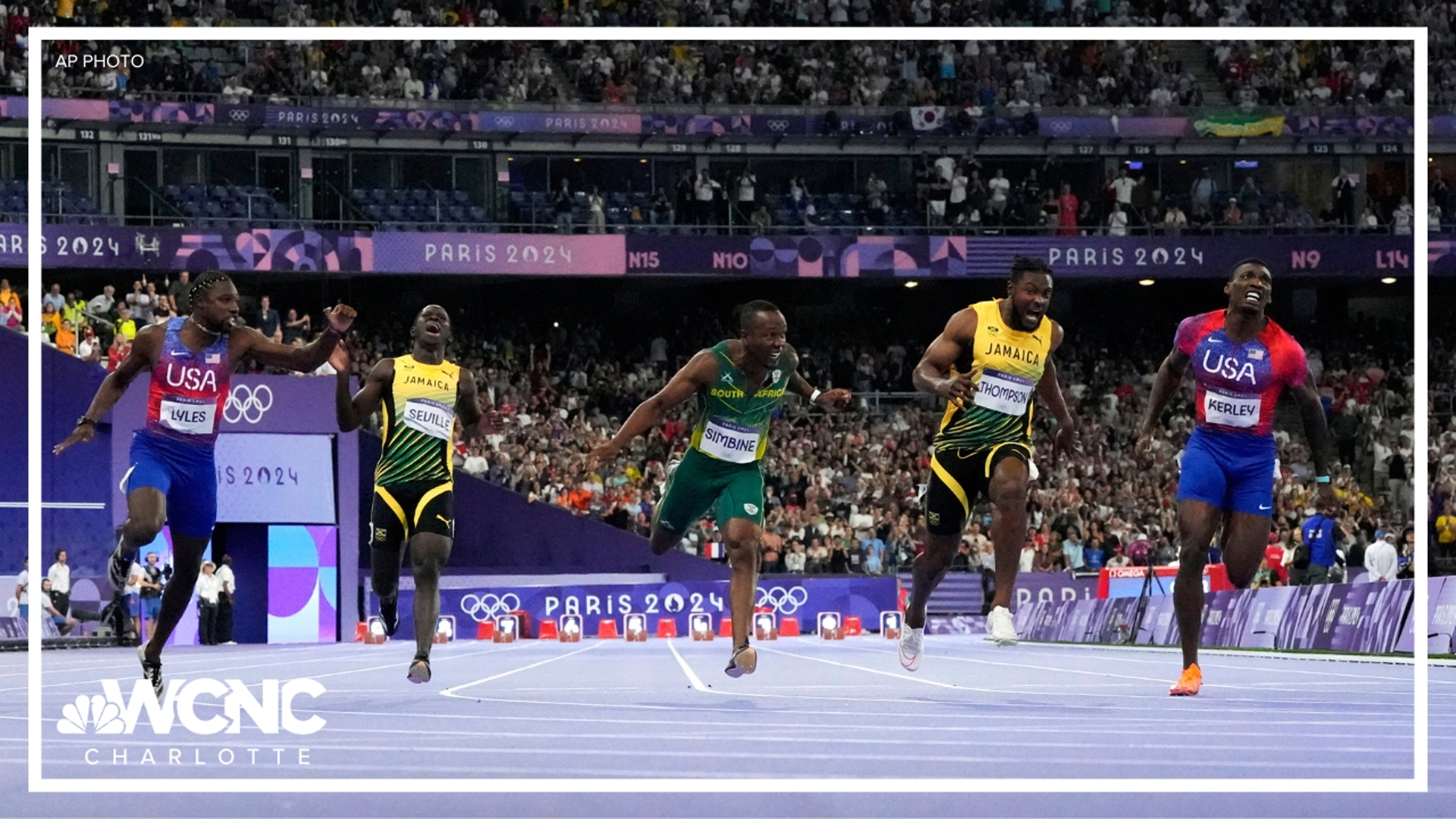
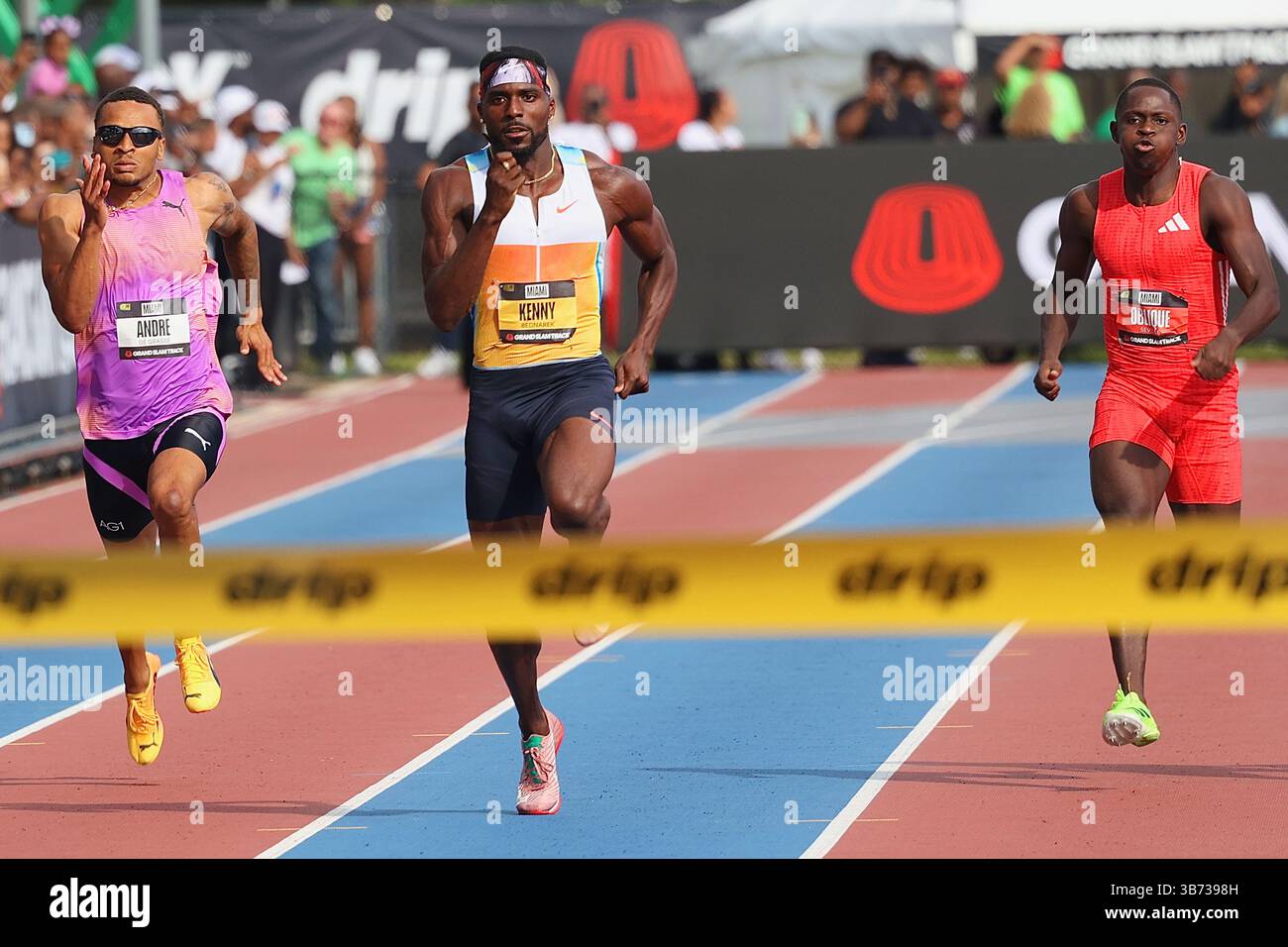
The 200 meters is a premier sprint discipline in track and field that tests an athlete's ability to maintain maximum velocity while navigating a curve. Often called the "long sprint," it requires a sophisticated blend of explosive power for the start and exceptional speed endurance to finish the final 100-meter straightaway.
While the term "200 meters" can refer to physical distance or maritime depth, its most dominant global context is the 200-meter dash. In professional athletics, this event is defined by its unique staggered start and the technical challenge of "curve running," where athletes must fight centrifugal forces before transitioning into a linear sprint. As of 2026, the event remains a cornerstone of the Olympic Games and World Athletics Championships, serving as the ultimate middle ground between the pure explosion of the 100-meter dash and the tactical endurance of the 400 meters.
The Evolution of the 200-Meter Sprint
The 200-meter race has deep historical roots, tracing back to the ancient Greek "stade," which was approximately 192 meters long. However, the modern iteration of the event began to take shape in the late 19th century. Initially, the race was often run on straight tracks, but the standardization of the 400-meter oval track necessitated the inclusion of a curve. This changed the fundamental nature of the race, adding a layer of technical complexity that the 100-meter sprint lacks.
In the early 20th century, the 200 meters was dominated by athletes who relied purely on raw speed. However, as sports science progressed, it became evident that the race was won or lost in the "transition zone"—the moment an athlete exits the curve and enters the final 100-meter straight. The introduction of synthetic tracks in the 1960s and the refinement of starting blocks allowed for faster times, eventually leading to the legendary performances of the late 20th and early 21st centuries.
By 2026, the 200 meters has evolved into a highly specialized discipline. Modern sprinters are no longer just "fast runners"; they are precision athletes who study biomechanics to shave hundredths of a second off their times. The race is now viewed as two distinct phases: the acceleration and curve-loading phase (0–100m) and the speed maintenance and deceleration-mitigation phase (100–200m).
Technical Specifications and Track Layout
To understand the 200 meters, one must understand the geometry of the track. A standard outdoor running track is 400 meters in circumference. The 200-meter race begins on the curve and ends at the common finish line shared by all track events.
The Staggered Start
Because the outer lanes of a track have a larger radius than the inner lanes, a "staggered start" is utilized to ensure every athlete covers exactly 200 meters. The athlete in Lane 8 starts significantly "ahead" of the athlete in Lane 1. This creates a psychological challenge: runners in the outer lanes cannot see their competitors for the first half of the race, while those in the inner lanes have a visual target to chase but must deal with a tighter, more physically demanding curve.
Wind Assistance Rules
Like the 100-meter dash, the 200 meters is subject to wind assistance regulations. A performance is only eligible for record consideration if the trailing wind is measured at 2.0 meters per second (m/s) or less. Interestingly, because the first 100 meters is run on a curve, the wind often affects the 200-meter race differently than the straight 100-meter dash, sometimes providing a lateral push rather than a direct tailwind.
Lane Preferences
In elite competition, lanes 3 through 6 are generally considered the "prime" lanes. Lane 1 is often avoided because the tight radius of the curve places excessive stress on the ankles and knees, making it difficult to maintain top speed. Conversely, Lane 8 offers the gentlest curve, but the lack of "staggered vision"—the ability to see competitors behind you—can make pacing difficult for some athletes.
Biomechanics: The Art of Curve Running
The most technical aspect of the 200 meters is the first 100 meters. Running at high speeds on a curve requires the body to counteract centrifugal force, which naturally wants to push the runner toward the outer edge of the lane.
To remain efficient, a sprinter must employ a "lateral lean." This involves tilting the entire body toward the inside of the track. This is not merely a bend at the waist; it is a structural alignment from the ankles to the head. The inside arm (the left arm) usually takes a shorter, tighter pumping motion, while the outside arm (the right arm) takes a wider, more aggressive sweep to help generate torque and maintain balance.
Foot placement also changes on the curve. The left foot must land slightly more toward the outside of its strike zone to facilitate the change in direction, while the right foot provides the primary driving force. Any inefficiency here—such as "fighting the curve" or stepping on the inside lane line (which results in immediate disqualification)—can cost an athlete tenths of a second, which is the difference between a gold medal and finishing off the podium.
Training Methodologies for the 200m
Training for the 200 meters is a grueling balance of power and metabolic conditioning. Unlike the 100 meters, which relies almost exclusively on the ATP-CP (adenosine triphosphate-creatine phosphate) energy system, the 200 meters pushes the athlete into the anaerobic glycolytic system.
- Acceleration Development: Athletes spend significant time in the blocks, focusing on the first 30 to 50 meters. In the 200m, this acceleration happens on the curve, so "block exits" are practiced specifically on the bend.
- Maximum Velocity: This involves sprints at 95–100% intensity over 60 meters to increase the athlete's top speed ceiling.
- Speed Endurance: This is the most painful part of 200m training. It involves "over-distance" repetitions, such as 250 or 300 meters at a high intensity, to teach the body to handle the buildup of lactic acid and maintain sprinting form under extreme fatigue.
- Strength and Power: Heavy squats, cleans, and plyometrics are essential. A 200m sprinter needs a massive power-to-weight ratio to propel themselves out of the blocks and maintain force production during the final 50 meters of the race.
Historical Milestones and World Records
The history of the 200 meters is defined by legendary figures who redefined what was thought possible for human speed. For decades, the 20-second barrier was the ultimate benchmark for men, while the 22-second barrier was the mark of excellence for women.
| Record Category | Athlete | Time (Seconds) | Year | Location |
|---|---|---|---|---|
| Men's World Record | Usain Bolt | 19.19 | 2009 | Berlin, Germany |
| Women's World Record | Florence Griffith-Joyner | 21.34 | 1988 | Seoul, South Korea |
| Men's Olympic Record | Usain Bolt | 19.30 | 2008 | Beijing, China |
| Women's Olympic Record | Florence Griffith-Joyner | 21.34 | 1988 | Seoul, South Korea |
| Former Men's WR | Michael Johnson | 19.32 | 1996 | Atlanta, USA |
Usain Bolt’s 19.19-second run in 2009 remains the gold standard of sprinting. To achieve this, Bolt averaged a speed of 37.52 km/h (23.31 mph), including the start from a stationary position. On the women's side, Florence Griffith-Joyner's 21.34 has stood for decades, representing one of the most enduring records in all of athletics.
200 Meters in Other Contexts
While athletics is the primary association, "200 meters" is a critical measurement in other scientific and logistical fields.
Oceanography: The Sunlight Zone
In marine biology, 200 meters marks the boundary of the Epipelagic Zone, also known as the Sunlight Zone. This is the uppermost layer of the ocean where enough light penetrates to allow photosynthesis. Beyond the 200-meter mark, the ocean enters the Mesopelagic Zone (the Twilight Zone), where light rapidly diminishes, and pressure increases significantly.
Submarine and Diving Depth
For commercial and military diving, 200 meters is a significant depth. It is well beyond the limits of standard recreational scuba diving (usually capped at 40 meters) and requires specialized "saturation diving" techniques or atmospheric diving suits. At 200 meters, the pressure is approximately 21 atmospheres, meaning every square inch of a diver's body is under more than 300 pounds of pressure.
Frequently Asked Questions
Why is the 200m often faster than the 100m in terms of average speed?
In a 100-meter dash, the athlete starts from zero and spends a large percentage of the race accelerating to top speed. In the 200-meter dash, the athlete only has one "standing start." The second 100 meters is run with a "flying start," meaning the athlete is already at maximum velocity when they cross the 100m mark. This typically makes the second half of the race significantly faster than the first, often resulting in a faster average speed per meter than the 100m sprint.
What is a "wind-aided" time?
A wind-aided time occurs when the tailwind exceeds 2.0 m/s. While the time is still "real" and recorded for the competition's results, it cannot be used for official world rankings, personal bests (in many official databases), or world records. The wind provides an artificial boost to the runner's momentum, making it unfair to compare the time against runs performed in still or headwind conditions.
Is the 200m or the 100m harder to run?
This is subjective, but many athletes consider the 200m more "painful" due to the physiological demands. The 100m is over so quickly that the body doesn't have time to accumulate significant lactic acid. The 200m, however, lasts long enough for the muscles to begin "burning," requiring intense mental focus to maintain sprinting mechanics while the body is screaming to slow down.
Can an athlete specialize in both the 100m and 200m?
Yes, this is very common and is known as the "sprint double." Greats like Usain Bolt, Carl Lewis, and Florence Griffith-Joyner dominated both. The muscle fiber requirements (Type IIx fast-twitch fibers) are similar for both events. However, some athletes prefer the 200m because it allows more time to recover from a mediocre start.
What happens if a runner steps on the line during the curve?
According to World Athletics rules, stepping on the inner lane line during a curve results in an automatic disqualification (DQ). This is because stepping on or over the line technically shortens the distance the athlete travels, giving them an unfair advantage. Modern tracks often use sensors or high-speed cameras to monitor line violations.
Optimizing Performance for the 200 Meters
For athletes and coaches looking to master the 200 meters in 2026, the focus must be on the "efficiency of the turn." While raw power is essential, the ability to maintain a relaxed upper body while the lower body fights centrifugal force is what separates elite sprinters from the rest of the field.
To improve your 200m time, prioritize:
- Curve-specific acceleration: Practice starts on the turn at least twice a week to build muscle memory for the lateral lean.
- Max-velocity maintenance: Work on "floating"—maintaining 98% of your top speed with minimal muscular tension—to preserve energy for the final 50 meters.
- Mobility: Focus on ankle and hip mobility, which are under extreme stress during curve running.
The 200 meters remains one of the most exciting and technically demanding events in sports, offering a pure test of human speed, strategy, and endurance.