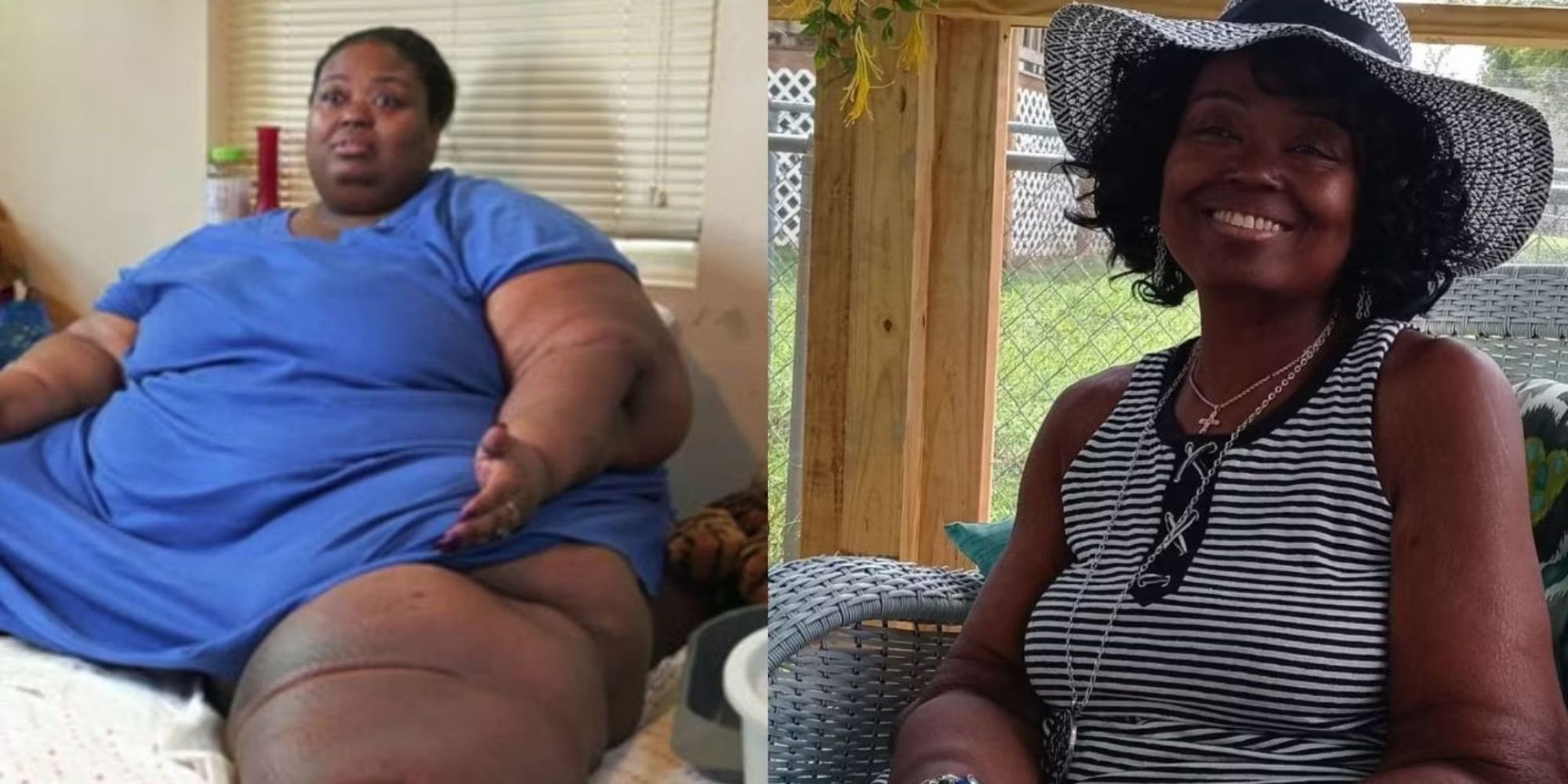
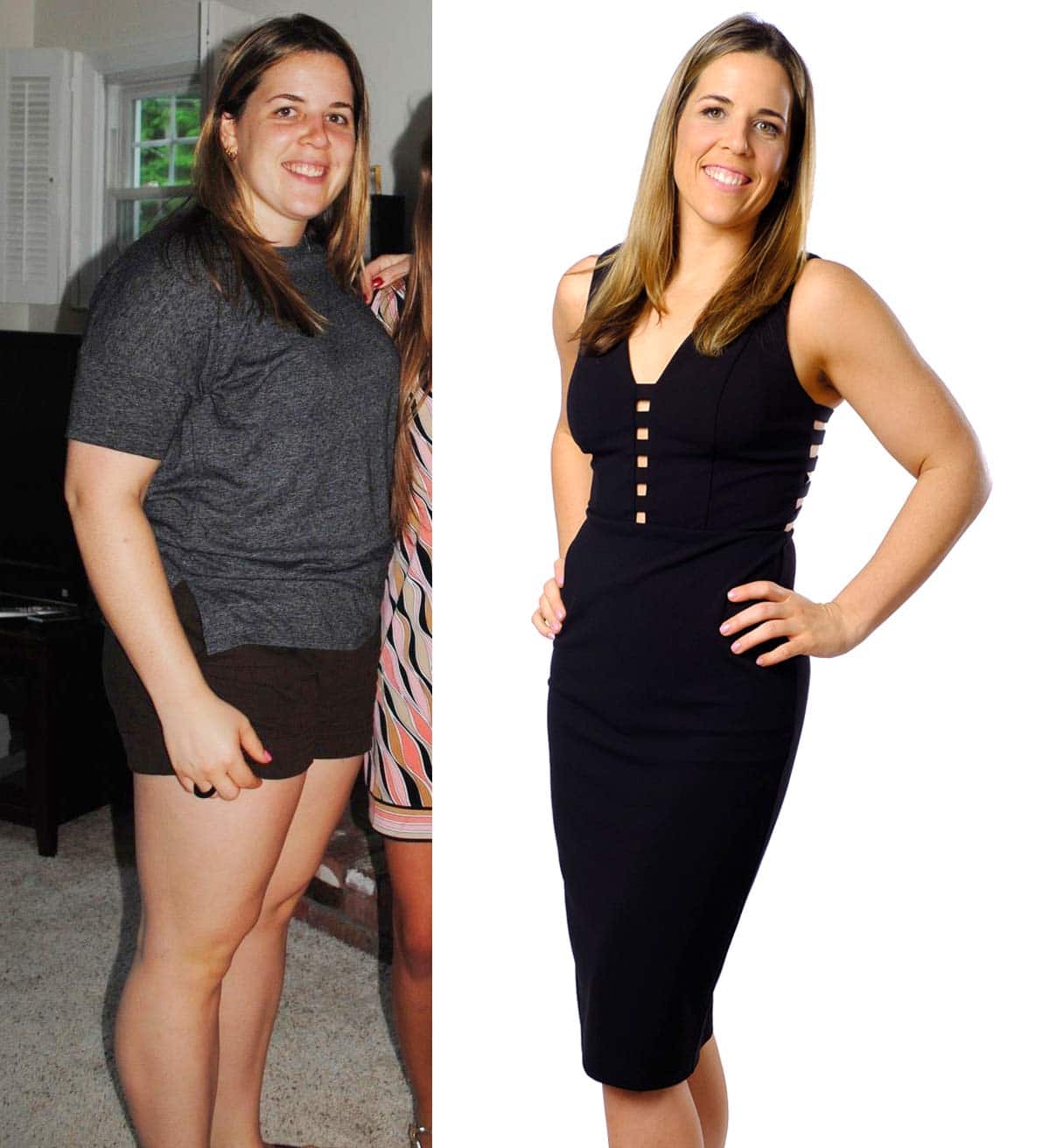
Losing 200 pounds is a profound medical and psychological undertaking that requires a multi-year commitment to metabolic restructuring and behavioral change. This journey typically involves clinical supervision, structured nutritional phases, and a strategic approach to physical activity to ensure safety and long-term weight maintenance while managing physiological realities like loose skin and metabolic adaptation.
The Physiological Reality of Extreme Weight Loss
When an individual embarks on a journey to lose 200 pounds, the body does not simply "burn fat" in a linear fashion. Instead, it enters a state of complex biological negotiation. The most significant reality is adaptive thermogenesis, often referred to as metabolic adaptation. As weight decreases, the body’s basal metabolic rate (BMR) often drops more than would be expected based solely on the loss of tissue. In 2026, clinical understanding emphasizes that the body perceives massive weight loss as a threat to survival, leading to a down-regulation of energy expenditure and an up-regulation of hunger hormones like ghrelin.
Another reality is the shift in hormonal balance. Adipose tissue (fat) is an endocrine organ; it produces hormones, including estrogen and leptin. As 200 pounds of fat are shed, the endocrine system must recalibrate. This can lead to temporary periods of emotional instability, changes in appetite regulation, and shifts in sleep patterns. Furthermore, the physical reality of the "after" often includes significant amounts of redundant skin. For someone losing 200 pounds, the skin's elasticity is typically stretched beyond its "snap-back" point, meaning that the "after" body may require surgical intervention to align with the individual's aesthetic and functional goals.
Strategic Steps for a 200-Pound Transformation
Achieving a 200-pound weight loss is rarely successful through "willpower" alone; it requires a structured, tiered approach. Attempting to overhaul every habit overnight often leads to burnout within the first 90 days.
Phase 1: Clinical Assessment and Foundation
Before any caloric restriction begins, a full metabolic panel is essential. This includes testing for insulin resistance, thyroid function, and nutrient deficiencies. In 2026, many individuals also consult with specialists regarding GLP-1 receptor agonists or other medical weight-loss aids that help level the hormonal playing field. This phase focuses on "crowding out" poor habits rather than strict deprivation—increasing water intake and prioritizing protein to preserve lean muscle mass.
Phase 2: Controlled Caloric Deficit and NEAT
Once a foundation is set, the focus shifts to a sustainable caloric deficit. For a 200-pound goal, this phase usually lasts 18 to 30 months. Rather than high-intensity exercise, which can be hard on the joints of a person with a high BMI, the emphasis is placed on Non-Exercise Activity Thermogenesis (NEAT). This involves increasing daily steps and general movement. Nutritional focus remains on high-satiety foods to manage the inevitable rise in hunger hormones.
Phase 3: Metabolic Repair and Strength Building
As the weight loss progresses past the 100-pound mark, the risk of muscle loss increases. Incorporating progressive resistance training is vital. Muscle is metabolically expensive tissue; the more muscle you retain during the loss, the higher your BMR remains, making the final 50 pounds easier to lose and the overall weight easier to maintain.
Managing Nutritional and Metabolic Expectations
The expectation of a steady 2-pounds-per-week loss is a common misconception. In reality, weight loss occurs in "steps." You may lose 10 pounds in a week and then nothing for three weeks. These plateaus are not failures; they are periods where the body is adjusting its internal "set point" and stabilizing its fluid levels and connective tissues.
| Feature | Non-Surgical Approach (Lifestyle & Medical) | Surgical Approach (Bariatric Intervention) |
|---|---|---|
| Average Timeline | 24–48 Months | 12–18 Months |
| Primary Mechanism | Behavioral change & hormonal management | Gastric restriction & malabsorption |
| Medical Supervision | Moderate (PCP, Dietitian) | High (Surgeon, Specialist Team) |
| Metabolic Impact | Gradual adaptation | Rapid hormonal signaling shifts |
| Cost Considerations | Ongoing (Food, Coaching, Meds) | High Upfront (Insurance or Out-of-pocket) |
| Long-term Success Rate | Highly dependent on habit adherence | High initial loss; requires lifelong monitoring |
Nutritional needs change drastically over the course of losing 200 pounds. What worked at a 400-pound starting weight will not work at 250 pounds. This requires "re-calculating" Total Daily Energy Expenditure (TDEE) every 20 to 30 pounds lost. Failure to adjust caloric intake as the body shrinks is the primary reason for long-term plateaus.
The Psychological and Social Transition
The mental "after" is often more complex than the physical one. Many individuals who lose 200 pounds struggle with body dysmorphia, where they still perceive themselves as their original size. This can lead to cognitive dissonance when looking in mirrors or buying clothes.
Socially, the "realities" involve changing relationship dynamics. Friends or family members may struggle with your new lifestyle, or you may face "fat-shaming" in reverse—where people feel comfortable commenting on your body now that you are smaller, which can be intrusive and triggering. In 2026, mental health support is considered a non-negotiable step in extreme weight loss journeys. Therapy helps individuals process the trauma of their previous size and the identity shift required to live as a smaller person.
Physical Activity Progression for High-Mass Loss
Exercise for someone losing 200 pounds must be phased to prevent injury. In the initial stages, the sheer mechanical load on the knees, hips, and lower back makes running or high-impact aerobics dangerous.
- Stage 1 (Starting): Low-impact steady-state (LISS) cardio. Walking and swimming are the gold standards. Swimming, in particular, provides buoyancy that protects the joints while offering resistance that builds baseline cardiovascular health.
- Stage 2 (Mid-journey): Introduction of resistance bands and bodyweight movements. At this point, the individual has shed enough weight to move more freely but still needs to focus on form and stability.
- Stage 3 (Final 50 lbs): Standard weightlifting and higher-intensity intervals. As the body becomes more athletic, the focus shifts from "burning calories" to "building a physique" and improving functional strength.
The Reality of Loose Skin and Body Contouring
One of the most difficult realities to accept is that losing 200 pounds almost always results in significant loose skin. The extent depends on genetics, age, and how long the weight was carried. Skin is a living organ, and while it has some elasticity, it cannot always shrink back across such a vast change in volume.
This often leads to a secondary journey: Body Contouring Surgery. Procedures like a 360-degree lower body lift, brachioplasty (arm lift), and mastopexy (breast lift) are common for those who have achieved 200-pound weight loss. In 2026, these are increasingly viewed as reconstructive rather than purely cosmetic, as excess skin can cause hygiene issues, rashes, and physical discomfort. Expecting to look "perfect" immediately after the scale hits the target number is unrealistic; the true "after" often involves a surgical recovery phase.
FAQ
How long does it realistically take to lose 200 pounds?
Most successful individuals take between 18 months and 3 years to lose 200 pounds safely. A rate of 1 to 2 pounds per week is the clinical standard, though the loss is often faster in the first few months and slows significantly as the individual nears their goal weight. Rushing the process increases the risk of gallbladder issues, severe hair loss, and significant muscle wasting.
Is it possible to lose 200 pounds without surgery?
Yes, it is entirely possible to lose 200 pounds through a combination of nutritional intervention, medical weight loss aids (like GLP-1 medications), and rigorous behavioral changes. However, it requires a higher level of long-term discipline and metabolic tracking compared to surgical options. Surgery is a tool that assists with portion control and hormonal signaling, but the lifestyle requirements for maintenance are similar for both paths.
What happens to the metabolism after losing 200 pounds?
The metabolism typically slows down because a smaller body requires less energy to function. Additionally, the "starvation response" can lower the BMR further. To counter this, individuals must prioritize protein intake and strength training to maintain muscle mass. Maintenance often requires eating fewer calories than someone of the same weight who was never obese, a reality known as "post-obese metabolic suppression."
Will my skin eventually tighten on its own?
While some minor tightening occurs over the 12 months following weight stabilization, significant loose skin from a 200-pound loss generally does not disappear on its own. Topical creams and non-invasive treatments have limited efficacy for this volume of skin. Surgical removal is the only definitive way to address the large folds of skin that remain after extreme weight loss.
What is the biggest challenge in the "after" phase?
The biggest challenge is weight maintenance. Statistical data shows that many people regain a portion of the weight within five years. The "after" is not a finish line but a permanent shift in identity and daily habits. Continuous monitoring of caloric intake and staying active are necessary for life, as the body’s biological drive to return to its highest weight remains strong for years.
Initial Steps for Commencing the Journey
If you are beginning a 200-pound weight loss journey in 2026, your first action should be to assemble a multidisciplinary care team. This team should ideally include a primary care physician, a registered dietitian specializing in obesity, and a mental health professional. Do not start with a restrictive "crash diet." Instead, spend the first two weeks simply tracking your current intake without judgment to understand your baseline. This data is the most valuable tool you and your medical team can have to create a sustainable, phased plan that accounts for your unique metabolic and psychological needs.