A White Elephant gift exchange is a holiday social game where participants trade humorous, eccentric, or surprisingly useful gifts through a series of choices and "steals." To host a successful event, organizers should combine a clear budget—typically between $20 and $50—with a specific game variation, such as the "Left-Right Story" or "Dice Roll," to keep the momentum high.
The White Elephant exchange, also known as a Yankee Swap or Dirty Santa, has evolved significantly by 2026. While the core mechanics remain rooted in the "steal," the modern version emphasizes curated themes and interactive gameplay over the "junk" gifts of the past. Success depends on balancing the absurdity of the gifts with a rule set that ensures everyone remains engaged until the final unwrapping.
Core Prerequisites for a 2026 White Elephant Exchange
Before selecting a game variation or buying a gift, the host must establish a framework. Without these prerequisites, the exchange can quickly become confusing or lead to social friction.
Setting the Budget and Theme
In 2026, the standard budget for a friendly or office exchange has stabilized around $25 to $35, accounting for recent shifts in consumer pricing. Establishing a firm ceiling prevents "gift envy" and ensures that the stakes are even for all participants. Themes have also become a vital prerequisite. Rather than a "free-for-all," many hosts now specify categories like "As Seen on TV," "Retro Tech," or "Gourmet Oddities" to give guests a creative starting point.
Defining the Steal Limit
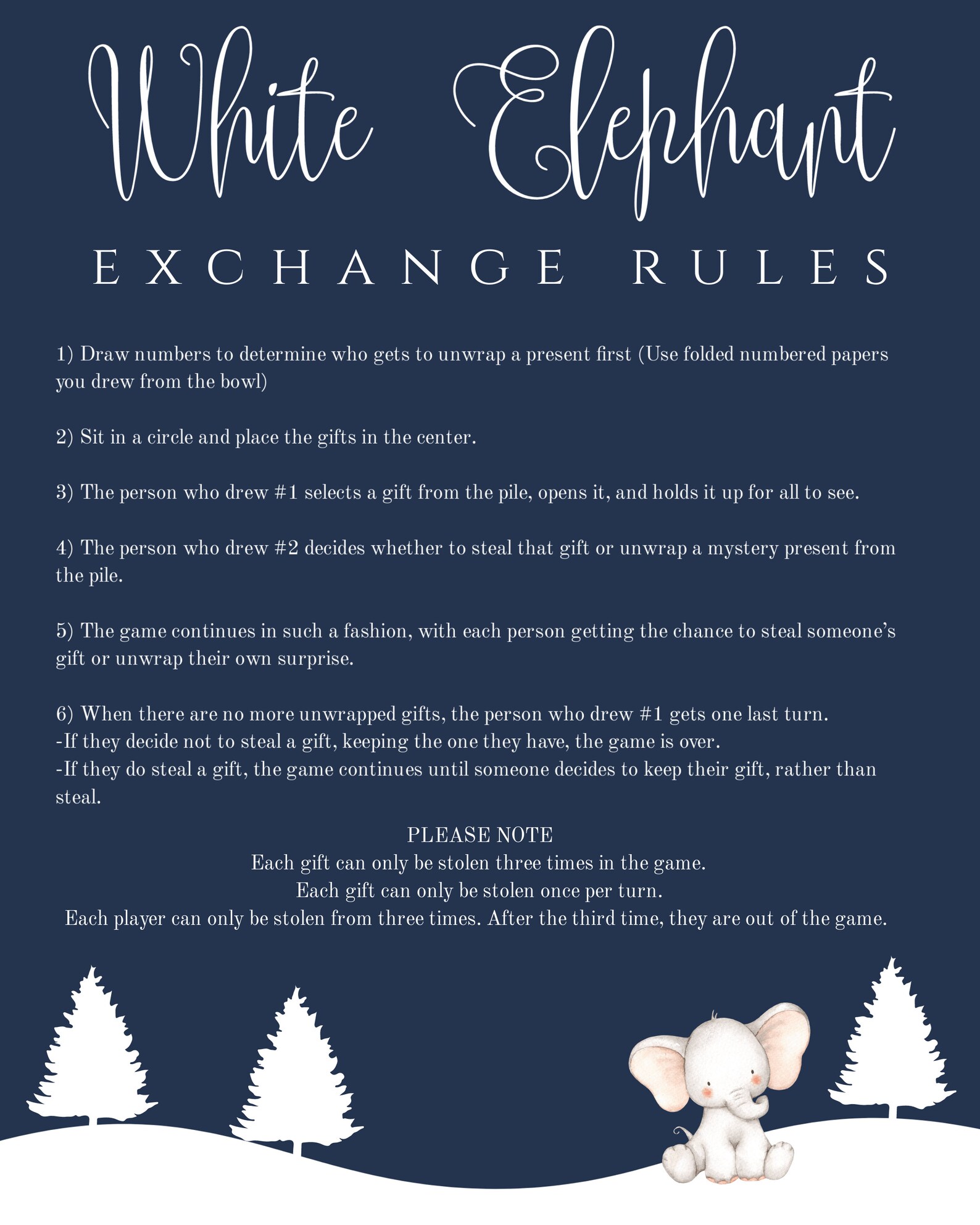
The most common cause of a stalled game is the infinite loop of stealing. Standard 2026 house rules dictate that a single gift can only be stolen three times before it becomes "frozen" and belongs to the final holder. Additionally, a person cannot immediately steal back a gift that was just taken from them. These rules must be communicated via invite or a quick briefing before the first gift is opened.
10 Creative White Elephant Gift Categories for 2026
Selecting the right gift requires a balance of humor and desirability. The best White Elephant gifts are those that people didn't know they wanted until they saw someone else lose it.
1. The "Nostalgia Tech" Revival
In 2026, there is a massive trend toward "low-tech" comfort. Items like refurbished 1990s-era handheld games, instant film cameras, or even high-quality vinyl records of classic holiday albums are highly sought after. These gifts work because they appeal to a wide age range, triggering nostalgia in older guests and curiosity in younger ones.
2. Smart Home Curiosities
While high-end smart devices are common, the White Elephant version focuses on the niche and slightly absurd. Think of an AI-powered plant pot that "frowns" when the soil is dry or a voice-activated toaster. These items are functional but carry enough of a "why does this exist?" factor to make them perfect for a swap.
3. The "Pseudo-Luxury" Item
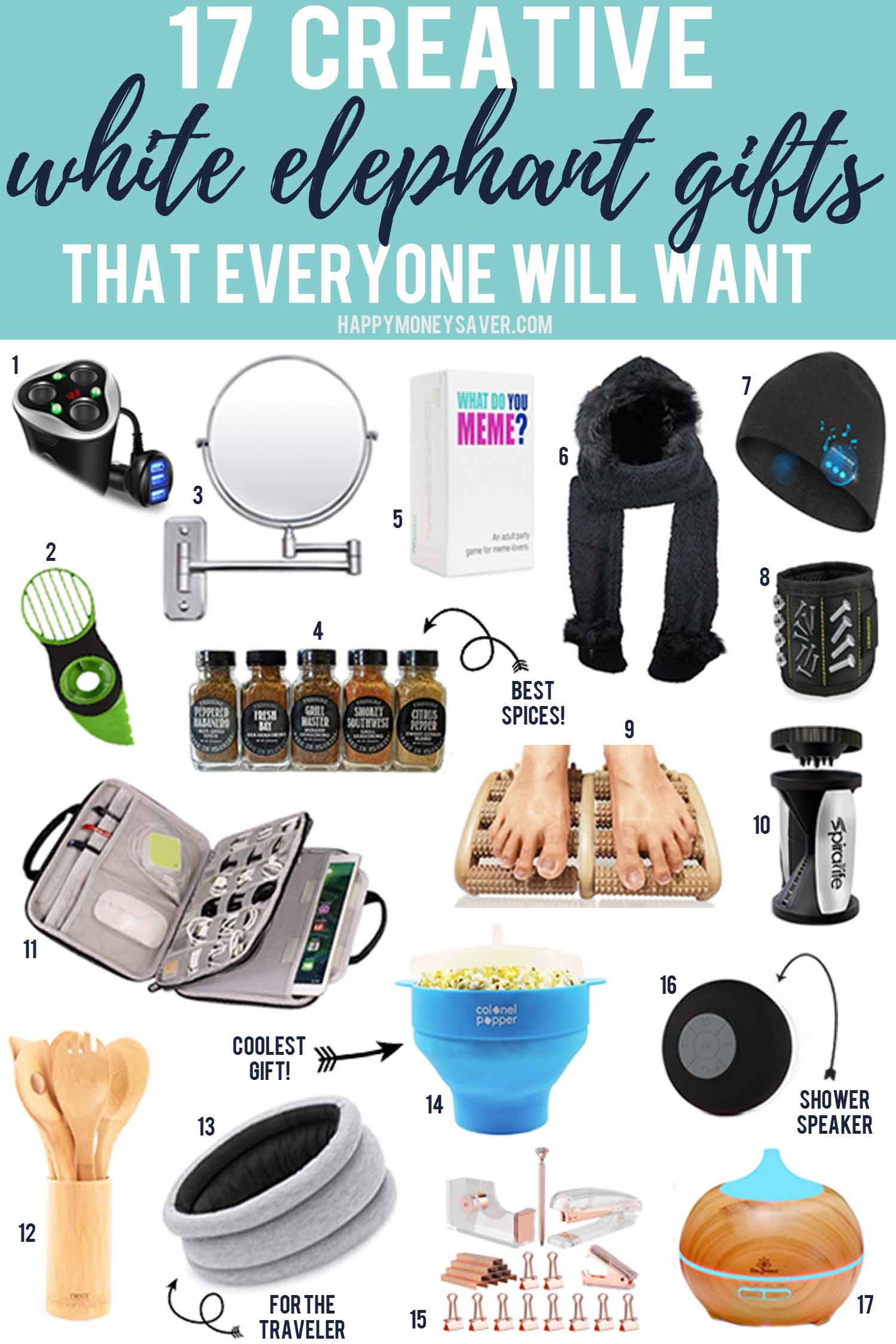
These are gifts that look incredibly expensive but fit within the $30 budget. Examples include a weighted neck warmer with faux-fur lining, a miniature desktop fountain, or a high-end "tasting kit" of rare honeys or salts. These are often the most stolen items because they offer genuine utility wrapped in an indulgent package.
4. Interactive "Boredom Busters"
Desk games have seen a resurgence. A high-quality magnetic sculpture kit, a miniature desktop bowling alley, or a complex 3D wooden puzzle provides immediate entertainment during the party. These gifts are popular because they give the "winner" something to do with their hands for the rest of the evening.
5. The "Useful but Weird" Kitchen Gadget
The kitchen remains a goldmine for White Elephant ideas. A rapid-cold-brew infuser, an electric "s'mores" maker for indoor use, or a specialized avocado slicer that actually works are classic choices. The key is to find an item that solves a very specific problem that no one realized they had.
6. Subversive Home Decor
This category includes items like "Renaissance-style" portraits of famous internet animals, candle holders shaped like anatomical hearts, or "punny" doormats. These gifts are divisive, which is exactly what you want. Half the room will find them hideous, while the other half will fight to the death to keep them.
7. The "Anti-Stress" Kit
In 2026’s fast-paced environment, relaxation gifts are always a hit. However, to keep it "White Elephant," go for the extreme: a massive 5-pound bag of high-quality gummy bears, a wearable "burrito blanket," or a sensory light projector that turns a bathroom into a nebula.
8. Localized Oddities
Gifts that reference a specific inside joke or a local landmark can be incredibly effective for office or neighborhood parties. A gift card to a notoriously "character-filled" local diner paired with a bottle of their house-made hot sauce provides both a laugh and a future experience.
9. The "Self-Improvement" Satire
Think of books with titles like "How to Talk to Your Cat About Evolution" or a "Gym Membership" that turns out to be a single heavy brick wrapped in velvet. If you choose this route, ensure there is a small, genuine prize hidden inside or attached to the joke (like a $10 coffee card) so the recipient doesn't feel completely slighted.
10. The "Mystery Box"
A recurring favorite in 2026 is the curated mystery box. The giver wraps several smaller, unrelated items—a pair of fuzzy socks, a bag of gourmet popcorn, and a strange wind-up toy—into one large box. The sheer volume of items makes it an attractive target for stealing, as guests assume quantity equals quality.
10 Fun Ways to Play: Rules and Variations
The way you play the game is just as important as the gifts themselves. These variations can help tailor the experience to the size and energy of your group.
1. The Classic "Yankee Swap"
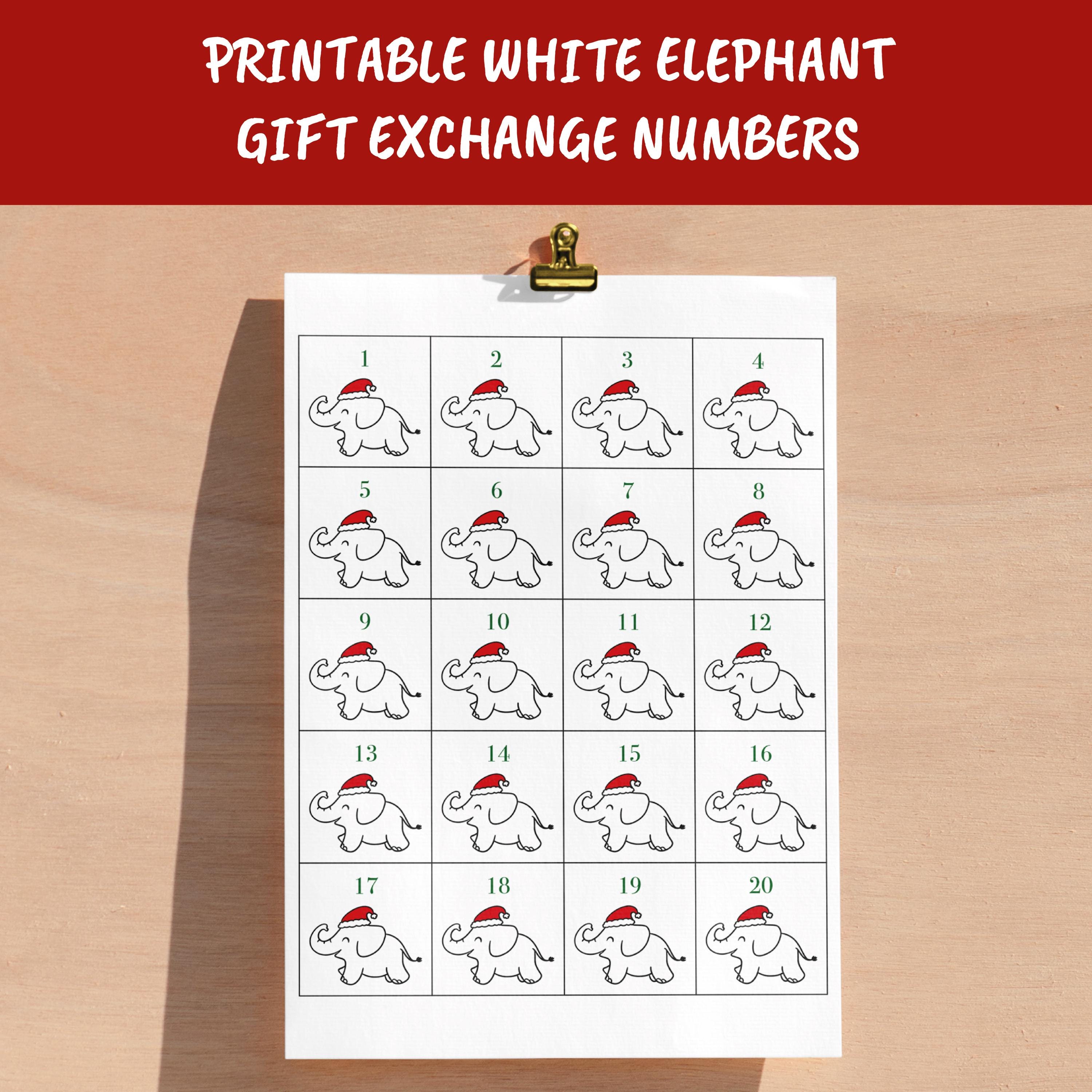
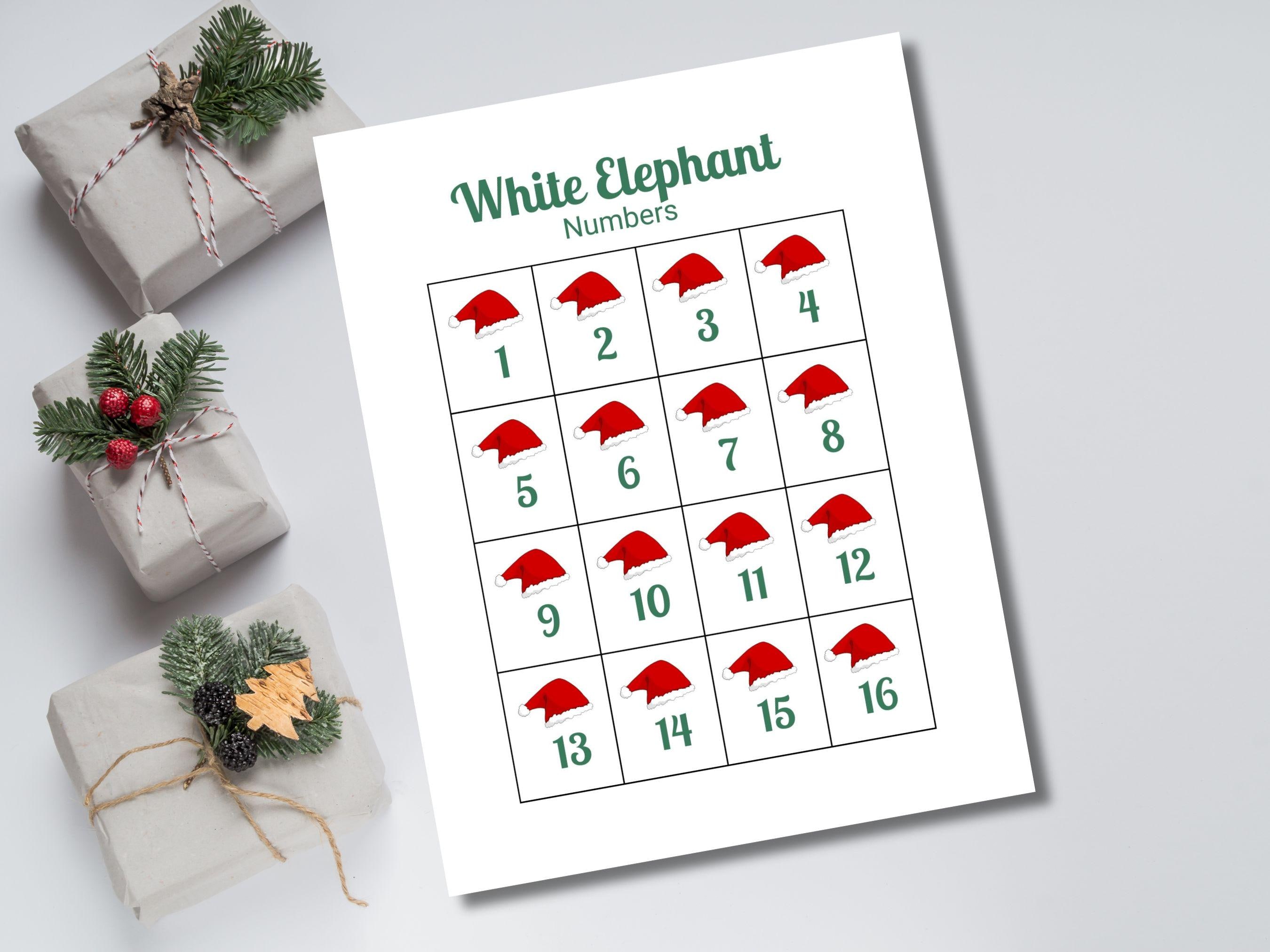
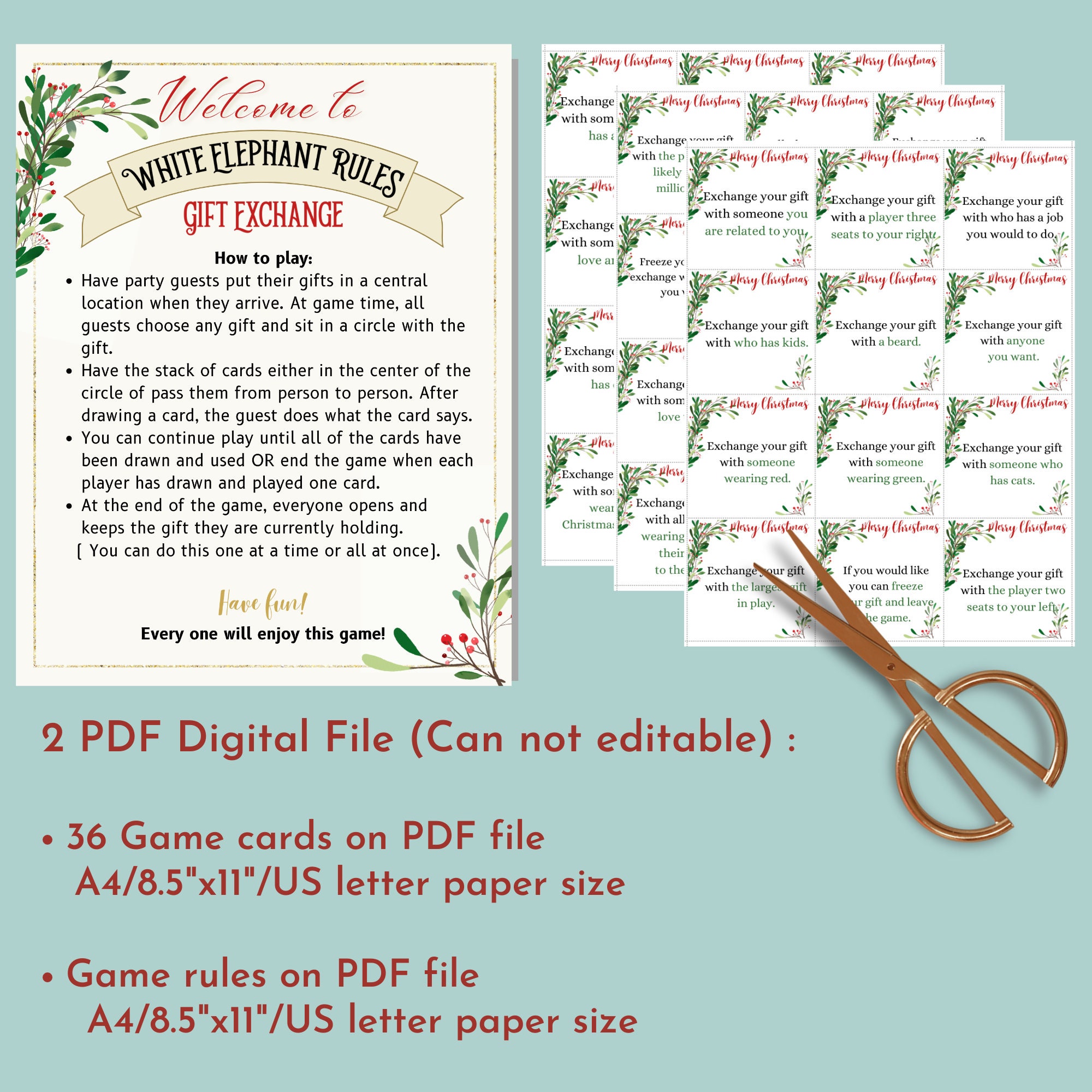
This is the baseline. Everyone draws a number. Number 1 picks a gift and opens it. Number 2 can either "steal" that gift or pick a new one from the pile. If a gift is stolen, the person who lost it can steal from someone else (provided they don't take back what they just lost) or pick a new gift.
2. The Left-Right Story
Instead of drawing numbers, everyone sits in a circle holding their own gift. The host reads a specially prepared story (often a holiday-themed one) that frequently uses the words "LEFT" and "RIGHT." Every time the word is said, everyone passes their gift in that direction. When the story ends, the gift you are holding is yours to open and keep.
3. The Dice Roll Chaos
This variation introduces an element of chance. When it's your turn, you roll a pair of dice. The result determines your action:
- Roll a 7: Everyone passes their gift to the right.
- Roll an 11: Everyone passes to the left.
- Doubles: You must swap your gift with anyone else in the room.
- Anything else: You may choose to steal or open a new gift.
4. Musical Chairs Exchange
Set up a circle of chairs (one fewer than the number of players). While music plays, guests pass a single "hot" gift around. When the music stops, the person without a chair is "out" and takes a gift from the pile to open and keep. The last person standing gets the final pick of all remaining gifts.
5. Auction Style
Give every guest an equal amount of "play money" or tokens at the start of the night. The host acts as the auctioneer, presenting the wrapped gifts one by one. Guests bid on the gifts without knowing what's inside. This version is excellent for competitive groups who enjoy the strategy of resource management.
6. The Secret Steal
In this version, no one opens their gift until the very end. Guests take turns choosing a wrapped box or "stealing" a wrapped box from someone else. Since no one knows what is inside, the "stealing" is based entirely on the size, shape, and weight of the packaging. The big reveal at the end provides a singular, high-energy climax.
7. The "Grinch" Pass
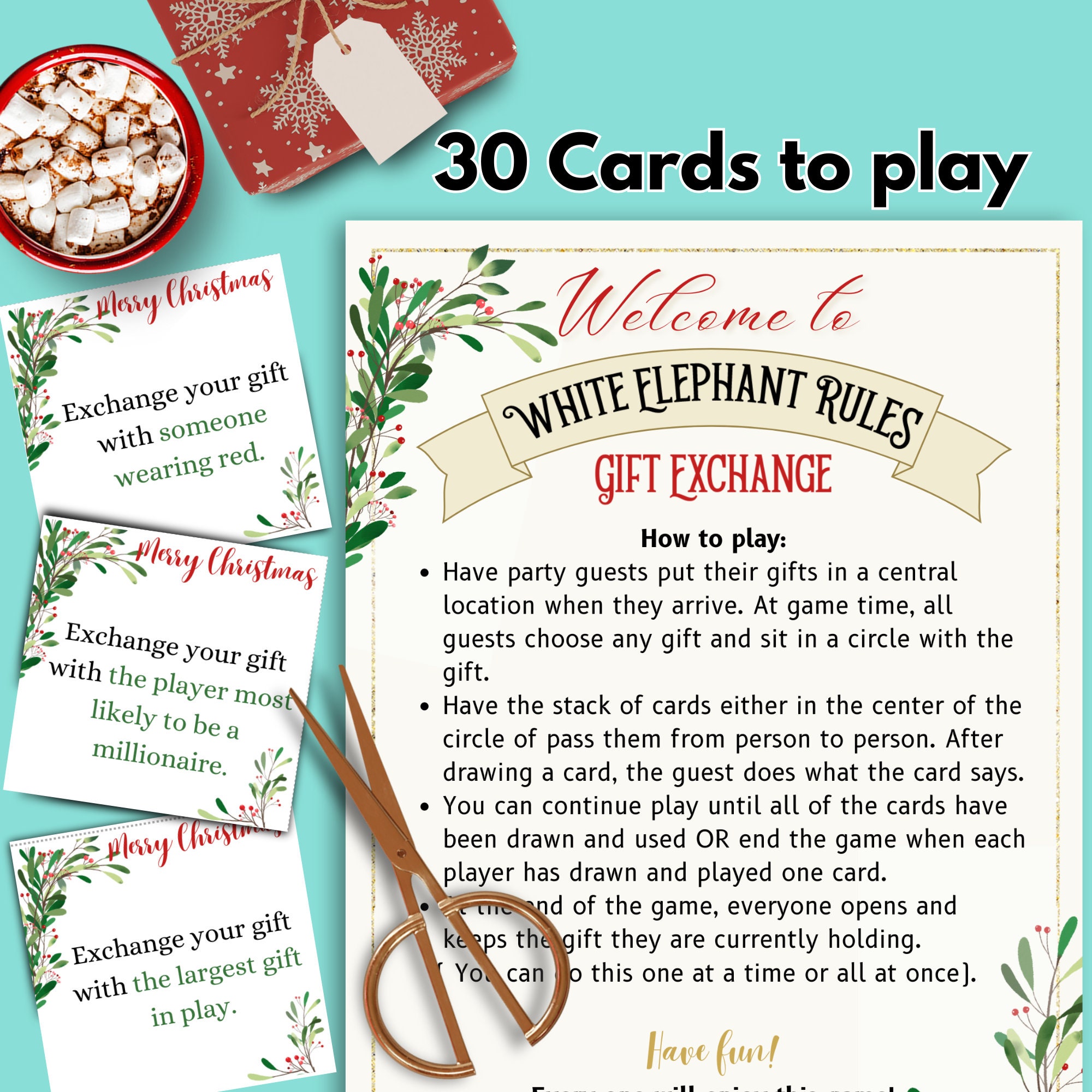
Before the game starts, hide one "Grinch" card in a random gift box or under a chair. The person who finds the Grinch card has the power to "freeze" any gift at any time, or they can perform a "Super Steal," which allows them to take a gift that has already reached its steal limit.
8. Poem-Based Swapping
The host reads a poem where each stanza describes a type of person (e.g., "The person who traveled the furthest to be here" or "The person with the most buttons on their shirt"). When a person fits the description, they must swap their gift with the person to their left. This keeps the room moving and encourages guests to learn things about one another.
9. The "Rock-Paper-Scissors" Duel
If someone wants to steal a gift, they must first defeat the current owner in a best-of-three match of Rock-Paper-Scissors. If the challenger wins, they take the gift. If they lose, they must pick from the pile, and their turn ends. This adds a layer of "skill" (and frustration) to the stealing process.
10. Themed "Speed" Rounds
For large groups, a standard exchange can take hours. In the speed variation, use a timer set to 30 seconds for each turn. If a guest doesn't make a decision (steal or open) before the buzzer sounds, the person to their right gets to decide for them. This keeps the energy high and prevents over-thinking.
Comparative Overview of Game Variations
| Variation Name | Complexity | Best Group Size | Interaction Level |
|---|---|---|---|
| Classic Yankee Swap | Low | 5–20 people | Moderate |
| Left-Right Story | Low | Any size | High (Active) |
| Dice Roll Chaos | Medium | 8–15 people | High (Random) |
| Auction Style | High | 10–25 people | Very High |
| Secret Steal | Low | 5–15 people | Low (Suspenseful) |
| Musical Chairs | Medium | 6–12 people | High (Physical) |
Common Pitfalls and How to Avoid Them
Even with the best ideas, a White Elephant exchange can go sideways if not managed properly. One common issue is the "dud" gift—an item that is so poorly conceived it brings the mood down. To avoid this, the host should encourage a "quality-funny" approach rather than "cheap-trash."
Another issue is the "eternal thief"—a guest who steals relentlessly and slows the game. Implementing the three-steal limit mentioned earlier is the most effective way to counter this. Furthermore, ensure there is a clear "End Game." Usually, the game ends when the last gift is opened, but some rules allow the very first person (Number 1) to have one final chance to steal any non-frozen gift, as they were the only ones who didn't have the option to steal at the start.
Frequently Asked Questions
What happens if the first person wants to steal at the end?
In most traditional rules, the person who drew Number 1 is given the final turn of the game. Because they had to pick a gift without any stealing options at the beginning, they are allowed to swap their gift with any other "unfrozen" gift in the room. This concludes the game.
Should gifts be wrapped or in gift bags?
Wrapped gifts are generally preferred for White Elephant exchanges. Gift bags make it too easy for "peeking" or feeling the weight and texture of the item. Traditional wrapping paper adds to the mystery and the effort of the "reveal," which is a core part of the entertainment.
Is it okay to regift an item for a White Elephant?
Yes, provided the item is in new condition and fits the spirit of the game. In fact, many successful 2026 exchanges have a specific "Regift Only" theme, which is eco-friendly and adds a layer of storytelling as guests explain where the original "strange" gift came from.
What is the ideal number of participants?
For a standard exchange, 10 to 20 people is the "sweet spot." Fewer than 10 can result in a game that ends too quickly without enough stealing drama. More than 20 can lead to the game dragging on, which is why "Speed Rounds" or "Left-Right" variations are better for larger crowds.
How do you handle guests who forget to bring a gift?
A prepared host usually keeps one or two "emergency" gifts wrapped and hidden away. These can be simple items like a box of chocolates or a generic mug. If a guest forgets their gift, the host can provide one of these (perhaps for a small fee or a "forfeit" like singing a carol) so the guest can still participate in the game mechanics.
Strategic Selection for Your Group
When choosing between these 20 ideas and variations, consider the "social battery" of your guests. If your group is high-energy and competitive, the Auction Style or Rock-Paper-Scissors Duel will be a massive hit. If the gathering is more relaxed or includes multiple generations, the Left-Right Story provides a structured, inclusive way to ensure everyone leaves with something unique. By 2026, the goal of these exchanges has shifted from merely "getting a gift" to "creating a shared memory," so prioritize the variation that generates the most laughter for your specific crowd.