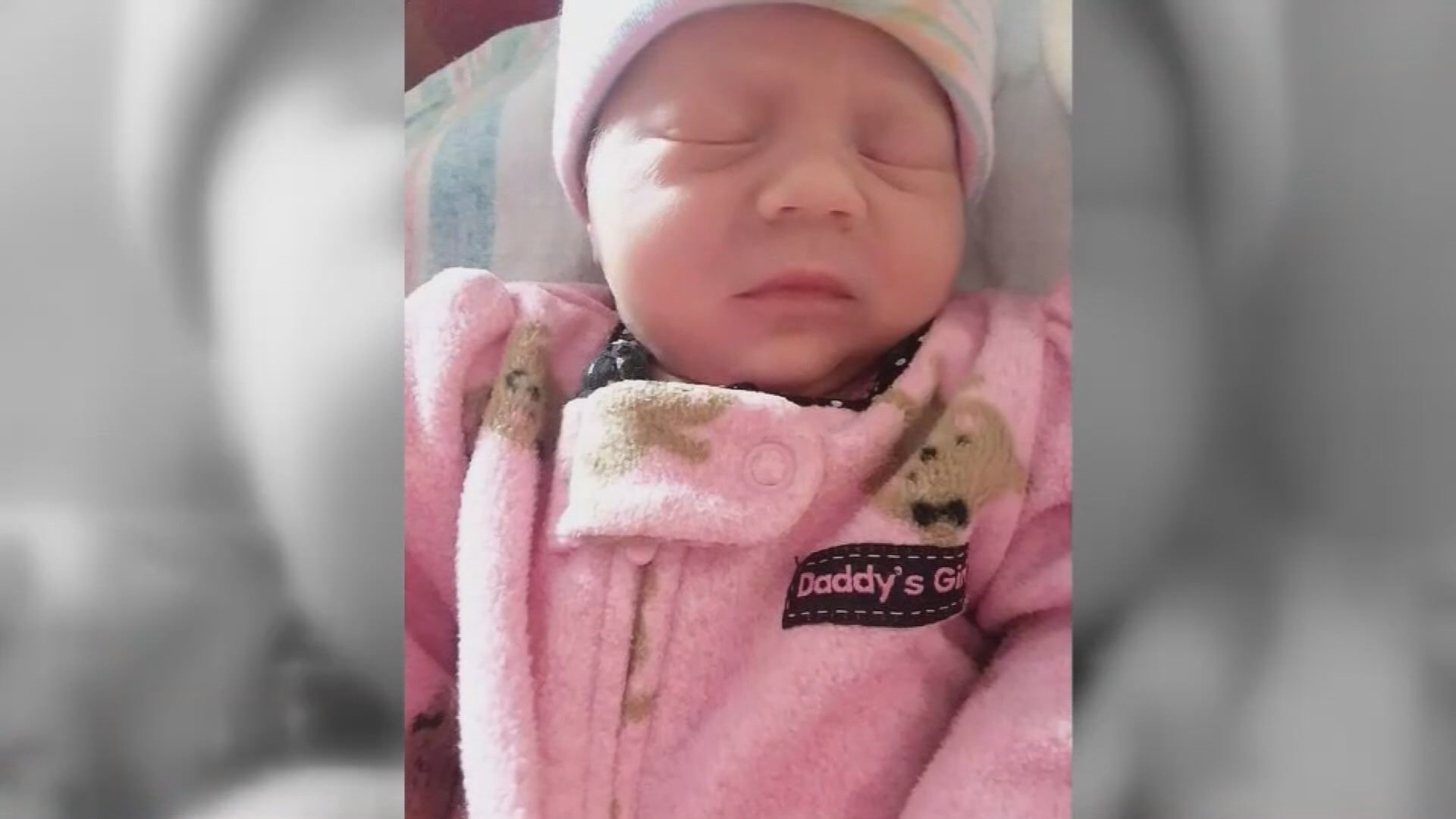
If a 2-week-old baby is missing, you must call emergency services (911 in the U.S.) immediately to initiate an Amber Alert and professional search. Ensure the infant’s environment is left untouched to preserve scent and evidence, provide law enforcement with the most recent photograph, and prepare for an intensive, coordinated multi-agency recovery operation.
The disappearance of a newborn is a critical emergency that requires an immediate, structured response. At two weeks of age, an infant is entirely dependent on caregivers for survival, making the "Golden Hour"—the first sixty minutes following the discovery of the disappearance—the most vital window for a successful recovery. Because newborns lack the mobility to wander, their absence almost always implies the involvement of a third party or a serious lapse in supervision, both of which necessitate professional investigative intervention.
In 2026, the integration of advanced biometric tracking, localized digital alerts, and rapid-response drone surveillance has shifted how these searches are conducted. However, the foundational safety tips and search protocols remain grounded in traditional law enforcement techniques and scene preservation.
Immediate Actions When a Newborn is Discovered Missing
The first thirty minutes after realizing an infant is missing are often marked by panic, but disciplined action is required to assist law enforcement. The primary objective is to secure the area and provide the authorities with the tools they need to begin an immediate search.
Call Emergency Services Immediately Do not wait to "double-check" the house or neighborhood for more than a few minutes. Every second is vital for the activation of the Amber Alert system and the establishment of road blockblocks or transit monitoring. When you call, clearly state that a "two-week-old infant" is missing, as the age of the child automatically elevates the priority level of the dispatch.
Preserve the Scene It is a natural instinct to search through the baby’s crib, bedding, and room. However, for a 2-week-old baby, the nursery is a crime scene. Investigators use specialized K9 units that rely on "pure" scent. If parents or neighbors handle the bedding or clothing excessively, it can contaminate the scent trail. Do not clean, do not "tidy up," and do not let others enter the room until the police have cleared it. This preservation also applies to digital evidence, such as baby monitors or home security cameras.
Gather Identification and Recent Documentation By 2026, many parents have digital footprints for their children, even at two weeks. Collect the most recent photo—even if it is a casual smartphone picture. Note the exact clothing the baby was wearing, any distinguishing birthmarks (such as Mongolian spots or hemangiomas), and the infant's weight. If the baby has any medical conditions or requires specific formula or medication, this information is critical for the "latest search safety tips" as it dictates the urgency of the recovery based on the infant's health stability.
Understanding Professional Search and Recovery Infrastructure
In the current year of 2026, law enforcement agencies utilize a tiered approach to missing infant cases. Understanding how these systems work can help families and volunteers cooperate more effectively with the investigation.
The Role of the Amber Alert and Wireless Emergency Alerts (WEA)
The Amber Alert system remains the most effective tool for recovering abducted children. For a 2-week-old, the criteria for an alert are almost always met instantly: law enforcement must believe an abduction has occurred and that the child is in imminent danger of serious bodily injury or death. In 2026, these alerts are hyper-localized using geofencing technology, sending descriptions and photos directly to the smartphones of everyone within a specific radius of the disappearance.
Advanced Surveillance and AI Integration
Modern search efforts now leverage Artificial Intelligence (AI) to scan CCTV and private doorbell camera feeds in real-time. If a suspect vehicle or individual is identified, AI algorithms can track that entity across multiple camera networks. This "latest search" technology reduces the time spent manually reviewing footage, allowing officers to focus on ground-level recovery.
K9 and Forensic Search Units
Bloodhounds and cadaver dogs remain indispensable. In the case of a 2-week-old, "trailing dogs" are used to follow a specific scent from the crib to an exit point, which can indicate if the child was carried to a vehicle. Search safety protocols dictate that the public must stay back from these units to avoid distracting the animals or introducing "scent noise" that could lead to a false trail.
Organizing a Community Search Safely
When a baby goes missing, the community often wants to help. However, an unorganized search can hinder professional efforts. Following established safety tips ensures that volunteers assist rather than obstruct.
The Danger of "Self-Deploying" One of the most important safety tips is to avoid "self-deploying." Large groups of people walking through a search area can inadvertently destroy evidence, such as footprints, tire tracks, or discarded items (like a pacifier or blanket). Always wait for a designated "Volunteer Lead" from a recognized agency, such as the National Center for Missing & Exploited Children (NCMEC) or local police, to assign search grids.
Vetting and Documentation For the safety of the investigation, all volunteers should be vetted. In high-profile missing baby cases, individuals with ill intentions may attempt to join the search. Professional search coordinators in 2026 use digital check-in systems to track which volunteer searched which grid and to ensure everyone has a valid ID on file.
Safety for the Volunteers Searching can be physically demanding and emotionally taxing. Volunteers should:
- Work in pairs (The Buddy System): Never search alone, especially in wooded or urban-decay areas.
- Carry Communication Devices: Ensure phones are charged and that you have a direct line to the search command center.
- Document, Don't Touch: If you find an item that might belong to the baby, do not pick it up. Mark the location (using GPS or a physical marker) and notify law enforcement immediately.
Search Methodology Comparison
The following table outlines the different types of search resources deployed in a missing newborn case and their specific functions as of 2026.
| Search Resource | Primary Function | Ideal Conditions | Limitations |
|---|---|---|---|
| K9 Trailing Units | Following specific scent from a starting point (e.g., a crib). | Fresh scent trails (under 24-48 hours). | Can be confused by heavy rain or excessive human foot traffic. |
| UAV/Drones (Thermal) | Identifying heat signatures in outdoor or large-scale areas. | Nighttime or dense brush where visibility is low. | Limited battery life; may struggle in high-density urban "concrete canyons." |
| Digital Forensics | Reviewing "Smart Home" data, GPS logs, and CCTV. | Areas with high density of IoT (Internet of Things) devices. | Privacy laws and encrypted data may delay access to some feeds. |
| Grid Search Teams | Systematic, hand-and-knee or walking search of a defined area. | Urban environments, parks, and building interiors. | Slow and labor-intensive; requires significant manpower. |
| Aviation (Helicopters) | Wide-area surveillance and rapid transit of specialized teams. | Clear weather and daylight. | High cost and noise may mask other sounds (like a baby crying). |
Legal and Ethical Considerations During the Search
A missing person investigation involving an infant is highly sensitive. Parents and family members must navigate a complex legal landscape while under extreme duress.
Cooperation with Law Enforcement It is standard procedure for investigators to focus on the inner circle first. This includes parents, relatives, and close friends. Safety tips for families include being prepared for intensive questioning and potential polygraph tests. While this is painful, it is a necessary step to "clear" individuals and allow the investigation to move outward toward third-party suspects.
Managing Social Media and "Web Sleuths" In 2026, social media remains a double-edged sword. While it can spread the baby’s photo quickly, it also invites "web sleuths" who may spread misinformation or harass the family. To maintain search safety, designate one official spokesperson or use a single official social media page for updates. Avoid responding to rumors or theories online, as this can divert resources from credible leads.
The Role of Rewards Offering a reward can incentivize tips, but it can also generate a flood of "false positives." Law enforcement typically manages reward funds to ensure that tips are vetted before payouts are discussed. If you choose to offer a reward, do so through an established organization like Crime Stoppers to ensure anonymity and legal compliance.
Preventive Safety Measures for Newborns
While the focus is often on the search, the "latest search safety tips" also encompass prevention and the technological safeguards available in 2026 to prevent a baby from going missing in the first place.
Hospital and Home Security Modern maternity wards use electronic infant protection systems (such as umbilical cord tags) that trigger alarms if a baby is moved toward an exit. At home, parents should consider:
- Smart Monitors: Monitors that alert the parent if the baby is removed from the crib or if the "smart" clothing (sensing heart rate/breath) loses contact with the base station.
- Entry Sensors: Standard home security systems that chime or alert the phone whenever a door or window is opened.
- Visitor Protocols: In the first few weeks, limit visitors to trusted individuals. Be cautious of "re-delivery" scams or unannounced "health inspectors" who may be looking for access to the home.
The "Digital DNA" Profile Parents are encouraged to maintain a "Digital DNA" profile, which includes high-resolution photos of birthmarks, a record of the baby's footprint (taken at birth), and even a saved lock of hair or a swabbing for DNA records. Having these materials ready before an emergency occurs can save hours during a search.
FAQ: Common Questions About Missing Newborn Searches
How soon is an Amber Alert issued for a missing 2-week-old?
An Amber Alert is usually issued as soon as law enforcement confirms that the child is missing and that there is a credible threat of danger. Because a 2-week-old cannot move themselves, "danger" is presumed immediately. The process can take anywhere from 30 minutes to a few hours, depending on how quickly the initial report is verified.
Can I use a personal drone to help with the search?
Generally, no. Law enforcement often implements Temporary Flight Restrictions (TFR) over search areas to allow police helicopters and official drones to operate safely. Unauthorized personal drones can interfere with these operations and may even lead to the grounding of search aircraft. Always check with the command center before launching a private drone.
Why do police search the parents' house first if they reported the baby missing?
This is a standard investigative protocol known as "clearing the center." It ensures that the child is not hidden in the home (intentionally or accidentally) and helps investigators establish a baseline for the search. It also allows them to collect scent articles and evidence without delay.
What should I do if I think I see the missing baby?
Do not attempt to intervene or confront a suspect yourself, as this could put the baby at greater risk. Maintain a safe distance, take a photo or video if possible, and call emergency services immediately with your exact location, a description of the person holding the baby, and any vehicle license plate numbers.
How do search teams handle the physical vulnerability of a 2-week-old?
The search is conducted with extreme urgency because newborns are at high risk for dehydration, hypothermia, and hypoglycemia. Search teams often include pediatric medical professionals who are ready to provide immediate neonatal intensive care the moment the child is recovered.
Contacting Expert Resources for Immediate Support
If you are involved in or assisting with a missing infant case, your primary contact must always be local law enforcement. However, secondary support is available through specialized organizations that provide logistical aid, poster distribution, and emotional support.
The National Center for Missing & Exploited Children (NCMEC) provides a 24-hour hotline (1-800-THE-LOST) and can deploy Team Adam, a group of retired law enforcement professionals who provide technical assistance to local agencies. Additionally, organizations like Child Find of America offer mediation and search support. Utilizing these professional resources ensures that the "latest search safety tips" are applied by experts, maximizing the chances of a safe return for the infant.