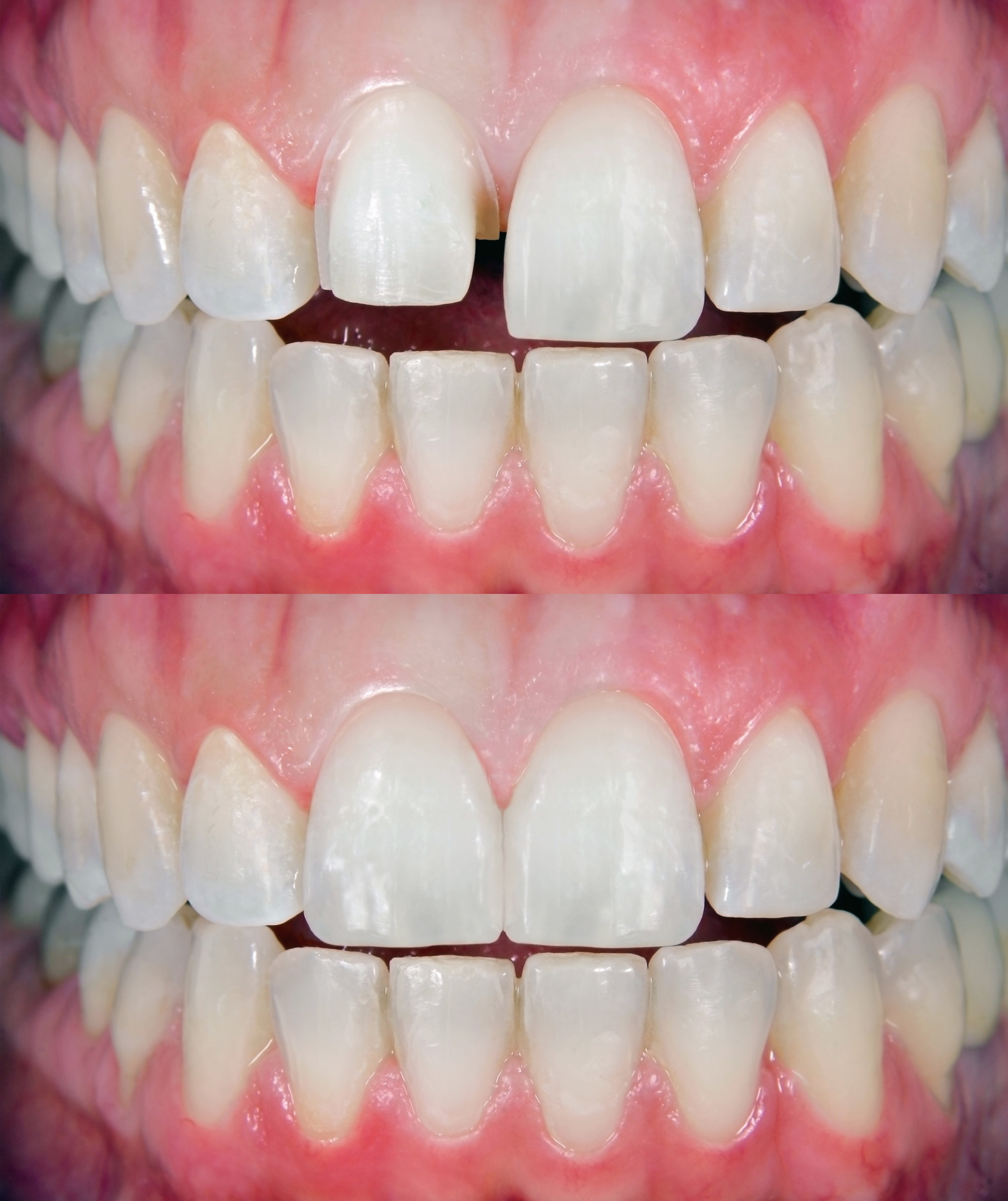
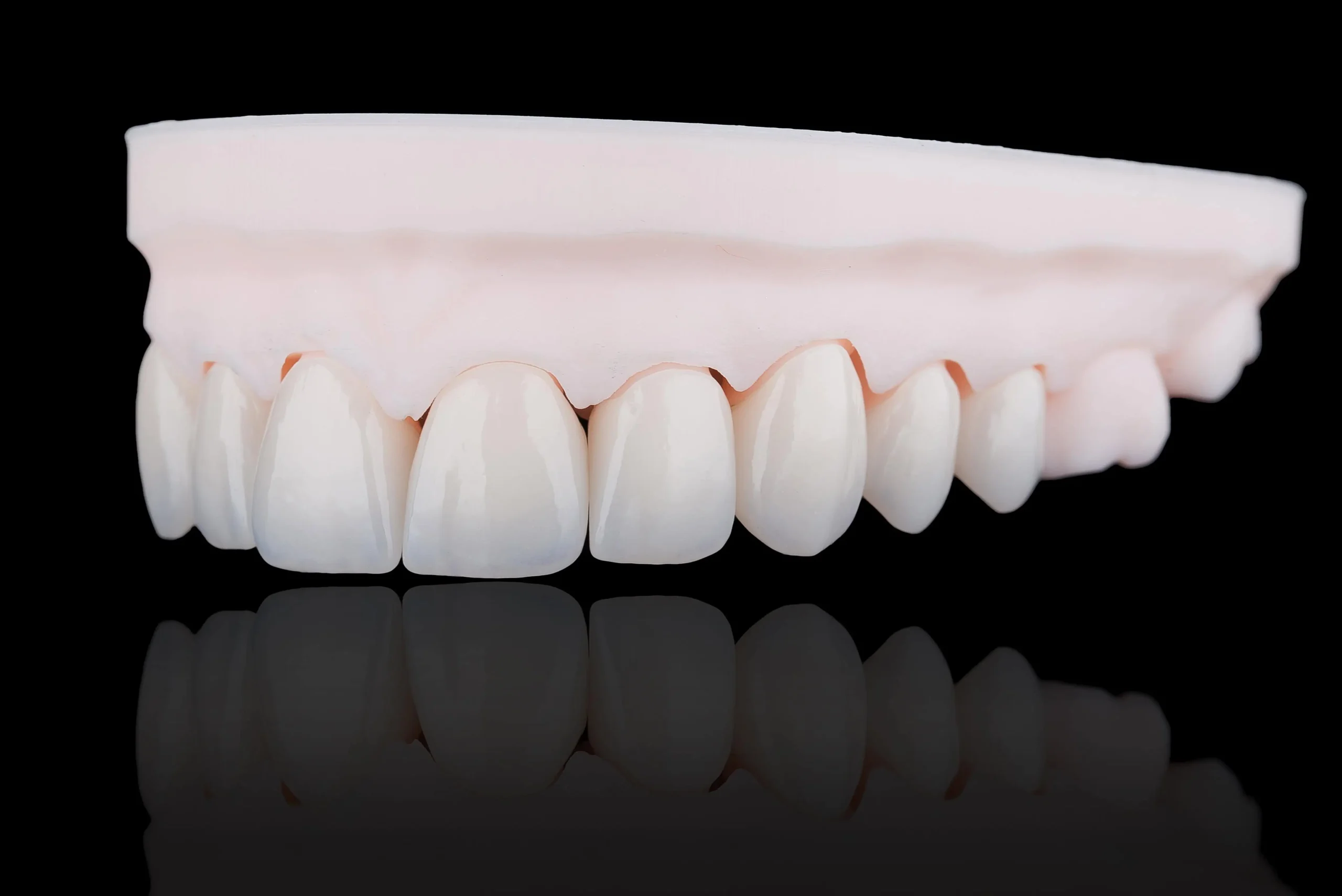
In 2026, using just two porcelain veneers provides a targeted, high-impact solution for correcting aesthetic imperfections in the central incisors. These ultra-thin porcelain sheets are custom-engineered to mask deep stains, close gaps (diastemas), or repair minor chips, offering a natural-looking transformation that harmonizes with your existing teeth without requiring a full-arch reconstruction.
Understanding the Role of 2 Porcelain Veneers in Smile Design
While the "Hollywood smile" often involves ten or more units, many patients find that a more conservative approach—placing only two veneers—is the most effective way to achieve a balanced appearance. This strategy typically focuses on the two central incisors, which are the focal points of the human smile. Because these two teeth dictate the symmetry of the entire face, correcting their shape, size, or color can have a disproportionately large impact on your overall look.
The term "porcelain sheets" refers to the technical nature of modern dental veneers. In 2026, advancements in material science have allowed for the creation of veneers that are as thin as 0.3mm to 0.5mm. Despite their delicacy, once chemically bonded to the tooth structure, they become incredibly durable. This thickness—or lack thereof—is crucial because it allows for a "minimal preparation" approach, where very little of the natural tooth enamel needs to be removed to accommodate the restoration. This preserves the structural integrity of the tooth while providing a completely new exterior surface.
Achieving a seamless blend with only two veneers is technically more difficult than doing a full set of six or eight. When a dentist places a full set, they have total control over the shade and texture of every visible tooth. With only two veneers, the ceramicist must perfectly mimic the "optical fingerprint" of your surrounding natural teeth, including their unique translucency, internal characterization, and surface luster.
When are Just Two Veneers the Right Choice?
Choosing a two-veneer plan is an exercise in precision and conservation. This approach is not suitable for every patient, but for those with specific localized issues, it is often the superior choice. The primary candidates for this procedure are individuals who are generally happy with their smile but have specific "distractions" on their front two teeth.
Closing a Midline Diastema A gap between the two front teeth is one of the most common reasons for seeking two veneers. While orthodontics can close this gap, veneers offer an "instant" solution that also allows the dentist to adjust the width of the teeth. This ensures that once the gap is closed, the teeth do not appear unnaturally wide or out of proportion with the rest of the smile.
Repairing Incisal Wear or Minor Chipping Over time, the biting edges (incisal edges) of the front teeth can become jagged or shortened due to attrition. Two porcelain sheets can restore the lost height and create a smooth, youthful edge. This not only improves aesthetics but can also provide better support for the lips, subtly enhancing the facial profile.
Masking Internal Discoloration Professional chemical whitening is effective for surface stains, but it often fails to correct "intrinsic" staining caused by trauma, certain medications (like tetracycline), or excessive fluoride during tooth development. Since porcelain is opaque enough to mask the underlying dark tooth but translucent enough to look natural, two veneers can bring these "dark" teeth into alignment with the rest of a brightened smile.
The Step-by-Step Procedure for a Two-Veneer Transformation
The process in 2026 has been streamlined by digital integration, ensuring that the final "porcelain sheets" fit with micrometer precision. The journey from a compromised smile to a transformed one typically involves three distinct phases.
Phase 1: Digital Smile Design and Diagnostics
The process begins with high-definition intraoral scanning. Instead of the uncomfortable "goopy" impressions used in previous decades, a handheld camera creates a 3D digital model of your mouth. Using AI-driven smile design software, your dentist can project how the two new veneers will look in relation to your lips, gums, and adjacent teeth. This allows you to "trial" your smile before any physical work begins.
Phase 2: Minimal Preparation and Temporization
If the "trial" is approved, the dentist prepares the two teeth. In 2026, "no-prep" options are more common, but many cases still require the removal of a microscopic layer of enamel to ensure the veneers sit flush with the gum line and do not look bulky. Once prepared, a second scan is taken to be sent to the dental laboratory. Temporary veneers, often 3D-printed in the office, are placed to protect the teeth and maintain aesthetics while the permanent porcelain sheets are being crafted.
Phase 3: Final Bonding and Integration
The final appointment involves the removal of the temporaries and the "try-in" of the porcelain veneers. The dentist checks the fit, the "margin" (where the veneer meets the gum), and the color match. If the aesthetics are perfect, the teeth are cleaned with a mild etching solution, and a light-sensitive resin cement is used to bond the porcelain to the enamel. A high-intensity curing light hardens the bond instantly, allowing you to leave the office with a fully functional, transformed smile.
Comparing Porcelain Veneers to Alternative Cosmetic Treatments
Deciding on two veneers often involves comparing them against less invasive or more extensive options. The following table highlights the differences in performance and longevity as of 2026.
| Feature | Porcelain Veneers (2 Units) | Composite Bonding | Professional Whitening |
|---|---|---|---|
| Durability | 15–20+ Years | 5–7 Years | Temporary (6–12 months) |
| Stain Resistance | High (Non-porous) | Moderate (Porous) | None |
| Treatment Time | 2 Appointments | 1 Appointment | 1–2 Appointments |
| Invasiveness | Minimal (Enamel shaving) | Non-invasive | Non-invasive |
| Cost (Initial) | Higher | Moderate | Low |
| Aesthetic Depth | Excellent (Multi-layered) | Good | Limited to color change |
| Ideal For | Structural & Color changes | Minor chips & Small gaps | General yellowing only |
Technical Specifications: Why Porcelain Mimics Natural Enamel
The success of "natural looking porcelain sheets" lies in their ability to manipulate light in the same way as human tooth structure. Natural enamel is a semi-translucent crystalline layer that covers a more opaque core called dentin. To replicate this, modern dental ceramics use several layers of specialized materials.
Translucency and Opalescence High-quality veneers are not a single solid color. They are built with varying levels of translucency. The "incisal third" (the bottom edge) of the veneer is typically more translucent, mimicking the way natural teeth allow light to pass through the edge. Furthermore, the porcelain exhibits "opalescence," meaning it reflects shorter wavelengths of light (blue) and transmits longer wavelengths (orange/yellow), giving the teeth a life-like "glow" under different lighting conditions.
Material Composition In 2026, most two-veneer cases utilize either Lithium Disilicate (e.max) or Feldspathic Porcelain. Lithium Disilicate is prized for its extreme strength and is often used when the patient has a heavy bite. Feldspathic porcelain, while slightly more brittle, allows for the highest level of artistic detailing and is chosen when the primary goal is an undetectable match to very characterized natural teeth.
Longevity and Maintenance of Your Porcelain Sheets
While porcelain veneers are highly resistant to decay and staining, the underlying tooth and the surrounding gum tissue still require diligent care. A well-maintained pair of veneers can last two decades or more.
- Non-Abrasive Hygiene: Use a non-abrasive fluoride toothpaste. Traditional "whitening" toothpastes often contain silicas that can microscopically scratch the polished surface of the porcelain over many years, dulling its luster.
- Bite Protection: If you have a history of grinding your teeth (bruxism), a custom-fitted night guard is mandatory. While porcelain is strong under vertical pressure (chewing), it can fracture under the lateral shearing forces of grinding.
- Gum Health: The "weak point" of any veneer is the margin where it meets the gum. If gum recession occurs due to periodontal disease, the edge of the veneer (and the natural tooth underneath) may become visible. Daily flossing is essential to maintain the "seamless" look of the porcelain sheets.
Cost Considerations and Investment Analysis in 2026
The cost of two veneers is a reflection of both the high-grade materials used and the clinical expertise required for a "perfect match." In 2026, the price per unit typically ranges from $1,500 to $3,500, depending on the complexity of the case and the geographic location of the practice.
Because this is a cosmetic procedure, it is rarely covered by standard dental insurance unless the veneers are being placed to repair structural damage from an accident. However, many patients view the two-veneer approach as a cost-saving measure compared to a full "smile makeover." By focusing only on the teeth that need correction, you can achieve a significant aesthetic upgrade at a fraction of the cost of a 6- or 8-unit case.
Choosing the Right Cosmetic Dentist for Your Transformation
The success of a two-veneer transformation depends almost entirely on the dentist's eye for symmetry and the skill of their laboratory technician. When researching providers, ask to see "before and after" photos specifically of two-unit cases. This demonstrates the dentist's ability to match natural tooth morphology and color—a much harder task than matching one veneer to another veneer.
Note: This article provides general information regarding cosmetic dental procedures. Always consult with a licensed dental professional to determine the best treatment plan for your specific oral health needs and to understand the risks associated with permanent dental restorations.
Frequently Asked Questions
Will two veneers look "fake" or too white compared to my other teeth?
No, provided they are designed correctly. In 2026, dentists use "shade matching" technology and high-quality ceramics that include internal stains and varied translucency. The goal is to match the veneers to your existing teeth, not to create a "bleach white" look that stands out unnaturally.
Is the procedure painful?
The procedure is generally painless. For the preparation phase, local anesthesia is used to ensure you feel no sensitivity. The bonding phase usually requires no anesthesia at all. Some patients experience mild "bonding sensitivity" to cold for a few days after the final placement, but this typically resolves quickly.
Can I still eat normally with porcelain veneers?
Yes. Once the porcelain sheets are bonded to your teeth, they are incredibly strong. You can eat almost all foods normally. However, dentists advise against using your veneered teeth as "tools" (e.g., opening packages or biting fingernails) and suggest caution with very hard items like ice or hard candy.
What happens if a veneer chips or breaks?
While rare, if a porcelain veneer chips, it usually cannot be patched with the same material. In most cases, the entire veneer must be replaced to maintain aesthetic integrity. However, the bonding technology used in 2026 makes spontaneous debonding or breakage extremely unlikely under normal use.
Assessing Your Readiness for a 2-Veneer Transformation
The most practical next step is to schedule a "Digital Smile Consultation." This allows you to see a 3D visualization of your potential results before committing to the procedure. Ensure your underlying oral health is stable—meaning no active decay or gum disease—before proceeding with cosmetic enhancements. Focusing on just two veneers is often the most sophisticated way to achieve a "naturally perfect" smile that looks like you were simply born with great teeth.