Note: This article focuses exclusively on the telecommunication and networking mechanics of how two separate telephone calls establish interactive connections, route packets, and bridge communication channels across modern 2026 digital infrastructure.
The mechanics of how two phone calls connect each other involve a sophisticated blend of legacy circuit-switched architecture and modern IP-based routing protocols. In the telecommunications landscape of 2026, establishing a simultaneous connection between multiple callers relies on advanced softswitches, session border controllers (SBCs), and robust Voice over Internet Protocol (VoIP) topologies. Understanding the underlying technology requires an examination of signaling protocols, network bridging, and the carrier-grade equipment that makes simultaneous multi-party communication seamless.
Core Telecommunication Architecture: Bridging Two Distinct Calls
When two separate phone calls need to interact or connect with one another, the process transcends a simple direct wire connection. Telephony networks utilize specialized nodes known as media gateways and conference bridges to merge independent audio streams. Each phone call originates as an independent session, identified by unique session initiation protocol (SIP) signaling tokens.
To bridge these calls, a telecommunications server intercepts both inbound streams and mixes their audio packets in real-time. This ensures that callers on separate lines experience negligible latency, typically under 50 milliseconds, meeting strict 2026 industry benchmarks for conversational voice quality.
- Call Origination: Each phone establishes an independent connection to its respective local exchange carrier (LEC) or VoIP service provider.
- Signaling Handshake: Protocols such as SIP and ISUP handle call setup, authentication, and codec negotiation for each line independently.
- Media Bridging: A centralized server or cloud-based switch links the Real-Time Transport Protocol (RTP) streams of both calls, allowing bi-directional audio flow.
- Codec Transcoding: If one call utilizes a high-bandwidth codec and the other a compressed mobile codec, the bridging gateway transcodes the audio on the fly.
Technical Signaling and Packet Routing Protocols
The modern telecommunications grid relies heavily on IP-based routing even for traditional cellular calls through Voice over LTE (VoLTE) and 5G standalone (SA) architectures. When two calls converge, the signaling plane and media plane operate in tandem to maintain connection integrity.
The Session Initiation Protocol remains the industry standard for establishing, modifying, and terminating multimedia sessions. In a scenario where two calls merge, the bridging entity issues a re-INVITE or an explicit conference bridge request (such as RFC 4579 compliance) to bundle the media streams. Packet loss concealment (PLC) algorithms and adaptive jitter buffers dynamically adjust to network congestion, preserving vocal clarity across disparate carrier networks.
Comparative Analysis of Call Bridging Technologies
| Technology Framework | Latency Benchmark (2026) | Primary Use Case | Network Dependency |
|---|---|---|---|
| Traditional Circuit-Switched PBX | 20ms - 40ms | Legacy Office Desk Phones | T1/E1 Primary Rate Interface (PRI) |
| Cloud SIP Trunking & Bridging | 30ms - 70ms | Enterprise VoIP & Call Centers | High-Speed Fiber / Dedicated Internet |
| Cellular VoLTE / 5G SA Bridging | 40ms - 90ms | Mobile Carrier Conference Calling | 4G LTE or 5G Standalone Core |
| WebRTC Browser-Based Bridging | 50ms - 120ms | Web-to-Phone Integrations | Public Internet with STUN/TURN Servers |
Step-by-Step Procedure to Link Two Active Calls
Executing a bridge between two separate phone calls typically occurs through a feature known as 3-way calling, call merging, or API-driven telecommunication dispatching. The procedure varies depending on whether the action is performed via a mobile handset or an enterprise cloud communication platform.
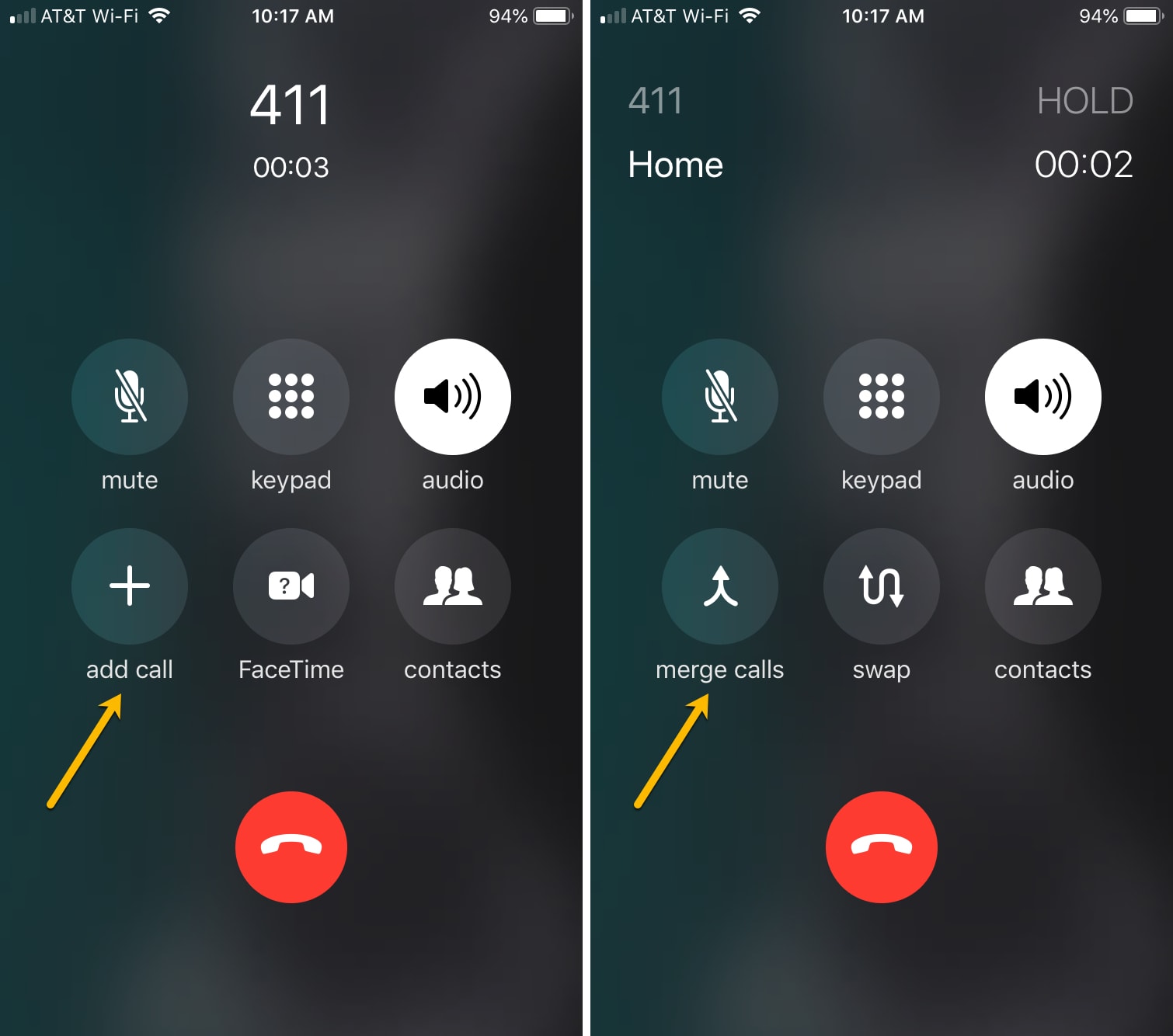
- Initiate the First Call: Dial the first destination number and establish a stable, active two-way conversation.
- Place the First Call on Hold: Trigger the hold function on your device or softphone interface, which sends a localized signaling pause without severing the RTP stream.
- Dial the Second Destination: Open a secondary line or enter the second telephone number and place the second call.
- Execute the Merge Command: Press the "Merge Calls," "Conference," or equivalent feature button on your user interface. This action signals the carrier switch or PBX to combine the two separate RTP streams into a single bridged conference session.
- Monitor Session Integrity: Verify that audio transmission is bi-directional between all parties and that no packet truncation or echo cancellation artifacts are disrupting the audio frequency bands.
Pros and Cons of Automated Call Bridging vs. Manual Conferencing
Evaluating the efficiency of connecting two calls requires analyzing technical reliability, administrative overhead, and infrastructure costs.
Operational Advantages of Automated Bridging Modern cloud-native telecommunication infrastructures allow automated API scripts to bridge calls instantaneously without manual user intervention, significantly reducing human error and connection failure rates in high-volume environments.
Limitations and Vulnerabilities Manual mobile 3-way calling depends heavily on local cellular signal strength. If either leg of the call experiences a temporary radio link failure, the entire bridged session can become unstable or drop entirely due to carrier-side timeout protocols.
- Pros:
- Enables seamless multi-party communication without dedicated hardware infrastructure.
- Modern codecs ensure high-definition (HD) audio quality across compatible networks.
- Cloud-based logging provides detailed call analytics, duration tracking, and session recording capabilities.
- Cons:
- Increased susceptibility to network jitter and latency if routing paths cross congested public peering points.
- Security risks such as toll fraud or unauthorized SIP trunk hijacking if endpoints lack proper encryption (SRTP/TLS).
- Potential compliance hurdles regarding call recording consent and data privacy regulations.
Troubleshooting Common Call Connection Failures
When two calls fail to link successfully, network administrators and end users typically encounter specific technical roadblocks. Addressing these issues requires systematic diagnostic steps.
- One-Way Audio Issues: Usually caused by a misconfigured Session Border Controller (SBC) or firewall blocking inbound UDP ports for RTP traffic. Verify that port forwarding and NAT traversal (STUN/TURN) settings are correctly implemented.
- Dropped Calls Upon Merging: Frequently results from codec mismatch between disparate carrier networks. Forcing a universal codec like G.711 or Opus across both endpoints often resolves the incompatibility.
- Excessive Echo or Latency: Stemming from poor acoustic isolation or routing packets through distant media servers. Ensure that regional media relay nodes are utilized to minimize geographic propagation delay.
Frequently Asked Questions
What happens technically when two phone calls are merged into one session?
When two calls are merged, a central media server or gateway links the independent RTP audio streams together, mixing the signals so all participants can hear and speak to each other simultaneously. The signaling layer updates session descriptions to reflect the multi-party topology.
Why do some bridged phone calls suffer from poor audio quality?
Poor audio quality usually stems from network jitter, packet loss, or incompatible audio codecs being forced to transcode in real-time across different telecommunication carrier boundaries.
Can two independent phone calls connect without a central server or carrier?
No, circuit-switched and IP telephony architectures require a central routing node, such as a carrier switch, PBX, or cloud softswitch, to handle the signaling handshake and exchange media packets between separate endpoints.
How does 5G technology improve the reliability of multi-party call connections?
5G standalone architecture provides lower latency, higher bandwidth, and network slicing capabilities, ensuring that signaling requests and media packets are prioritized even in congested cellular environments.
Is it secure to bridge sensitive conversations using standard mobile call merging?
Standard cellular 3-way calling is encrypted over the air interface, but enterprise environments requiring strict data security should utilize end-to-end encrypted VoIP solutions with secure SIP (SIPS) and SRTP protocols.
Optimizing Your Telecommunication Infrastructure
Deploying robust telephony solutions requires continuous monitoring of network performance, adherence to security best practices, and utilization of carrier-grade routing hardware. To upgrade your communication systems or consult on complex call routing architectures, contact our engineering team today to schedule a comprehensive network audit and infrastructure assessment.