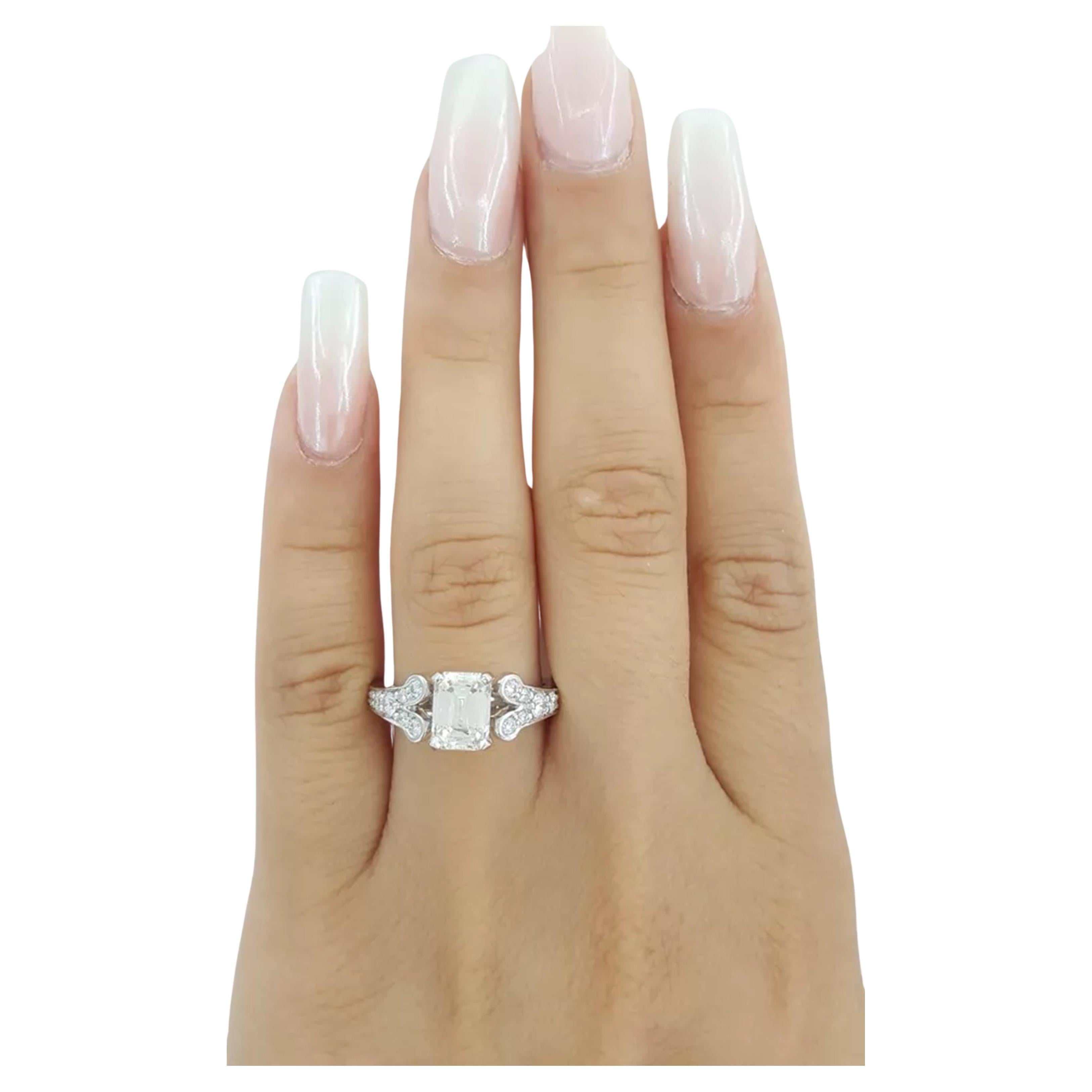
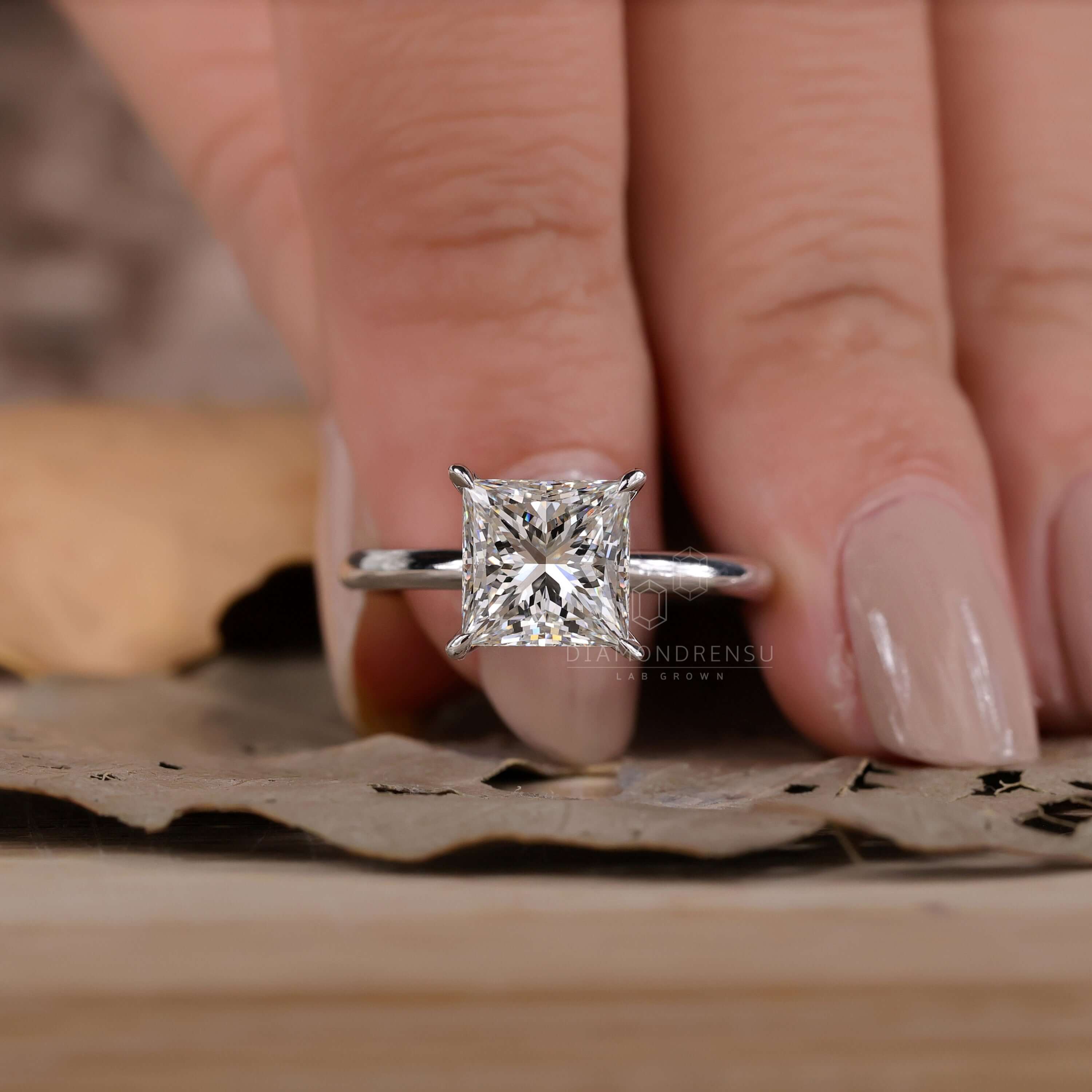
A two-carat princess cut real diamond ring set as a sparkling solitaire engagement jewelry piece marries modern geometric precision with classic, understated romance. Featuring a square or rectangular outline with sharp, pointed corners and brilliant-cut facets, this substantial center stone captures light dramatically while offering a contemporary alternative to traditional round brilliant designs.
Selecting an engagement ring involves balancing the foundational Four Cs—carat weight, cut, color, and clarity—alongside structural integrity, precious metal choices, and lifestyle suitability. A two-carat diamond sits comfortably in a weight class that commands visual presence without sacrificing everyday wearability, making the solitaire setting an enduring choice that maximizes the stone's natural brilliance.
Understanding the Anatomy of a Princess Cut Diamond
The princess cut is one of the most popular fancy diamond shapes, prized for its unique hybrid brilliance. Developed in the 1960s and 1980s, it combines the crown and pavilion faceting style of a round brilliant diamond with a distinct square or slightly rectangular pyramid silhouette. When evaluating a real diamond with a princess cut, buyers must look beyond standard weight metrics to appreciate how internal geometry influences light performance.
Unlike round diamonds, princess cuts possess four sharp 90-degree corners. These corners require specific setting styles, such as V-prongs, to protect them from chipping during daily wear. The interior of a quality princess cut typically features chevron patterns—either three or four rows of triangular and kite-shaped facets—which create a crushed-ice appearance or a bold, blocky flash of light depending on the cutter's precision.
Evaluating the 4 Cs for a 2 Carat Princess Cut
Purchasing a 2 carat diamond requires careful navigation of the Gemological Institute of America (GIA) grading scale. At the two-carat threshold, inclusions and color tints become significantly more visible to the naked eye than they would in smaller stones.
Color and Clarity Considerations
For color, a princess cut diamond traps color more intensely in its corners than a round stone. While colorless grades (D-F) offer absolute purity, near-colorless stones in the G-H range provide an excellent visual value without displaying noticeable warmth.
Clarity is equally critical for step-cut and brilliant square stones. Because the facet arrangement can either hide or highlight internal flaws, an eye-clean rating is essential. Many buyers find that VS1 or VS2 clarity grades offer the ideal balance, ensuring that inclusions remain invisible under standard 10x magnification without paying the premium associated with VVS or flawless stones.
The Significance of Cut Grade
Unlike round diamonds, major grading laboratories like the GIA do not assign a standardized overall cut grade to princess cuts. Consequently, buyers must evaluate polish, symmetry, and proportion metrics manually. An ideal depth percentage typically ranges between 65% and 75%, paired with a table percentage that maintains balanced light return across the face of the stone.
Why Choose a Solitaire Setting for High-Carat Diamonds?
The solitaire setting remains the definitive choice for engagement jewelry because it places 100% of the visual focus on the center diamond. By eliminating side stones or halo clusters, a solitaire mounting allows unobstructed entry of light from the sides and top, enhancing the fiery sparkle of a 2-carat gemstone.
| Setting Feature | Solitaire Advantages | Considerations |
|---|---|---|
| Visual Impact | Maximizes the apparent size and brilliance of the 2-carat center stone. | Relies entirely on the diamond's inherent quality and sparkle. |
| Maintenance | Easier to clean, inspect, and service due to minimal crevices. | Requires routine prong checks to ensure stone security. |
| Band Pairing | Sits flush with most straight wedding bands and custom wraps. | Can occasionally rotate on the finger if the ring size is too loose. |
| Metal Versatility | Compatible with platinum, yellow gold, white gold, and rose gold. | Color of the metal can influence the perceived color of the diamond. |
Beyond aesthetics, a solitaire ring offers practical engineering benefits. Fewer structural components mean fewer points of potential failure, and cleaning ultrasonic or home-solution baths is significantly simpler without micro-pavé stones trapping debris.
Comparing Precious Metals for Your Engagement Ring
The choice of metal frame dictates both the aesthetic warmth of the ring and its long-term durability. For a high-value 2-carat diamond ring, selecting the correct alloy is a foundational structural decision.
Platinum is the premier choice for hypoallergenic durability and secure prong holding. It develops a natural patina over time but never loses metal weight, making it exceptionally reliable for high-set solitaire designs. White gold offers a similar silvery appearance at a lower initial price point, though it requires periodic rhodium re-plating to maintain its bright white finish. Yellow and rose gold provide striking vintage or warm modern contrasts, particularly when paired with G-H color grades where the subtle metal warmth complements rather than clashes with the stone.
Practical Guidance for Sizing, Care, and Insurance
Owning a substantial piece of fine jewelry requires ongoing maintenance, careful sizing considerations, and formal protection against loss, theft, or damage.
Ensuring a Precise Fit
A 2-carat diamond top places physical weight on the finger, increasing the likelihood that the ring will tilt or spin if the fit is incorrect. Jewelers often recommend sizing the ring slightly snug or incorporating sizing beads or a European square shank to keep the solitaire upright during daily activities.
Ongoing Maintenance and Care
Professional inspections every six months ensure that the prongs holding the sharp corners of the princess cut remain tight and unbent. Home cleaning using warm water, mild dish soap, and a soft-bristled brush safely removes skin oils and lotions that dull diamond brilliance.
Securing Insurance Coverage
Independent appraisal documentation from a certified gemologist is mandatory for scheduling fine jewelry on a homeowners or renters insurance policy, or through specialized insurers. Coverage should account for replacement value rather than just purchase price to protect against market fluctuations.
Frequently Asked Questions
What makes a princess cut diamond look larger?
A princess cut can appear larger if it features a generous face-up surface area relative to its carat weight, combined with a shallow to medium depth percentage. Setting the stone in a fine, tapered prongs solitaire mounting also enhances its perceived visual expanse.
Are princess cut diamonds more fragile than round diamonds?
Yes, the four sharp 90-degree corners of a princess cut are natural stress points vulnerable to chipping if struck hard against a hard surface. Selecting a setting with V-prongs that hug and protect each corner significantly mitigates this structural vulnerability.
How do I verify that a diamond is real?
Verifying a real diamond requires checking its laser inscription against an independent grading report from the GIA or AGS using a jeweler's loupe. Professional testers also evaluate thermal conductivity and refractive index to distinguish natural diamonds from simulants like cubic zirconia or moissanite.
Can a solitaire setting hold a 2-carat stone securely?
A well-crafted solitaire setting securely holds a 2-carat stone provided the shank thickness is at least 2mm to 2.5mm and the prongs are forged from durable metals like platinum or 14k/18k gold. Regular prong checks by a professional jeweler ensure long-term security.
Is a GIA certificate necessary when buying a real diamond?
A GIA certificate provides an unbiased, scientifically rigorous evaluation of a diamond's Four Cs, protecting buyers from misrepresentation. Purchasing a certified stone guarantees that the stated specifications match the physical reality of the gem.
Securing Your Investment and Final Next Actions
When purchasing a 2 carat princess cut real diamond ring sparkling solitaire engagement jewelry, prioritize certified grading reports from recognized laboratories such as the GIA to verify authenticity and quality. Schedule a consultation with a reputable jeweler to examine the stone under magnification, verify the integrity of the corner prongs, and secure professional appraisal and insurance documentation immediately upon purchase to protect your investment.