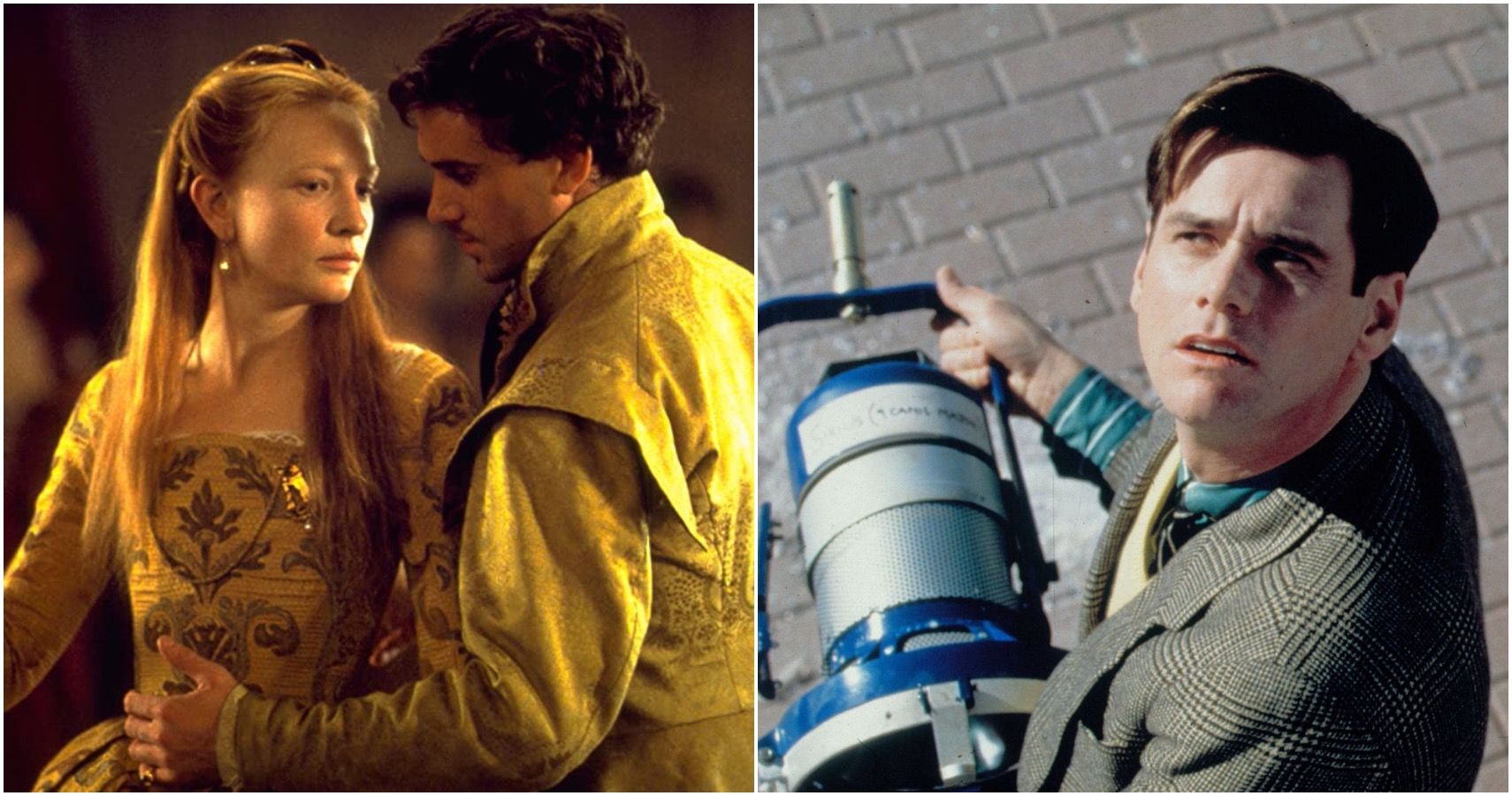
The 71st Academy Awards, honoring the best films of 1998, took place on March 21, 1999, at the Dorothy Chandler Pavilion in Los Angeles, California. Hosted by Whoopi Goldberg, the ceremony captured a transitional era in global cinema, highlighted by historic upsets, major studio victories, and fierce competition between traditional historical epics and independent romantic comedies.
Historical Context and Cultural Significance of the 71st Academy Awards
The cinematic landscape of 1998 reflected a distinct crossroads in Hollywood history. Traditional Hollywood studio filmmaking shared space with a rising, highly influential independent film movement that challenged conventional narrative structures, distribution models, and marketing strategies. The 1999 Oscar ceremony became the focal point of this tension, particularly illustrated by the aggressive campaign strategies employed by independent distributors like Miramax against established major studios.
Beyond individual film merits, the 71st Academy Awards captured public imagination through a blend of old-school glamour and contemporary cultural touchstones. Television broadcasts drew tens of millions of viewers worldwide, serving as a powerful economic engine for the film industry. The event cemented the reputations of emerging actors and directors while honoring veteran craftsmen whose careers spanned decades of technological and artistic evolution in motion pictures.
Major Categories and Historic Winners
The competition for the top categories at the 1999 Oscars remains among the most debated and scrutinized in modern cinema history. The Best Picture race pitted a sweeping historical romance against a contemporary independent comedy, creating a dramatic showdown on Oscar night.
The Best Picture Race and the Shakespearean Triumph
The primary storyline of the evening centered on the Best Picture category, where John Madden’s Shakespeare in Love triumphed over Steven Spielberg’s monumental World War II epic, Saving Private Ryan. While Saving Private Ryan secured early momentum by winning Best Director for Spielberg and dominating technical categories, Shakespeare in Love capitalized on late-voting momentum and a sophisticated campaign run by Miramax.
The following table outlines the nominees and winners in the major competitive categories at the 1999 Academy Awards:
| Category | Winner | Notable Nominees |
|---|---|---|
| Best Picture | Shakespeare in Love | Elizabeth, Life Is Beautiful, Saving Private Ryan, The Thin Red Line |
| Best Director | Steven Spielberg (Saving Private Ryan) | Roberto Benigni (Life Is Beautiful), John Madden (Shakespeare in Love), Terrence Malick (The Thin Red Line), Peter Weir (The Truman Show) |
| Best Actor | Roberto Benigni (Life Is Beautiful) | Tom Hanks (Saving Private Ryan), Ian McKellen (Gods and Monsters), Nick Nolte (Affliction), Edward Norton (American History X) |
| Best Actress | Gwyneth Paltrow (Shakespeare in Love) | Cate Blanchett (Elizabeth), Fernanda Montenegro (Central Station), Meryl Streep (One True Thing), Emily Watson (Hilary and Jackie) |
| Best Supporting Actor | James Coburn (Affliction) | Robert Duvall (A Civil Action), Ed Harris (The Truman Show), Geoffrey Rush (Shakespeare in Love), Billy Bob Thornton (A Simple Plan) |
| Best Supporting Actress | Judi Dench (Shakespeare in Love) | Kathy Bates (Primary Colors), Brenda Blethyn (Little Voice), Rachel Gleeson (One True Thing), Lynn Redgrave (Gods and Monsters) |
Examining Key Performances and Artistic Achievements
The acting categories of the 1999 Oscars celebrated international diversity and powerful character studies. Roberto Benigni’s victory for Life Is Beautiful stands out as a historic moment. Winning both Best Actor and Best Foreign Language Film for the Italian tragicomedy, Benigni famously expressed his joy by climbing over auditorium seats to reach the stage, creating one of the most memorable unscripted moments in television history.
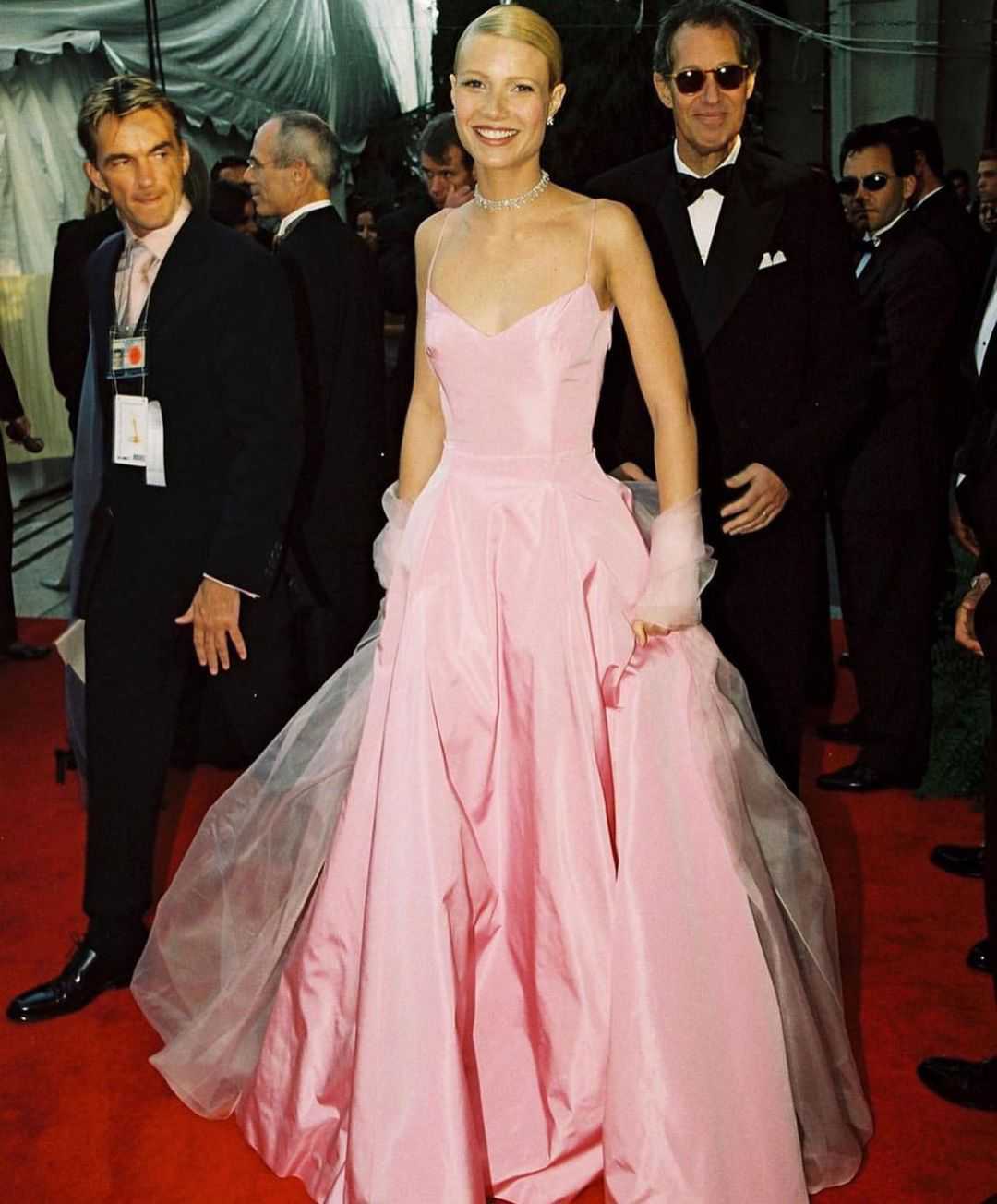
In the Best Actress category, Gwyneth Paltrow secured the trophy for her portrayal of Viola de Lesseps in Shakespeare in Love, delivering an emotional acceptance speech that acknowledged her peers and family. Meanwhile, veteran actors James Coburn and Judi Dench claimed the supporting acting honors. Judi Dench’s win was particularly notable given her commanding performance as Queen Elizabeth I, achieved despite having a mere eight minutes of total screen time in the film.
Technical Excellence and Craft Categories
While the major awards commanded media headlines, the technical and craft categories highlighted the immense labor and artistic vision required to bring 1998's cinematic worlds to life. Saving Private Ryan dominated these fields, capturing awards for Best Cinematography (Janusz Kamiński), Best Film Editing (Michael Kahn), Best Sound, Best Sound Effects Editing, and Best Art Direction.
The meticulous historical reconstruction in films like Elizabeth earned recognition for Best Makeup, while costume design honors went to Shakespeare in Love for its vibrant, period-accurate wardrobe. These technical triumphs demonstrated the growing sophistication of visual storytelling at the close of the 20th century, setting new standards for immersion and historical authenticity in filmmaking.
Controversies and Long-Term Legacy of the 1999 Ceremony
Every Academy Awards ceremony generates post-event analysis, but the 1999 broadcast left a particularly lasting imprint on film industry practices. The victory of Shakespeare in Love over Saving Private Ryan frequently surfaces in retrospectives regarding Academy voting trends, studio politics, and aggressive Oscar campaign spending. Film historians often cite this matchup as a turning point that changed how studios market prestige pictures, proving that strategic campaigning could outweigh box-office dominance and critical consensus.
Despite the debates surrounding the Best Picture outcome, the 1999 Oscars preserved a diverse snapshot of late-20th-century cinema. The ceremony honored international breakthroughs, gave voice to independent artistic visions, and celebrated technical innovation. Decades later, the films and personalities of the 71st Academy Awards continue to serve as a benchmark for excellence in the entertainment industry.
Frequently Asked Questions About the 1999 Oscars
Who hosted the 1999 Oscars ceremony?
Whoopi Goldberg hosted the 71st Academy Awards in 1999. This marked her third time hosting the prestigious ceremony, guiding the broadcast through a mix of humor, musical numbers, and smooth transitions between competitive categories.
Which film won Best Picture at the 1999 Oscars?
Shakespeare in Love won the Academy Award for Best Picture at the 1999 ceremony. Directed by John Madden and co-written by Marc Norman and Tom Stoppard, the romantic comedy-drama beat several strong contenders, including Steven Spielberg's Saving Private Ryan.
Why was Roberto Benigni's Best Actor win historic?
Roberto Benigni won Best Actor for Life Is Beautiful, making him one of the few actors to win the category for a non-English speaking performance. Additionally, his film became a rare international feature to secure multiple major competitive wins outside the dedicated foreign language category.
How many Academy Awards did Saving Private Ryan win?
Saving Private Ryan won five Academy Awards out of its eleven nominations at the 1999 ceremony. The film dominated the technical categories, securing wins for cinematography, film editing, sound, sound effects editing, and directing for Steven Spielberg.
Where did the 71st Academy Awards take place?
The 71st Academy Awards ceremony was held at the Dorothy Chandler Pavilion in Los Angeles, California. The venue served as the primary home for the Academy Awards for many years before the ceremony eventually moved permanently to the Dolby Theatre in Hollywood.
Planning Cinematic Retrospectives and Research
For researchers, film students, and enthusiasts looking to explore the works honored at the 71st Academy Awards, the most effective approach involves studying both the winning films and their contemporary nominees as a cohesive cultural package. Accessing restored physical media editions or authorized digital streaming platforms ensures viewers experience these motion pictures in their correct aspect ratios and original sound mixes. Reviewing original trade publications from early 1999 also provides invaluable context regarding the industry climate, critical reception, and marketing campaigns that defined this pivotal moment in film history.