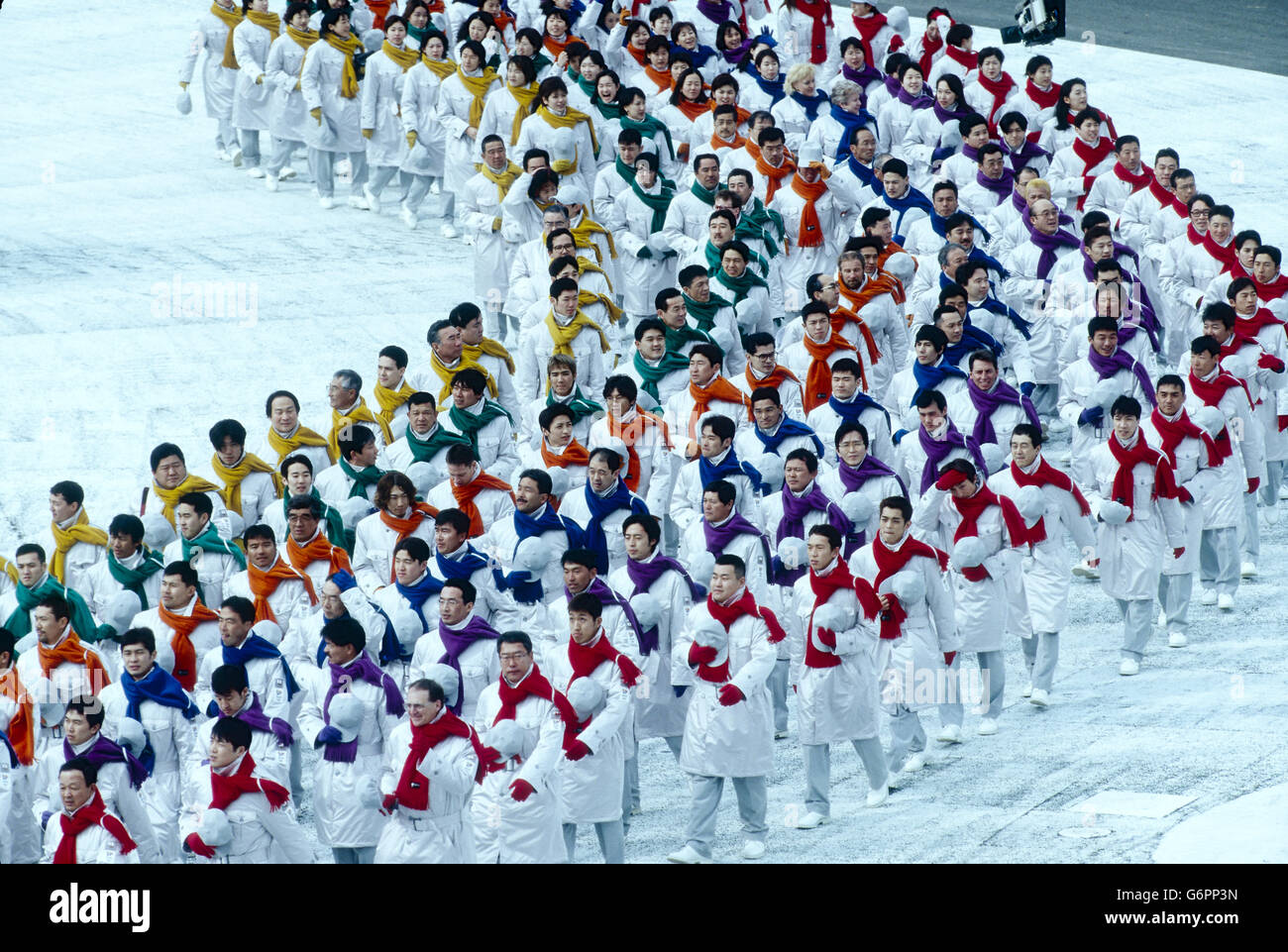
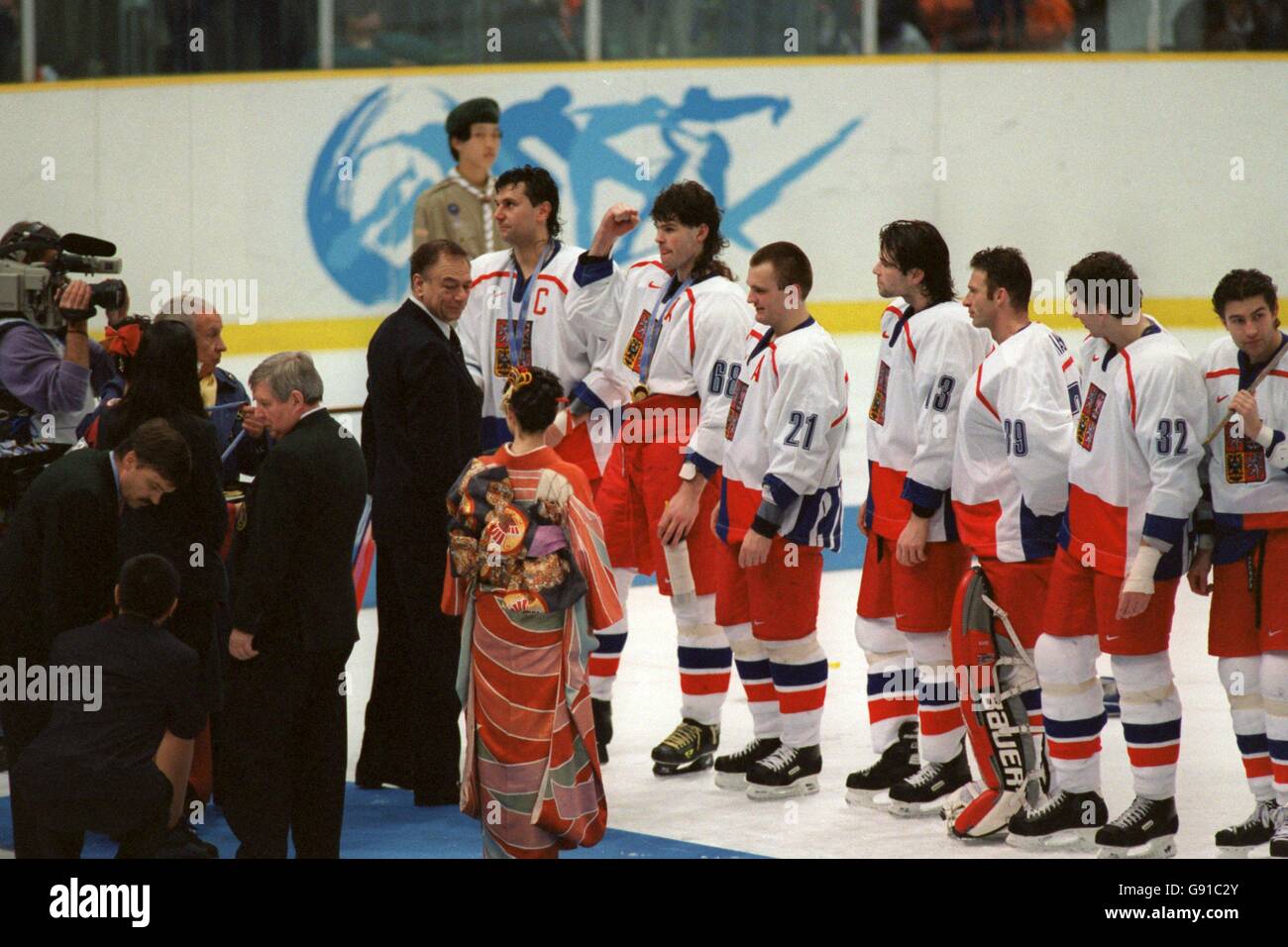
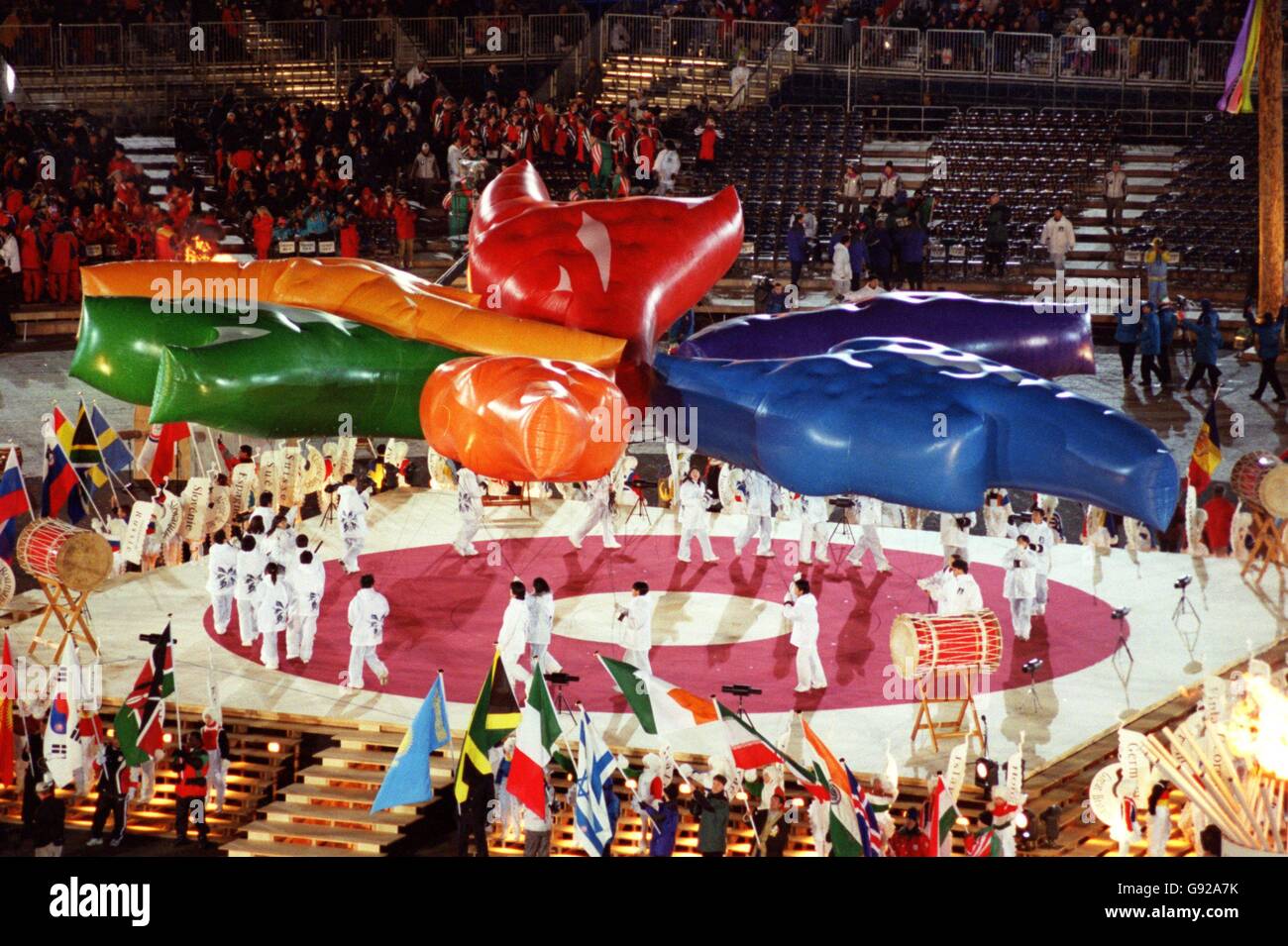
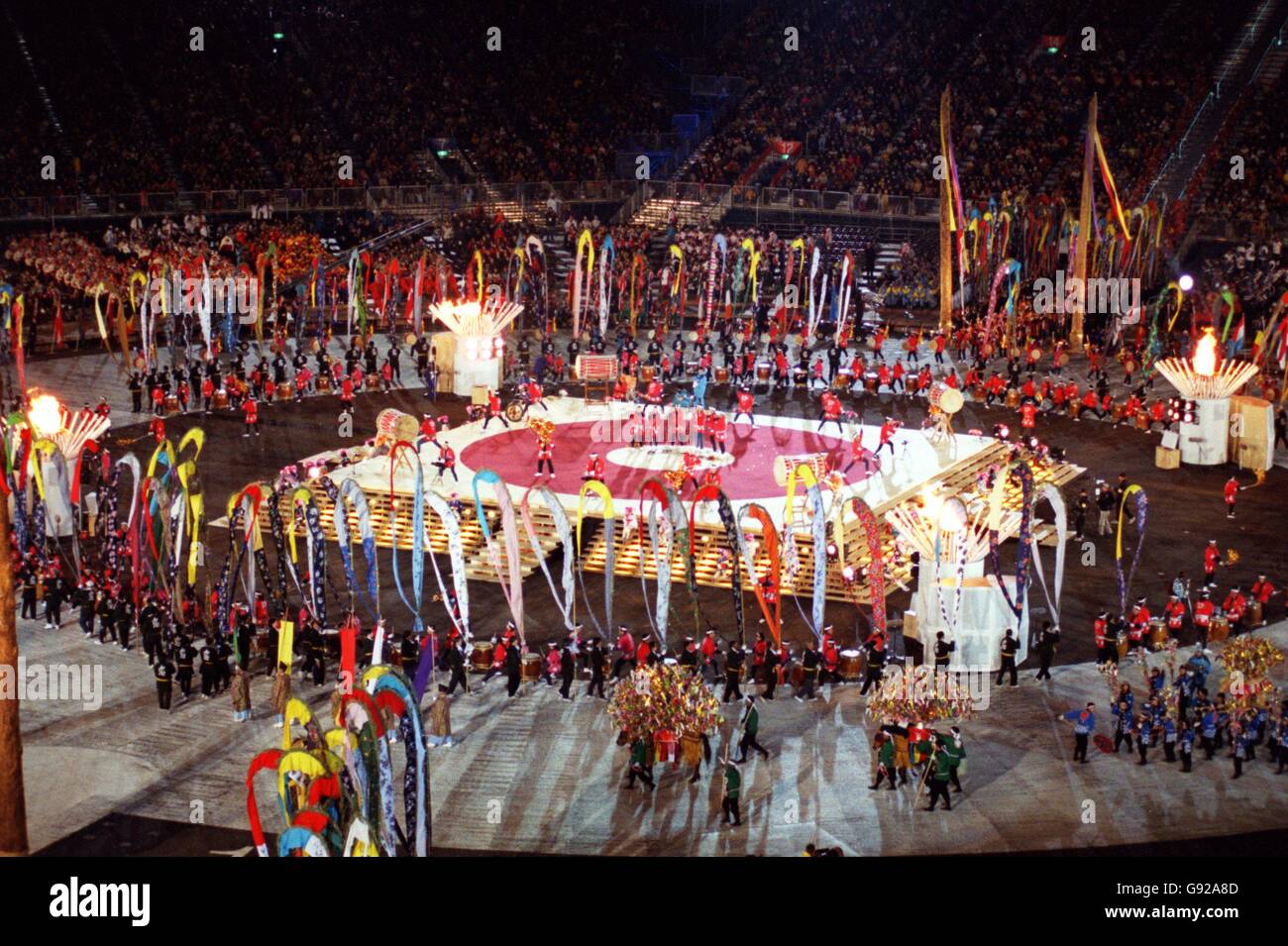
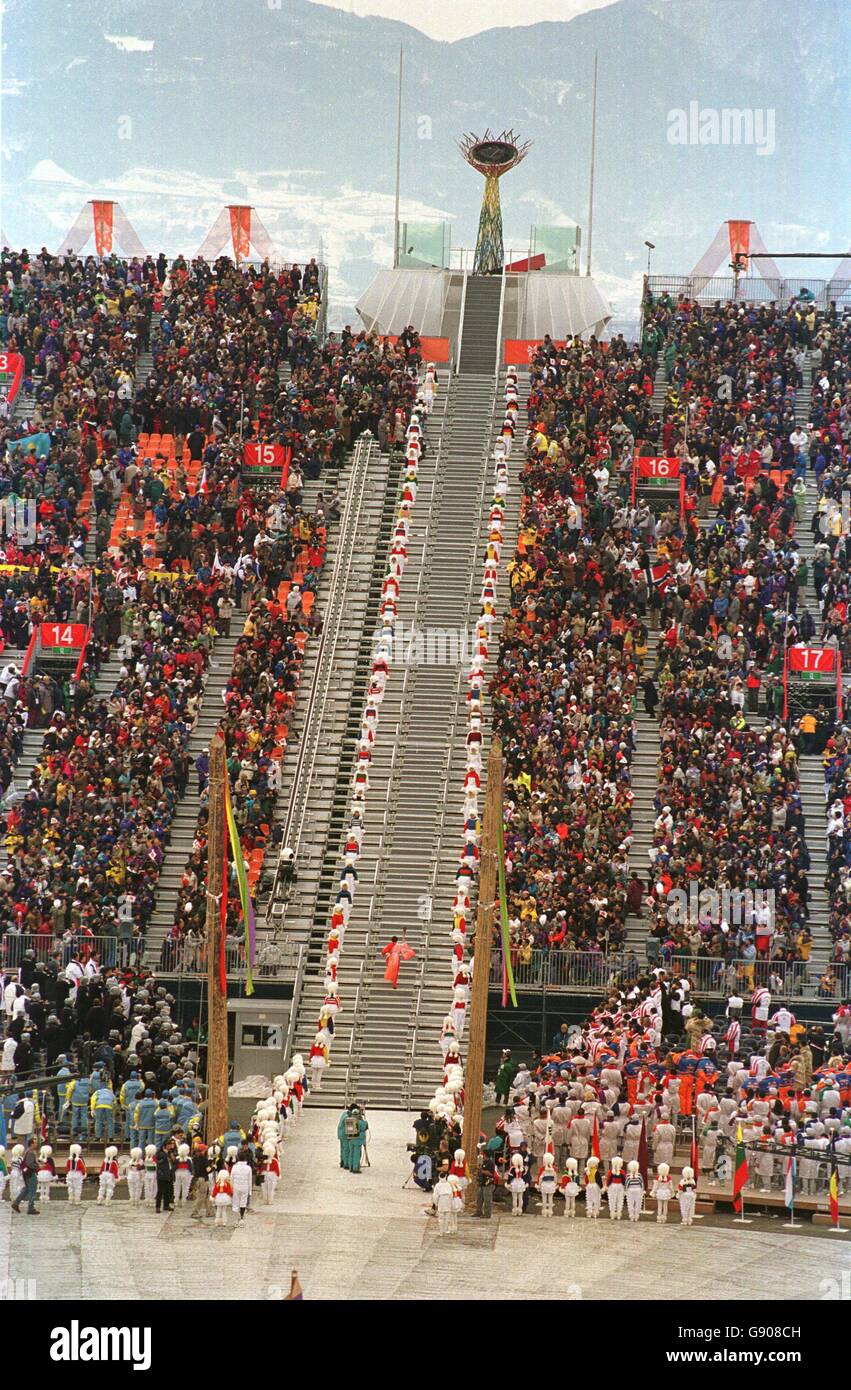
The 1998 Winter Olympics, officially known as the XVIII Olympic Winter Games, took place in Nagano, Japan, from February 7 to February 22, 1998. These Games marked a major milestone in modern Olympic history by introducing snowboarding and women's ice hockey to the official program, expanding global broadcast reach, and highlighting environmental themes that reshaped how future host cities planned large-scale international sporting events.
Background and Selection of Nagano
The journey to the 1998 Winter Olympics began decades prior to the opening ceremony. Nagano, located in the mountainous region of Japan's Chūbu region, positioned itself as an ideal host by emphasizing traditional Japanese culture alongside modern technological capabilities. The city secured the hosting rights during the 97th International Olympic Committee (IOC) Session in Birmingham, United Kingdom, in June 1991, narrowly defeating Salt Lake City, United States, and Östersund, Sweden, in the final voting rounds.
Nagano's bid capitalized on the success of the 1964 Tokyo Summer Olympics and the 1972 Sapporo Winter Olympics, reassuring the international community of Japan's organizational prowess and infrastructure reliability. However, hosting the Games in a mountainous region with fragile ecosystems presented unique logistical and environmental challenges. Planners had to balance the construction of high-speed transportation networks with the preservation of surrounding national parks and wildlife habitats.
Venue Development and Infrastructure
Preparing for the influx of athletes, media, and spectators required extensive civil engineering projects. The most transformative infrastructure upgrade was the completion of the Nagano Shinkansen (now the Hokuriku Shinkansen line), which reduced travel time between Tokyo and Nagano to under 90 minutes. This high-speed rail connection not only served the Olympic crowds efficiently but also integrated Nagano permanently into Japan's economic and tourism core.
Venues were dispersed across Nagano City and surrounding mountain towns such as Hakuba, Yamanouchi, and Nozawa Onsen. Balancing athletic requirements with ecological preservation dictated innovative architectural designs. For example, the M-Wave speed skating arena utilized a suspension roof structure and local timber to minimize environmental impact while providing optimal indoor ice conditions. Similarly, the Hakuba Jump Arena and the Happo-One ski slopes were engineered to protect indigenous flora and fauna, setting new standards for sustainable venue construction in alpine environments.
New Sports and Program Innovations
The Nagano Games witnessed a generational shift in winter sports programming, welcoming disciplines that resonated strongly with younger audiences and modern athletic trends. Most notably, snowboarding made its Olympic debut with giant slalom and halfpipe events, signaling a cultural pivot for the Winter Games toward action sports. Canadian Ross Rebagliati won the inaugural gold medal in men's giant slalom—a victory temporarily overshadowed by a disputed cannabis disqualification that was swiftly overturned by the Court of Arbitration for Sport.
| Sport / Discipline | Year Introduced to Winter Olympics | Key Debut Events |
|---|---|---|
| Snowboarding | 1998 | Giant Slalom, Halfpipe (Men's and Women's) |
| Women's Ice Hockey | 1998 | Women's Tournament (Won by Team USA) |
| Curling | 1998 (Official Return) | Men's and Women's Tournaments |
Women's ice hockey also joined the official Olympic program in Nagano, elevating the profile of women's team sports on the global stage. The United States captured the inaugural gold medal by defeating arch-rival Canada in a fiercely contested final. Furthermore, curling returned to the official Olympic schedule for the first time since 1924, attracting enthusiastic crowds and broad television audiences who embraced the tactical complexity of the sport.
Memorable Athletic Achievements and Moments
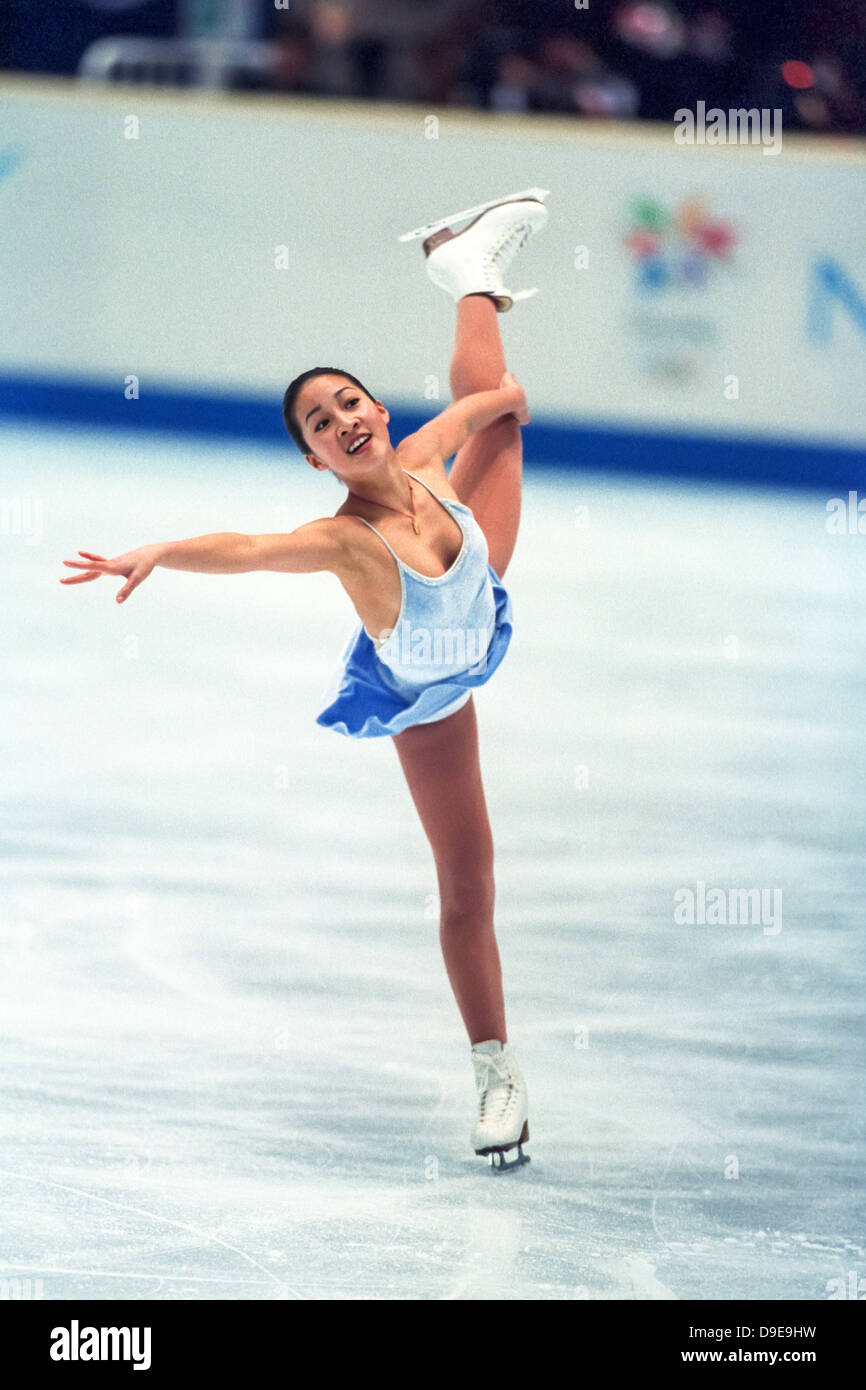
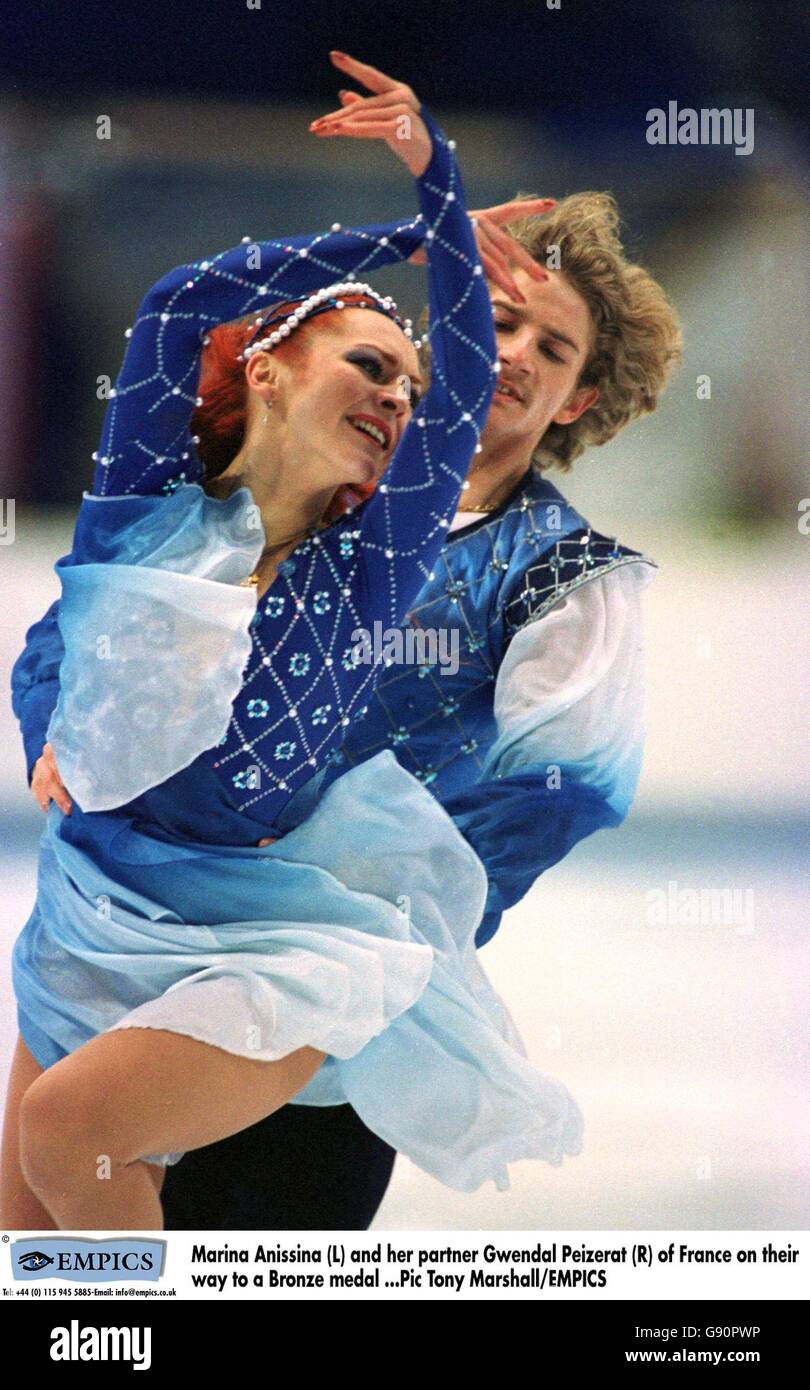
Beyond new disciplines, the 1998 Winter Olympics produced legendary athletic performances that remain central to Olympic lore. In figure skating, American Tara Lipinski, at just 15 years old, captured the gold medal in the women's singles event, narrowly defeating her compatriot and reigning world champion Michelle Kwan by executing a technically dazzling free skate featuring triple loop-triple loop combinations.
Alpine skiing witnessed the enduring brilliance of Austrian skier Hermann Maier. Just days after suffering a horrifying, high-speed crash during the downhill event—where he flew off the course and through two layers of safety netting—Maier returned to the slopes to win gold medals in both the super-G and giant slalom. His improbable recovery and subsequent dominance earned him the moniker "The Herminator" and cemented his status as a legendary figure in alpine skiing history.
In cross-country skiing, Bjørn Dæhlie of Norway cemented his legacy by capturing three gold medals in Nagano, bringing his career total to eight Olympic gold medals and twelve overall medals. His endurance and consistency across multiple distances established him as one of the most successful Winter Olympians of all time.
Environmental Initiatives and the "Green Olympics"
The Nagano Organizing Committee (NAOC) promoted the 1998 Games as the "Green Olympics," integrating environmental stewardship into every facet of event planning. This initiative was heavily influenced by the growing international awareness of climate change and ecological conservation following the 1992 Earth Summit in Rio de Janeiro.
NAOC implemented comprehensive recycling programs, utilized renewable energy sources for venue operations where feasible, and restricted automobile access to certain mountain venues, relying instead on hybrid and electric shuttle buses. Environmental monitoring groups evaluated the construction of the sliding center and alpine ski runs to ensure minimal disruption to native serow populations and old-growth forests. While critics pointed out that large-scale construction inevitably alters local landscapes, Nagano's explicit focus on sustainability established a vital benchmark, compelling future host cities to adopt formal environmental charters.
Economic Impact and Legacy
The financial footprint of the 1998 Winter Olympics was substantial, reflecting both the benefits of modernization and the financial burdens common to mega-events. The total cost of hosting the Games reached approximately $10 billion, driven largely by transportation infrastructure and venue construction. While some facilities generated long-term utility for local communities and national athletic training programs, others faced significant maintenance costs in the post-Olympic era.
The most enduring legacy of Nagano 1998 lies in regional connectivity and tourism. The Shinkansen rail line permanently transformed Nagano into an accessible weekend destination for Tokyo residents and an international hub for winter sports enthusiasts traveling from North America, Europe, and neighboring Asian nations. The venues, including the Aqua Wing indoor pool and the M-Wave speed skating arena, transitioned into multi-purpose community centers, ensuring that the physical capital invested for the two-week event continued to serve the public decades later.
Frequently Asked Questions
When and where did the 1998 Winter Olympics take place?
The 1998 Winter Olympics took place in Nagano, Japan, running from February 7 through February 22, 1998. The region hosted various events across Nagano City and nearby mountain municipalities like Hakuba and Yamanouchi.
Which new sports made their debut at the 1998 Winter Olympics?
Snowboarding and women's ice hockey made their official Olympic debuts in Nagano. Additionally, curling returned to the official Olympic program for the first time since 1924.
Who won the most gold medals at the 1998 Winter Games?
Germany led the overall medal table at the Nagano Olympics, capturing 29 total medals, including 12 golds, 9 silvers, and 8 bronzes, followed closely by Norway and Russia.
How did Nagano promote environmental sustainability during the Games?
Nagano marketed the event as the "Green Olympics" by implementing strict waste recycling protocols, restricting private vehicle access to mountain venues in favor of low-emission buses, and designing alpine facilities to protect local ecosystems.
What was the economic and infrastructural legacy of the Nagano Olympics?
The primary lasting infrastructure legacy was the construction of the Nagano Shinkansen high-speed rail line, which drastically reduced travel time between Tokyo and Nagano and boosted regional tourism and commerce.
Maximizing Historical Understanding of Nagano 1998
To gain a comprehensive understanding of the 1998 Winter Olympics, researchers and sports historians should examine official IOC reports, archival broadcast footage, and urban planning case studies from the host prefecture. Analyzing how Nagano balanced rapid infrastructural modernization with ecological preservation provides valuable insights into the evolution of international sporting events. Reviewing archival records of the cultural exchange programs implemented during the Games also highlights the diplomatic and community-building dimensions that define the modern Olympic movement.