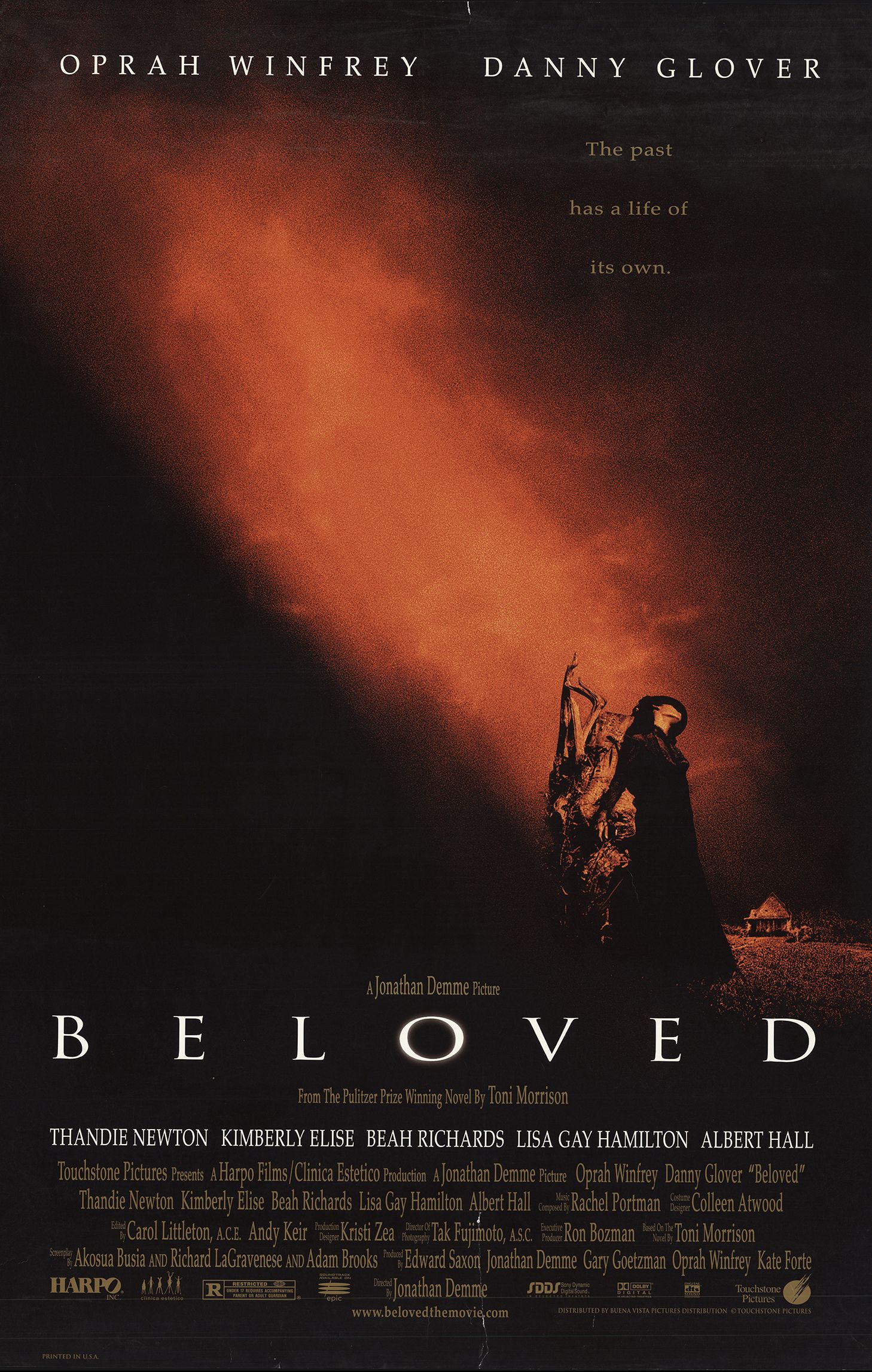
The year 1998 stands as a transformative milestone in cinema history, characterized by a unique collision of bold original storytelling, massive technical innovation, and shifting studio paradigms. While major Hollywood studios refined the blockbuster model with high-concept disaster pictures and groundbreaking computer-generated imagery, independent cinema experienced a massive creative boom. Landmark releases from this twelve-month period redefined genres, vaulted emerging auteurs into international prominence, and established enduring cultural touchstones that continue to influence filmmaking practices, narrative structures, and distribution models today.
Defining Characteristics of 1998 Cinema
To understand why the 1998 film slate remains intensely scrutinized and celebrated by historians and cinephiles, one must examine the broader industrial and artistic currents of the era. The late 1990s represented a bridge between traditional analog production techniques and the digital revolution. While films were still predominantly shot on physical 35mm celluloid, post-production workflows, visual effects, and digital editing suites were rapidly evolving. This technological shift coincided with a rare willingness among major Hollywood financiers to back risky, mid-budget original scripts that would struggle to secure greenlights in contemporary, IP-driven studio environments.
Furthermore, the global market for cinema was expanding rapidly. International box office receipts began to play an increasingly decisive role in studio greenlight decisions, prompting a subtle shift toward high-concept narratives with universal visual appeal. Simultaneously, the burgeoning home video market—led by the widespread adoption of the DVD format—created new revenue streams that justified bolder investments in ambitious, visually arresting projects. Consequently, 1998 birthed a diverse array of motion pictures that successfully balanced commercial viability with uncompromising artistic vision.
Landmark Blockbusters and Technical Innovations
Large-scale studio releases in 1998 pushed the boundaries of practical effects and computer-generated imagery, reshaping audience expectations for spectacle. Studios poured unprecedented capital into disaster epics, science fiction adventures, and historical dramas. Michael Bay’s Armageddon and Mimi Leder’s Deep Impact capitalized on public fascination with cosmic catastrophes, utilizing elaborate miniatures and cutting-edge digital composites to depict global destruction on a scale previously unseen.
Simultaneously, the genre of action cinema underwent a significant stylistic evolution. Films released during this period began incorporating faster editing rhythms, complex wire-fu choreography imported from international markets, and immersive sound designs enabled by newly standardized digital audio formats. These technical advancements laid the groundwork for the hyper-kinetic action aesthetics that would dominate multiplexes throughout the subsequent decade, forever changing how spatial orientation and kinetic energy were communicated on screen.
The Independent Film Boom and Genre Subversion
Away from the tentpole studio system, the 1998 independent film landscape experienced an unprecedented renaissance. Buoyed by the critical and commercial momentum of the early-to-mid 1990s indie boom, distributors such as Miramax, Fine Line Features, and October Films aggressively acquired and marketed idiosyncratic projects. This environment allowed filmmakers to subvert traditional narrative structures and explore taboo psychological themes with rare candor.
Psychological thrillers, neo-noirs, and satirical comedies found eager audiences among demographic shifts favoring cynical, self-aware storytelling. Movies like The Big Lebowski and Fear and Loathing in Las Vegas embraced absurdist counterculture, while tighter, character-driven dramas explored alienation, obsession, and moral decay. This dichotomy between pristine studio escapism and gritty independent realism defined the cultural dialogue of the year, ensuring that cinematic output catered to a wide spectrum of critical tastes.
Comparative Overview of Notable 1998 Releases
To appreciate the sheer diversity of the era's output, it is helpful to examine how different segments of the industry approached storytelling, production scale, and audience engagement. The following table contrasts key representative films across distinct categories from that year.
| Film Title | Primary Genre | Production Type | Defining Characteristic |
|---|---|---|---|
| Saving Private Ryan | War / Epic | Major Studio | Pioneered hyper-realistic battle choreography and shutter-angle manipulation. |
| The Truman Show | Satirical Comedy / Sci-Fi | Major Studio | Prescient exploration of media saturation, surveillance, and reality television. |
| The Big Lebowski | Crime / Comedy | Independent / Studio Specialty | Elevated idiosyncratic character comedy into a lasting cultural phenomenon. |
| Rushmore | Comedy / Drama | Independent | Solidified the distinct visual and narrative aesthetic of auteur-driven indie cinema. |
| The Thin Red Line | Philosophical War | Major Studio / Independent Financing | Subverted traditional war film tropes in favor of lyrical, existential introspection. |
Cultural Legacy and Long-Term Impact
The cultural footprint of 1998 cinema extends far beyond initial box office tallies and awards season accolades. Many titles released during this window introduced narrative tropes and visual grammars that modern filmmakers continue to borrow, deconstruct, and re-contextualize. For instance, the psychological twists popularized in late-90s thrillers permanently altered how audiences approach narrative reliability and twist endings in contemporary screenwriting.
Moreover, the commercial performance of these films established economic templates for franchise management and ancillary merchandising. As physical home media collections expanded in households worldwide, studios realized that a film’s theatrical run was merely the first phase of its revenue lifecycle. This realization accelerated the institutional focus on high-repeat-value features, cult classic cultivation, and comprehensive director's cuts that persists in modern streaming and digital distribution ecosystems.
Strategic Approaches to Studying 1998 Cinema
For researchers, screenwriters, and film historians seeking to analyze the cinematic output of 1998, adopting a structured analytical framework yields the most comprehensive insights. Analyzing this era requires looking past surface-level nostalgia to evaluate structural, economic, and technical factors.
- Examine Production Contexts: Research the financing models behind individual projects to understand how independent studios competed against vertically integrated media conglomerates.
- Analyze Technological Transitions: Observe how the coexistence of physical film stock and early digital manipulation impacted cinematography, lighting choices, and editing pacing.
- Evaluate Genre Hybrids: Identify how filmmakers blended traditional genres—such as pairing historical war epics with intimate philosophical inquiries—to capture shifting cultural moods.
- Assess Reception Evolution: Contrast contemporary critical reviews with retrospective re-evaluations to see how audience appreciation and cultural relevance have shifted over time.
Frequently Asked Questions
What made the 1998 film industry uniquely significant compared to adjacent years?
The year 1998 uniquely combined a massive surge in original, high-budget studio concepts with an intensely creative independent film movement. It occurred at a critical technical crossroads just before digital distribution and non-linear editing completely overhauled production pipelines, allowing practical craftsmanship to merge seamlessly with early digital innovation.
Were there any major box office disappointments in 1998 that later became classics?
Several films that underperformed or polarized audiences upon initial release have since achieved revered status. Cult favorites and critically reassessed titles from this slate often found their true audiences and financial profitability through the home video and DVD markets in the early 2000s.
How did visual effects evolve during the 1998 film slate?
Visual effects in 1998 served as a hybrid medium. While computer-generated imagery was becoming increasingly sophisticated for creating digital environments and fantastical elements, filmmakers heavily relied on physical miniatures, animatronics, and in-camera optical illusions to maintain tactile realism and grounding.
What role did independent film distributors play in 1998?
Independent distributors acted as vital incubators for risk-taking cinema. By championing non-traditional narratives, unconventional protagonists, and distinct directorial voices, these companies expanded the boundaries of commercial storytelling and proved that mid-budget auteur projects could achieve both critical acclaim and financial viability.
How do modern streaming platforms treat 1998 cinematic releases?
Streaming libraries frequently spotlight 1998 releases because the era represents a golden era of recognizable, highly rewatchable catalog titles. These films bridge the gap between classic Hollywood structures and modern pacing, making them perennial favorites for contemporary audiences seeking sophisticated narrative entertainment.
Navigating and Preserving Cinematic History
Engaging with the films of 1998 requires a deliberate effort to view them within their precise historical and technological context. Whether studying the mechanics of large-scale studio filmmaking or exploring the daring risks taken by independent auteurs, contemporary viewers and scholars can gain profound insights into the evolution of modern visual culture. To deepen your appreciation, seek out original theatrical cuts, explore documentary features detailing the production hurdles of the era, and examine how these enduring works continue to shape the contemporary media landscape.