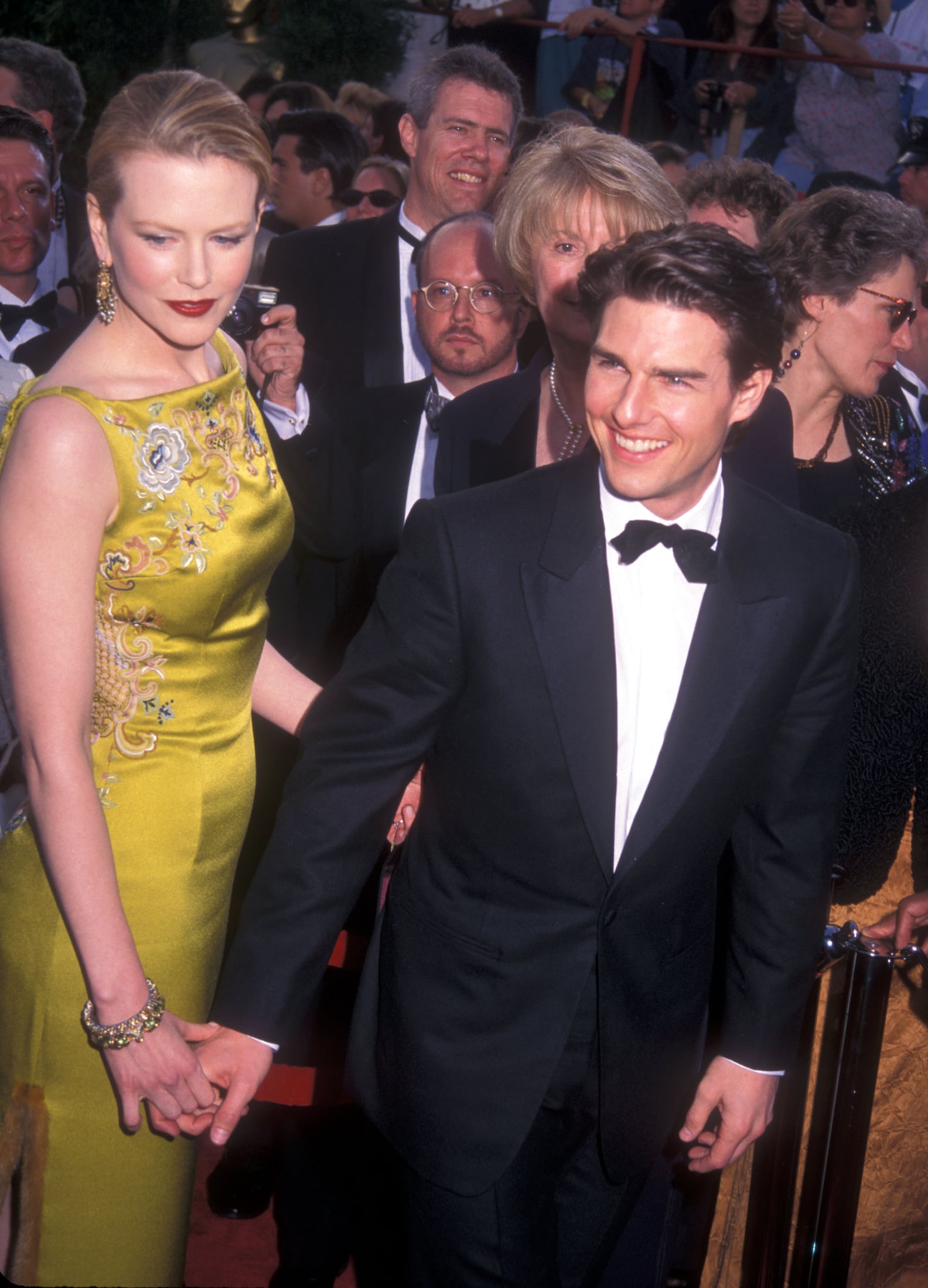
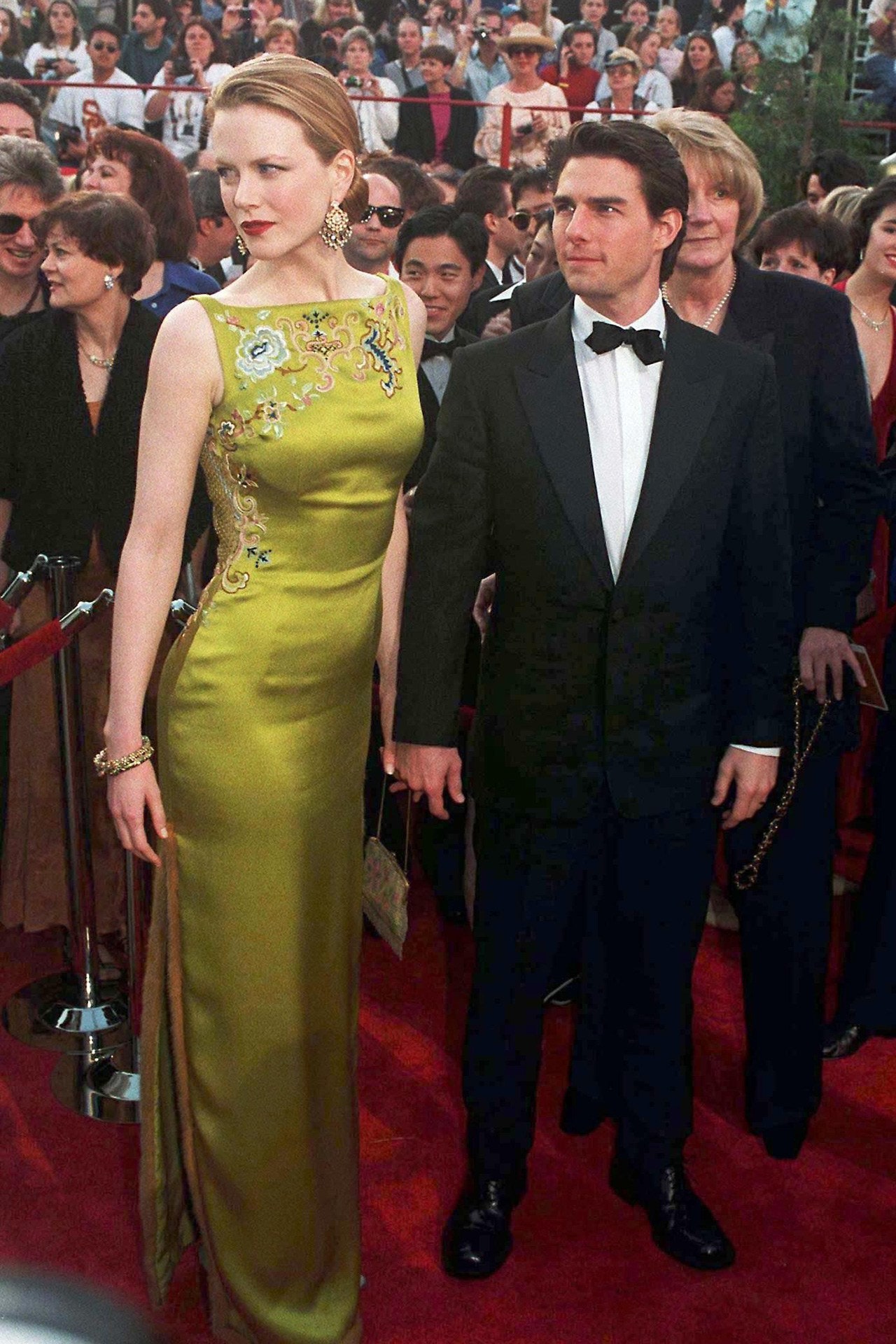
The 69th Academy Awards ceremony, honoring the best films of 1996, took place on March 24, 1997, at the Shrine Auditorium in Los Angeles, California. Hosted by Billy Crystal, the event was a defining milestone for independent cinema, international filmmaking breakthroughs, and historic competitive sweeps that reshaped the Hollywood landscape of the late 20th century.
Historical Context and Cultural Landscape of the 1997 Oscars
The mid-1990s represented a fascinating transitional era for the American motion picture industry. Traditional studio blockbusters competed directly with a surging independent film movement that had gained major commercial and critical momentum over the prior half-decade. The 1997 Oscars captured this tension perfectly, bridging the gap between high-budget Hollywood spectacles and gritty, low-budget regional dramas.
Held at the sprawling Shrine Auditorium rather than the traditional Dorothy Chandler Pavilion, the telecast embraced a grander, more theatrical staging. Billy Crystal returned as master of ceremonies for his fifth hosting stint, delivering his signature opening musical number that incorporated nominees into popular cultural touchstones of the day. Beyond the pageantry, the cultural weight of the ceremony rested heavily on how the Academy would balance honoring traditional studio prestige against the rising tide of alternative, creator-driven cinema championed by specialty divisions like Miramax and October Films.
The Dominance of The English Patient
The defining narrative of the evening belonged to Anthony Minghella’s sweeping romantic drama The English Patient. Distributed by Miramax, the film entered the night tied for the most nominations with a staggering 12 nods, ultimately converting nine of them into wins. This historic performance made it one of the most decorated pictures in Academy Awards history up to that point.
The film secured victories in major categories including Best Picture, Best Director for Minghella, Best Supporting Actress for Juliette Binoche, Best Original Dramatic Score for Gabriel Yared, Best Cinematography for John Seale, Best Art Direction, Best Sound, Best Film Editing, and Best Costume Design. Its victory underscored the Academy’s enduring appetite for epic, visually sumptuous period romances executed on a grand scale. By balancing sweeping desert landscapes with intimate wartime flashbacks, The English Patient set a high-water mark for prestige filmmaking in the closing years of the twentieth century.
Major Category Winners and Nominees
While The English Patient dominated the technical and overarching categories, the acting and writing races featured intense competition across a diverse slate of nominees. The evening recognized breakthrough performances that have since achieved classic status alongside legendary actors at the height of their powers.
Geoffrey Rush captured the Best Actor award for his harrowing, transformative portrayal of pianist David Helfgott in Shine, prevailing over Tom Cruise (Jerry Maguire), Ralph Fiennes (The English Patient), Woody Harrelson (The People vs. Larry Flynt), and Billy Bob Thornton (Sling Blade). In the Best Actress race, Frances McDormand claimed victory for her iconic, understated performance as pregnant police chief Marge Gunderson in the Coen brothers' crime classic Fargo.
| Award Category | Winner | Film | Notable Nominees | | :--- | :--- | :--- | :--- | | Best Picture | *The English Patient* | *The English Patient* | *Fargo*, *Jerry Maguire*, *Secrets & Lies*, *Shine* | | Best Director | Anthony Minghella | *The English Patient* | Joel Coen (*Fargo*), Miloš Forman (*The People vs. Larry Flynt*), Mike Leigh (*Secrets & Lies*), Scott Hicks (*Shine*) | | Best Actor | Geoffrey Rush | *Shine* | Tom Cruise (*Jerry Maguire*), Ralph Fiennes (*The English Patient*), Billy Bob Thornton (*Sling Blade*) | | Best Actress | Frances McDormand | *Fargo* | Brenda Blethyn (*Secrets & Lies*), Diane Keaton (*Marvin's Room*), Kristin Scott Thomas (*The English Patient*), Emily Watson (*Breaking the Waves*) | | Best Supporting Actor | Cuba Gooding Jr. | *Jerry Maguire* | William H. Macy (*Fargo*), Edward Norton (*Primal Fear*), Armin Mueller-Stahl (*Shine*), James Woods (*Ghosts of Mississippi*) | | Best Supporting Actress | Juliette Binoche | *The English Patient* | Joan Allen (*The Crucible*), Lauren Bacall (*The Mirror Has Two Faces*), Barbara Hershey (*The Portrait of a Lady*), Marianne Jean-Baptiste (*Secrets & Lies*) |
Milestone Achievements and Surprises
Beyond the headline winners, the 1997 Oscars featured several notable milestones that resonated throughout the entertainment industry. Cuba Gooding Jr. delivered one of the most electrifying and emotionally exuberant acceptance speeches in Oscar history after winning Best Supporting Actor for Jerry Maguire. His shouted expression of gratitude to his castmates and crew culminated in an unforgettable, soaring exclamation of joy that remains a touchstone of the broadcast.
In the screenwriting categories, Billy Bob Thornton won Best Adapted Screenplay for Sling Blade, establishing his multifaceted talent as both a writer and director in the independent film sphere. Meanwhile, Joel and Ethan Coen secured their first Academy Award, winning Best Original Screenplay for Fargo. This victory validated the distinct, idiosyncratic regional voice of the Minnesota-set crime thriller and signaled the rising prominence of auteur-driven independent cinema within the mainstream awards ecosystem.
Technical Excellence and Craft Triumphs
The technical categories at the 69th Academy Awards highlighted artisans who pushed the boundaries of visual and aural storytelling. John Seale’s luminous, heat-drenched cinematography for The English Patient captured the harsh beauty of the North African desert, establishing a visual standard that anchored the film's sprawling narrative structure. In the editing suite, Walter Murch achieved a rare feat by winning two Academy Awards for a single film: Best Film Editing for The English Patient and Best Sound Editing for The English Patient (shared with David Parker, Blair Davies, Anita Slatter, and Chris Newman). Murch's editing mastery involved seamlessly weaving dual timelines spanning decades, proving that structural clarity is paramount in complex historical narratives.
Costume design and art direction further reinforced the historical authenticity of the era's prestige releases. Ann Roth took home the Best Costume Design Oscar for her meticulous recreation of period wardrobe in The English Patient, while Stuart Craig and Stephenie McMillan secured the Best Art Direction prize for constructing the immersive physical spaces of the production. These victories demonstrated how collaborative behind-the-scenes artistry elevated biographical and historical dramas into definitive cinematic achievements.
Frequently Asked Questions
Which film won Best Picture at the 1997 Oscars?
The English Patient won Best Picture at the 69th Academy Awards. Directed by Anthony Minghella and distributed by Miramax, the sweeping World War II romantic drama led the ceremony with a total of nine wins out of twelve nominations.
Who hosted the 69th Academy Awards ceremony?
Billy Crystal hosted the 1997 Oscars ceremony. This marked his fifth time hosting the Academy Awards, a role he reprised multiple times throughout the 1990s and early 2000s, known for his elaborate opening film montages and musical numbers.
What movie won the most awards at the 1997 Oscars?
The English Patient won the most awards at the 1997 ceremony, securing nine Academy Awards. These victories spanned major categories including Best Picture, Best Director, Best Supporting Actress, Best Cinematography, and several key technical and design awards.
Who won Best Actor at the 69th Academy Awards?
Geoffrey Rush won Best Actor for his performance as pianist David Helfgott in the biographical drama Shine. It was his first Academy Award nomination and win, recognizing his physically and emotionally demanding portrayal of a musician overcoming mental illness.
What venue hosted the 1997 Academy Awards?
The Shrine Auditorium in Los Angeles, California, hosted the 69th Academy Awards ceremony. The venue was selected to accommodate a larger audience and provide a grander theatrical staging compared to smaller traditional hosting locations.
Navigating Historical Film Archives and Research
For researchers, film historians, and enthusiasts seeking to explore the cinematic output of the late twentieth century, the 69th Academy Awards provide a rich case study in industry trends. Reviewing the complete slate of nominees across both major and technical categories reveals how studio financing strategies shifted toward specialized divisions in the wake of independent cinema's commercial breakthroughs. Accessing primary archival footage, official Academy voting records, and contemporaneous critical reviews offers a comprehensive understanding of how Hollywood appraised its own artistic output during a pivotal decade of media evolution.