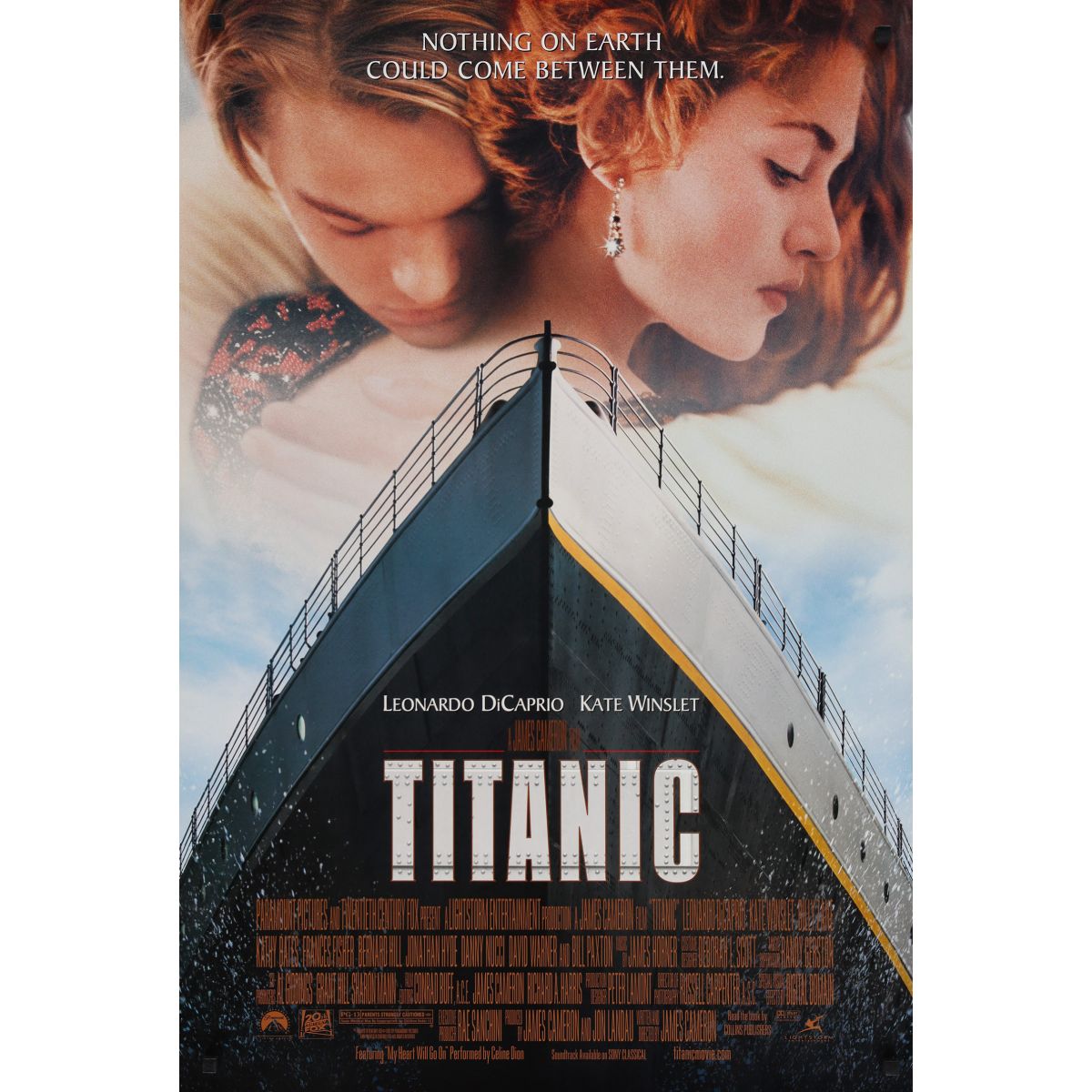
A 1997 film represents a product of a pivotal transitional era in cinema history, bridging the gap between practical physical effects and the large-scale integration of computer-generated imagery. This period produced several of the highest-grossing motion pictures of all time, alongside defining independent milestones that reshaped studio distribution, audience expectations, and global box office benchmarks.
The Technological and Industrial Evolution of Late-1990s Cinema
The cinematic landscape of the late 1990s was defined by rapid modernization in post-production workflows, visual effects technology, and international distribution strategies. As digital composition software evolved from experimental tools into industry standards, studios began testing the boundaries of what could be depicted on screen. A 1997 film often served as a testing ground for these technological leaps, requiring massive capital investments and extensive coordination between traditional artisans and digital technicians.
At the same time, the economics of filmmaking shifted. Rising production budgets and ballooning marketing costs meant that studios relied heavily on high-concept blockbusters to finance smaller, riskier arthouse projects. This dynamic created a diverse ecosystem where massive historical epics shared theater space with low-budget psychological thrillers and gritty independent dramas. The globalization of the film market also accelerated during this period, as studios increasingly tailored narratives and marketing campaigns to appeal simultaneously to North American and international audiences.
Major Critical and Commercial Milestones
The year 1997 is widely recognized by film historians as one of the most commercially successful and critically acclaimed years in modern Hollywood history. It was anchored by releases that dominated cultural conversations for months, fueled by intense media scrutiny, unprecedented box office longevity, and heavy rotation on cable networks and home video formats.
Commercial viability during this era was measured not just by opening weekend numbers, but by theatrical endurance. Many prominent releases played in theaters for half a year or longer, supported by repeat viewings and strong word-of-mouth. Critical reception similarly reflected a tension between mainstream crowd-pleasers and challenging auteur-driven narratives. Major industry bodies, including the Academy of Motion Picture Arts and Sciences, rewarded both technical innovation and traditional dramatic storytelling, leading to fierce competition during awards season.
| Film Title | Director | Primary Genre | Approximate Budget | Estimated Box Office Gross |
|---|---|---|---|---|
| Titanic | James Cameron | Romance / Drama | $200 Million | $2.2 Billion+ (Lifetime) |
| The Lost World: Jurassic Park | Steven Spielberg | Sci-Fi / Adventure | $73 Million | $618 Million |
| Men in Black | Barry Sonnenfeld | Sci-Fi / Comedy | $90 Million | $589 Million |
| Air Force One | Wolfgang Petersen | Action / Thriller | $85 Million | $315 Million |
| L.A. Confidential | Curtis Hanson | Neo-Noir / Crime | $35 Million | $126 Million |
Production Realities and Visual Effects Integration
Creating a major motion picture in the late 1990s presented unique operational hurdles. Before digital cinematography became standard, productions relied almost exclusively on various film gauges—primarily 35mm, with 70mm reserved for premium large-format presentations. Physical set construction, miniature scale models, and animatronics required meticulous planning because mistakes were costly and immediate playback was impossible without waiting for daily rushes to be developed in a laboratory.
The integration of computer-generated imagery (CGI) during this era required a hybrid approach. Directors could not simply render entire sequences digitally without heavy compromises in realism; instead, they combined physical stunt work, prosthetic makeup, and optical compositing with digital elements. This hybrid methodology often lent a distinct visual texture to productions from this period, characterized by a heavy reliance on physical lighting interaction, practical smoke, and tangible environmental elements that grounded digital enhancements in reality.
Critical Reception and Cultural Legacy
The cultural footprint of releases from this era extended far beyond initial box office returns, embedding themselves deeply into popular culture through home video releases, soundtrack albums, and television syndication. Soundtracks, in particular, played a vital role in the commercial success of motion pictures during this decade, frequently climbing Billboard charts and selling millions of physical compact discs independently of the film itself.
Critical evaluation of these works has also evolved over time. While contemporary reviews often focused on pacing, star power, and immediate visual spectacle, retrospective analysis frequently highlights how these productions laid the groundwork for modern franchise filmmaking, digital preservation challenges, and the evolution of the global media landscape. Scholars examine how narrative themes from this era reflected late-20th-century anxieties regarding technology, globalization, and shifting social structures.
Preservation, Home Media, and Modern Accessibility
Ensuring the longevity of motion pictures produced during the late 1990s presents distinct technical challenges for archivists and home video distributors. Because many productions utilized early digital intermediate processes, hybrid optical-digital formats, or composite masters, transferring these assets to modern high-definition and ultra-high-definition digital formats requires delicate restoration work to preserve original cinematic intent.
- Physical Media Restoration: Technicians scan original camera negatives at 4K resolution where available, repairing physical damage frame by frame to restore clarity without scrubbing away natural film grain.
- Audio Remixing: Original multi-track audio stems are cleaned and remastered for modern surround sound and spatial audio configurations, ensuring dialogue clarity while maintaining original sound design dynamics.
- Color Grading Verification: Cinematographers and colorists often oversee digital color timing to match the theatrical release prints, correcting for fading that occurs naturally in older photochemical and early digital storage mediums.
- Digital Distribution Licensing: Rights management companies coordinate global streaming and digital purchase availability, navigating complex legacy contracts involving music licensing, talent residuals, and regional distribution windows.
Frequently Asked Questions
What defined the technological style of a typical production from this period?
Productions from this era utilized a hybrid of traditional photochemical film stock and emerging digital visual effects. Practical effects, physical models, and physical stunt work were routinely combined with early computer-generated imagery, creating a distinct visual texture before fully digital workflows became standard.
How did the box office landscape function during this timeframe?
The box office was characterized by exceptional theatrical longevity rather than front-loaded opening weekends. Major releases regularly sustained theatrical runs lasting six months or longer, driven by word-of-mouth, repeat viewings, and limited competition across fewer screens compared to modern multiplex distribution models.
Why are older motion pictures subjected to digital remastering processes?
Remastering allows older prints to meet modern high-definition and ultra-high-definition display standards. Archivists scan original film negatives, correct color degradation, repair physical blemishes, and remaster audio tracks to ensure historical accuracy and optimal visual fidelity on contemporary screens.
Where can audiences access digitally restored versions of these works?
Restored versions are distributed through physical media formats such as Blu-ray and Ultra HD Blu-ray, as well as licensed streaming platforms, digital storefronts, and specialized repertory cinema screenings organized by film archives and cultural institutions.
How do modern historians evaluate the cultural impact of late-1990s cinema?
Historians analyze how these works reflected contemporary social anxieties, technological shifts, and the globalization of media markets. They also study how commercial strategies from this period established the foundation for modern blockbuster franchise management and global release schedules.
Planning a Retrospective Screening Series
Organizing a public screening or personal retrospective of late-20th-century cinema requires careful attention to licensing rights, projection formats, and venue technical specifications. Event coordinators must secure public performance rights through authorized distribution agencies, as standard consumer home video licenses do not permit commercial or public exhibition. When working with archival celluloid prints, venues must verify that projection equipment supports the required film gauge and safety protocols. For digital presentations, verifying aspect ratios, audio channel configurations, and source file resolutions ensures that the presentation aligns with the original artistic intent of the creators.