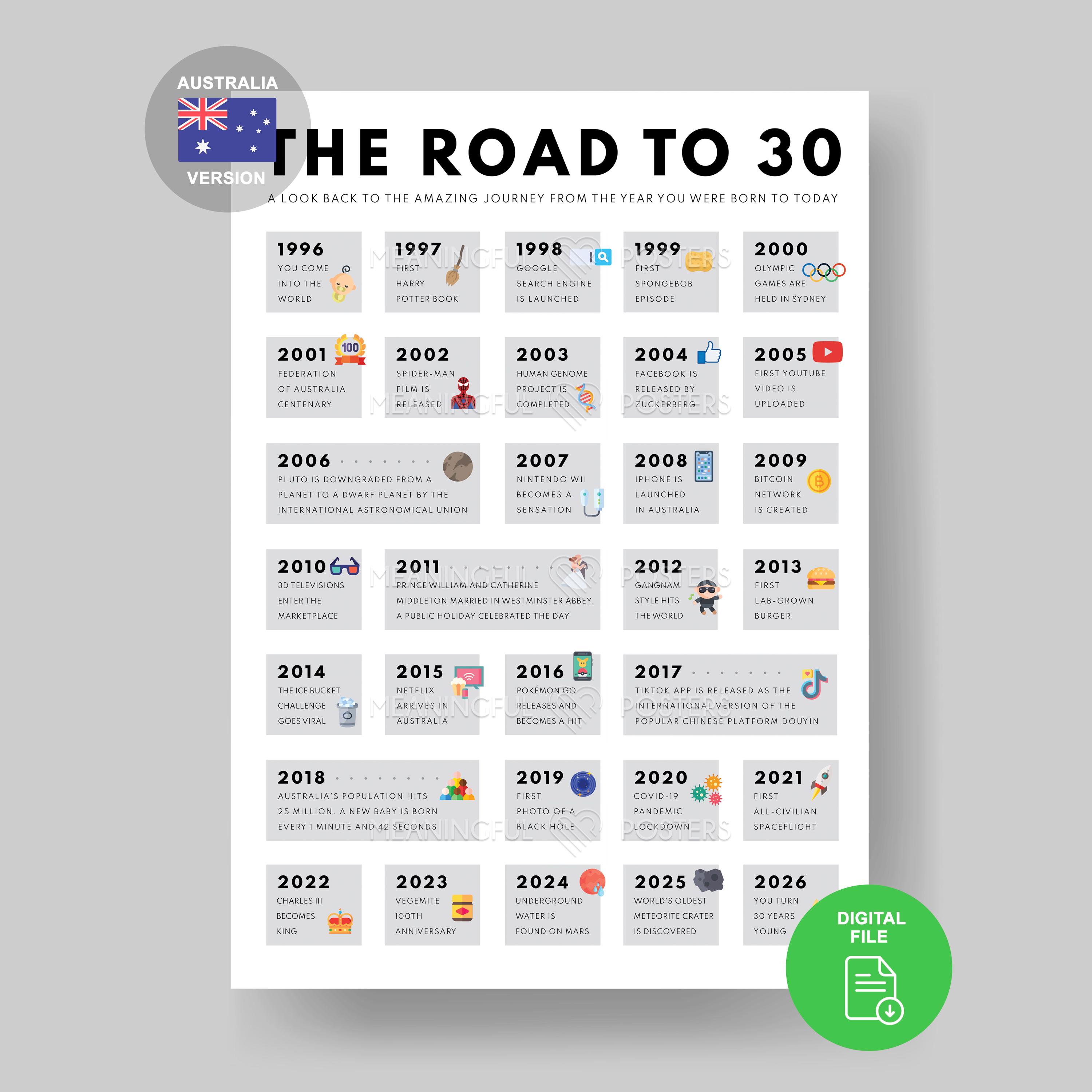
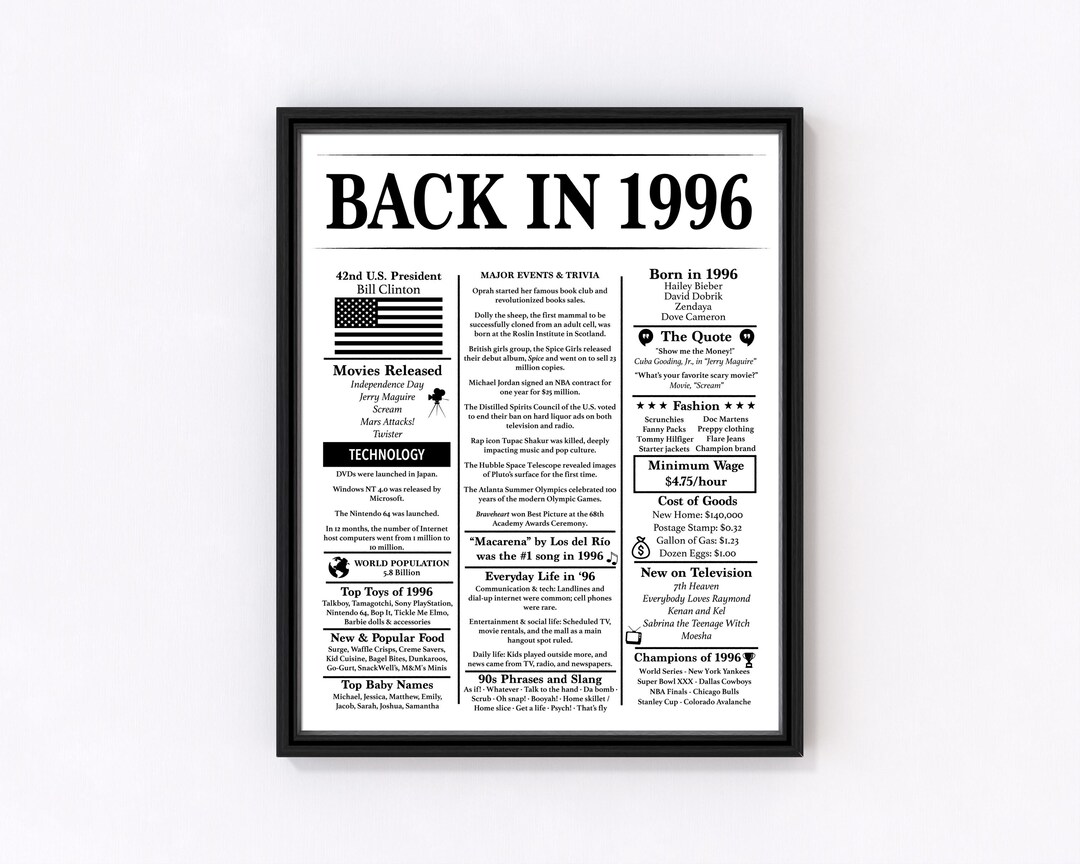
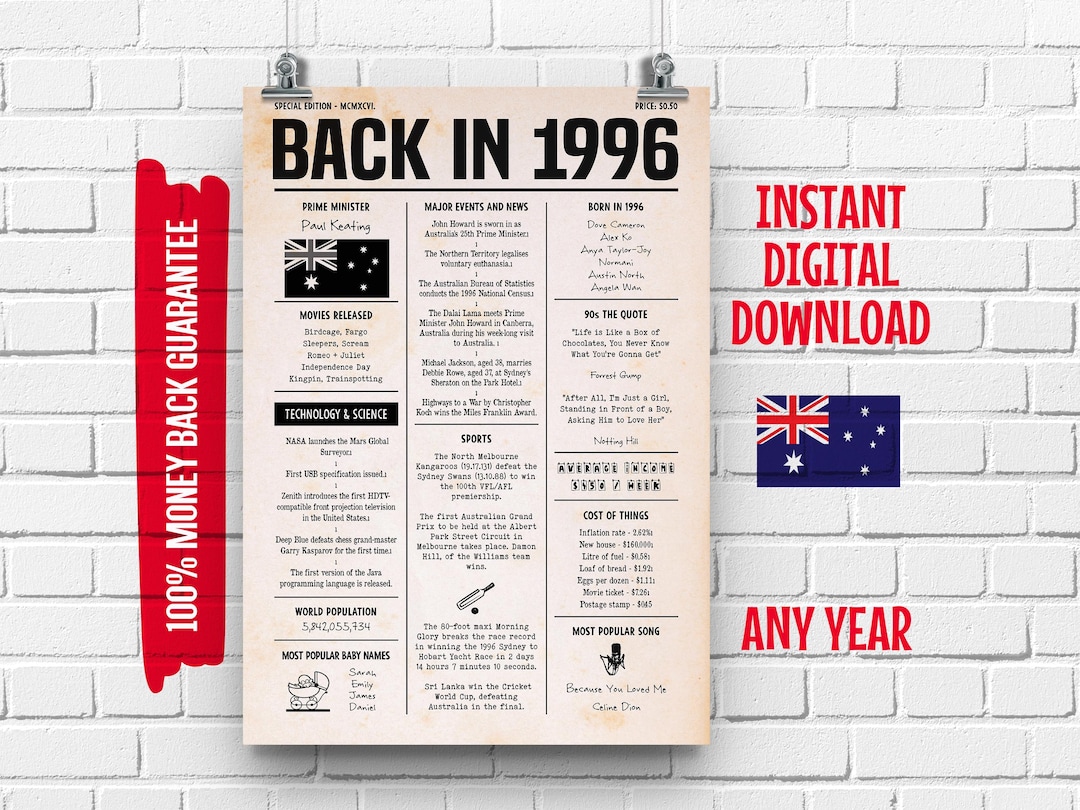
The year 1996 stands as a monumental transitional period in modern history, bridging the analogue traditions of the late 20th century with the rapidly accelerating digital age. Characterized by the birth of cloned mammals, the commercial explosion of the World Wide Web, iconic pop culture milestones, and geopolitical shifts, 1996 reshaped technology, entertainment, and global society in ways that continue to influence the modern world.
The Technological Leap: The Internet Goes Mainstream and Early Digital Milestones
In technology, 1996 marked the tipping point where computing moved from specialized academic and corporate environments into the mainstream consumer consciousness. While the World Wide Web had been invented earlier in the decade, 1996 was the year it achieved widespread commercial viability and public adoption. Microsoft released Internet Explorer 3.0 in August of that year, igniting the fierce "Browser Wars" with Netscape Navigator and setting the stage for browser dominance battles that would shape software development for decades.
Simultaneously, the hardware landscape experienced radical shifts. Palm Computing released the PalmPilot 1000 in early 1996, effectively creating the modern handheld personal digital assistant (PDA) market and laying the groundwork for smartphone productivity features. In the gaming sector, Nintendo revolutionized interactive entertainment with the launch of the Nintendo 64 in North America and Japan. Featuring the innovative analog stick and the groundbreaking 3D platformer Super Mario 64, the console redefined how players navigated virtual space, moving the industry decisively from two dimensions to three. Sony's PlayStation, launched globally the previous year, also cemented its market dominance throughout 1996, altering the competitive dynamics of console gaming.
Geopolitical Shifts and Global Headlines
Global politics and international relations in 1996 were defined by democratic transitions, economic summits, and historic peace negotiations. In the United States, the presidential election held in November 1996 resulted in the re-election of incumbent Democratic President Bill Clinton over Republican challenger Bob Dole, reflecting a period of relative economic stability and the rise of centrist "Third Way" politics.
Internationally, the negotiations surrounding the Comprehensive Nuclear-Test-Ban Treaty (CTBT) reached a critical juncture when the United Nations General Assembly adopted the treaty in September 1996, aiming to prohibit all nuclear explosions in all environments. In South Africa, the post-apartheid parliament adopted the final text of the country's new constitution in May 1996, signed into law by President Nelson Mandela to enshrine equal rights and establish a robust legal framework for the young democracy. Meanwhile, Europe saw the continued preparation for economic integration, while technological anxieties centered on the impending Year 2000 (Y2000) software bug, which organizations began addressing aggressively during this period.
Cultural Phenomena, Cinema, and Music of 1996
The cultural landscape of 1996 produced enduring media properties, blockbuster films, and genre-defining musical releases that remain cultural touchstones. Cinema in 1996 was marked by a blend of high-concept disaster films and gritty independent dramas. Roland Emmerich's Independence Day dominated the global box office, grossing over $800 million and revitalizing the disaster-movie genre with state-of-the-art visual effects. Conversely, the Coen brothers' neo-noir thriller Fargo and Cameron Crowe's Jerry Maguire captivated critics and audiences alike, earning critical acclaim and Academy Award recognition.
| Category | Major Release / Event | Significance |
|---|---|---|
| Cinema | Independence Day | Redefined blockbuster spectacle and visual effects standards. |
| Gaming | Nintendo 64 & Super Mario 64 | Pioneered 3D analog movement and console gaming design. |
| Technology | PalmPilot 1000 | Catalyzed the consumer market for handheld digital organizers. |
| Science | Dolly the Sheep | First mammal cloned from an adult somatic cell, transforming genetics. |
In music, 1996 was a tumultuous and transformative year, particularly for hip-hop, alternative rock, and pop. The genre of hip-hop mourned the tragic loss of Tupac Shakur, who was fatally shot in Las Vegas in September 1996, an event that profoundly impacted the East Coast-West Coast rivalry and the broader music industry. Meanwhile, the Spice Girls exploded onto the international music scene with their debut single "Wannabe," released in the United Kingdom in July 1996. The track spearheaded the global "Girl Power" phenomenon, dominating charts worldwide and reviving the commercial viability of pop groups.
Scientific Breakthroughs and Medical Milestones
Scientific advancement in 1996 achieved a historic milestone that fundamentally altered the ethical and biological sciences. On July 5, 1996, researchers at the Roslin Institute in Scotland successfully cloned a Finn Dorset sheep named Dolly. Although the birth was kept confidential until early 1997, the successful nuclear transfer of an adult somatic cell into an unfertilized enucleated egg occurred in 1996, proving that specialized cells could be reprogrammed to create an entire organism. This achievement sparked intense global debates regarding bioethics, cloning regulation, and the future of regenerative medicine.
In the realm of space exploration and astronomy, 1996 brought significant discoveries regarding planetary science and the search for extraterrestrial life. NASA launched the Mars Global Surveyor in November 1996, initiating a highly successful long-term mapping mission of the Martian surface. Additionally, scientists studying the Allan Hills 84001 meteorite—a rock of Martian origin found in Antarctica—announced in August 1996 that the meteorite contained possible microscopic organic structures, fueling intense scientific debate about whether ancient life might have once existed on Mars.
Sports History: The Atlanta Centennial Olympic Games
The sporting world in 1996 converged on Atlanta, Georgia, which hosted the Games of the XXVI Olympiad from July 19 to August 4. Marking the centenary of the modern Olympic revival, the Atlanta Games drew athletes from a record 197 nations. However, the event was shadowed by the Centennial Olympic Park bombing on July 27, an act of domestic terrorism that resulted in two deaths and numerous injuries, though the Games continued following a brief suspension in a display of global resilience.
Athletically, the Atlanta Olympics produced legendary performances. American gymnast Lilian Thurig and the U.S. women's gymnastics team, known as the "Magnificent Seven," captured the gold medal in the team competition, propelled by Kerri Strug's iconic vault despite an injured ankle. Sprinter Michael Johnson electrified the home crowd by winning gold in both the 200-meter and 400-meter events, setting a world record of 19.32 seconds in the 200-meter race that stood for over a decade.
Fascinating Trivia and Lesser-Known Facts About 1996
Beyond the major geopolitical and cultural headlines, 1996 yielded a wealth of unusual trivia, consumer trends, and pop-culture phenomena that captured the public imagination:
- The Beanie Baby Craze: Ty Warner’s plush toys reached a fever pitch of collectibility in 1996, transforming stuffed animals into speculative investment assets traded furiously at flea markets and early online auction sites.
- The Launch of Tamagotchi: Bandai released the digital pet in Japan in November 1996, creating an immediate global craze that required owners to feed, clean, and nurture a pixelated creature on a keychain display.
- The Macarena Phenomenon: Los del Río's dance track "Macarena" (specifically the Bayside Boys mix) spent 14 consecutive weeks at number one on the Billboard Hot 100 in 1996, becoming an inescapable cultural dance craze performed at weddings, sporting events, and political conventions alike.
- The Debut of Blue's Clues: Nickelodeon premiered the groundbreaking interactive preschool television series in September 1996, utilizing cognitive research to encourage active participation from young viewers.
Frequently Asked Questions About 1996
What was the most significant technological milestone of 1996?
The commercialization and mainstream adoption of the World Wide Web represent the most consequential technological shift of the year. The release of Internet Explorer 3.0 intensified browser competition, while consumer-focused devices like the PalmPilot 1000 and the Nintendo 64 expanded digital engagement beyond enterprise and academic settings.
Who won the 1996 U.S. Presidential Election?
Incumbent Democratic President Bill Clinton won the November 1996 presidential election, defeating Republican nominee Bob Dole and Reform Party candidate Ross Perot. Clinton secured 379 electoral votes, marking the first time a Democratic president won two consecutive terms since Franklin D. Roosevelt.
Which major films dominated the box office in 1996?
Independence Day was the highest-grossing film of 1996 worldwide, earning over $817 million. Other major box office successes included Twister, Mission: Impossible, The Rock, and the animated-live action hybrid Space Jam.
How did the cloning of Dolly the Sheep impact science?
The birth of Dolly the Sheep proved that specialized adult cells could be genetically reprogrammed to generate a genetically identical clone of the donor animal. This breakthrough shattered long-held biological dogmas regarding cellular differentiation and catalyzed modern debates surrounding stem cell research and bioethics.
What major sporting event took place in the summer of 1996?
Atlanta, Georgia, hosted the Summer Olympic Games from July 19 to August 4, 1996. The event commemorated the 100th anniversary of the modern Olympic Games, featuring over 10,000 athletes competing across 26 sports amidst a backdrop of massive commercialization and global media coverage.
Navigating Historical Perspective and Research
When examining the historical record of 1996, researchers and history enthusiasts should consult primary source documentation, contemporary newspaper archives, and peer-reviewed scientific journals from the era. Because the year operated as a crucial bridge between pre-digital paper archives and the born-digital internet age, combining physical library resources with digital databases ensures a balanced and accurate understanding of the events, trends, and trivia that defined 1996.