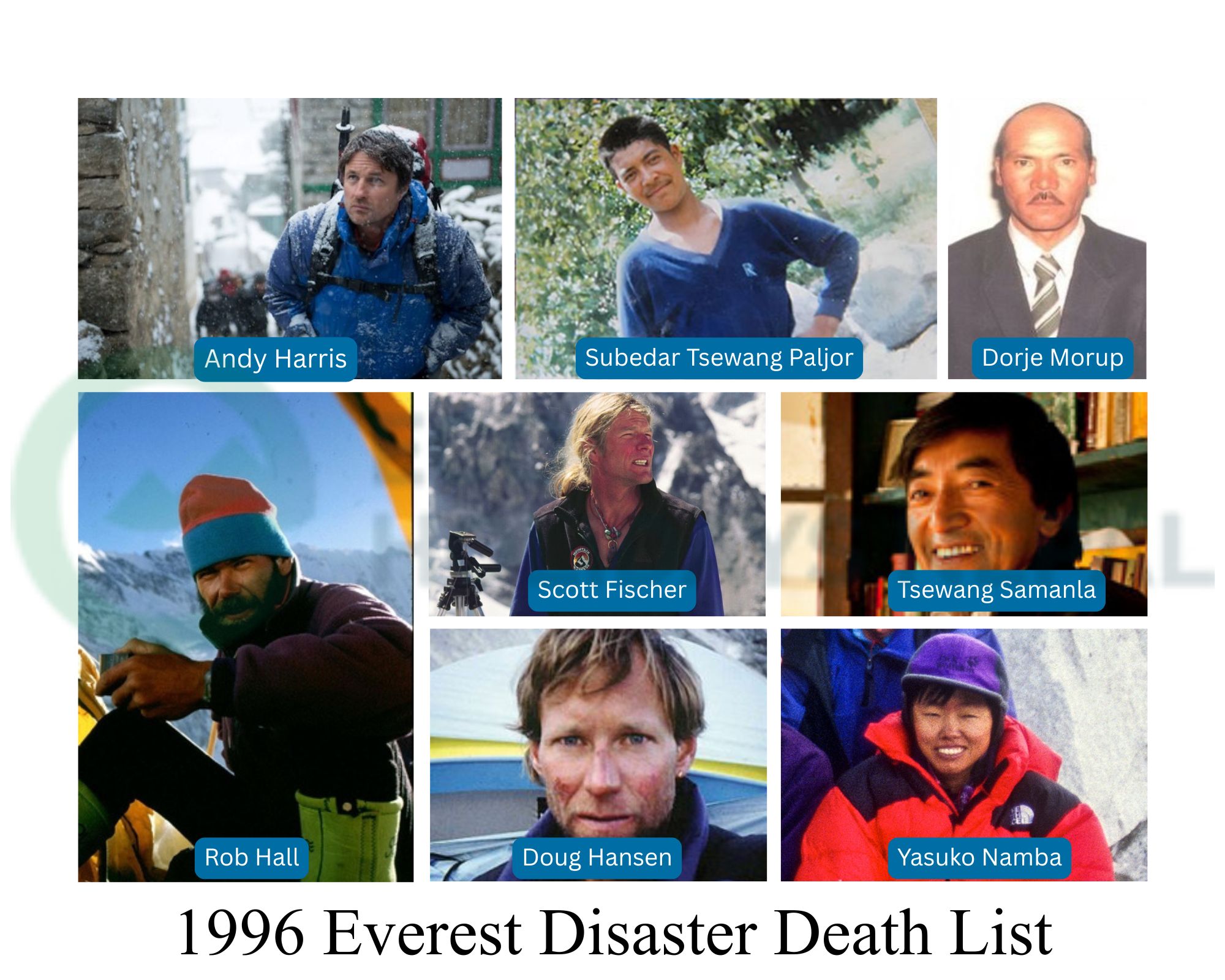
The 1996 Mount Everest disaster resulted in the deaths of eight climbers during a single storm on May 10–11, making it one of the deadliest seasons in the mountain's history. The tragedy exposed the lethal hazards of commercialized high-altitude mountaineering, severe weather prediction limits, and human error at extreme elevations.
Understanding the Commercialization of Mount Everest in the Mid-1990s
Until the mid-1990s, expeditions to the summit of Mount Everest were predominantly mounted by heavily funded national teams or small groups of elite, highly experienced mountaineers. By 1996, however, the landscape of Himalayan climbing had shifted dramatically. Adventure consultants and commercial guiding agencies began offering guided ascents to paying clients who possessed varying degrees of mountaineering experience. This shift transformed Everest from an exclusive frontier for professional alpinists into a commercial destination accessible to affluent amateurs.
The commercialization model relied heavily on fixed ropes, supplemental bottled oxygen, and large teams of Sherpa guides who carried heavy loads, established camps, and managed route logistics. While this infrastructure lowered the technical barrier to entry, it could not eliminate the fundamental physiological realities of high-altitude environments. Agencies promised a managed path to the summit, yet the sheer volume of climbers introduced severe logistical bottlenecks, scheduling delays, and crowded conditions in the "Death Zone" above 8,000 meters.
Chronology of the May 10, 1996 Summit Push
The disaster unfolded during the primary spring summit window in early May 1996. Multiple commercial teams, most notably Rob Hall’s Adventure Consultants and Scott Fischer’s Mountain Madness, were positioned at Camp IV on the South Col, preparing to launch their final bids for the summit. Due to scheduling conflicts and a desire to avoid overcrowding, several teams pushed upward simultaneously in the early hours of May 10.
Crucial delays plagued the ascent from the outset. Guides and clients encountered bottlenecks at technical sections of the route, specifically the Hillary Step and the Balcony, because fixed ropes had not been fully or properly installed by the designated teams prior to the climb. These delays meant that many climbers reached the summit hours behind schedule. While Rob Hall and Scott Fischer achieved their summit goals, the turnaround times—the hard safety deadlines established to ensure climbers descended to safety before nightfall—were widely ignored or missed.
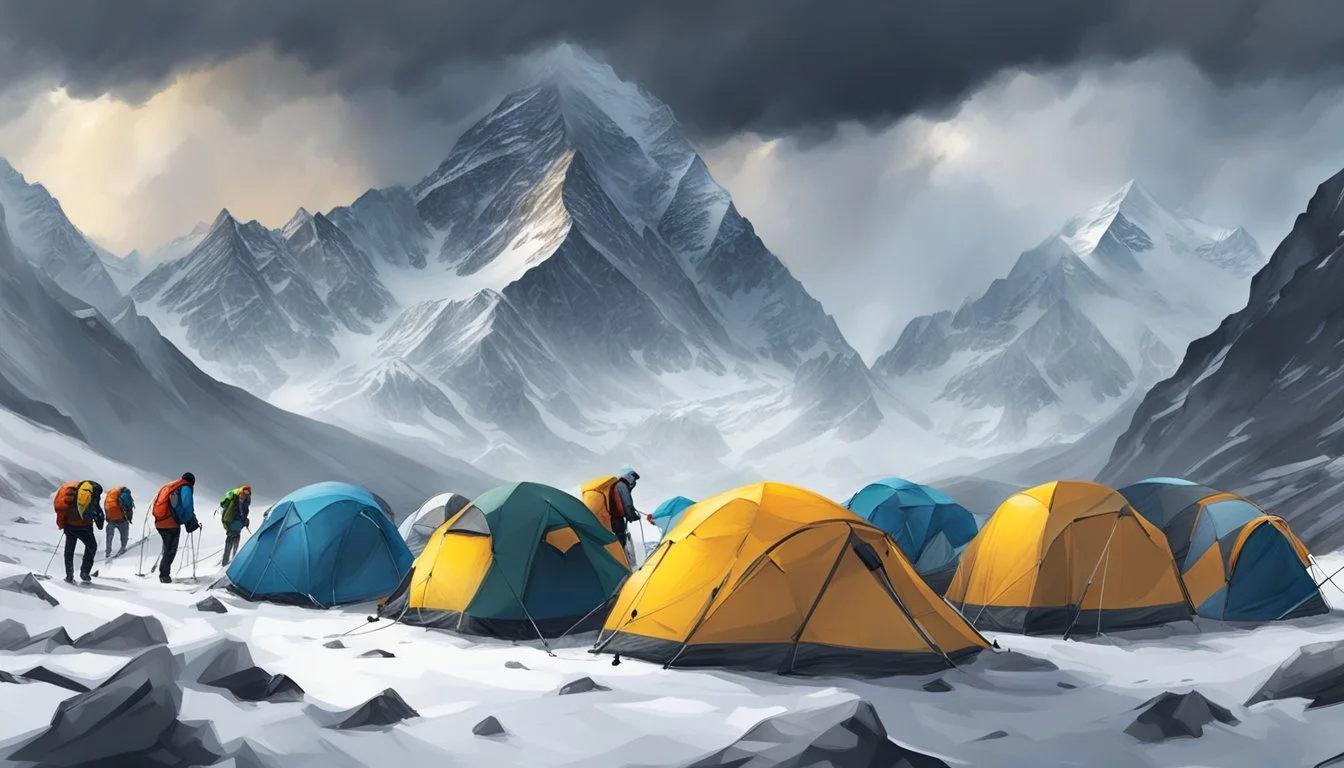
As afternoon approached, a severe blizzard swept across the mountain, driven by plunging temperatures, hurricane-force winds, and whiteout conditions. The storm obliterated visibility, erased tracks, and severely disoriented climbers as they attempted to descend the exposed ridges. Exhausted from the grueling hours spent above 8,000 meters, several climbers collapsed from exhaustion, hypothermia, and high-altitude cerebral edema (HACE) or high-altitude pulmonary edema (HAPE).
Key Factors and Systematic Failures Contributing to the Fatalities
The 1996 disaster was not caused by a single isolated mistake, but rather by a confluence of systemic, environmental, and human factors. Examining these elements provides a comprehensive understanding of why the storm proved so lethal:
- Missed Turnaround Times: Guide teams established strict turnaround times to guarantee descent before dark. Pressured by clients who had paid tens of thousands of dollars and the psychological weight of reaching the summit, leaders pushed past these safety thresholds.
- Bottlenecks and Infrastructure Failures: The absence of pre-rigged fixed ropes at key bottlenecks forced climbers to wait in long queues, burning precious oxygen reserves and valuable daylight hours.
- Communication Breakdowns: Reliable radio communication between guides, camps, and base operations was hindered by equipment limitations, dead batteries, and the chaotic nature of the storm.
- Exhaustion and Oxygen Depletion: Many climbers ran out of supplemental oxygen during the descent, accelerating the onset of severe hypoxia, impaired judgment, and physical collapse.
- Weather Predictability Limits: Modern meteorological forecasting for the high Himalayas was in its infancy in 1996. The sudden onset and ferocious intensity of the storm caught all expeditions off guard.
Timeline of Key Expeditions and Casualties
The following table summarizes the primary commercial operations involved in the May 10 summit attempts and the distribution of fatalities during the disaster.
| Expedition Agency | Lead Guide | Summit Status on May 10 | Fatalities | Primary Contributing Factors |
|---|---|---|---|---|
| Adventure Consultants | Rob Hall | Reached summit late | 4 (including Hall) | Delayed turnaround, exhaustion, trapped in blizzard |
| Mountain Madness | Scott Fischer | Reached summit late | 1 (Fischer) | Exhaustion, high-altitude illness, severe hypothermia |
| Indo-Tibetan Border Police | Subbir Pal | Attempt aborted/stalled | 3 | Trapped at lower elevations by storm force winds |
| IMAX Filming Team | David Breashears | Abandoned summit bid | 0 | Prioritized safety, assisted survivors at Camp IV |
Immediate Rescue Efforts and Survival Stories
As the blizzard battered Camp IV, visibility dropped to near zero, making organized rescue operations nearly impossible during the height of the storm. High-altitude guides and climbers who had already reached shelter faced agonizing decisions.
Among the most notable acts of survival and heroism was the descent of Beck Weathers, a client from Rob Hall's Adventure Consultants expedition. Left for dead twice on the mountain after being incapacitated by severe hypothermia and snow-blindness, Weathers miraculously regained consciousness and walked unaided into Camp IV against all medical odds. Similarly, guide Anatoli Boukreev of the Mountain Madness team made repeated, courageous forays out into the blinding storm without supplemental oxygen to locate and guide lost, freezing climbers back to safety.
Rob Hall spent his final hours trapped near the South Summit. He maintained radio contact with base camp through a satellite phone, speaking to his pregnant wife, Jan Arnold, before succumbing to exposure on May 11. His body, along with several others, remained on the mountain where they fell.
Long-Term Impact on Mountaineering Ethics and Safety Protocols
The 1996 Everest disaster fundamentally transformed the culture and regulation of high-altitude mountaineering. The publication of Jon Krakauer’s bestselling book Into Thin Air, along with firsthand accounts by surviving guides like Anatoli Boukreev, sparked intense global debate regarding the ethics of commercial guiding, the commercialization of sacred wilderness, and the responsibilities of expedition operators.
In the decades following the tragedy, the mountaineering industry instituted significant safety reforms:
- Stricter Guide-to-Client Ratios: Regulatory bodies and reputable agencies enforced lower ratios to ensure personalized oversight and rapid response during emergencies.
- Improved Weather Forecasting: Modern commercial expeditions now rely on highly sophisticated meteorological modeling, drastically reducing the likelihood of being caught unawares by sudden storms.
- Mandatory Medical Screening: Guides implement rigorous pre-trip physical and technical evaluations to screen out unqualified applicants before they reach base camp.
- Enhanced Infrastructure: Route maintenance is now coordinated systematically by local climbing Sherpas early in the season, minimizing bottlenecks at technical barriers like the Hillary Step.
Despite these modern improvements, Everest continues to present extreme risks, and the lessons learned from the 1996 tragedy remain foundational reading for anyone seeking to understand the unforgiving nature of the world's highest peak.