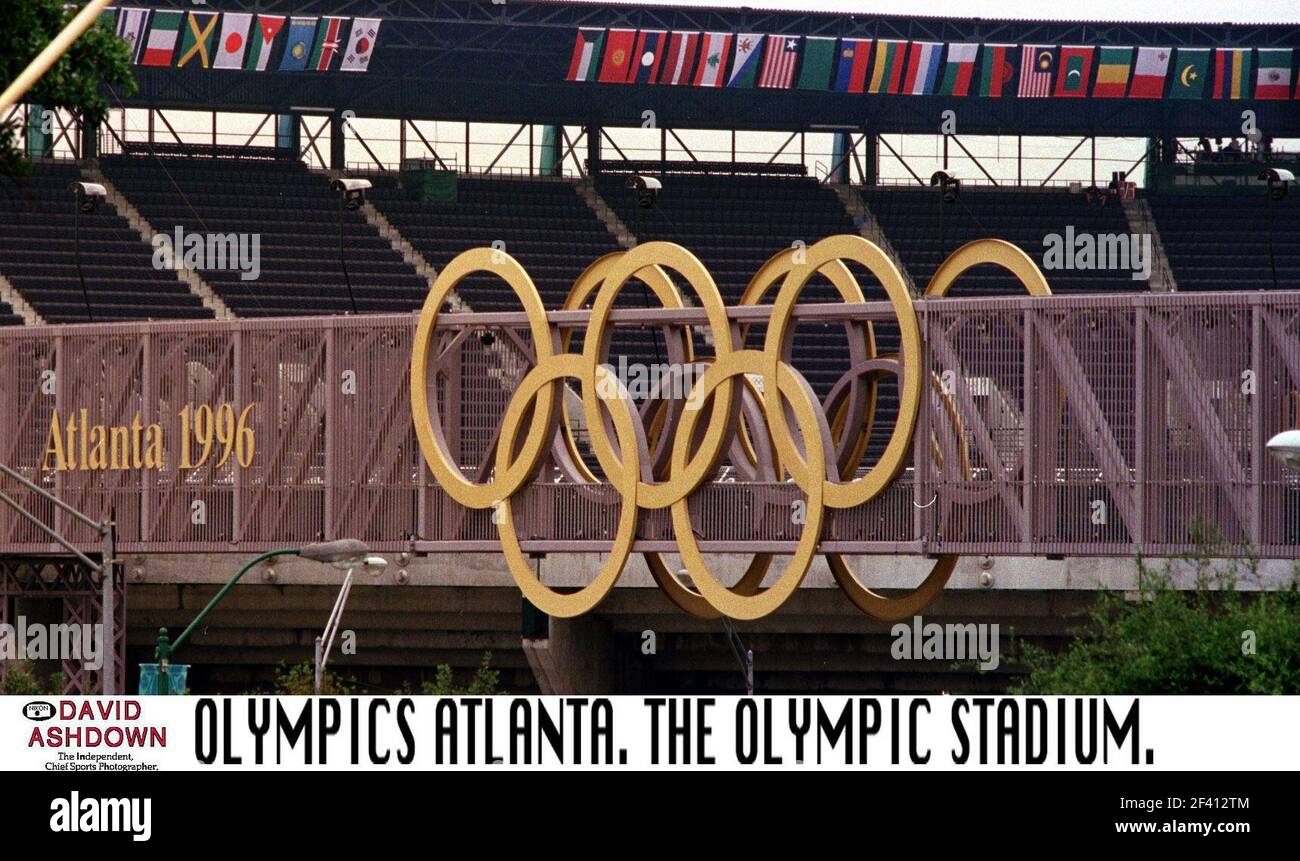
The 1996 Atlanta Summer Olympic Games, officially known as the Games of the XXVI Olympiad, marked a watershed moment in modern sports history by blending massive commercial sponsorship with urban transformation, ultimately leaving a complex social and structural legacy that continues to influence the city of Atlanta decades later.
Origins and Selection of Atlanta as the Host City
The journey of Atlanta securing the 1996 Summer Olympic Games began with the vision of local leaders, most notably former marketing executive Billy Payne, who conceptualized bringing the world's premier athletic event to the capital of the American South. Competing against historically significant and globally recognized cities such as Athens, Toronto, Melbourne, and Manchester, Atlanta emerged as an unexpected finalist. The International Olympic Committee (IOC) awarded the Games to Atlanta on September 18, 1990, during its session in Tokyo, Japan.
Securing the bid required a concerted diplomatic and logistical effort. Organizers emphasized Atlanta's status as a major transportation hub, its rich civil rights history, and the strength of its corporate community, anchored by global enterprises like The Coca-Cola Company. However, the selection was not without controversy. Critics and international sports commentators questioned how a mid-sized American city would manage the immense influx of athletes, media, and spectators compared to cultural capitals or previous metropolitan hosts like Barcelona or Seoul. Despite these doubts, the Atlanta Committee for the Olympic Games (ACOG), led by Payne and Mayor Maynard Jackson, initiated a massive planning phase aimed at showcasing Southern hospitality alongside state-of-the-art corporate efficiency.
Financing and the Private-Public Model
One of the most defining characteristics of the 1996 Atlanta Olympics was its departure from traditional government-funded models. ACOG operated primarily as a private, non-profit corporation, relying heavily on corporate sponsorships, television broadcast rights, ticket sales, and merchandise rather than state or federal tax revenues. This self-funding approach was touted as a fiscal triumph, preventing the massive public debt burdens that plagued subsequent host cities like Montreal in 1976.
| Funding Source | Estimated Contribution | Primary Mechanism |
|---|---|---|
| Broadcast Rights | Over $400 Million | International television contracts (NBC in the US) |
| Corporate Sponsorships | Over $500 Million | Worldwide TOP partners and domestic official suppliers |
| Ticket Sales | Over $250 Million | Public ticketing for events and ceremonies |
| Merchandising & Licensing | Over $50 Million | Official licensed apparel, souvenirs, and memorabilia |
While the private funding model successfully shielded taxpayers from direct operational deficits, it introduced unique commercial pressures. The prominent display of corporate branding throughout the city led critics to dub the event the "Coke-Cola Olympics," reflecting the deep integration of corporate entities into the structural fabric of the Games. Furthermore, while operational budgets remained balanced, the reliance on private capital meant that public infrastructure upgrades required complex negotiations between municipal authorities and private developers, shaping long-term resource allocation across the metropolitan area.
Infrastructure Development and Urban Transformation
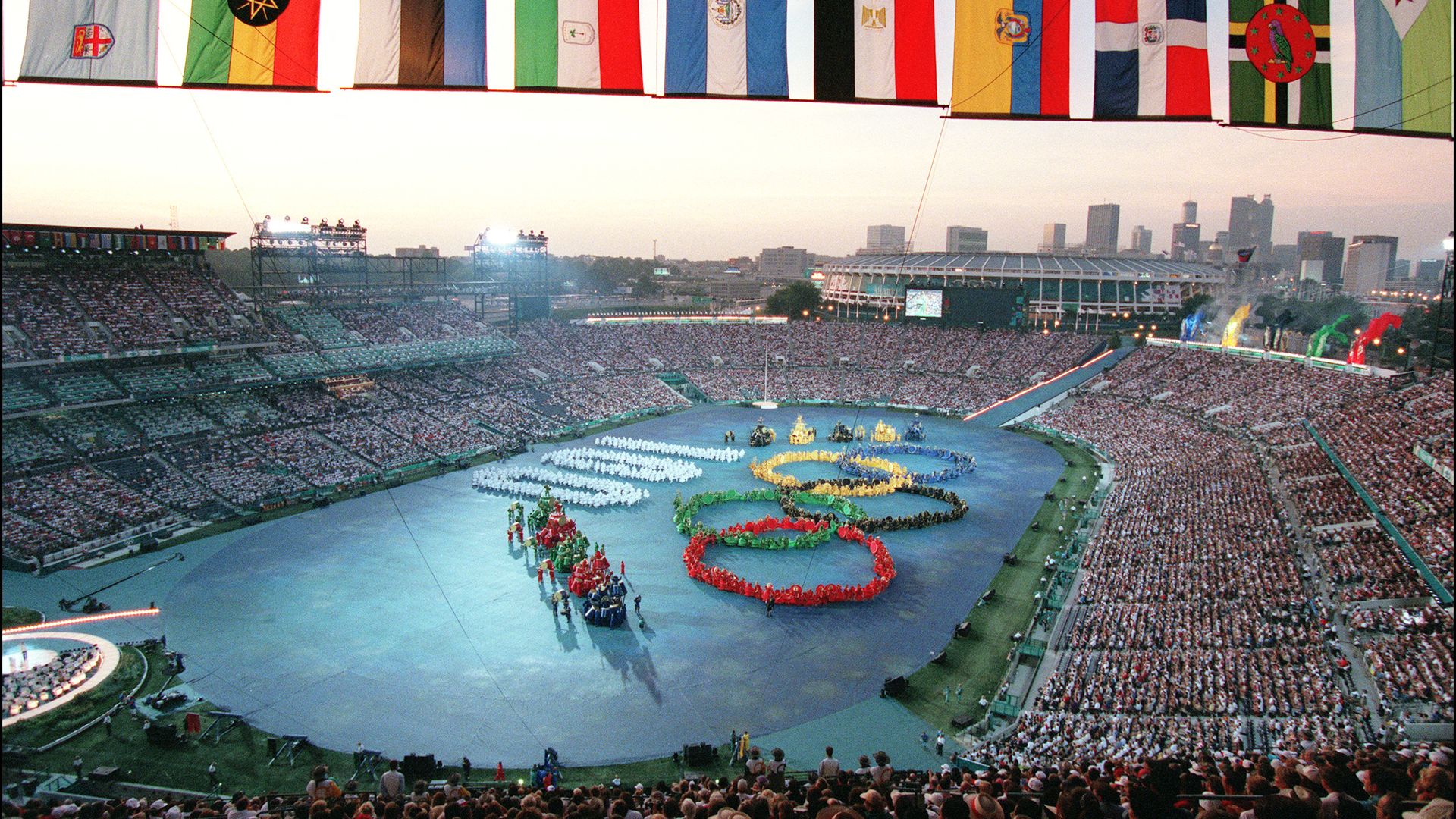
The physical landscape of Atlanta underwent a radical metamorphosis in preparation for the 1996 Games. ACOG and city planners constructed several world-class athletic facilities, including the 85,000-seat Centennial Olympic Stadium (later converted into Turner Field and currently Center Parc Stadium), the Georgia Dome, and the Olympic Village on the campus of the Georgia Institute of Technology. These venues were designed with post-Olympic utility in mind, aiming to integrate seamlessly into local academic and municipal infrastructure once the competitions concluded.
Beyond sports arenas, the city experienced significant investments in public transportation, streetscapes, and housing. Centennial Olympic Park was created as a central gathering place, transforming an industrial wasteland of warehouses and parking lots into a vibrant 21-acre urban park. However, this rapid urban renewal also catalyzed intense controversy regarding gentrification and displacement. Thousands of low-income residents, primarily in neighborhoods adjacent to downtown and the stadium sites, faced displacement as public housing developments were demolished to make way for athletic venues and beautification projects. Critics argued that the pursuit of a global showcase overshadowed the immediate socioeconomic needs of vulnerable local populations.
The Centennial Olympic Park Bombing and Security Challenges
Despite meticulous planning, the 1996 Atlanta Olympics faced a profound security crisis on July 27, 1996, when a pipe bomb detonated in Centennial Olympic Park during a packed outdoor concert. The explosion resulted in one death—Alice Hawthorne—and injured 111 others. Security guard Richard Jewell discovered the backpack containing the explosive device prior to the blast and alerted law enforcement, helping to evacuate the area and prevent a significantly higher casualty toll.
The bombing profoundly altered the atmosphere of the Games, shifting public focus from athletic celebration to national security and collective grief. In the immediate aftermath, law enforcement faced intense pressure to identify a suspect, leading to a flawed media and investigative focus on Richard Jewell before he was ultimately exonerated. The actual perpetrator, domestic terrorist Eric Rudolph, was later captured years later following a multi-year manhunt. Despite the tragedy, IOC and local authorities decided that the Games must continue, framing the continuation as a resilient defiance against terrorism, though the event permanently transformed security protocols at all subsequent major international gatherings.
Athletic Highlights and Memorable Moments
Athletically, the 1996 Atlanta Games provided historic performances that cemented the legacies of numerous global sports icons. The United States led the overall medal table, capturing 101 total medals, including 44 golds. Among the standout performances was American gymnast Lystia Baykoui and the "Magnificent Seven," who secured the first-ever team gold medal for the U.S. women's gymnastics team, highlighted by Kerri Strug's legendary vault on an injured ankle.
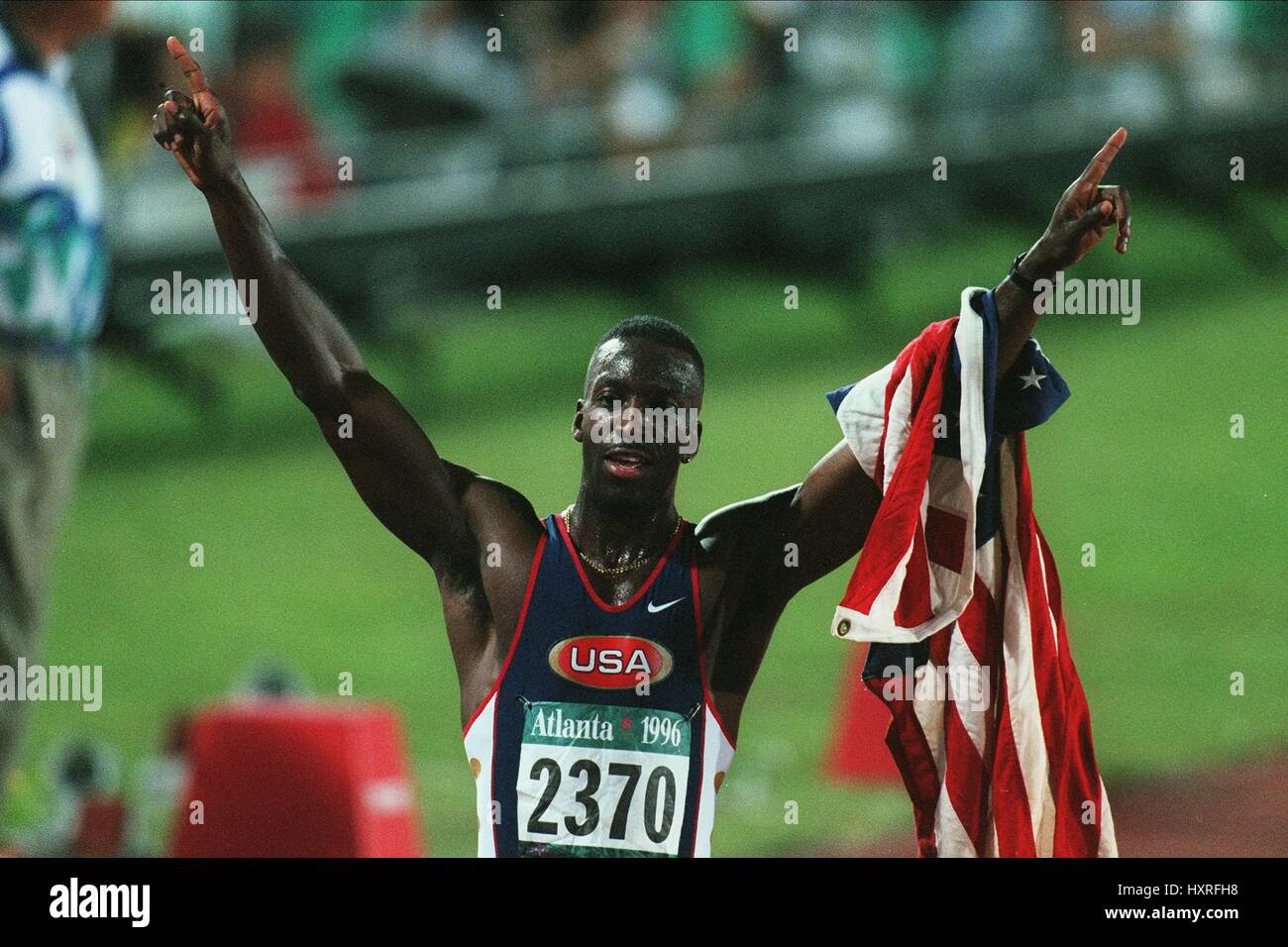
In track and field, French sprinter Marie-José Pérec and Canadian sprinter Donovan Bailey captured global attention, with Bailey setting a world record in the 100-meter dash. American sprinter Michael Johnson achieved an unprecedented historical feat by winning gold in both the 200-meter and 400-meter events, a double-gold performance that required a specialized schedule adjustment by Olympic organizers. Meanwhile, the U.S. women's basketball team began an era of absolute international dominance, and boxer Muhammad Ali delivered a profoundly moving moment by lighting the Olympic flame during the opening ceremony, transcending sports to unite a global audience.
Long-Term Legacy and Historical Assessment
Decades after the closing ceremony on August 4, 1996, the legacy of the Atlanta Olympic Games remains a subject of multifaceted academic and urban analysis. On one hand, the Games successfully elevated Atlanta's profile on the international stage, cementing its status as a global city, enhancing its convention and tourism industries, and leaving behind durable sports and park infrastructure that continues to serve the public. Centennial Olympic Park remains a thriving downtown anchor, and the residential transformations at Georgia Tech and surrounding neighborhoods reshaped the local real estate and educational landscape.
On the other hand, the event highlighted the deep socio-economic divides inherent in mega-event hosting. The displacement of low-income communities, the commercial saturation of public spaces, and the shadow of the Centennial Olympic Park bombing remain central to the historical narrative. Ultimately, the 1996 Atlanta Olympics serve as a complex blueprint for modern sports governance—illustrating both the immense organizational potential of private-public event execution and the profound responsibilities host cities bear toward their most vulnerable residents.
Frequently Asked Questions About the 1996 Atlanta Olympics
Who lit the Olympic flame at the 1996 Atlanta opening ceremony?
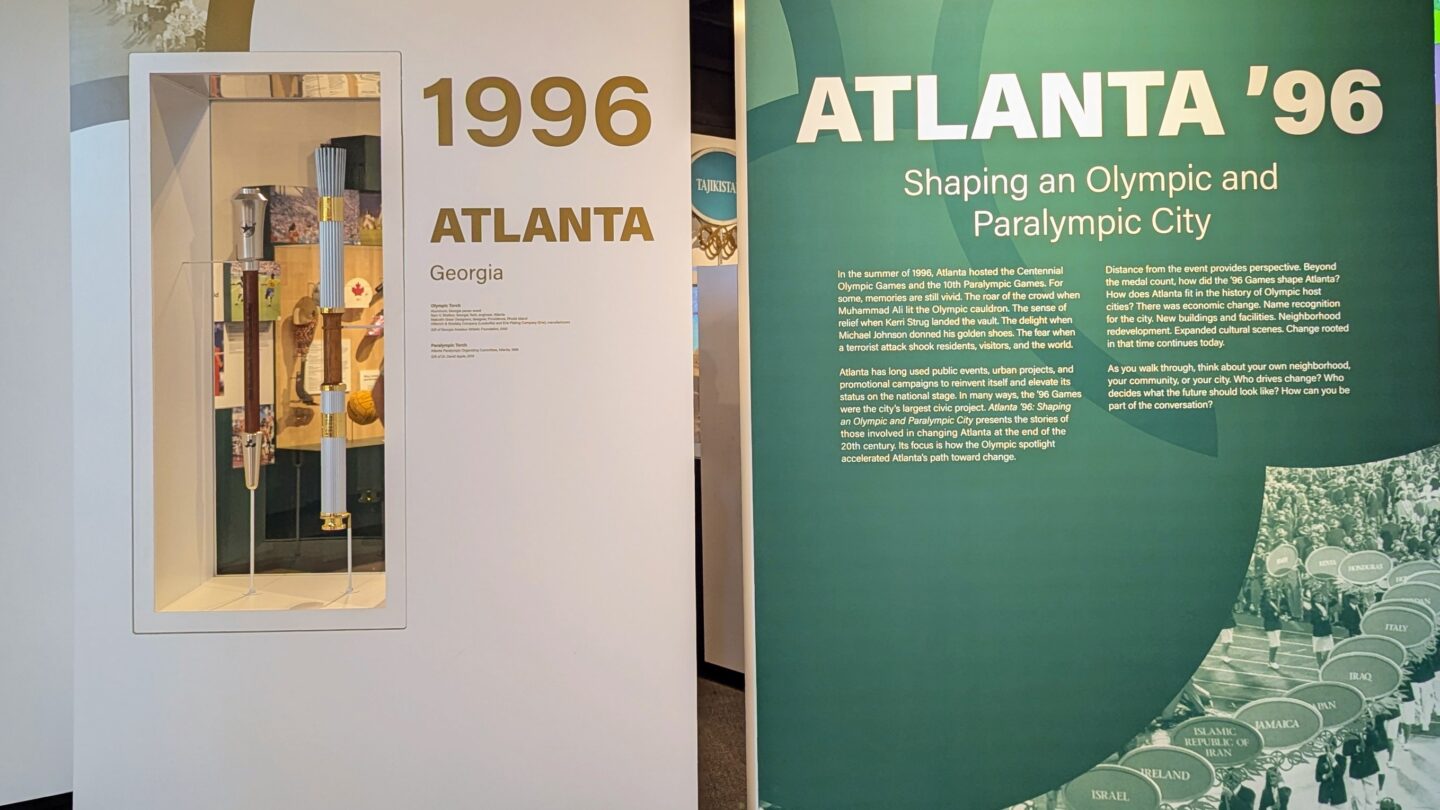
The Olympic flame was lit by legendary boxer Muhammad Ali during the opening ceremony on July 19, 1996. This poignant moment was kept a closely guarded secret until Ali emerged to hold the torch, providing an emotionally resonant highlight that bridged athletic achievement and global civil rights history.
How were the 1996 Atlanta Olympics funded?
The Games were funded primarily through a private-public model led by the Atlanta Committee for the Olympic Games (ACOG). Rather than relying on substantial taxpayer funds, the organizing committee financed operations through corporate sponsorships, international broadcast rights, ticket sales, and official merchandise licensing.
What was the Centennial Olympic Park bombing?
The Centennial Olympic Park bombing was a domestic terrorist attack that occurred on July 27, 1996, during the middle of the Games. A pipe bomb planted by Eric Rudolph exploded in the crowded downtown park, killing one person and injuring 111 others, leading to heightened security measures for the remainder of the event.
Which country won the most medals at the 1996 Summer Olympics?
The United States won the most medals at the 1996 Atlanta Games, capturing a total of 101 medals, which included 44 gold, 32 silver, and 25 bronze medals. Russia finished second in the overall medal standings with 63 total medals.
What lasting infrastructure remains from the 1996 Atlanta Olympics?
Prominent lasting infrastructure includes Centennial Olympic Park, which remains a central public space in downtown Atlanta, as well as student housing and athletic facilities utilized by the Georgia Institute of Technology, and various roadway and transportation enhancements throughout the metropolitan area.
Planning Your Retrospective or Historical Research on the 1996 Games
Researchers, journalists, and sports historians examining the 1996 Atlanta Olympic Games should consult primary archives housed at the Atlanta History Center, the Kenan Research Center, and official IOC historical documentation. When analyzing the economic and social impacts of the event, cross-reference municipal planning documents with contemporary sociological studies regarding urban displacement to gain a balanced perspective on the duality of Olympic urbanism.