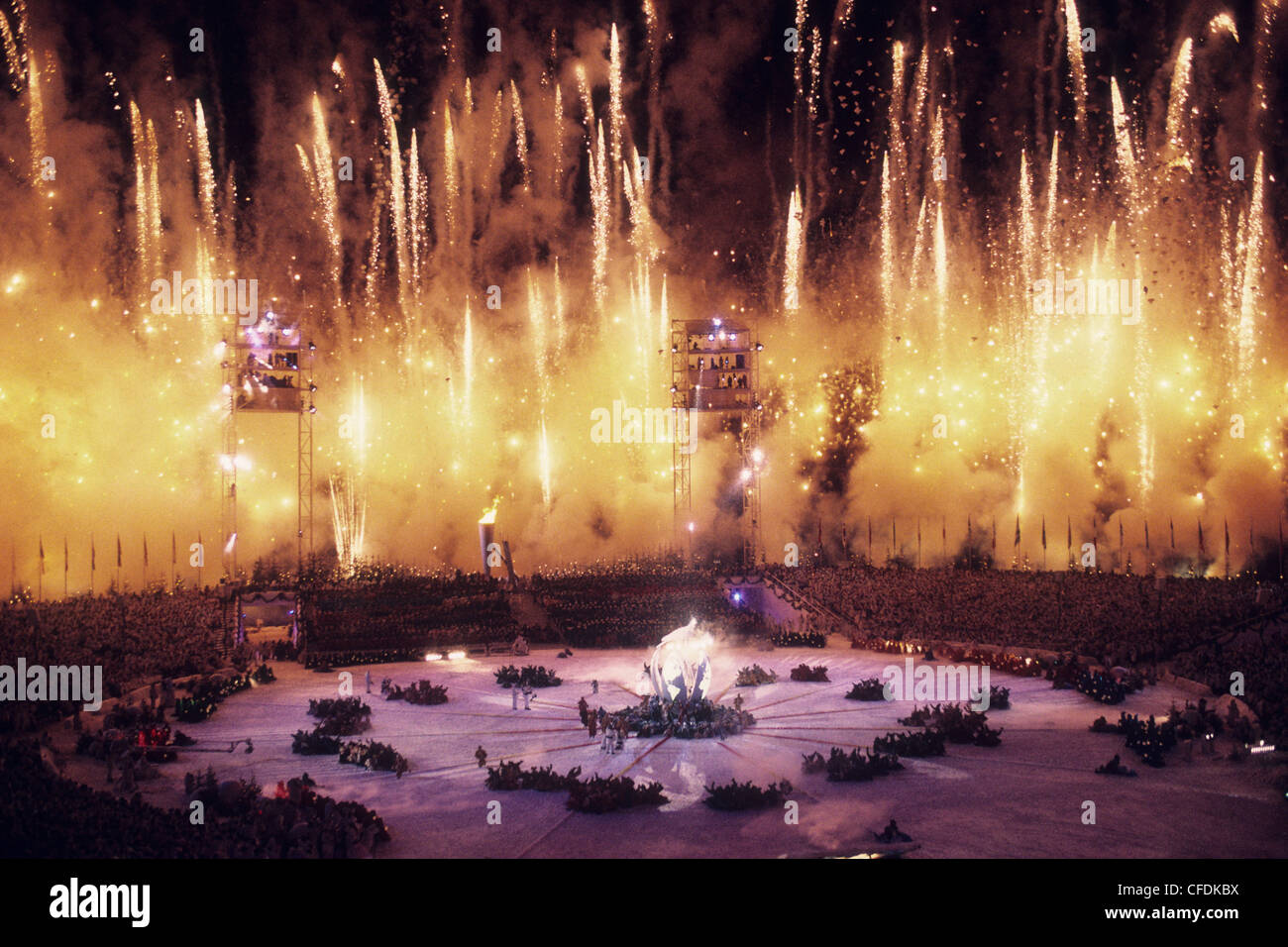
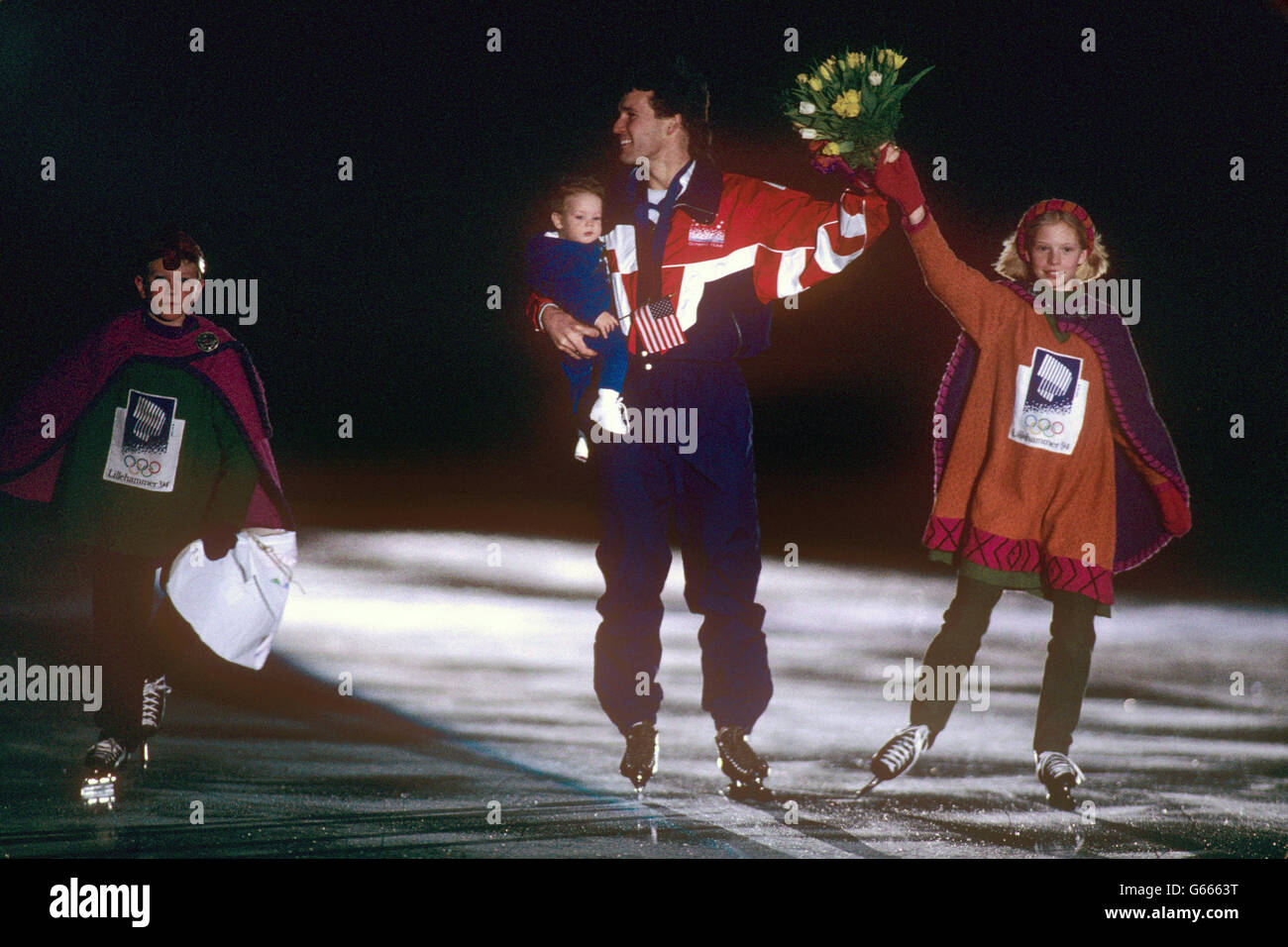
The 1994 Winter Olympics, officially known as the XVII Olympic Winter Games, were held in Lillehammer, Norway, from February 12 to 27, 1994. Distinguished as the first Winter Games held in a separate year from the Summer Games following the International Olympic Committee's 1986 scheduling adjustment, Lillehammer 1994 set a benchmark for environmental sustainability, spectator attendance, and organizational execution in the modern Olympic movement.
Historical Context and the Shift in Olympic Scheduling
The decision to decouple the Winter and Summer Olympic Games stands as a watershed moment in the history of international sports administration. Prior to 1994, Winter and Summer Olympics were traditionally held in the same calendar year, creating a crowded quadrennial cycle that strained the resources of host nations, broadcasters, and international sports federations alike. In 1986, the International Olympic Committee voted to stagger the games, placing a two-year interval between them.
This scheduling reform meant that only two years elapsed between the conclusion of the 1992 Winter Olympics in Albertville, France, and the opening of the Lillehammer games. Despite the compressed preparation window, Norway leveraged its profound cultural affinity for winter sports to deliver a seamless event. The choice of Lillehammer—a small town located approximately 180 kilometers north of Oslo—emphasized a return to a compact, nature-integrated venue footprint rather than the sprawling urban developments that characterized prior and subsequent editions.
Furthermore, the 1994 Games took place against a backdrop of significant geopolitical transformation. The dissolution of the Soviet Union led to the formation of the Unified Team in 1992, but by 1994, former Soviet republics competed independently under their own national flags for the first time in the Winter Games. This geopolitical shift expanded the competitive landscape, introducing new national delegations and intensifying athletic rivalries on the ice and snow.
Environmental Innovation and Venue Construction
Lillehammer 1994 established the modern standard for environmental consciousness in mega-sporting events, earning recognition from international environmental organizations for its minimalist and sustainable approach to venue construction. Organizers recognized that hosting the games in a fragile ecological region required strict adherence to conservation principles, leading to the integration of the "Green Olympics" concept.
A prime example of this philosophy was the construction of the Gjøvik Olympic Cavern Hall, known as Fjellhallen. Rather than building a traditional standalone arena, engineers blasted the main ice hockey venue directly into the solid rock of a mountain inside the town of Gjøvik. This subterranean design minimized surface disruption, preserved local forestry, and provided natural insulation that reduced long-term energy consumption for climate control.
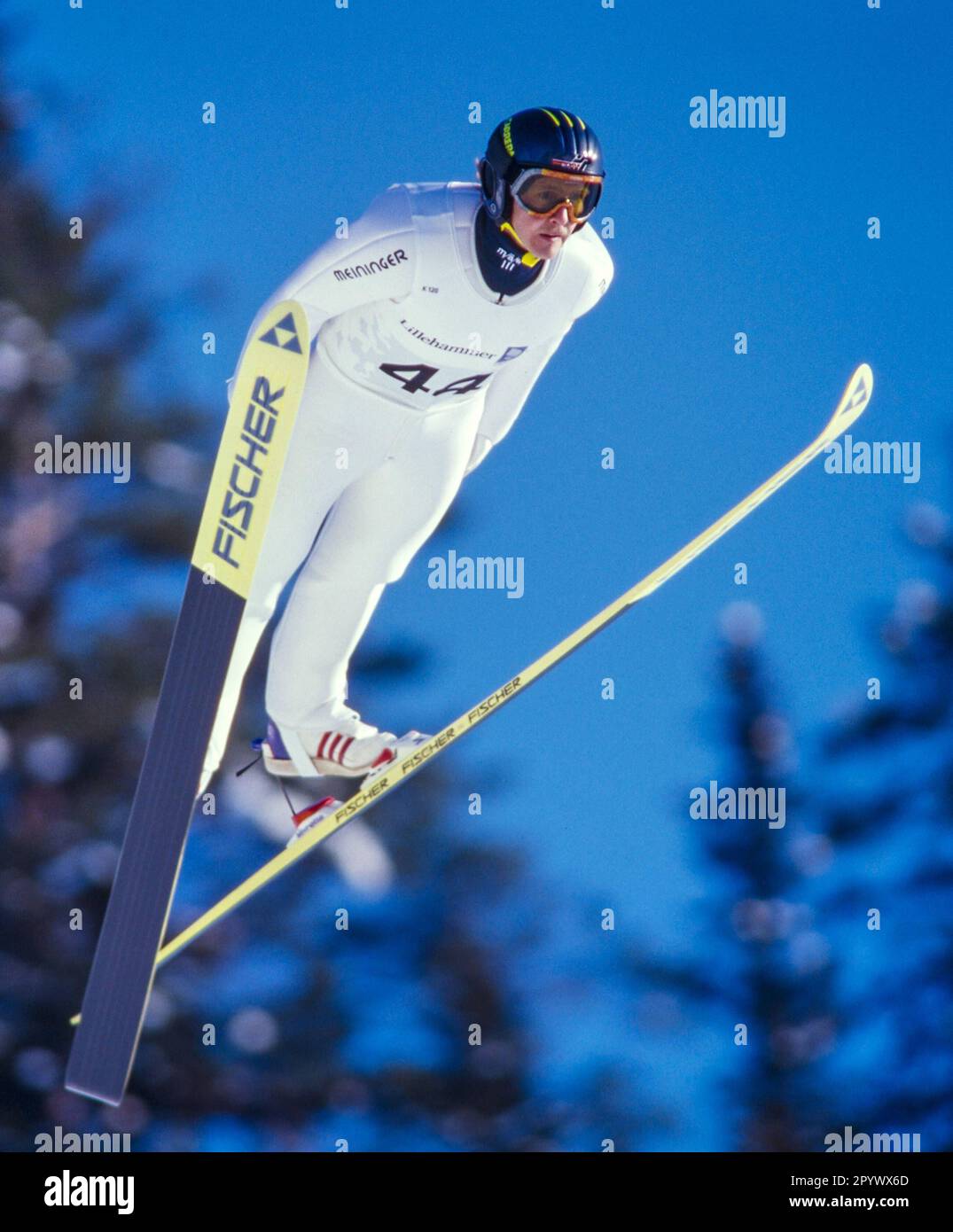
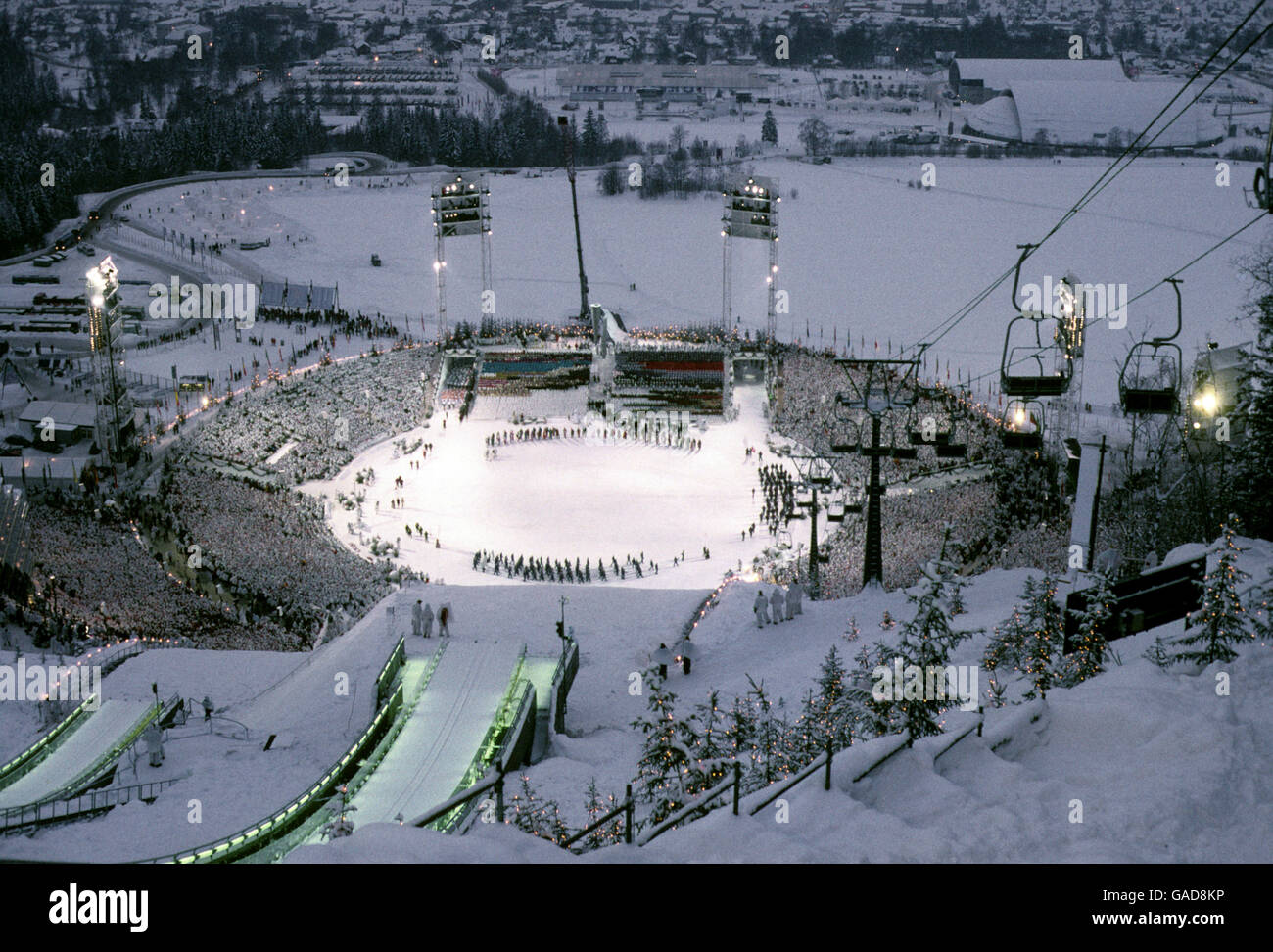
Similarly, other venues were meticulously sited to protect local ecosystems and reduce urban sprawl. The Lysgårdsbakken ski jumping hill was designed with wind nets to ensure fair competition while harmonizing with the surrounding topography. Organizers also mandated strict waste management protocols, extensive recycling programs, and the use of public rail transportation to minimize the carbon footprint of the hundreds of thousands of spectators traveling between venues in Lillehammer, Hamar, and Gjøvik.
Key Athletic Performances and Memorable Moments
The athletic competition at the 1994 Winter Olympics delivered legendary performances that remain etched in sports history. The games were characterized by intense rivalries, dramatic comebacks, and breakthrough victories across ice hockey, figure skating, speed skating, and alpine skiing.
| Event / Sport | Notable Athlete / Team | Achievement or Significance |
|---|---|---|
| Figure Skating | Oksana Baiul (Ukraine) | Won gold in women's singles, edging out Nancy Kerrigan in a heavily scrutinized and intensely mediated competition. |
| Speed Skating | Johann Olav Koss (Norway) | Captured three gold medals on home ice, setting world records in the 1,500m, 5,000m, and 10,000m events. |
| Alpine Skiing | Vreni Schneider (Switzerland) & Bode Miller era precursors | Dominated technical events; Picabo Street (USA) claimed downhill silver, launching her prominent career. |
| Ice Hockey | Team Sweden | Defeated Team Canada in a dramatic penalty shootout during the gold medal match to secure their first Olympic title in the modern era. |
The figure skating competition, in particular, captured global media attention due to the domestic assault scandal involving American skater Nancy Kerrigan prior to the U.S. Olympic trials. The subsequent showdown between Kerrigan and eventual gold medalist Oksana Baiul drew historic television ratings. Meanwhile, Norwegian speed skater Johann Olav Koss captured the hearts of the host nation by donating his substantial prize money to Norwegian humanitarian efforts, epitomizing the cultural ethos of the games.
Cultural Impact and Norwegian Stewardship
The success of the 1994 Winter Games is frequently attributed to the concept of friluftsliv—the Norwegian philosophy of open-air living—and the enthusiastic hospitality of the local population. More than 9,000 volunteers contributed to the operation of the games, creating an atmosphere of community involvement that contrasted sharply with the commercialized scale of later Olympic editions.
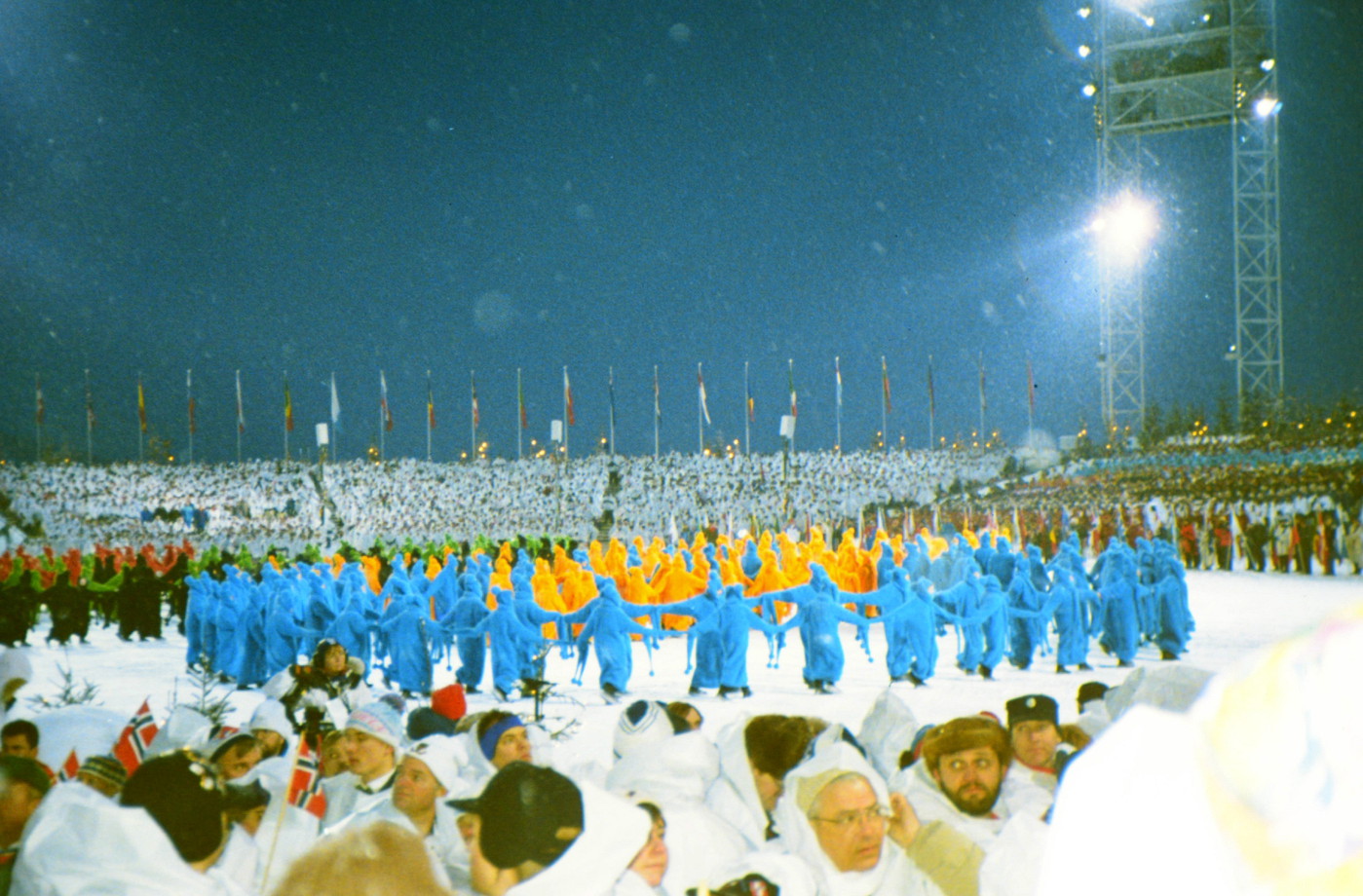
The cultural program accompanying the athletic events highlighted traditional Norwegian arts, folk music, and indigenous Sámi culture, ensuring that the identity of the host nation remained at the forefront of the international broadcast. This cultural authenticity resonated with athletes and visitors alike, fostering a warm, celebratory environment despite sub-zero temperatures and heavy snowfall.
Economic and Long-Term Legacy
Evaluating the legacy of the 1994 Winter Olympics requires examining both financial performance and long-term infrastructure utility. Unlike subsequent Olympic hosts that struggled with white elephant venues falling into disrepair, Lillehammer and its surrounding municipalities implemented a rigorous post-games utilization plan.
Key financial and infrastructural outcomes of the Lillehammer games include:
- Prudent Budgeting: The organizing committee operated under a balanced budget, utilizing existing infrastructure where possible and designing new facilities with explicit post-games community and educational purposes in mind.
- Venue Re-use: Facilities such as the Hamar Olympic Hall (Vikingskipet) and the Lillehammer Olympic Bobsleigh and Luge Track continue to host international World Cup events and serve as regional sports and recreation centers.
- Tourism Growth: The games permanently elevated Norway’s profile as a premier international destination for winter sports tourism, boosting long-term hospitality revenue.
Frequently Asked Questions About the 1994 Winter Olympics
Who won the most medals at the 1994 Winter Olympics?
Russia led the overall medal table at the 1994 Winter Olympics, capturing a total of 23 medals, including 11 golds. Norway finished second in total medals with 26, but secured fewer gold medals (10), while Germany placed third with 24 total medals.
Why were the 1994 Winter Olympics held only two years after the 1992 Games?
The International Olympic Committee voted in 1986 to separate the Summer and Winter Olympic cycles. By scheduling the 1994 Winter Games two years after the 1992 Albertville Olympics, the IOC established the modern four-year alternating cycle between summer and winter competitions.
What innovative venue was constructed for the ice hockey events in 1994?
The primary ice hockey venue for the 1994 Games was the Gjøvik Olympic Cavern Hall (Fjellhallen). Engineers blasted this arena directly into the interior of a mountain to preserve the surrounding surface environment and utilize natural thermal insulation.
How did the 1994 Winter Games impact environmental policies in sports?
Lillehammer 1994 pioneered the "Green Olympics" initiative, introducing comprehensive environmental impact assessments, strict waste recycling mandates, energy-efficient venue construction, and extensive reliance on public rail transit to minimize ecological disruption.
Which athlete won three gold medals on home ice during the 1994 Games?
Norwegian speed skater Johann Olav Koss won three gold medals in the 1,500-meter, 5,000-meter, and 10,000-meter events, setting world records in all three races and donating his cash bonuses to charity.
Ensuring Sustainable Legacy in Modern Event Planning
Stakeholders organizing major international sporting events must prioritize long-term infrastructure utility, ecological conservation, and community integration to mirror the organizational success of Lillehammer 1994. Planners should conduct rigorous environmental audits before breaking ground, ensure that every constructed venue possesses a viable post-games commercial or civic purpose, and foster active volunteer engagement to maintain public support and control operational costs.