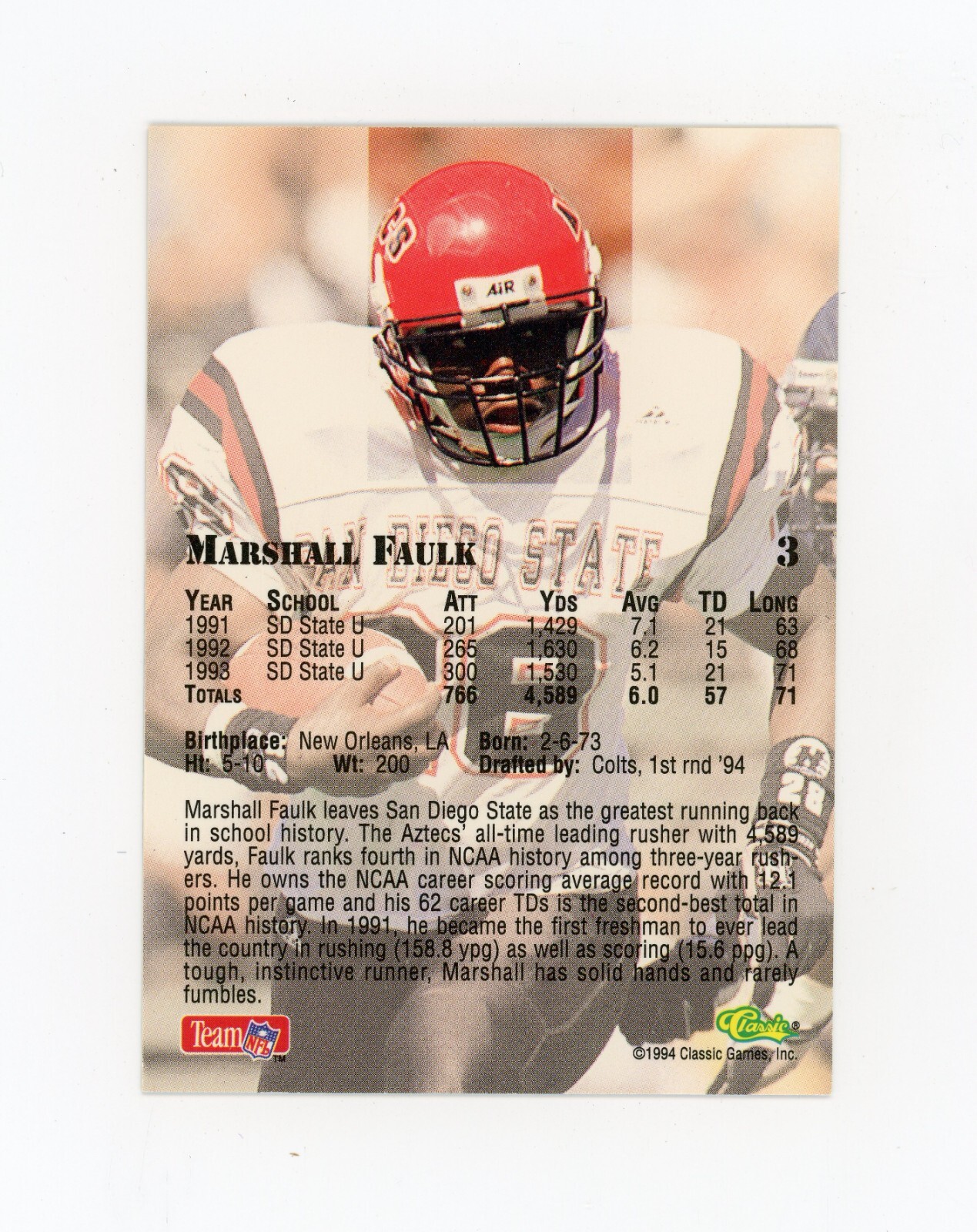
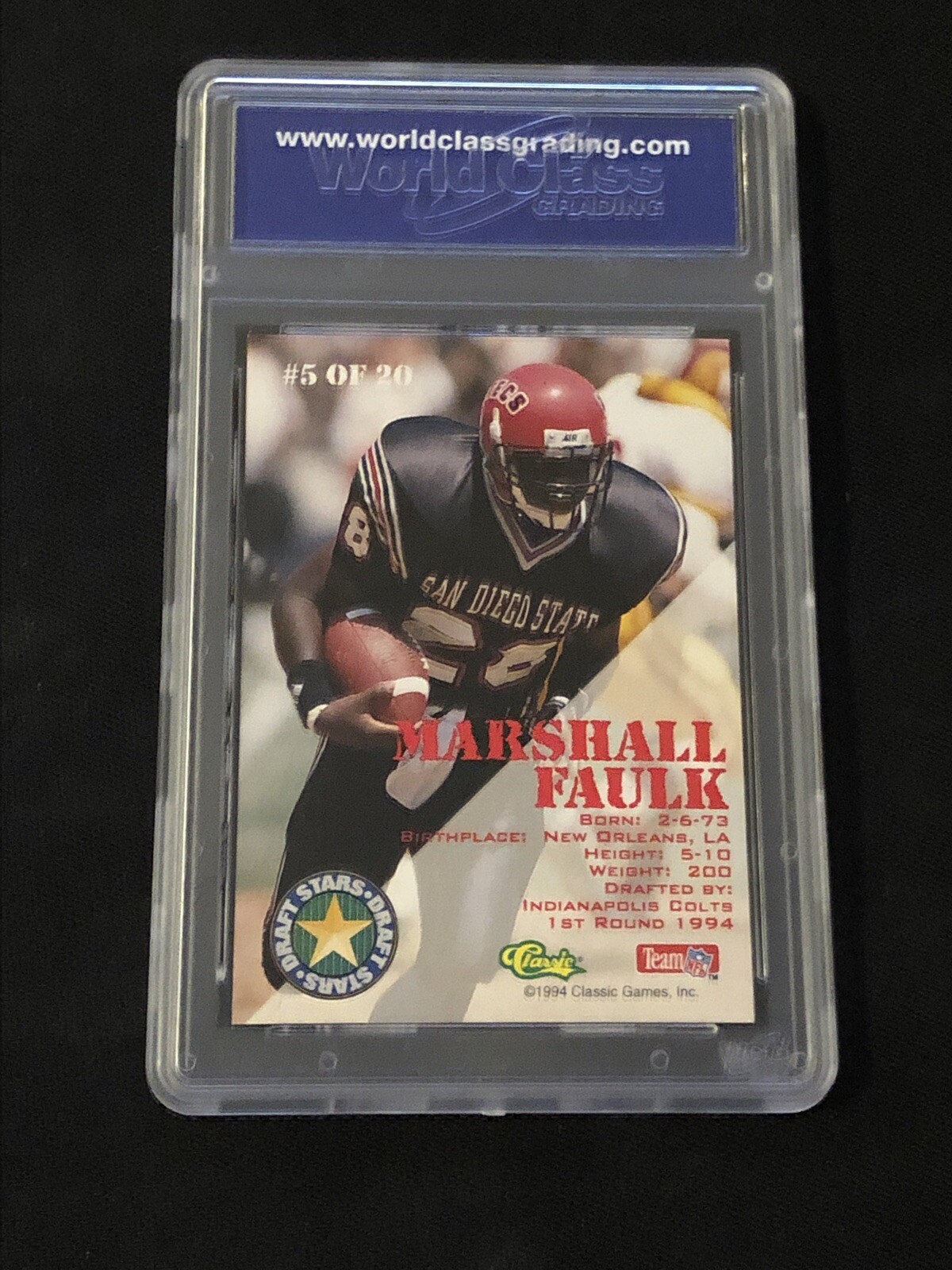
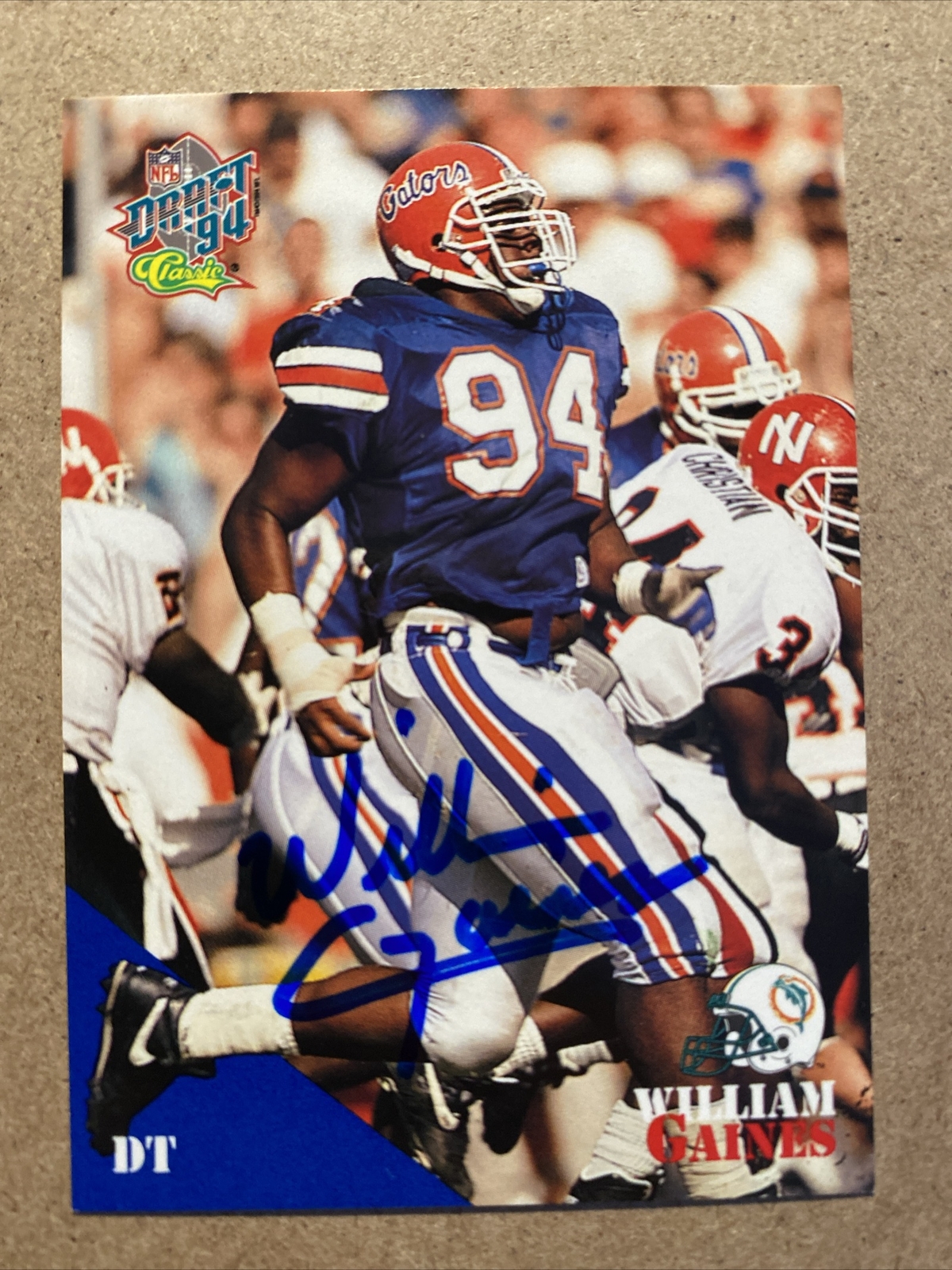
The 1994 NFL Draft stands as a pivotal event in professional football history, notable for its defensive dominance, strategic front-office decisions, and the selection of multiple future Pro Football Hall of Famers. Conducted across two days on April 24-25, 1994, at the Marriott Marquis in New York City, this draft class reshaped several franchises for decades and set a high standard for defensive talent evaluation in the modern era of the National Football League.
Historical Context and Draft Background of 1994
The National Football League entered the 1994 offseason amidst significant structural and financial changes. The implementation of the first modern collective bargaining agreement with a hard salary cap, agreed upon in 1993, fundamentally altered how general managers approached draft boards and rookie contracts. Teams could no longer afford to miss on high-first-round selections without suffering severe financial and competitive consequences under the cap. Consequently, front offices placed a massive premium on thorough scouting, character evaluations, and medical assessments.
The 1994 selection process took place before the modern era of round-by-round television dominance, though it was broadcast extensively on ESPN. The Cincinnati Bengals held the coveted first overall pick following a struggling 1993 campaign. Unlike drafts dominated by franchise quarterbacks, the 1994 class was universally recognized by talent evaluators as extraordinarily rich in elite defensive players, particularly along the defensive line and in the secondary. This foundational reality dictated the strategies of nearly every front office during the opening hours of the event.
First-Round Selections and Defensive Dominance
The defining characteristic of the 1994 NFL Draft unfolded immediately when the Cincinnati Bengals selected defensive tackle Dan Wilkinson out of Ohio State with the first overall pick. Wilkinson possessed a rare combination of immense size, lateral agility, and pass-rushing upside from the interior, making him the consensus top prospect on most big boards. Following the Bengals, the Indianapolis Raiders (then in Los Angeles) selected linebacker Trev Alberts with the fifth overall pick, while the San Francisco 49ers bolstered their defense by trading up or selecting key defensive cornerstones, and the Arizona News selected defensive end Bryant Young seventh overall.
Bryant Young's career proved to be the gold standard of the first round. Spending his entire 14-year career with the San Francisco 49ers, Young earned four Pro Bowl selections, the NFL Comeback Player of the Year award in 1996, and a Super Bowl XXIX title, culminating in his induction into the Pro Football Hall of Fame in 2022. Other notable first-round defensive selections included defensive end Willie McGinest, chosen fourth overall by the New England Patriots, who went on to win three Super Bowls and become a defensive leader for New England's early 2000s dynasty.
Offensive talent was certainly present in the first round, though it lacked the unprecedented defensive depth at the very top. Running back Isaac Bruce was drafted in the second round by the St. Louis Rams, but the first round featured offensive linemen and skill-position players who carved out long, productive careers. Wide receiver Arnell Wilkerson and offensive tackle Wayne Gandy went early, providing stable protection and playmaking ability. However, the overarching narrative of the 1994 first round remained the sheer stopping power of the defensive prospects who came off the board.
| Pick | Team | Player | Position | College | Career Accolades |
|---|---|---|---|---|---|
| 1 | Cincinnati Bengals | Dan Wilkinson | Defensive Tackle | Ohio State | 13-year starter, over 50 career sacks |
| 4 | New England Patriots | Willie McGinest | Defensive End | USC | 3x Super Bowl Champion, 2x Pro Bowl |
| 7 | Phoenix Cardinals | Bryant Young | Defensive End | Notre Dame | Pro Football Hall of Fame, 4x Pro Bowl |
| 12 | Minnesota Vikings | Dewayne Washington | Cornerback | North Carolina State | 13-year career, 31 interceptions |
| 27 | Dallas Cowboys | Shante Carver | Defensive End | Arizona State | First-round selection for defending Super Bowl champions |
Late-Round Gems and Undervalued Prospects
While the top of the draft drew the spotlight, the true genius of the 1994 talent evaluation cycle emerged in the middle and later rounds. Finding franchise-altering talent outside the top thirty selections separates elite scouting departments from struggling ones, and 1994 delivered several legendary late-round finds.
The most prominent example arrived in the sixth round when the St. Louis Rams selected wide receiver Isaac Bruce with the 149th overall pick. Bruce evolved into one of the most prolific wide receivers in NFL history, starring as a central figure in the "Greatest Show on Turf" offense and catching the game-winning touchdown pass in Super Bowl XXXIV. Bruce accumulated over 15,000 career receiving yards and earned a rightful place in the Pro Football Hall of Fame, proving that elite route-running and hands could be discovered far beyond the premium rounds.
Another exceptional find occurred in the seventh round when the Green Bay Packers drafted tackle/guard Matt Turk, though other foundational contributors emerged across the board. Teams that invested heavily in small-school scouting found incredible value. Linebackers, safeties, and depth offensive linemen drafted on Day 2 went on to anchor special teams units and starting lineups for championship contenders, reinforcing the reality that roster construction requires depth across all seven rounds.
Strategic Impact of the 1994 Salary Cap Era
The 1994 draft holds immense historical significance because it was the first conducted under the newly established NFL salary cap. General managers could no longer hoard high-priced veterans or outspend competitors without severe structural limitations. Consequently, securing cost-controlled rookie contracts for immediate impact starters became an existential priority for every franchise.
This financial shift changed how teams traded draft capital. Franchises began valuing future draft picks more accurately, realizing that trading away early-round selections meant losing cheap, productive labor for four to five years. The success rate of the 1994 draft class directly influenced how front offices structured their analytics and scouting departments for the remainder of the decade. Teams that drafted poorly in 1994 struggled to remain compliant under the cap while fielding competitive rosters, while savvy drafters built sustainable cores.
How Front Offices Evaluated Defensive Prospects in 1994
Evaluating defensive talent in the mid-1990s relied heavily on traditional game film study, in-person scouting, and athletic testing at the NFL Scouting Combine, which was still evolving into the mega-event it is today. Scouts placed an immense premium on physical stature, hand usage for defensive linemen, and fluid hips for defensive backs.
- Physical Measurables: Evaluators prioritized height, weight, and arm length thresholds, particularly for edge rushers and interior defensive linemen.
- Game Film and Competition: Performance against top-tier collegiate competition in major conferences carried heavy weight in final draft grades.
- Character and Work Ethic: With larger guaranteed contracts entering the league, background checks and interviews became critical tools to assess commitment.
- Medical Evaluations: Comprehensive physical examinations at the Combine helped mitigate the risk of investing high draft capital in injury-prone athletes.
Frequently Asked Questions About the 1994 NFL Draft
Who was the first overall pick in the 1994 NFL Draft?
The Cincinnati Bengals selected defensive tackle Dan Wilkinson out of Ohio State with the first overall pick. Wilkinson was widely regarded as the most dominant interior defensive line prospect in college football, possessing rare physical traits that convinced Cincinnati to pass on offensive skill players.
Which Pro Football Hall of Famers emerged from the 1994 draft class?
The 1994 draft produced multiple Hall of Famers, most notably defensive end Bryant Young, selected seventh overall by the Phoenix Cardinals, and wide receiver Isaac Bruce, chosen in the second round by the Los Angeles Rams. Both players achieved legendary status and earned enshrinement in Canton.
How did the salary cap impact the 1994 NFL Draft?
The 1994 draft was the first conducted under the league's new salary cap system. This financial constraint placed unprecedented importance on drafting starting-caliber players who provided high production on cost-controlled rookie deals, fundamentally changing how teams managed their draft boards and trades.
What made the 1994 draft class unique compared to other years?
The draft class was historically top-heavy with elite defensive talent. While drafts often center on quarterbacks or offensive skill players, the 1994 first round was dominated by defensive linemen, linebackers, and pass rushers who defined the defensive schemes of the late 1990s and 2000s.
Where did the 1994 NFL Draft take place?
The draft was held at the Marriott Marquis in New York City on April 24-25, 1994. At this time, the event spanned two days, with the first two rounds taking place on the opening day and the remaining rounds completed on day two.
Preserving Historical Draft Analysis and Modern Evaluation
Analyzing historical drafts like the 1994 selection process provides modern football operations, analysts, and fans with valuable perspective on talent evaluation. Observers examining historical draft outcomes should cross-reference official league records, Pro Football Hall of Fame archives, and franchise historical logs to understand the true career trajectories of drafted players. When researching specific teams or trades from this era, consult primary NFL historical documents to verify draft pick compensation and subsequent player performance metrics.