The 1994 figure skating scandal remains one of the most infamous and shocking events in sports history, involving a conspiracy to physically eliminate rival skater Nancy Kerrigan ahead of the Winter Olympics. Orchestrated by individuals connected to competitor Tonya Harding’s inner circle, the attack triggered an unprecedented media frenzy, intense legal fallout, and permanent changes to sports governance and broadcasting culture.
Background and Rivalry: The Rise of Harding and Kerrigan
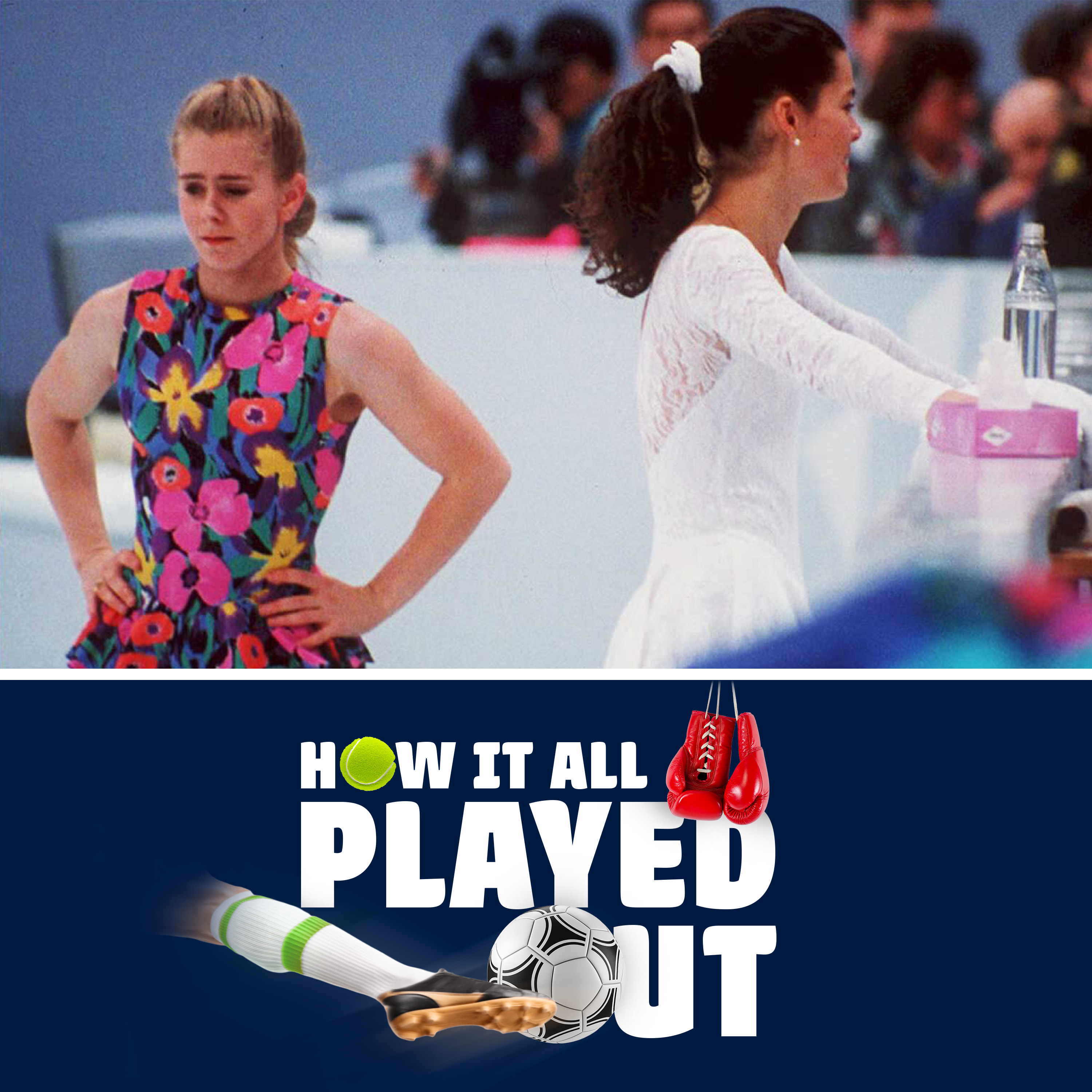
During the early 1990s, American women’s figure skating experienced a golden era defined by starkly contrasting personalities, training methods, and skating styles. Nancy Kerrigan, hailing from Stoneham, Massachusetts, embodied classic elegance, precise technical execution, and poise. Supported by major corporate sponsorships and a polished public image, she was widely regarded as a favorite for the United States Olympic team.
Conversely, Tonya Harding, from Portland, Oregon, represented a raw, athletic powerhouse. Known for being one of the few women capable of landing the treacherous triple axel jump in international competition, Harding struggled against the traditional aesthetic expectations favored by judges and skating officialdom. This stylistic divide created an intense media-fueled rivalry that dominated domestic competitions leading up to the 1994 Lillehammer Winter Olympics.
The friction between their respective camps reached its peak at the United States Figure Skating Championships held in Detroit, Michigan, in January 1994. Both athletes were vying for the coveted top spots on the Olympic squad, raising the competitive stakes to a volatile level.
The Attack on Nancy Kerrigan at Cobo Arena
On January 6, 1994, during a practice session at Cobo Arena in Detroit, the rivalry shifted from athletic competition to criminal conspiracy. As Nancy Kerrigan stepped off the ice and walked toward a corridor leading to the locker rooms, an assailant approached her from behind and struck her lower right leg with an iron telescopic baton.
Kerrigan collapsed to the ground, screaming in pain, while the attacker fled the scene through a poorly secured exit door. The immediate aftermath was captured by a television news crew, broadcasting haunting footage of a crying Kerrigan asking, "Why? Why? Why?"
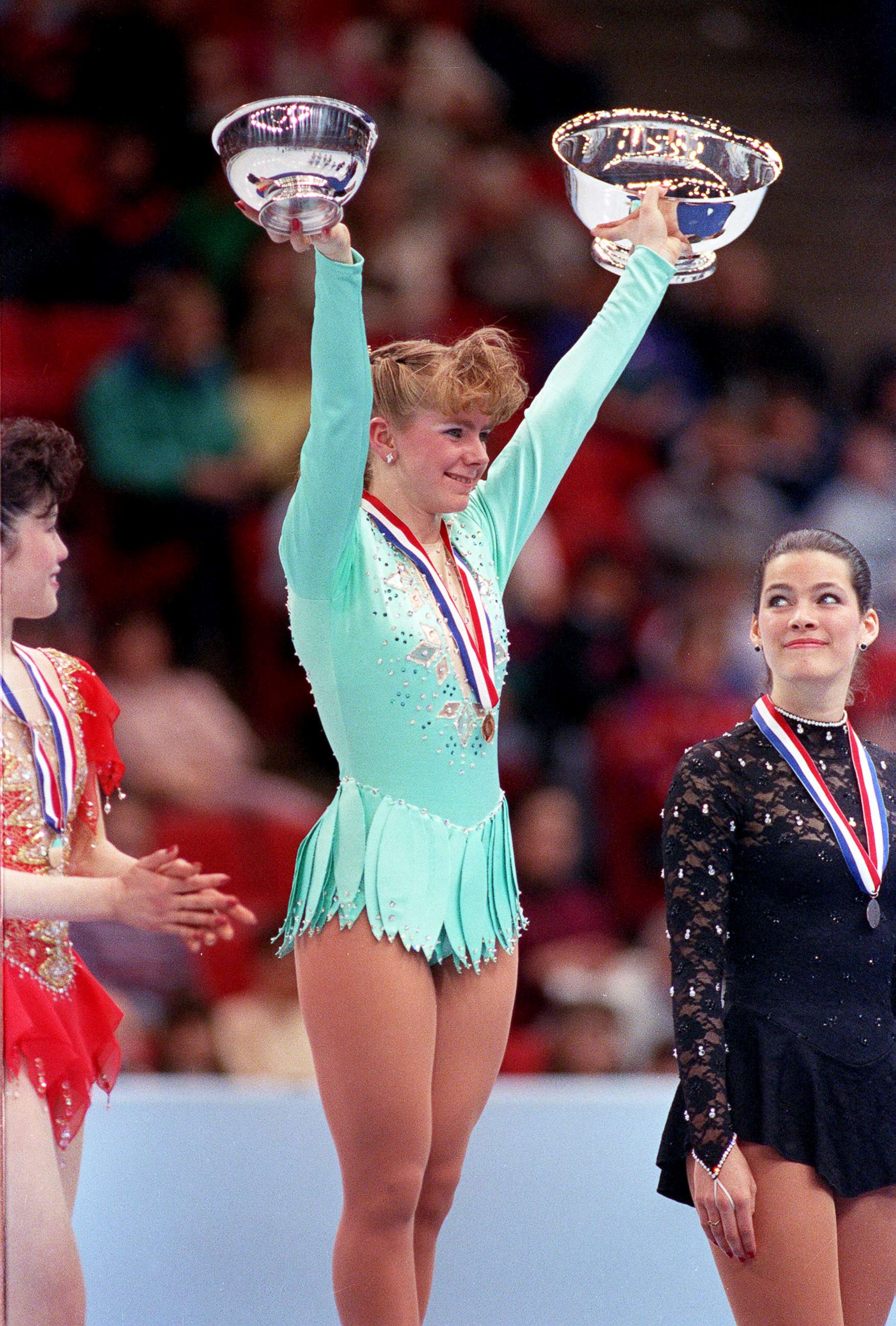
The physical blow narrowly missed shattering her bone, but the severe bruising and swelling forced her to withdraw from the national championships. Despite her inability to finish the event, the United States Figure Skating Association (USFSA) exercised its discretion to name Kerrigan to the Olympic team alongside Harding, who won the gold medal at the troubled event.
Investigation and the Unraveling of the Conspiracy
Law enforcement and federal investigators moved swiftly, recognizing that the precision and timing of the assault pointed toward a targeted hit rather than a random act of street violence. Within days, authorities identified suspicious details linking the perpetrators to Harding's immediate circle.
The getaway car used in the attack was traced to a rental vehicle secured by Shawn Eckardt, who served as Tonya Harding’s bodyguard. Eckardt, along with Shane Stant—the actual assailant hired to deliver the blow—and Derrick Smith, the getaway driver, were arrested shortly after the incident.
As pressure from the Federal Bureau of Investigation (FBI) and local prosecutors mounted, the conspiracy quickly unraveled. Investigators discovered that Jeff Gillooly, Harding’s ex-husband and manager, had met with Eckardt to plan the assault. The primary objective was straightforward: incapacitate Kerrigan so she could not compete at the Olympic trials or the upcoming Winter Games, thereby securing an uncontested path for Harding.
| Individual Involved | Role in the 1994 Conspiracy | Legal Consequences |
|---|---|---|
| Shane Stant | Hired assailant who struck Nancy Kerrigan | Pleaded guilty to conspiracy; sentenced to prison |
| Shawn Eckardt | Bodyguard who planned the logistics | Pleaded guilty to racketeering; sentenced to prison |
| Jeff Gillooly | Ex-husband and mastermind of the plot | Pleaded guilty to racketeering; served prison time |
| Derrick Smith | Getaway driver for the assault | Pleaded guilty to conspiracy; sentenced to prison |
| Tonya Harding | Knowledge before or after the event | Pleaded guilty to hindering prosecution; lifetime ban |
Tonya Harding’s Complicity and Legal Fallout
The central question that captivated the public and legal investigators was whether Tonya Harding had prior knowledge of the attack or actively participated in its planning. Initially, Harding denied any involvement, maintaining that she learned of the plot only after it occurred.
However, subsequent evidence and plea agreements from her co-conspirators painted a more damning picture. Prosecutors accumulated telephone records showing extensive communication between Harding’s home, her ex-husband, and the conspirators around the dates of the planning and execution. Faced with overwhelming evidence and the prospect of perjury charges that could carry a lengthy prison sentence, Harding entered a plea agreement in March 1994.
She pleaded guilty to conspiring to hinder the prosecution. Her sentence included three years of probation, 500 hours of community service, a $100,000 fine, and the formal resignation of her placement in competitive skating organizations.
The 1994 Lillehammer Olympics Media Circus
Despite the legal turmoil and national controversy, both Nancy Kerrigan and Tonya Harding traveled to Norway for the 1994 Winter Olympics in Lillehammer. The event transformed into a massive international media spectacle, drawing unprecedented television ratings that rivaled major political events and Super Bowls.
The press corps descended upon the Olympic village, staking out training sessions, press conferences, and even the dormitories of the athletes. The atmosphere was fraught with tension as the media sought to pit the two skaters against each other in real time.
| Skater | Outcome at the 1994 Lillehammer Olympics | Post-Olympic Career Path |
|---|---|---|
| Nancy Kerrigan | Won the Silver Medal | Transitioned to professional ice shows and media commentary |
| Tonya Harding | Placed 8th overall after equipment failure | Pursued professional boxing and alternative entertainment |
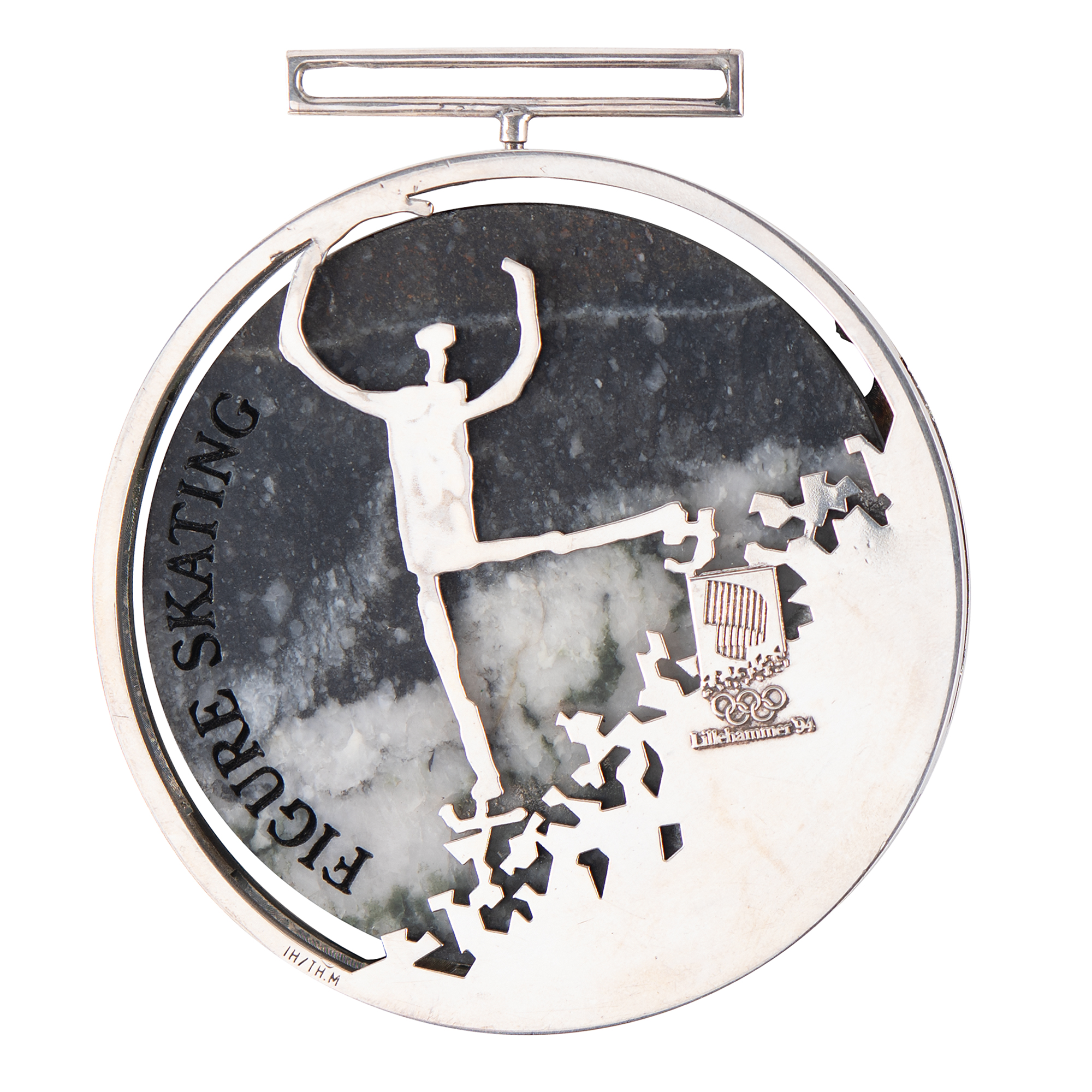
During the free skate competition, Kerrigan delivered a nearly flawless performance, ultimately winning the Olympic silver medal behind Ukraine's Oksana Baiul. Harding suffered a humiliating equipment failure when a lace on her skate broke, leading to a tearful plea to the judges to restart her routine, resulting in an eighth-place finish.
Long-Term Impact on Figure Skating and Sports Culture
The fallout from the 1994 scandal permanently altered the governance, security, and media coverage of amateur and professional sports. The USFSA and the International Skating Union (ISU) enacted stringent disciplinary protocols to prevent athletes and their entourages from engaging in unsportsmanlike conduct or undermining the integrity of competitions.
Furthermore, sports journalism underwent a cultural shift. The intense commercialization and tabloid-style coverage of the scandal blurred the lines between hard news and sports entertainment, a trend that foreshadowed the modern era of round-the-clock sports broadcasting and social media scrutiny.
Frequently Asked Questions
Who orchestrated the attack on Nancy Kerrigan?
The attack was masterminded by Jeff Gillooly, Tonya Harding’s ex-husband, alongside bodyguard Shawn Eckardt, who hired Shane Stant to execute the physical assault at Cobo Arena in Detroit.
Was Tonya Harding banned from figure skating permanently?
Yes. Following her guilty plea for hindering the prosecution, the United States Figure Skating Association stripped her of her 1994 national title and handed down a lifetime ban from participating in USFSA-sanctioned events as a skater or coach.
Did Nancy Kerrigan win an Olympic medal after the attack?
Yes. Despite suffering a bruised knee that forced her to withdraw from the national championships, Kerrigan recovered in time for the 1994 Lillehammer Winter Olympics, where she won the silver medal.
What happened to the perpetrators of the assault?
Shane Stant, Shawn Eckardt, Derrick Smith, and Jeff Gillooly all served prison sentences or received probation after pleading guilty to various charges ranging from conspiracy to racketeering.
How did the scandal impact television ratings?
The women's figure skating event at the 1994 Lillehammer Olympics became one of the most-watched television broadcasts in American history, driven by the intense global media attention surrounding the rivalry and the attack.
Ensuring Fair Play and Protecting Athletic Integrity
To safeguard the future of competitive athletics from similar compromises, sports organizations must maintain rigorous compliance, independent oversight, and transparent security protocols around training and competition venues. Governing bodies should prioritize strict background checks for entourage members and establish confidential reporting channels for athletes who face intimidation, harassment, or security threats. Strengthening these institutional safeguards ensures that athletic competition remains decided solely by merit, training, and fair play on the field of play.