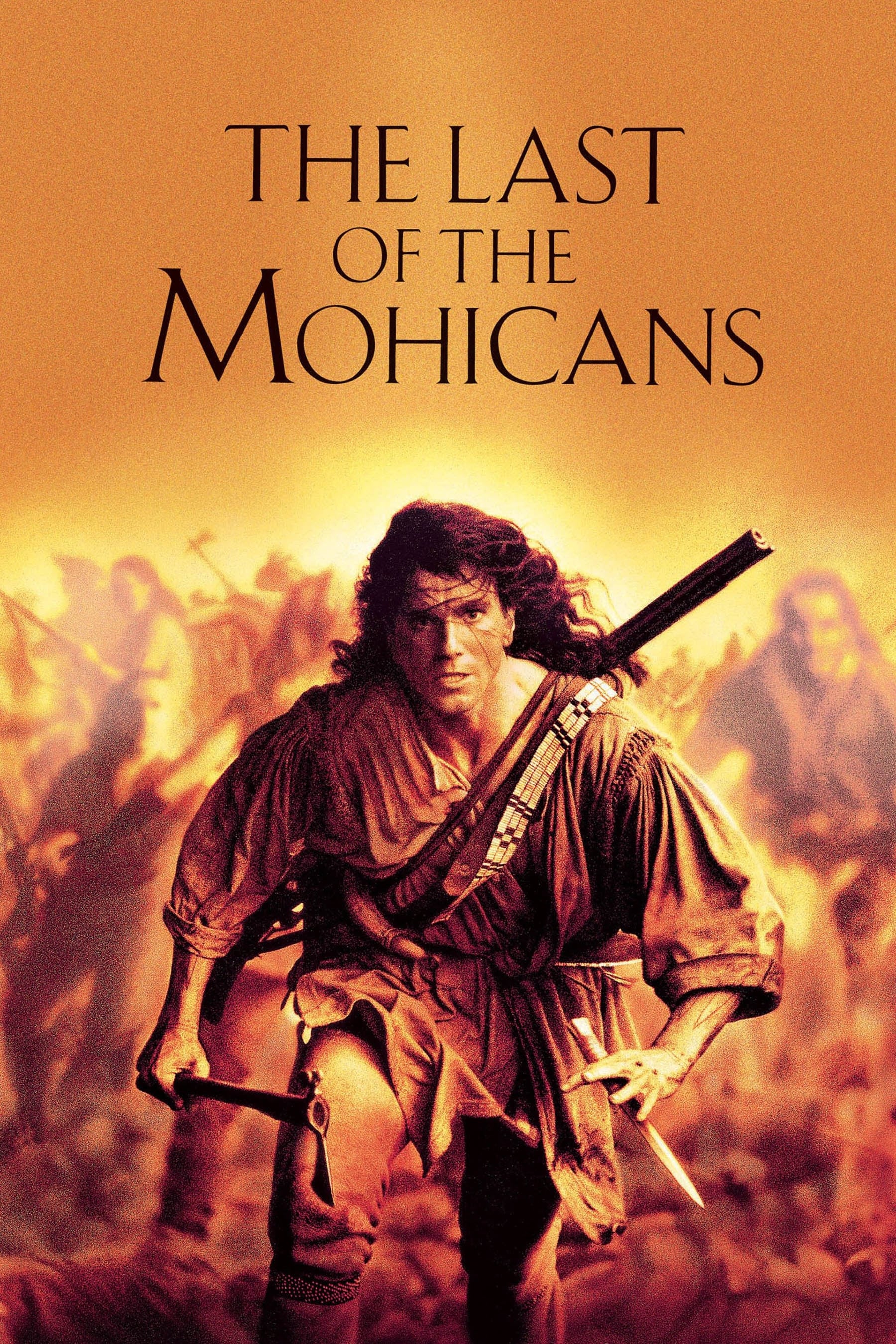
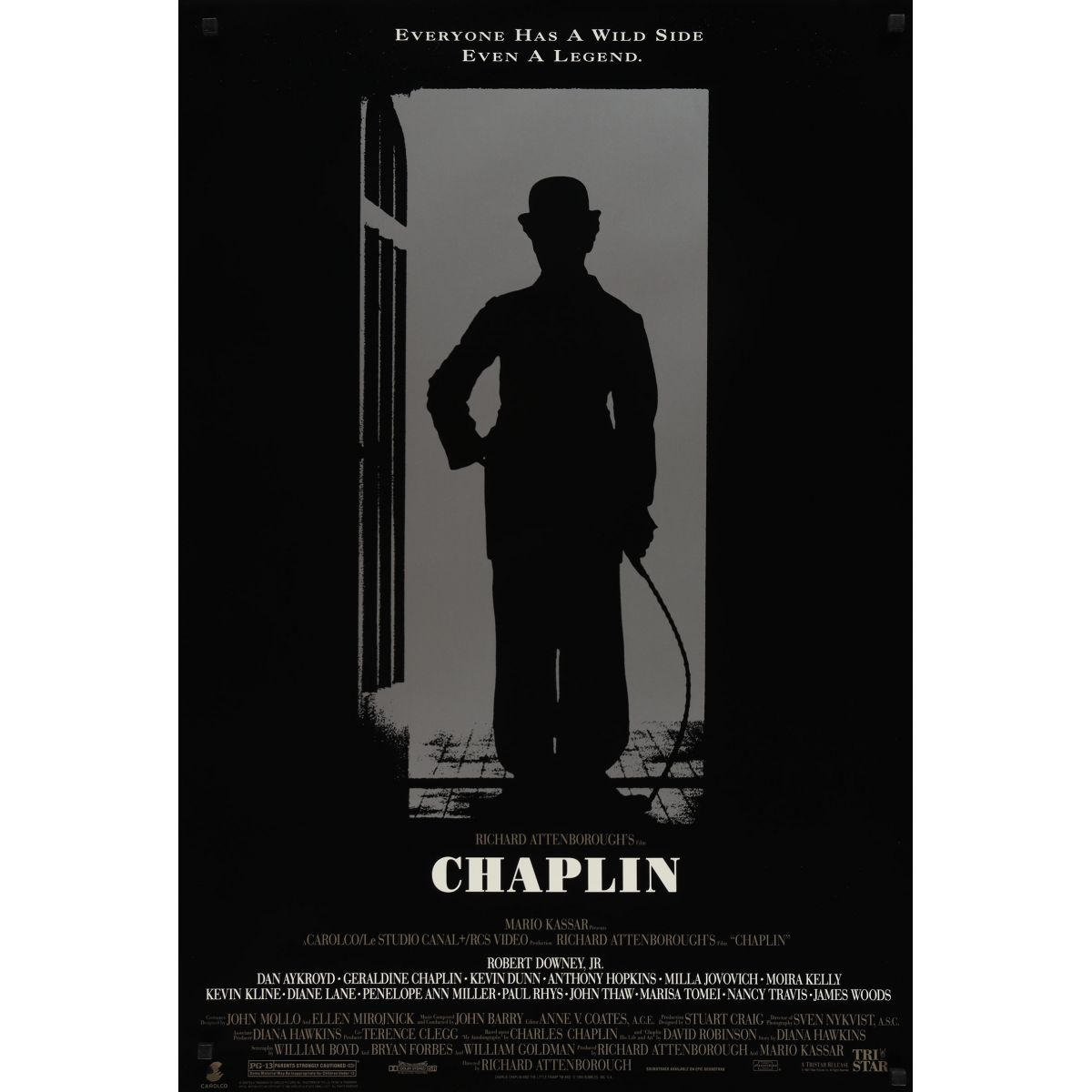
The year 1992 was a watershed moment for the global film industry, characterized by the commercial dominance of high-concept blockbusters, the rise of independent cinema as a major cultural force, and the introduction of advanced visual effects that redefined genre filmmaking. This cinematic ecosystem balanced massive studio investments with gritty, character-driven storytelling, leaving an enduring legacy on modern entertainment.
Historical and Industrial Context of 1992 Cinema
The early 1990s represented a period of profound transition for Hollywood and international film studios. The global box office was recovering from economic shifts, and studios increasingly relied on high-budget event movies to guarantee returns. At the same time, the affordability of independent financing and the growing influence of film festivals created a parallel market that championed auteur-driven visions. This duality defined 1992, a year where mainstream blockbusters shared marquee space with low-budget productions that challenged conventional narrative structures.
Technically, the industry was on the cusp of a digital revolution. While traditional photochemical filmmaking and practical physical effects remained the industry standard, computer-generated imagery (CGI) was beginning to make strategic inroads. The year bridged the gap between the practical creature-feature era of the 1980s and the fully immersive digital spectacles that would dominate the late 1990s and 2000s. This environment allowed filmmakers to push boundaries in both storytelling audacity and technical execution.
Dominant Genres and Landmark Releases
Studio slates in 1992 were heavily populated by psychological thrillers, neo-noir crime dramas, historical epics, and genre-defining science fiction. The thriller genre, in particular, experienced a massive commercial peak, driven by adult-oriented narratives that captured cultural anxieties. Simultaneously, animation underwent a renaissance that paved the way for the family-film boom of the decade.
Landmark releases from this period demonstrated a remarkable stylistic range. Clint Eastwood’s revisionist Western Unforgiven swept the Academy Awards, deconstructing the mythos of the American frontier and earning widespread critical acclaim. In the realm of science fiction and action, films like Alien 3 pushed franchise storytelling into darker, more existential territory, while fantasy and adventure films continued to capture global audiences with sweeping set pieces and practical wizardry.
| Film Title | Primary Genre | Key Creative Figures | Major Accolades & Impact |
|---|---|---|---|
| Unforgiven | Western / Drama | Clint Eastwood, Gene Hackman | Academy Award for Best Picture and Best Director |
| Reservoir Dogs | Crime / Thriller | Quentin Tarantino, Harvey Keitel | Redefined independent crime cinema and nonlinear storytelling |
| Bram Stoker's Dracula | Horror / Romance | Francis Ford Coppola, Gary Oldman | Academy Award for Costume Design, Art Direction, and Makeup |
| Aladdin | Animated / Musical | Ron Clements, John Musker, Robin Williams | Sparked the Disney Renaissance box-office dominance |
| Basic Instinct | Neo-Noir / Thriller | Paul Verhoeven, Sharon Stone, Michael Douglas | Cultural phenomenon; redefined erotic thriller marketing and tropes |
The Rise of Independent Cinema and Directorial Voices
One of the most enduring legacies of 1992 was the commercial and critical breakthrough of independent filmmaking. The Sundance Film Festival and independent distribution houses began to command mainstream attention, proving that films produced outside the traditional major studio system could achieve both cultural resonance and box-office profitability.
This movement introduced audiences to distinct directorial voices that prioritized sharp dialogue, moral ambiguity, and unconventional narrative structures over formulaic studio plotting. The emergence of these fresh cinematic perspectives permanently altered how studios scouted talent, leading to a symbiotic relationship where major studios frequently hired indie auteurs to helm high-profile projects. This crossover injected fresh creative energy into aging studio franchises and diversified the types of stories told on a global scale.
Technological Evolution and Visual Effects
The technical production standards of 1992 films relied heavily on advanced practical effects, miniature models, and matte paintings, complemented by the earliest implementations of digital compositing. While fully digital characters were still years away, films released this year showcased the absolute pinnacle of mechanical creature creation, animatronics, and in-camera optical illusions.
Cinematographers also experimented with high-speed film stocks, challenging lighting ratios, and atmospheric color grading to establish distinct moods. The emphasis on tangible, physical spaces gave films from this era a visceral weight that filmmakers and audiences continue to reference. This dedication to physical craft ensured that the action sequences and horrific set pieces retained their impact decades after their initial theatrical runs.
Cultural Reception and Enduring Legacy
The cultural footprint of 1992 cinema extends far beyond contemporary box-office receipts. Many films released during this twelve-month window triggered intense public debates, influenced fashion and music trends, and established enduring cinematic tropes that persist in modern filmmaking.
Furthermore, the home video market—specifically VHS rentals—provided these films with a secondary life that cemented their status in popular culture. Cult followings developed around pictures that underperformed theatrically but found enthusiastic audiences on home video, proving that a film's ultimate cultural value cannot be measured by opening weekend numbers alone.
Frequently Asked Questions
What were the highest-grossing films of 1992?
The global box office in 1992 was led by major studio releases, with Disney's animated feature Aladdin topping worldwide charts. Other massive commercial successes included The Bodyguard, Home Alone 2: Lost in New York, and Basic Instinct, all of which capitalized on strong star power and high-concept premises.
Which film won Best Picture at the 65th Academy Awards?
Clint Eastwood’s Unforgiven won the Academy Award for Best Picture at the ceremony held in early 1993, honoring films released in the 1992 calendar year. Eastwood also won the award for Best Director, and Gene Hackman took home the award for Best Supporting Actor.
How did the 1992 film landscape influence independent cinema?
The year marked a major turning point for independent film distribution and production, largely catalyzed by breakout debuts at film festivals. These successes proved that low-budget, high-concept, auteur-driven films could capture mainstream audiences and spawn lucrative distribution deals.
Were there any major technical milestones in 1992 cinema?
While 1992 pre-dated the widespread adoption of digital projection and full CGI characters, it represented the zenith of sophisticated practical effects, animatronics, and optical compositing. Films relied on physical craftsmanship to achieve unprecedented levels of realism in fantasy, horror, and action genres.
Where can contemporary audiences stream 1992 films?
Streaming availability varies by region, licensing agreements, and platform updates. Most major 1992 releases are accessible across subscription video-on-demand services, digital rental storefronts, and specialized physical media collections such as 4K UHD and Blu-ray releases.
Curating and Exploring Your 1992 Watchlist
To fully appreciate the scope of 1992 cinema, viewers should look beyond mainstream commercial blockbusters and explore a cross-section of genres, including independent crime dramas, historical epics, and groundbreaking animated features. Begin by pairing a major studio milestone, such as Unforgiven, with a defining independent release like Reservoir Dogs to understand the creative dichotomy of the era. Researching contemporary reviews and retrospective documentaries will also provide valuable context on how these works were received and how their influence continues to ripple through modern cinematic art.