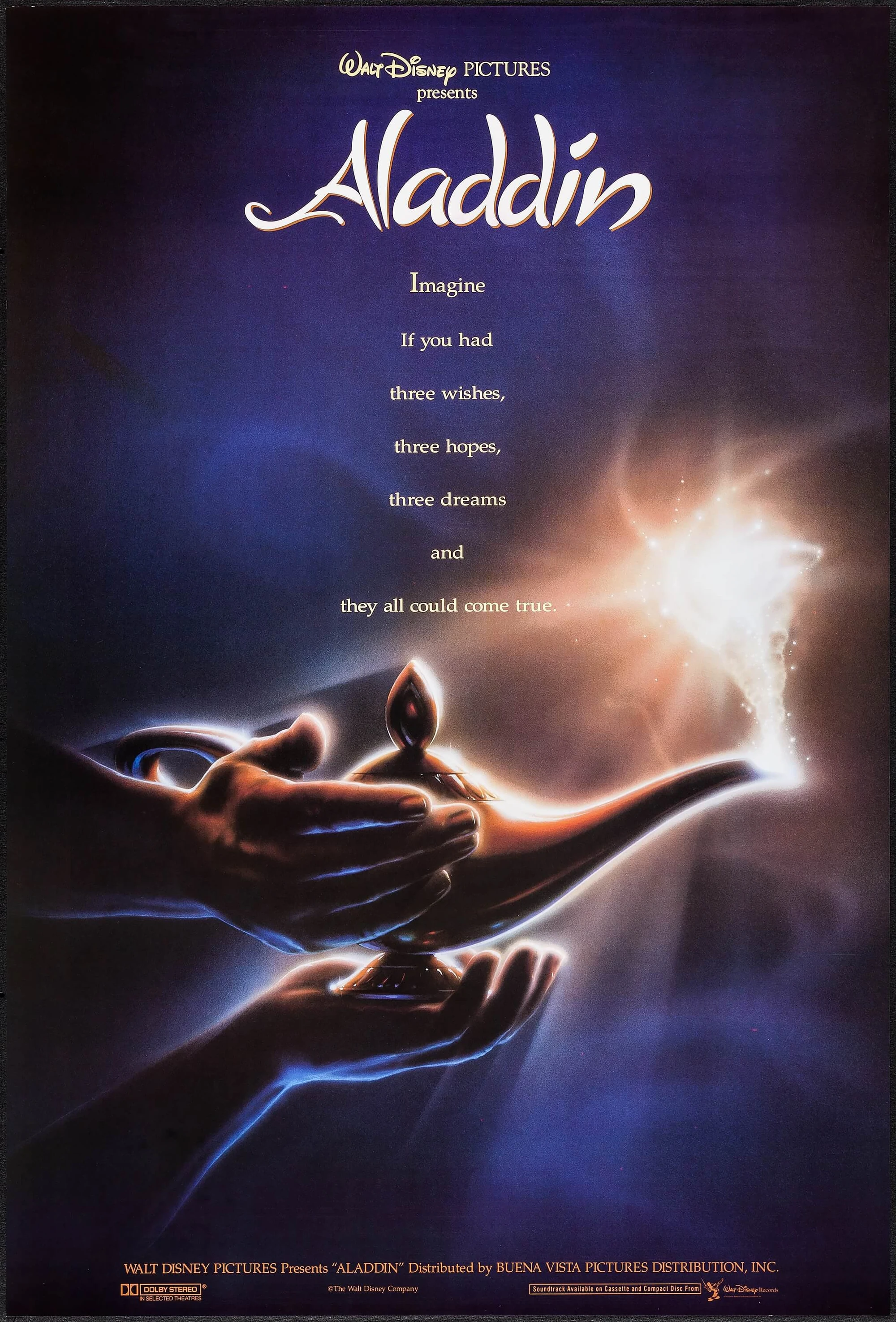
The year 1992 marked a profound turning point for The Walt Disney Company, anchored globally by the theatrical release of Aladdin and the ongoing cultural momentum of the Disney Renaissance. This pivotal period reshaped the studio's animation division, revolutionized soundtrack composition, and cemented the modern blockbuster formula for family entertainment.
The Walt Disney Company entered the final decade of the twentieth century riding an unprecedented wave of creative and commercial revival. While 1989's The Little Mermaid and 1991's Beauty and the Beast laid the foundational groundwork for what historians and film critics term the Disney Renaissance, 1992 was the year this resurgence achieved absolute mainstream dominance. Central to this success was Aladdin, which became the highest-grossing film of the year worldwide, alongside significant theme park expansions, live-action cinematic releases, and strategic corporate diversification that redefined the global entertainment landscape.
The Cinematic Anchor: The Release and Impact of Aladdin
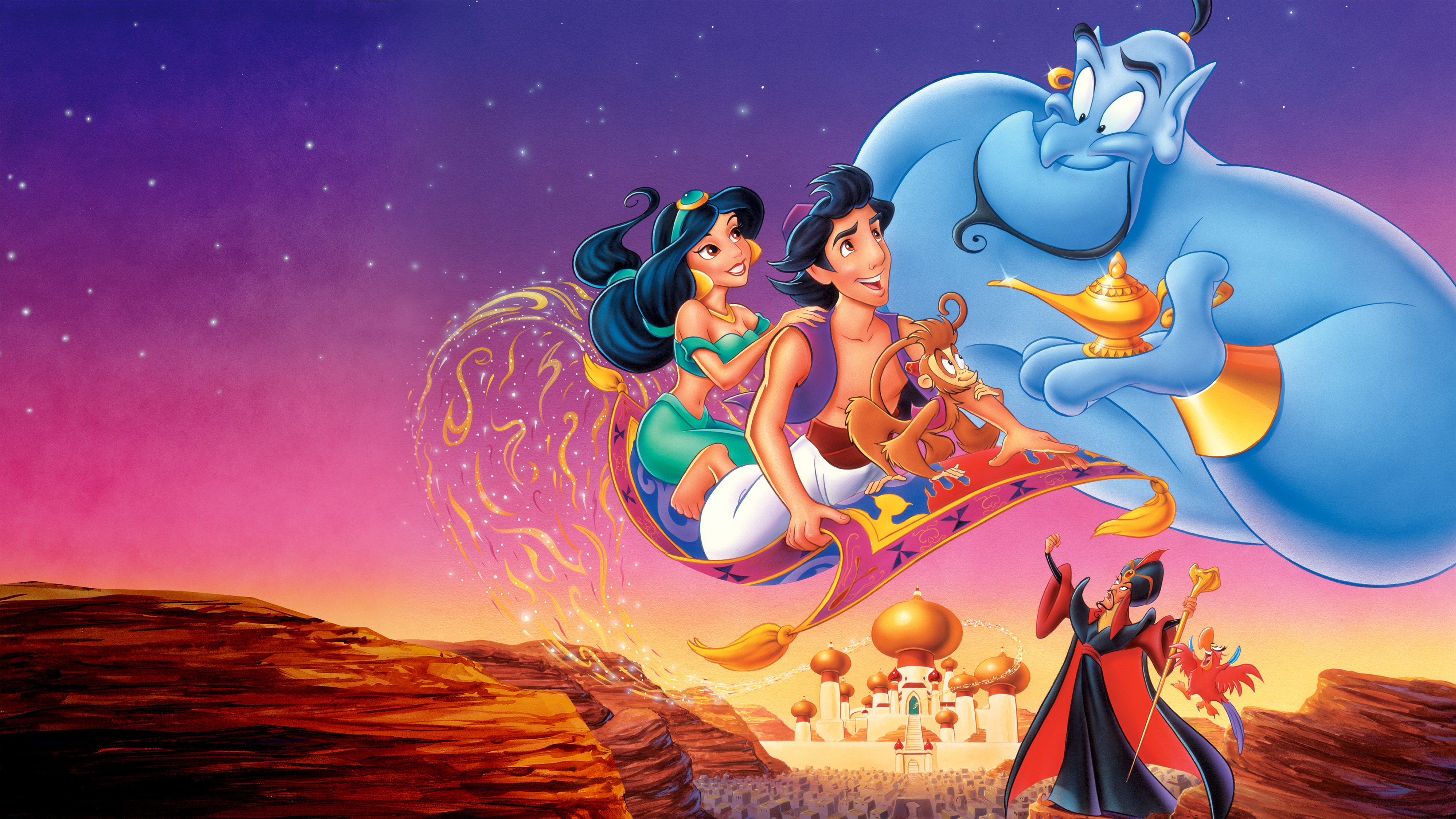
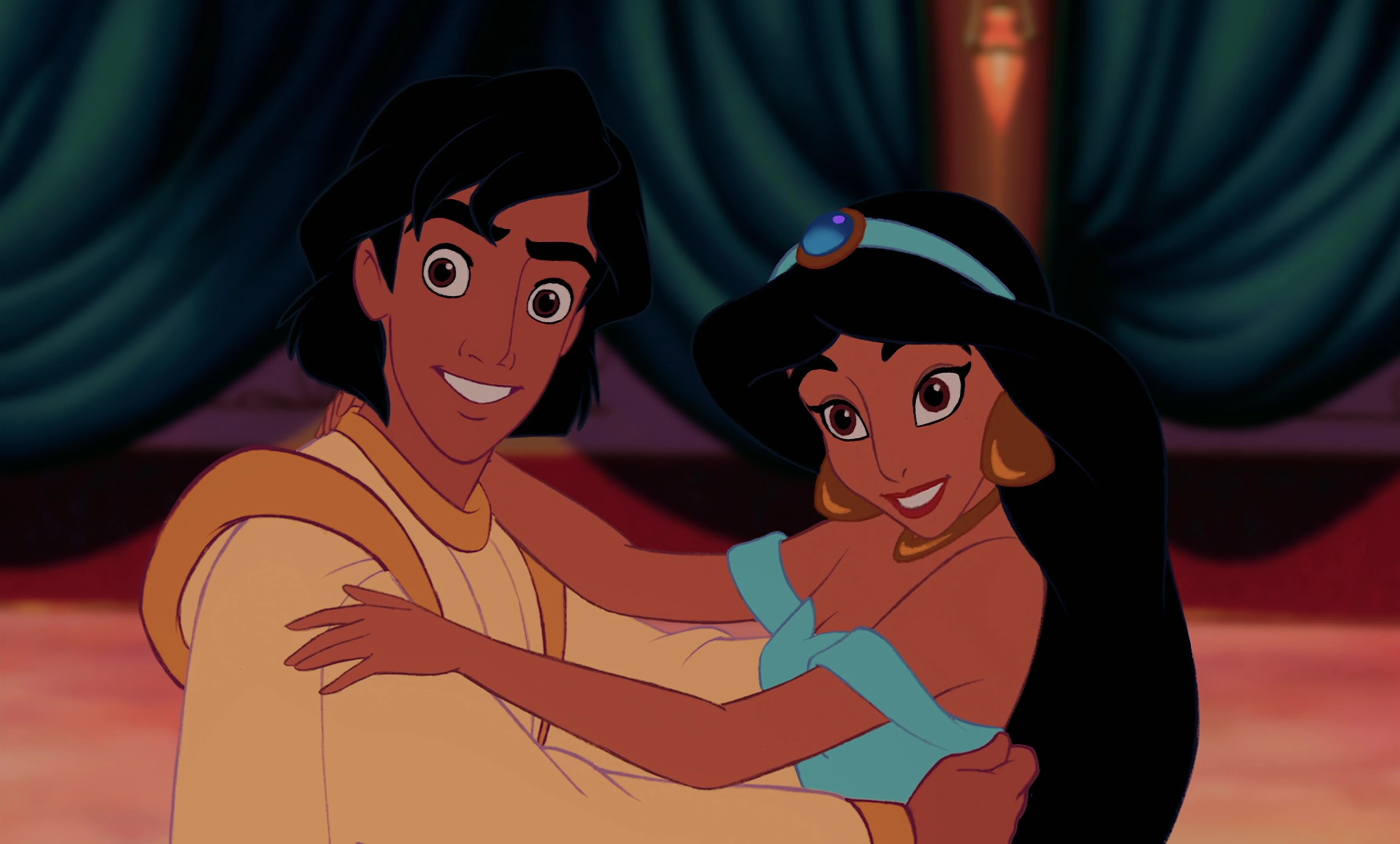
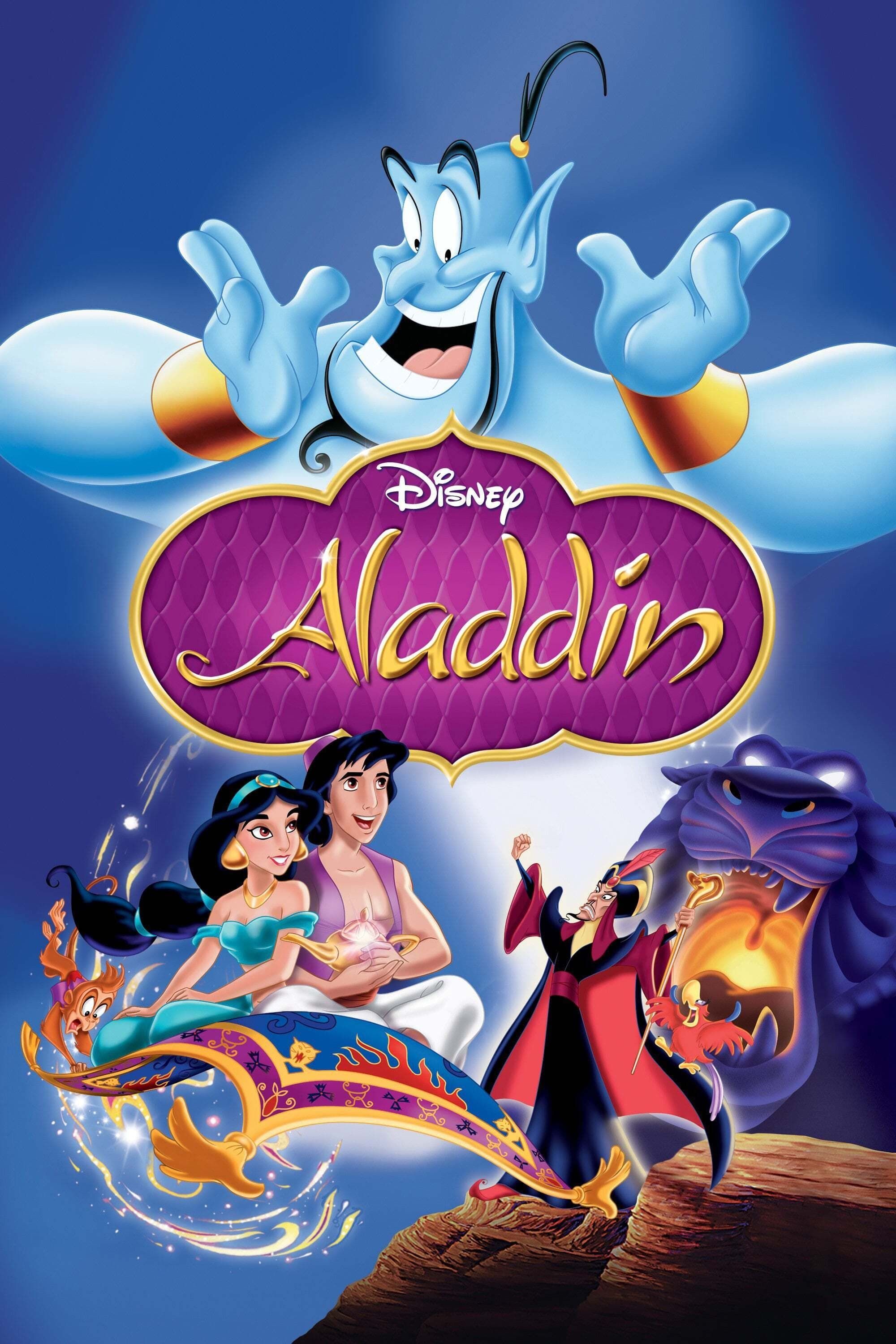
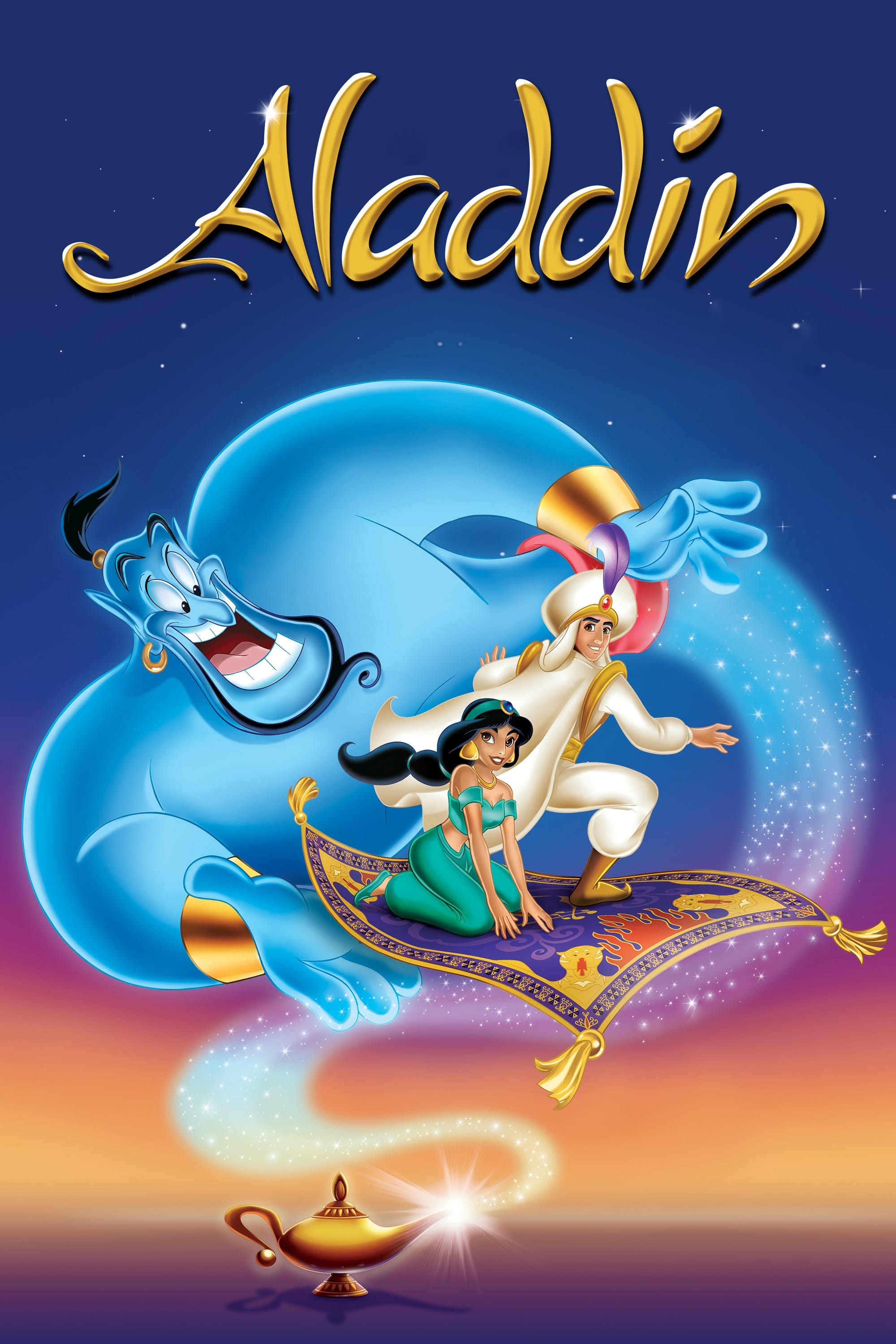
Released in November 1992, Aladdin served as the crown jewel of Disney's cinematic output for the year. Directed by John Musker and Ron Clements, the film grossed over $504 million globally, capturing the cultural zeitgeist through a blend of traditional hand-drawn animation, early computer-generated imagery, and a high-profile comedic vocal performance.
The production of Aladdin represented a major technological and stylistic departure for Walt Disney Feature Animation. Animators utilized computer graphics software extensively to render complex elements such as the Cave of Wonders and the magic carpet, bridging the gap between traditional cel animation and modern digital techniques. Furthermore, the casting of Robin Williams as the Genie shattered traditional animation conventions, introducing rapid-fire pop-culture improvisation that transformed voice acting in animated features. This stylistic shift influenced how studios approached major-budget animation throughout the rest of the decade, proving that animated films could successfully target simultaneous demographic segments through multi-layered humor.
The Musical Paradigm Shift of the Disney Renaissance
The year 1992 solidified a new musical blueprint for animated features, driven by the creative partnership of composer Alan Menken and lyricist Howard Ashman, alongside lyricist Tim Rice. Following Ashman's untimely passing in 1991, Rice stepped in to complete the songs for Aladdin, maintaining the Broadway-style narrative structure that had revitalized the studio.
The soundtrack for Aladdin received immense critical and commercial acclaim, highlighted by the Academy Award-winning song "A Whole New World." This musical style treated songs not merely as background numbers, but as vital narrative drivers that revealed character motivation and advanced the plot.
| Film / Project | Key Personnel | Primary Release Date | Major Accolades |
|---|---|---|---|
| Aladdin | John Musker, Ron Clements, Alan Menken, Tim Rice | November 25, 1992 | Academy Award for Best Original Score and Best Original Song |
| Newsies | Kenny Ortega, Alan Menken, Jack Feldman | April 10, 1992 | Cult classic status, later adapted to Broadway |
| The Mighty Ducks | Stephen Herek, Steven Brill | October 2, 1992 | Box office success, launched a multi-film franchise and NHL team name |
| Honey, I Blew Up the Kid | Randal Kleiser | July 17, 1992 | Successful theatrical sequel expanding live-action portfolio |
Expanding Live-Action Horizons and Divisional Growth
While animation drove the company's cultural footprint, 1992 also demonstrated Disney's aggressive diversification into live-action cinema through its various banners, including Walt Disney Pictures and Touchstone Pictures. The year tested various genres, from musical drama to sports comedy, expanding the studio's demographic reach beyond traditional family audiences.
Newsies, released in April 1992, exemplifies the studio's willingness to experiment with live-action musical formats. Although a box office disappointment upon its initial theatrical run, the film developed a fervent cult following on home video before eventually being adapted into a Tony Award-winning Broadway musical. Simultaneously, sports comedies like The Mighty Ducks, released in October 1992, proved highly lucrative, grossing over $50 million domestically and establishing a profitable intellectual property that spawned multiple sequels and heavily influenced real-world sports franchise naming conventions.
Global Theme Park Operations and Strategic Expansion
Beyond the silver screen, 1992 was a watershed year for Disney's physical footprint, most notably marked by the grand opening of Euro Disney (now known as Disneyland Paris) in April 1992. Located in Marne-la-Vallée, France, the resort represented the company's largest international expansion to date, designed to replicate the immense success of domestic parks in an American-appetite European market.
The launch of the resort faced severe financial and cultural hurdles, including miscalculations regarding European vacation habits, heavy corporate debt, and public debate over American cultural imperialism. However, the operational adjustments made in the wake of the 1992 launch eventually stabilized the resort, turning it into Europe's single most visited tourist destination in subsequent decades. Domestically, the Walt Disney World Resort in Florida and Disneyland in California continued to integrate new attractions, maintaining high visitor volume and serving as promotional engines for the studio's theatrical and musical properties.
Strategic Corporate Realignment Under Leadership
The administrative framework supporting Disney's 1992 output was guided by CEO Michael Eisner and President Frank Wells, a period often characterized by aggressive corporate synergy. This strategy ensured that a successful intellectual property—such as Aladdin or The Mighty Ducks—was simultaneously monetized across theatrical exhibition, home video distribution, consumer products, music publishing, and theme park attractions.
This vertically integrated business model became the gold standard for global media conglomerates. The establishment of Disney's Hyperion Books imprint and the expansion of the Disney Channel further diversified revenue streams, ensuring that the company's creative outputs were insulated against the cyclical nature of the box office.
Frequently Asked Questions
What was the highest-grossing Disney film released in 1992?
Aladdin was the highest-grossing Disney film of 1992, earning over $504 million worldwide at the box office. It outperformed all other domestic and international releases for the studio that year, becoming a defining cultural phenomenon of the decade.
How did the production of Aladdin change voice acting in animation?
The casting of Robin Williams as the Genie introduced extensive improvisational recording sessions and pop-culture-heavy delivery. This approach encouraged major animation studios to cast high-profile celebrity actors, shifting the industry standard away from traditional, classically trained voice actors toward recognizable movie stars.
When did Disneyland Paris open to the public in 1992?
Disneyland Paris, originally opened as Euro Disney, welcomed its first visitors on April 12, 1992. The expansive European resort faced immediate economic and cultural challenges that required substantial operational restructuring over the subsequent three years.
What live-action sports movie did Disney release in October 1992?
Disney released The Mighty Ducks on October 2, 1992. The film starred Emilio Estevez as a lawyer forced to coach a ragtag youth hockey team, grossing over $50 million domestically and inspiring a real-world National Hockey League franchise.
How did the Disney Renaissance influence film music in the early 1990s?
The Disney Renaissance established a structured, Broadway-style integration of musical numbers where songs advanced the plot and articulated character arcs directly. Composers like Alan Menken and lyricists such as Howard Ashman and Tim Rice revived the tradition of major motion picture soundtracks winning prestigious awards and achieving massive commercial standalone success.
What strategic business model guided Disney's operations in 1992?
Disney operated under a vertically integrated synergy model overseen by executive leadership. This strategy ensured that successful creative properties were cross-promoted and monetized simultaneously across feature films, home video, soundtrack albums, merchandise, and theme park attractions.
Maximizing Historical Research and Archival Analysis
For researchers, media scholars, and historians examining 1992 Disney, accessing primary source documents requires utilizing studio financial reports, trade publications from the era such as Variety, and original theatrical marketing materials. When analyzing this period, cross-reference box office figures with adjusted inflation metrics to understand the true commercial scale of releases like Aladdin versus contemporary cinematic benchmarks. Researchers should also examine corporate quarterly filings from 1992 to evaluate the immediate financial impact of international park expansions like Euro Disney on the parent company's balance sheet.