The year 1992 marked a profound transitional turning point for the animation industry, bridging the apex of traditional hand-drawn cel craftsmanship with the nascent, revolutionary integration of computer-generated imagery (CGI). This pivotal era yielded blockbuster theatrical features, groundbreaking television programming, and technological milestones that permanently reshaped how motion pictures and series were conceptualized, rendered, and consumed worldwide.
The Technological Landscape and Paradigm Shift of 1992 Animation
By 1992, the animation medium stood at a technological crossroads. While major studios still relied on traditional multiplane cameras, hand-painted cels, and graphite layout artists, the digital revolution was rapidly gaining momentum. Silicon Graphics (SGI) workstations and proprietary software suites like Disney’s Computer Animation Production System (CAPS) transformed how studios handled color models, multi-plane camera effects, and compositing.
This hybrid approach eliminated the harsh lines and jittery registration errors of older analog processes, allowing for smoother camera moves and richer, more dynamic lighting environments. Animators were no longer confined to flat planes; they could simulate depth, dynamic lighting, and complex particle effects that seamlessly married hand-drawn characters with digital backdrops. The industry-wide adoption of these tools created an unprecedented demand for technical artists who understood both traditional aesthetic timing and digital software logic, setting the foundation for the fully 3D-animated features that would dominate the late 1990s and 2000s.
Defining Theatrical Milestones of 1992
The theatrical landscape of 1992 was defined by high-profile releases that tested the commercial viability of mature storytelling, lavish orchestral scores, and high-budget production values outside of traditional family-friendly tropes. Studios invested heavily in theatrical animation, viewing the medium as a primary driver of global box office revenue and merchandising empires.
Disney’s Continuing Renaissance Momentum
Following the massive success of The Little Mermaid and Beauty and the Beast, Walt Disney Feature Animation maintained its cultural dominance in 1992 with the release of Aladdin. Co-directed by John Musker and Ron Clements, the film grossed over $504 million worldwide and showcased a major leap forward in character animation and digital integration.
The character of the Genie, voiced by Robin Williams, required a radical shift in recording and animation pipelines. Williams delivered extensive improvisational voice tracks, prompting Disney's animators—supervised by Eric Goldberg—to design a shapeshifting, kinetic character that could seamlessly morph into famous pop-culture figures and historical archetypes. Furthermore, Aladdin utilized the CAPS system extensively, most notably in the breathtaking "Cave of Wonders" sequence, where a hand-drawn tiger entrance was integrated flawlessly into a fully rendered 3D CGI environment.
Non-Disney Theatrical Innovations and Cult Classics
While Disney captured mainstream box office dominance, 1992 also saw the release of critically acclaimed and experimental features that expanded the global vocabulary of the medium:
- Porco Rosso (Kurenai no Buta): Directed by Hayao Miyazaki and produced by Studio Ghibli, this aviation-themed romantic comedy-drama offered a more personal, historical, and politically nuanced narrative than standard fantasy fare, exploring post-World War I Italy through the eyes of a cursed pilot.
- FernGully: The Last Rainforest: Directed by Bill Kroyer, this environmental fantasy feature combined traditional cel animation with early digital effects and digital ink-and-paint tests, featuring notable voice performances by Robin Williams and Tim Curry while raising contemporary ecological awareness.
- Cool World: Ralph Bakshi’s live-action and traditionally animated fantasy noir film attempted to capture an adult demographic, showcasing Bakshi's signature gritty, underground artistic style despite facing severe production and editorial challenges.
The Television Animation Boom: Syndication and Prime Time
While feature films grabbed headlines, television animation experienced a massive structural expansion in 1992. The proliferation of weekday syndication and cable networks created an insatiable appetite for original, high-quality episodic content, transforming children's television into an auteur-driven creative medium.
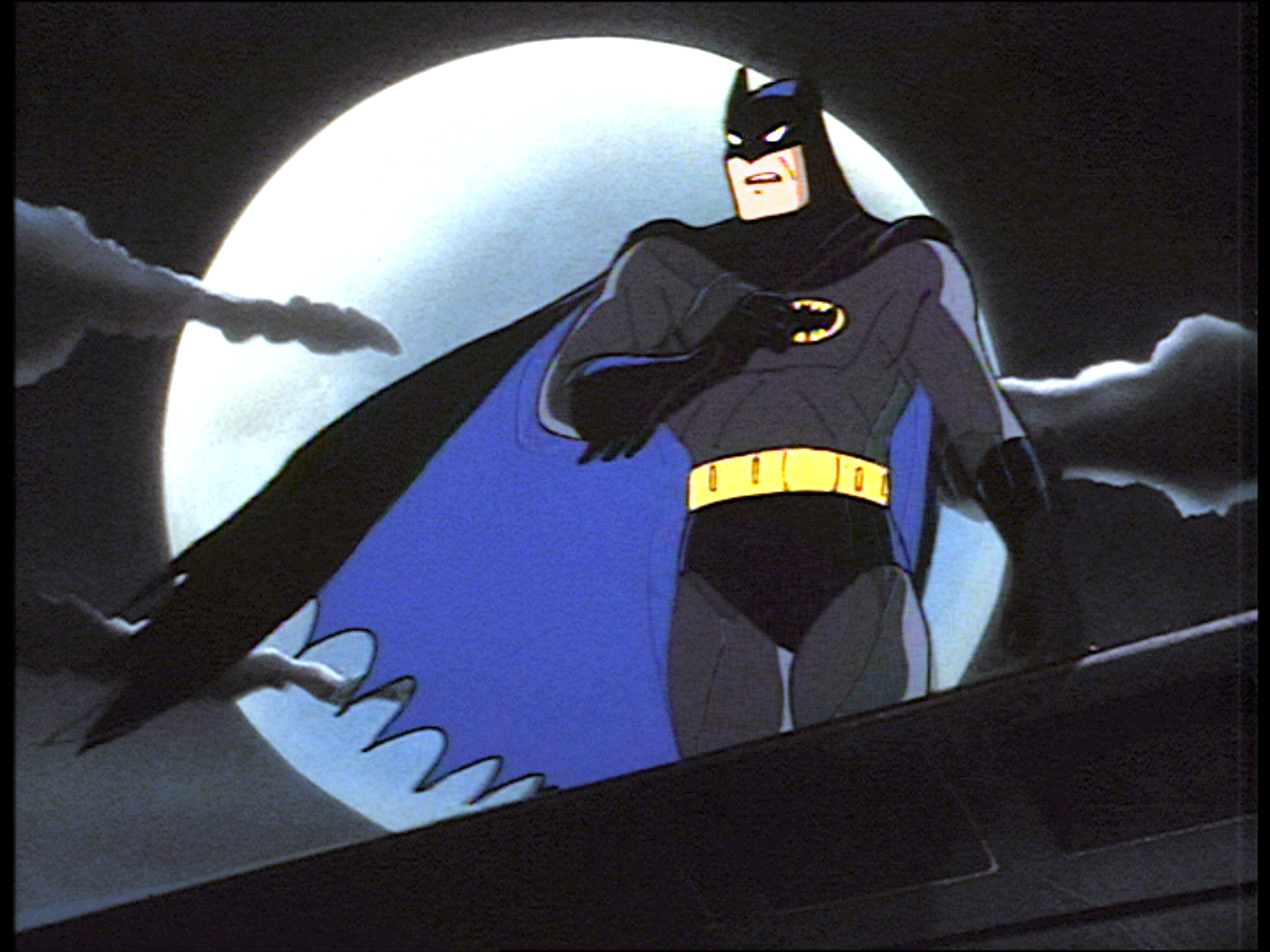
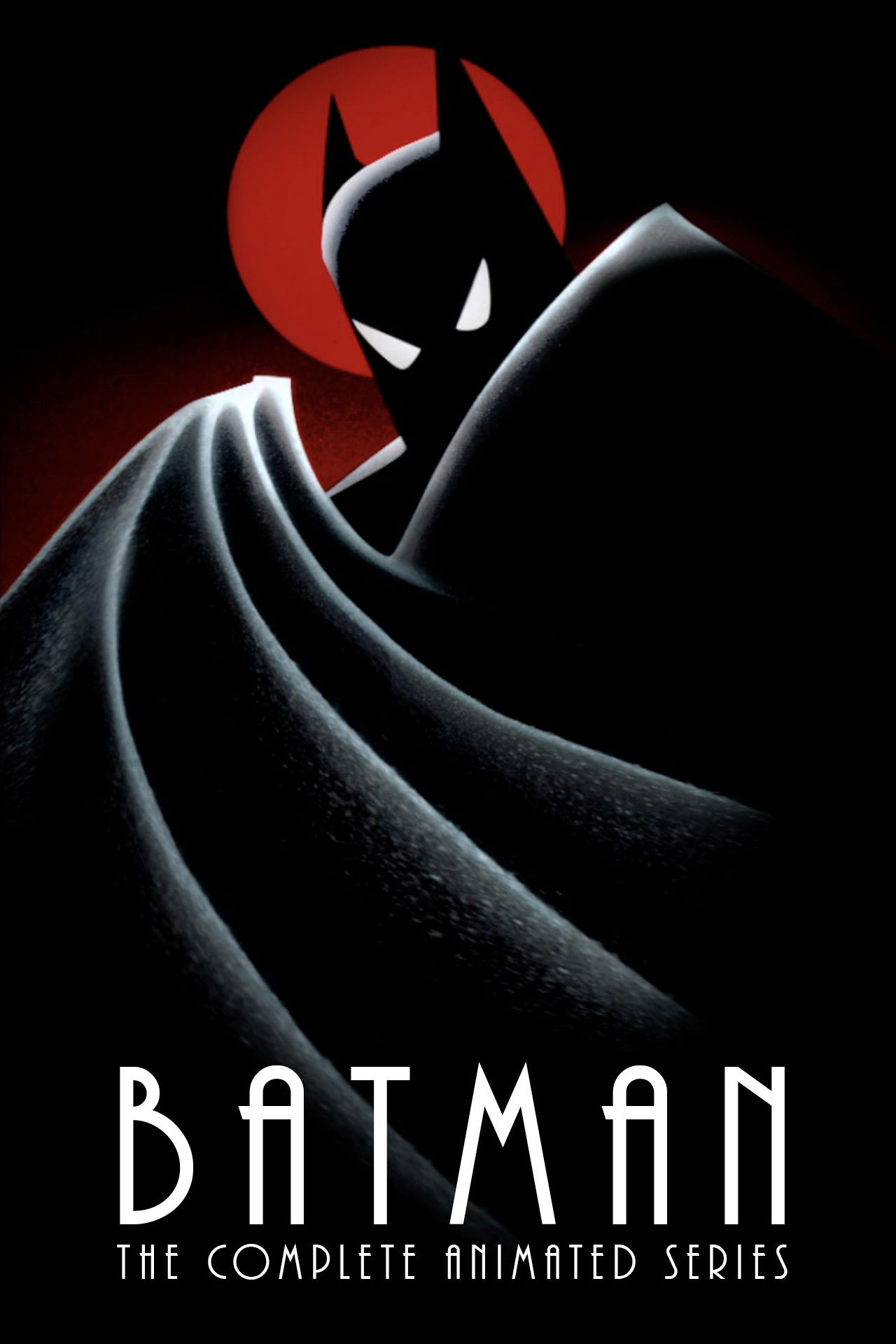
The debut of Batman: The Animated Series in September 1992 on the Fox network fundamentally redefined superhero storytelling on television. Developed by Bruce Timm, Eric Radomski, and Paul Dini, the series established the distinct "Dark Deco" aesthetic, painting artwork on black construction paper rather than traditional white stock to create stark, moody lighting effects. Its cinematic orchestral scores, mature thematic depth, and award-winning voice direction—featuring Kevin Conroy as Batman and Mark Hamill as the Joker—set a new critical benchmark for serialized television animation.
Simultaneously, the syndication market thrived with properties like X-Men: The Animated Series, which premiered in October 1992 and proved that serialized comic book storylines could resonate deeply with young audiences while maintaining complex character arcs and continuity. On cable, networks like Nickelodeon continued to build their creator-driven Nicktoons block, fostering unique artistic voices that challenged the traditional commercial-driven formulas of Saturday morning cartoons.
Global Production Centers and International Styles
The year 1992 was also notable for the globalization of animation production pipelines. American studios increasingly outsourced intermediate cel painting, line clean-up, and layout work to specialized studios across Asia, particularly in South Korea, Japan, and the Philippines. This international division of labor allowed for the rapid scaling of production capacity, enabling networks to churn out dozens of episodes simultaneously without sacrificing frame rates.
| Region / Studio Hub | Primary Contribution in 1992 | Dominant Artistic Style / Technique |
|---|---|---|
| Walt Disney Feature Animation (USA) | Theatrical blockbusters (Aladdin) | Hand-drawn cels enhanced by digital CAPS compositing |
| Studio Ghibli (Japan) | Theatrical features (Porco Rosso) | Meticulous hand-drawn backgrounds and character acting |
| Warner Bros. Animation (USA) | Primetime television (Batman: The Animated Series) | Dark Deco aesthetic, dramatic chiaroscuro lighting |
| International Subcontractors (Asia) | Production scaling, ink-and-paint, and in-betweening | High-efficiency cel production and structural line fidelity |
Concurrently, European animation studios focused on co-productions, adapting complex graphic novels and international folk tales into distinct, artist-driven specials and series that prioritized painterly watercolor backgrounds and non-traditional narrative structures over hyper-commercialized toy-driven franchises.
Frequently Asked Questions About 1992 Animation
What were the most financially successful animated films released in 1992?
Walt Disney’s Aladdin was the undisputed box office champion of 1992, grossing over $504 million globally and becoming the highest-grossing animated film of all time up to that point. Other notable theatrical releases, such as Studio Ghibli's Porco Rosso, achieved massive domestic success in Japan and solidified international critical acclaim.
How did the animation industry transition to digital technology in 1992?
Studios increasingly adopted computer software for digital ink-and-paint, color matching, and multi-plane camera movement simulation. Disney's CAPS system and similar digital compositing platforms replaced traditional physical multiplane setups, allowing for seamless integration of hand-drawn characters and complex 3D computer-generated environments.
Why is Batman: The Animated Series considered a milestone of 1992?
Premiering in September 1992, the series revolutionized television animation through its sophisticated noir tone, dark visual style known as "Dark Deco," mature storytelling, and cinematic orchestral scores. It proved that superhero animation could appeal equally to adult audiences and children, permanently changing the medium.
Did anime have a significant impact on global animation markets in 1992?
Yes, Studio Ghibli’s Porco Rosso dominated the Japanese box office in 1992, while international distribution of anime began laying the groundwork for the widespread global boom that occurred later in the decade. The artistic maturity and distinct visual stylings of Japanese works began heavily influencing Western creators.
What production methods dominated television animation production in 1992?
Most television animation relied on traditional hand-drawn cel production methods, often supported by growing international subcontracting studios in Asia for ink, paint, and in-betweening. However, early digital tools were rapidly entering television workflows to assist with background layouts and special effects.
Strategic Preservation and Historical Evaluation
Analyzing the animation landscape of 1992 requires recognizing both the enduring legacy of traditional craftsmanship and the disruptive potential of early digital tools. Researchers, archivists, and modern digital artists study this period to understand how creative pipelines adapted during a technological revolution. Preserving original production cels, animation bibles, uncompressed digital archives, and pencil test reels remains essential for maintaining the historical integrity of an era where art and technology converged to redefine visual storytelling.