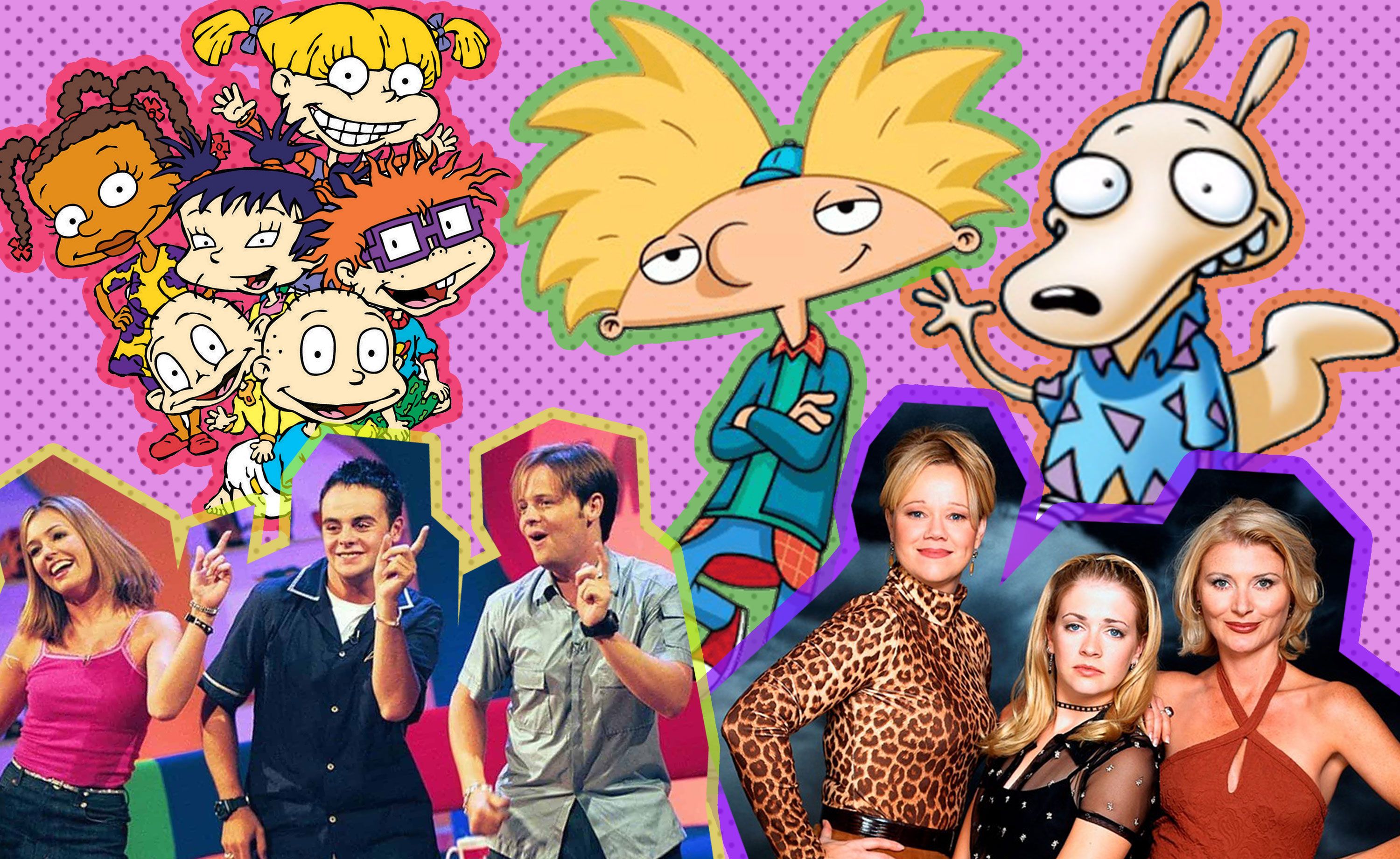
The television landscape of the 1990s represented a golden transitional era defined by the rise of cable networks, the birth of landmark prime-time animation, serialized prestige dramas, and generation-defining teen sitcoms that permanently altered media consumption habits before the shift to digital streaming.
The Technological and Structural Shifts of the Decade
The 1990s television ecosystem operated at a crucial historical intersection. Broadcast networks—ABC, CBS, NBC, and the newly established Fox network—still dominated mass-market living room viewing, yet cable television matured from a niche utility into an ambitious creative powerhouse. Networks like HBO, MTV, Comedy Central, and the FX network began carving out specific audiences with daring, unconventional content that traditional broadcast censors often avoided.
Simultaneously, widescreen television technology was in its infancy, and cathode-ray tube (CRT) analog sets with 4:3 aspect ratios standardly delivered standard-definition (SD) signals. Viewers relied on rooftop antennas, local cable cooperatives, or early analog satellite dishes to receive broadcasts. Commercial breaks dictated the pacing of every narrative, and appointment viewing—sitting down precisely at 8:00 PM on a Thursday night—was the absolute standard. This appointment culture created massive cultural moments, such as series finales that drew tens of millions of simultaneous viewers, a phenomenon largely fractured today by on-demand streaming.
Defining the Era: The Golden Age of Sitcoms and Workplace Dramas
The decade's programming can be broadly categorized into several distinct structural formats that captured the zeitgeist of late-20th-century life. Sitcoms underwent a massive evolution, shifting away from the traditional wholesome family units of the 1980s toward cynical, observational, and metropolitan aesthetics. Programs like Seinfeld redefined comedy by focusing on seemingly trivial aspects of daily existence, while Friends popularized the twenty-something ensemble cast model, establishing a blueprint for serialized relationship dynamics that influenced television for decades.
Concurrently, traditional broadcast networks leaned heavily into serialized workplace dramas and medical procedurals that balanced episodic storytelling with long-term character arcs. Shows like ER revolutionized medical dramas through frantic Steadicam tracking shots, rapid-fire technical medical jargon, and complex moral dilemmas. These programs required high production budgets and established the template for the high-octane ensemble dramas that would later define the prestige cable era.
| Show Title | Network | Primary Genre | Original Run | Defining Cultural Impact |
|---|---|---|---|---|
| Seinfeld | NBC | Sitcom | 1989–1998 | Popularized observational humor and the "show about nothing" concept. |
| The X-Files | Fox | Sci-Fi / Drama | 1993–2002 | Blended serialized mythologies with monster-of-the-week procedural episodes. |
| ER | NBC | Medical Drama | 1994–2009 | Introduced fast-paced direction and complex medical ethics to prime time. |
| Friends | NBC | Sitcom | 1994–2004 | Defined the millennial ensemble comedy and launched global fashion trends. |
| The Sopranos | HBO | Crime Drama | 1999–2007 | Sparked the prestige television movement and the antihero protagonist trend. |
The Rise of Animation for Adults and Targeted Cable Demographics
Animation underwent a radical transformation during the 1990s, proving that cartoons were no longer exclusively reserved for Saturday morning children's blocks. The debut of The Simpsons on Fox in December 1989 paved the way for a wave of sophisticated, satirical animated programming that targeted adult and teen demographics. Shows like King of the Hill, Beavis and Butt-Head, and later South Park utilized biting social commentary and subversive humor to challenge institutional norms.
On the children's and youth front, cable networks established total dominance. Nickelodeon launched original programming under the "Nicktoons" banner, including Rugrats, Doug, and The Ren & Stimpy Show, giving creators distinct artistic control. Meanwhile, MTV captured the teenage and young adult market with music videos, reality television experiments like The Real World (launched in 1992), and animated cult classics like Daria, laying the foundation for modern unscripted television formats.
Genre-Defining Sci-Fi and the Cult of Serialized Mythologies
Genre television in the 1990s achieved unprecedented cultural penetration by blending cinematic production values with complex, overarching story arcs. The X-Files became a cultural phenomenon by pairing supernatural and extraterrestrial investigations with a deeply paranoid government conspiracy mythology. The intense chemistry between its lead characters and its eerie aesthetic influenced a generation of speculative fiction.
This era also birthed expansive fantasy and science fiction universes in syndication and network television, ranging from the cosmic adventures of the Star Trek franchise expansions (Star Trek: The Next Generation, Deep Space Nine, and Voyager) to dark, philosophical supernatural dramas. These programs fostered early internet fandoms, where viewers gathered on Usenet newsgroups and early web forums to debate plot theories, episode continuity, and character fates between weekly broadcasts.
How 1990s Television Formats Influenced Modern Streaming Culture
The structural DNA of 1990s television continues to reverberate through contemporary media, even though distribution models have completely shifted. The serialized storytelling models pioneered by late-decade dramas demonstrated that viewers would follow complex, morally ambiguous characters across multi-season arcs. Furthermore, the syndication models of the 1990s—where successful shows were sold to local stations for daily afternoon and evening reruns—provided the financial incentives that made expansive production budgets viable.
Today, streaming platforms rely heavily on nostalgia for 1990s aesthetics, licensing classic libraries as premium commodities while constantly attempting to reboot or reimagine the intellectual properties of that era. Understanding 1990s television requires recognizing it as the bridge between the centralized broadcast gatekeeping of the 20th century and the fragmented, algorithm-driven viewing habits of the modern digital era.
Frequently Asked Questions
What major technological limitations defined 1990s television viewing?
Viewers in the 1990s were restricted by analog CRT display technology, standard-definition 4:3 aspect ratios, and strict broadcast schedules. Content could not be paused, rewound during live broadcast, or streamed on demand, making home video recording via VCR tapes essential for missing scheduled broadcasts.
How did the launch of Fox impact the television landscape?
The launch and expansion of the Fox network in the late 1980s and 1990s broke the traditional "Big Three" network oligopoly. By targeting younger, underserved demographics with edgy, subversive programming like The Simpsons and In Living Color, Fox proved that a new broadcast network could successfully compete against entrenched industry giants.
Why are 1990s sitcoms still popular in syndication and streaming today?
Many 1990s sitcoms were shot on 35mm film or high-grade videotape with multi-camera studio setups, allowing them to be easily remastered into high-definition formats. Their episodic nature, relatable interpersonal dynamics, and comfortable pacing make them enduringly popular choices for background viewing and comfort streaming.
What role did HBO play in changing television standards during this decade?
HBO shifted from primarily broadcasting theatrical movie releases to producing original, uncensored content. By launching groundbreaking series toward the end of the decade, the network established a subscription-based model that prioritized creative freedom, cinematic quality, and adult themes over traditional commercial advertising constraints.
How did reality television begin in the 1990s?
The modern unscripted genre effectively began with MTV's The Real World in 1992, which placed a diverse group of strangers in a shared loft and documented their interpersonal conflicts. This format stripped away traditional scripted writing and introduced documentary-style confessionals, laying the groundwork for the massive reality TV boom of the 2000s.
Exploring the Classic Catalog
To fully appreciate the scope of 1990s television, viewers should look beyond mainstream hits and explore the distinct programming blocks of individual networks. Whether researching the evolution of writers' rooms, analyzing the shift in broadcast censorship, or simply seeking entertainment, examining original broadcast schedules and historical media analyses provides a comprehensive window into a transformative decade of mass communication.