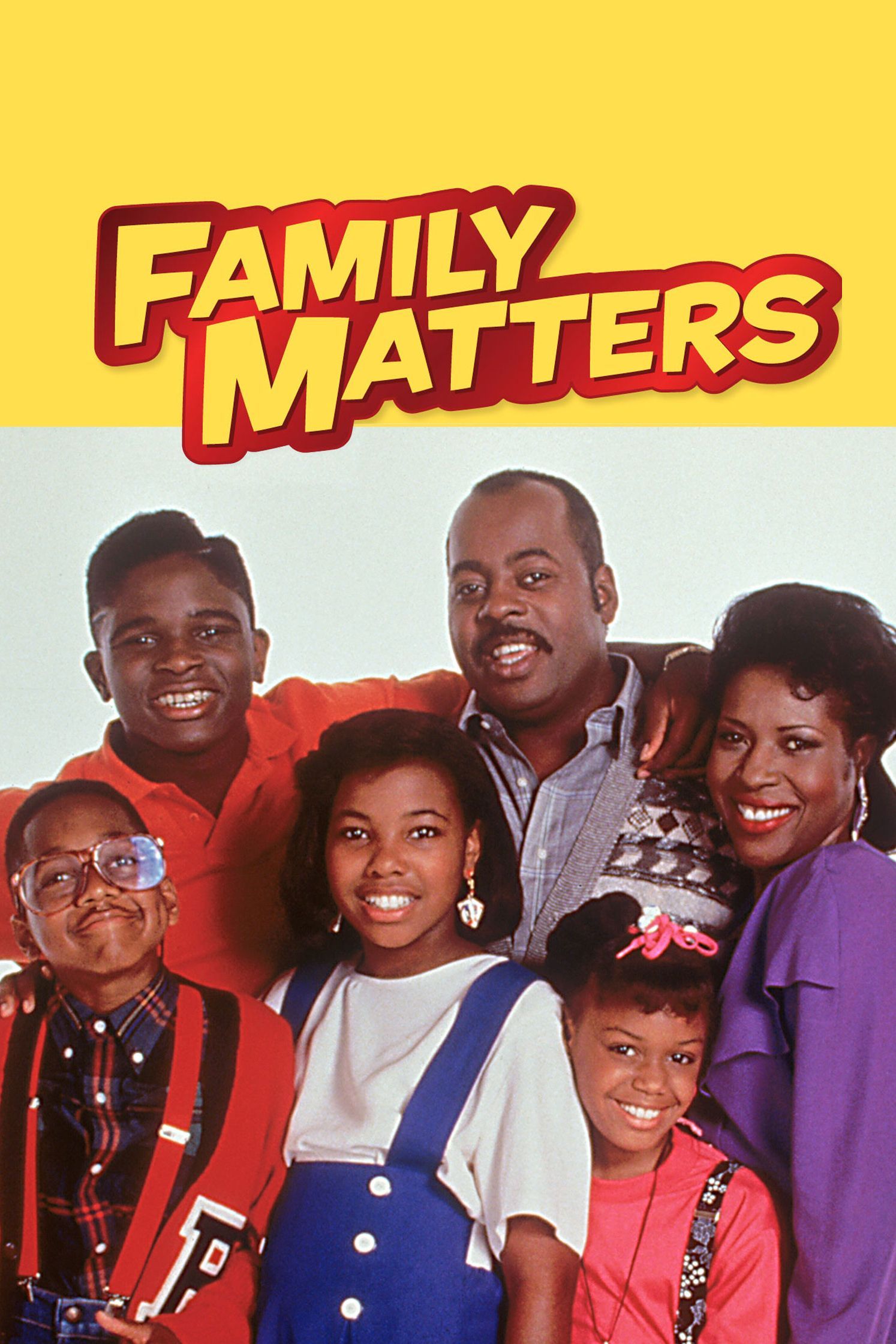
The 1990s sitcoms era represented a golden age of television defined by sharp writing, multi-camera studio setups with live audiences, and cultural touchstones that addressed shifting social dynamics, career pressures, and modern urban living.
The 1990s sitcom landscape transformed television by shifting focus from traditional nuclear households to eclectic ensembles of friends, coworkers, and unconventional families. As network television fought for viewer attention amidst the rapid expansion of cable channels, production studios relied heavily on high-concept premises, sharp joke-writing, and relatable character chemistry. Understanding this era requires examining its technological frameworks, the structural evolution of the writing room, and the socio-cultural forces that propelled shows like Seinfeld, Friends, Frasier, and The Fresh Prince of Bel-Air into permanent syndication and global streaming prominence.
Evolution of Production Formats: Multi-Camera vs. Single-Camera
The vast majority of 1990s sitcoms relied on the traditional multi-camera, proscenium-arch setup before a live studio audience. This production methodology borrowed heavily from theatrical stage plays. Sets were arranged adjacently on a soundstage with open fourth walls facing a banked audience, allowing three or four film or video cameras to capture simultaneous angles.
This format created a distinctive pacing rhythm. Writers engineered scripts around the "beat"—the strategic pause left for audience laughter. Shows recorded on film, such as Seinfeld, blended the multi-camera look with location shoots, while videotaped productions like The Fresh Prince of Bel-Air captured the immediate, high-energy feedback loop between actors and studio spectators.
Conversely, the single-camera format operated more like a feature film. It abandoned the live audience and canned laughter tracks, relying on single-lens setups, extensive location shooting, and post-production single-frame editing. While single-camera comedies existed—most notably The Larry Sanders Show, which pioneered a cynical, mockumentary-adjacent style—the multi-camera format dominated network prime-time schedules.
The aesthetic trade-offs were clear. Multi-camera sitcoms prioritized theatrical immediacy, comfort, and verbal wit. Single-camera projects offered cinematic flexibility, visual subtext, and deadpan timing. The economic incentive also favored multi-camera shows: they could be shot quickly, often completing an entire episode in front of a live audience over the course of three to five days, significantly reducing production budgets compared to cinematic single-camera alternatives.
The Shift From Nuclear Families to Chosen Families and Urban Ensembles
Early television sitcoms anchored themselves in the suburban nuclear family, as seen in decades past. By the 1990s, shifting demographics, rising divorce rates, and delayed marriage patterns prompted network executives to greenlight programming that reflected urban reality. This cultural pivot manifested in two distinct narrative structures: the "workplace family" and the "chosen family" of young adults navigating metropolitan life.
Shows like Cheers established the blueprint for workplace ensembles, which Wings and NewsRadio later refined. These series gathered disparate personalities into a confined geographic setting—a bar, an airport terminal, a newsroom—forcing interpersonal friction and comedic resolution. The workplace became a sanctuary where colleagues substituted for biological relatives, mirroring the increasing time modern professionals spent at their jobs.
Simultaneously, the "hangout sitcom" exploded into a dominant cultural force. Series like Friends and Living Single focused on groups of twenty-somethings sharing apartments and coffeehouse booths. These characters were bound not by blood, but by shared economic struggles, romantic trials, and the mutual support required to survive expensive cities like New York.
| Sitcom Title | Primary Setting | Core Format | Defining Narrative Focus |
|---|---|---|---|
| Seinfeld | New York City (Apartment/Coffee Shop) | Multi-camera / Studio audience | Observational humor about mundane daily annoyances |
| Friends | Manhattan (Apartments/Central Perk) | Multi-camera / Studio audience | Romantic entanglements and young adult transition |
| Frasier | Seattle (Apartment/Radio Station) | Multi-camera / Studio audience | High-brow farce, sibling rivalry, and psychological wit |
| The Fresh Prince of Bel-Air | Bel-Air, Los Angeles (Mansion) | Multi-camera / Studio audience | Cultural assimilation, class dynamics, and coming-of-age |
| The Simpsons | Springfield (Suburban Home) | Animated / Single-camera | Satirical critique of the traditional American nuclear family |
This structural evolution allowed writers to explore unconventional relationship dynamics. Shows like Will & Grace pushed boundaries by placing LGBTQ+ characters at the center of prime-time comedy, while Roseanne challenged idealized television poverty by depicting blue-collar struggles with raw, unvarnished realism.
Cultural Impact, Writing Styles, and High-Concept Premise Development
The comedy writing of the 1990s relied on distinct stylistic markers, moving away from the simplistic setups and punchlines of previous decades toward rapid-fire banter, meta-textual irony, and cynical observation. The dominant cultural philosophy shifted from earnest moralizing to self-aware detachment.
Seinfeld famously operated under the creative mandate of being "a show about nothing," which translated into meticulously plotted episodes about reservation mix-ups, parking spaces, and awkward social etiquette. Its refusal to rely on sentimentality or emotional character growth broke long-standing television conventions. Audiences embraced characters who were unapologetically selfish, petty, and cynical.
Conversely, shows like Frasier leaned into high-brow farce, relying on classical comedic misunderstandings, mistaken identities, and sophisticated wordplay. The series proved that mass audiences would embrace erudite humor when anchored by grounded emotional stakes and exceptional physical comedy.
Meanwhile, network television also capitalized on high-concept premises driven by star personas. The Fresh Prince of Bel-Air utilized Will Smith's charismatic music background to explore fish-out-of-water culture clashes between working-class Philadelphia and affluent Los Angeles. Animation entered prime-time dominance with The Simpsons, which offered dense, multi-layered satirical commentary that appealed simultaneously to children and media-literate adults.
Syndication Economics and the Long-Tail Value of 1990s IP
The financial engine driving 1990s sitcoms was the syndication model. For television studios, producing a successful network run was only the initial phase of profitability. The ultimate financial windfall occurred when a series reached the magical threshold of 100 episodes—the minimum requirement to sell daily stripped reruns to local broadcast affiliates and cable networks.
This economic reality created intense pressure for long-term character continuity, recognizable catchphrases, and repeatable viewing structures. Episodes were deliberately written to be consumed out of chronological order, allowing casual viewers to drop in at any point without losing the narrative thread.
As the television industry transitioned into the streaming era, the intellectual property generated during this decade retained immense residual value. Studios recognized that nostalgic comfort viewing drove massive subscriber retention on digital platforms. Consequently, multi-million-dollar bidding wars for streaming rights became common, proving that the production discipline and character dynamics forged on 1990s soundstages possessed enduring commercial viability across generations.
Common Tropes, Creative Limitations, and Censorship Constraints
Despite their creative triumphs, 1990s sitcoms operated within strict industrial and cultural limitations. Network television was governed by Federal Communications Commission (FCC) regulations and conservative advertiser standards that severely restricted profanity, explicit sexual dialogue, and politically sensitive subject matter.
Writers countered these restrictions through subtext, double entendre, and high-stakes farce. Relationships were often stretched across multiple seasons through artificial misunderstandings and will-they-won't-they dynamics designed to maximize ratings rather than honor organic character progression. The "very special episode"—a staple where a comedy briefly addressed heavy social issues like substance abuse, eating disorders, or prejudice—frequently felt forced and out of step with the show's established comedic tone.
Another pervasive trope was the unrealistic real estate discrepancy. Unemployed or entry-level characters routinely inhabited cavernous, rent-controlled apartments in prime metropolitan districts, a geographic impossibility that required a willing suspension of disbelief from the audience. Additionally, secondary characters of color were frequently relegated to one-dimensional supporting roles or stereotypical punchlines, reflecting the broader homogeneity of network writers' rooms during that era.
Frequently Asked Questions About 1990s Sitcoms
What made the multi-camera format so popular in 1990s television production?
The multi-camera format allowed networks to produce episodes quickly and cost-effectively while capturing the immediate comedic energy of a live studio audience. The physical setup functioned like a stage play, which suited dialogue-driven humor and allowed production teams to tape multiple episodes per month on fixed soundstage sets.
How did Seinfeld change the structural rules of traditional television comedies?
Seinfeld broke television convention by enforcing a strict "no hugging, no learning" rule. Its characters rarely experienced personal growth, emotional redemption, or sentimental reconciliation. Instead, the series embraced misanthropy, moral ambiguity, and intricate plotting centered on the trivial frustrations of modern urban life.
Why do 1990s sitcoms continue to hold high value in modern streaming markets?
These shows possess high rewatchability due to their episodic nature, comforting familiarity, and broad demographic appeal. Because syndication models required episodes to be easily digestible out of order, they translate seamlessly into continuous background viewing for modern streaming subscribers seeking nostalgic comfort.
What distinguishes a "workplace sitcom" from a "hangout sitcom"?
A workplace sitcom anchors its ensemble in a shared professional environment—such as a radio station, bar, or newsroom—where professional duties drive the narrative friction. A hangout sitcom centers on a group of friends sharing domestic spaces and leisure time, prioritizing romantic subplots and social gatherings over professional obligations.
How did broadcast censorship affect the writing of 1990s comedies?
Network standards and practices limited explicit language, sexual content, and controversial political discourse. Writers navigated these restrictions by utilizing clever innuendo, situational irony, and extended romantic delays, turning censorship constraints into opportunities for witty, indirect dialogue and classic physical farce.
What was the economic significance of reaching 100 episodes in the 1990s?
Reaching 100 episodes allowed a production company to sell its series into off-network syndication. This benchmark provided local television stations and cable networks with enough daily inventory to run a continuous Monday-through-Friday broadcast schedule, generating massive financial windfalls for creators, studios, and star actors through residual payments.
Strategic Guidance for Preserving and Analyzing Classic Television
For researchers, media scholars, and enthusiasts examining this pivotal television epoch, approaching the material requires contextualizing historical production norms against modern viewing habits. When analyzing scripts or rewatching series from this period, prioritize examining how the socio-economic realities of the pre-digital age influenced narrative choices. Acknowledge the technological constraints of standard-definition video, multi-camera blocking, and fixed commercial breaks. By recognizing both the structural brilliance and the historical limitations of 1990s programming, viewers gain a deeper appreciation for how television evolved into the sophisticated serialized mediums of the modern era.