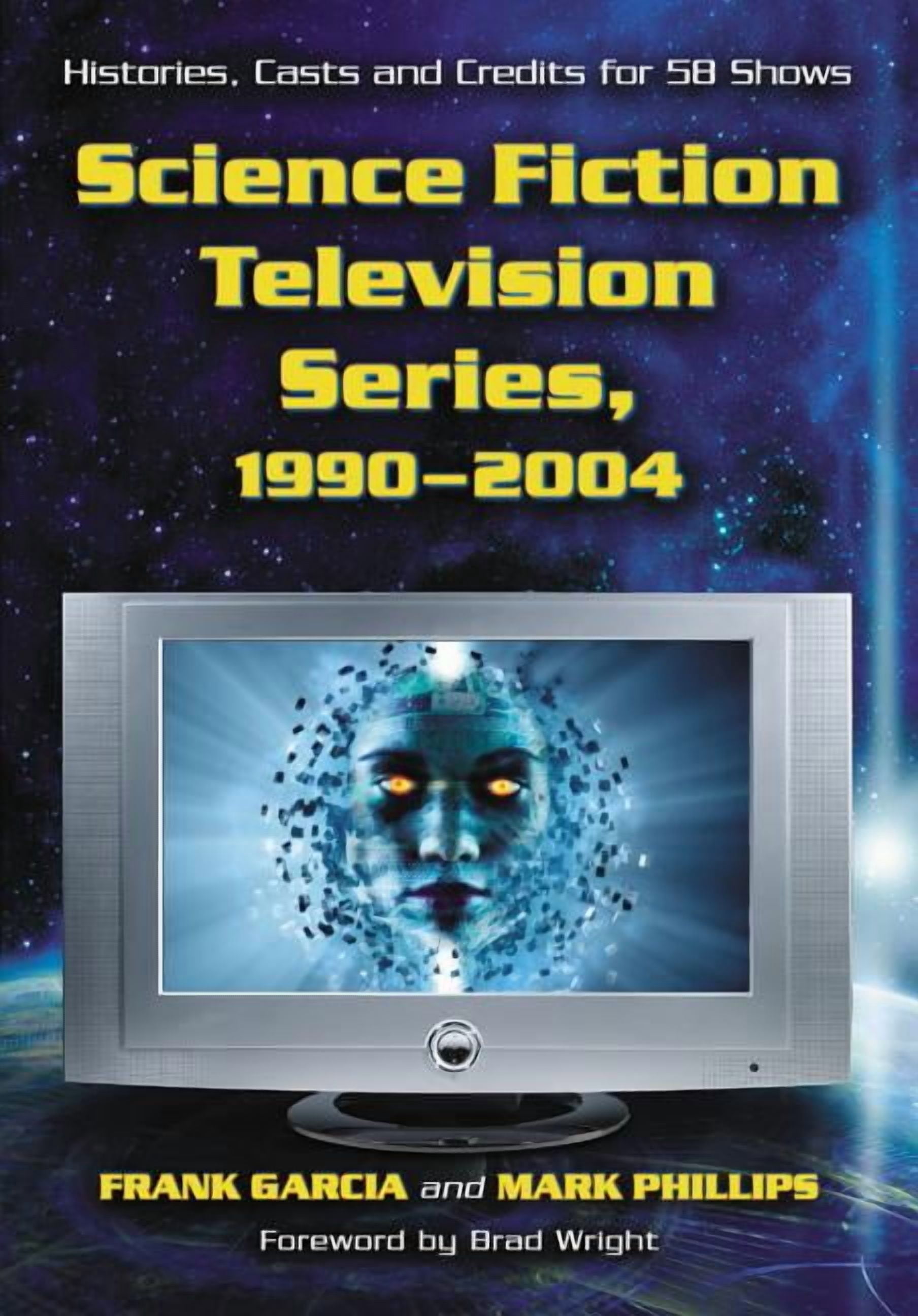
The 1990s marked a profound transformation for 1990s sci fi television, shifting the genre from episodic, monster-of-the-week syndication to complex, serialized storytelling driven by sprawling story arcs, deep character development, and rising visual effects standards enabled by early digital compositing.
The Technological and Industrial Landscape of the Decade
The landscape of 1990s sci fi television was shaped heavily by structural shifts in the television industry, specifically the rise of new broadcast networks and first-run syndication models. Before this decade, science fiction on television was largely episodic, episodic anthology, or limited to rare tentpole projects like the original run of Star Trek. The launch of the Fox network in 1986, followed by the birth of The WB and UPN in 1995, created an unprecedented demand for original programming targeted at younger, dedicated demographics. These networks needed distinct identities, and genre fiction proved uniquely capable of building loyal, engaged audiences.
Simultaneously, first-run syndication allowed producers to bypass traditional network gatekeepers. Shows like Star Trek: The Next Generation proved that a weekly science fiction series could achieve massive financial success and critical acclaim without relying on a major network's primary schedule. This commercial viability encouraged studios to invest more capital into production values. Practical creature effects, miniatures, and early computer-generated imagery (CGI) began to merge. While early CGI was expensive and primitive by modern standards, its integration allowed series to depict space battles, alien landscapes, and futuristic cities with a scale previously reserved for feature films.
Furthermore, the expansion of cable television and home video markets provided secondary revenue streams and audience retention mechanisms. Fans could record episodes on VHS tapes, share lore on early internet message boards, and analyze continuity across seasons. This participatory fandom rewarded creators who implemented long-form continuity, transforming television from a disposable medium into a collectible, serialized art form where viewers eagerly tracked overarching mysteries and character arcs.
Narrative Evolution: From Episodic Standalones to Sprawling Serialized Arcs
One of the defining innovations of 1990s sci fi television was the maturation of serialized storytelling. While television executives historically favored episodic formats—where viewers could tune into any installment without prior context—shows in the 1990s began testing the boundaries of continuity. Creators realized that speculative fiction, with its vast world-building potential, was uniquely suited to multi-episode and multi-season arcs that explored deep philosophical, political, and personal conflicts.
Babylon 5, created by J. Michael Straczynski, stands as a prime example of this structural shift. Conceived from the outset as a five-year novel for television, the series mapped out a sprawling geopolitical conflict involving ancient alien races, political corruption, and ideological warfare before a single episode aired. Characters changed roles, suffered permanent consequences, and evolved in response to cumulative events. This approach challenged the traditional reset button of 1980s television, establishing that actions in a fictional universe should carry permanent weight.
Even procedural franchises adapted to this demand for depth. The X-Files balanced traditional standalone "monster-of-the-week" investigations with a dense, overarching mythology concerning government conspiracies, extraterrestrial colonization, and personal trauma. This hybrid model allowed casual viewers to enjoy individual episodes while rewarding dedicated fans who followed the mythology threads. The resulting narrative complexity trained an entire generation of television viewers to expect intricate plotting, moral ambiguity, and delayed gratification from their speculative fiction.
The Definitive Subgenres and Franchises of the Era
The 1990s hosted a diverse array of science fiction subgenres, ranging from optimistic space operas to dystopian cyber-thrillers and military science fiction. Each subgenre addressed contemporary anxieties about technology, government overreach, and globalization through futuristic lenses.
| Subgenre | Representative Series | Primary Narrative Focus | Technological & Production Markers |
|---|---|---|---|
| Space Opera | Star Trek: Deep Space Nine, Babylon 5 | Geopolitics, diplomacy, war, and cultural coexistence | Extensive miniature models, early CGI space combat, elaborate prosthetic makeup |
| Supernatural / Paranormal | The X-Files, Twin Peaks | Government conspiracy, the unknown, and psychological horror | Location shooting, atmospheric lighting, practical makeup effects |
| Military Sci-Fi | Stargate SG-1, Space: Above and Beyond | Tactical operations, ancient alien technology, combat survival | Integration of contemporary military hardware with futuristic speculative tech |
| Dystopian / Cyberpunk | Dark Angel, Lexx | Corporate corruption, post-apocalyptic survival, and genetic engineering | Industrial set design, synthetic costuming, early digital compositing |
Space opera reached new heights during this decade. While Star Trek: The Next Generation defined the early 90s with its optimistic exploration of space, its successor, Star Trek: Deep Space Nine, subverted the franchise formula by setting its stories on a stationary space station near a stable wormhole. By focusing on religious friction, protracted warfare, and political compromise, Deep Space Nine reflected post-Cold War anxieties. Meanwhile, series like Stargate SG-1 expanded cinematic properties into long-running television epics, blending archaeology, contemporary military tactics, and ancient mythology.
Paranormal and supernatural science fiction also captured the cultural zeitgeist. The X-Files capitalized on a growing distrust of institutional authority, synthesizing urban legends, UFO folklore, and medical horror into a cohesive weekly broadcast. These series demonstrated that science fiction television could engage directly with contemporary paranoia, transforming fringe conspiracy theories into mainstream cultural touchstones.
Representation, Diversity, and Societal Reflection
Science fiction has always served as a mirror for contemporary society, and 1990s television utilized this capability to broaden representation and explore complex social issues. As the television landscape expanded, creators pushed past traditional casting norms, placing women and people of color in central leadership and heroic roles within speculative environments.
Star Trek: Deep Space Nine featured Captain Benjamin Sisko, played by Avery Brooks, marking the first time an African American actor anchored a leading role in the Star Trek franchise. The series addressed race, identity, and institutional power head-on, particularly in episodes exploring human history, societal prejudice, and the responsibilities of leadership during wartime. Similarly, Voyager placed Captain Kathryn Janeway, played by Kate Mulgrew, at the helm, presenting a scientific leader who balanced authority with empathy without relying on traditional gender tropes.
Beyond casting, 1990s genre television tackled complex ethical dilemmas related to emerging technologies and social structures. Genetic engineering, bodily autonomy, artificial intelligence, and environmental collapse were frequent narrative focal points. By displacing these modern debates into alien cultures, dystopian futures, or paranormal investigations, 1990s television allowed audiences to examine polarized contemporary issues from a safe narrative distance, fostering empathy and critical discourse.
Technical Production Shifts: Practical Effects Meet Early Digital Tools
The production methodology of 1990s television underwent a historic transition as analog techniques collided with emerging digital technologies. For the first half of the decade, physical craftsmanship dominated the industry. Creature shops relied heavily on animatronics, latex prosthetics, puppetry, and physical miniature models filmed with motion-control cameras. Shows like Babylon 5 and the various Star Trek iterations invested heavily in physical spaceship models, which were meticulously lit and filmed to achieve a tactile, realistic sense of weight and scale.
As the decade progressed, digital technology began to reshape post-production workflows. Non-linear editing systems replaced physical film splicing, and digital compositing tools allowed artists to layer visual elements with unprecedented precision. Computer-generated imagery transitioned from experimental novelty to standard television practice, particularly for space battles, environmental transformations, and complex spatial anomalies.
This technological bridge created a distinct aesthetic era. Shows produced in the mid-to-late 1990s often featured a hybrid visual style: tangible, practical alien makeups captured on physical film stock, augmented by increasingly sophisticated digital backgrounds and computer-generated effects. This combination gave 1990s sci fi television a unique texture that bridged the analog craftsmanship of classic television with the digital workflows of modern streaming production.
Legacy and Influence on Modern Streaming Formats
The structural DNA of modern prestige television traces directly back to the narrative innovations and fan culture of 1990s sci fi television. The serialized storytelling models pioneered by shows like Babylon 5 and The X-Files laid the groundwork for the continuous narratives that dominate contemporary streaming platforms. The expectation that a television series should feature complex story arcs, deep character continuity, and immersive world-building was forged during this decade.
Furthermore, 1990s science fiction helped invent modern online fan communities. Usenet newsgroups, early message boards, and dedicated fan websites allowed viewers to dissect episodes, debate continuity, and theorize about overarching mysteries in real time. Showrunners and writers began interacting directly with this digital audience, a feedback loop that has since become a standard component of television production and marketing. The cultural footprint of these series endures not only through endless reboots and revivals, but through the permanent transformation of how television is conceived, produced, and consumed.
Frequently Asked Questions
What made 1990s sci fi television different from previous decades?
The 1990s introduced long-form serialized storytelling, multi-season narrative arcs, and complex character development to weekly television. While earlier decades relied primarily on standalone, episodic storytelling, 1990s shows proved that audiences would engage with intricate, overarching mythologies and continuous political or philosophical conflicts.
How did the rise of new networks influence 1990s science fiction?
The launch of networks like Fox, UPN, and The WB created an intense demand for original programming targeted at younger, dedicated demographics. These networks relied on distinctive genre fiction to build brand loyalty, providing budgets and creative freedom that traditional broadcast networks historically reserved for mainstream dramas and sitcoms.
What role did early CGI play in 1990s science fiction shows?
Early CGI bridged the gap between traditional practical effects and modern digital workflows. While primitive by today's standards, it allowed series to depict complex space battles, futuristic cityscapes, and environmental phenomena with a scale and frequency that physical miniatures and optical compositing could not efficiently achieve.
Why are serialized story arcs considered a major milestone of this era?
Serialized story arcs broke the traditional television rule that every episode must reset to the status quo. By allowing characters to suffer permanent consequences, grow, and navigate multi-year political or supernatural conspiracies, these shows demonstrated that television could match the narrative depth of epic literature.
How did 1990s sci fi television impact modern streaming formats?
The narrative structures, obsessive fan engagement, and complex mythologies developed during this decade laid the groundwork for modern binge-watching culture. The expectation of continuous continuity and deep world-building originates directly from the serialized experiments of 1990s genre television.
Exploring the 1990s Sci Fi Catalog
To fully appreciate the scope of 1990s science fiction, start by exploring foundational serialized series like Babylon 5 and The X-Files to understand the evolution of long-form narrative structure. Supplement these with classic space opera installments such as Star Trek: Deep Space Nine to observe how episodic franchises adapted to serialized political storytelling, and examine production histories to see how practical effects successfully integrated with early digital tools.